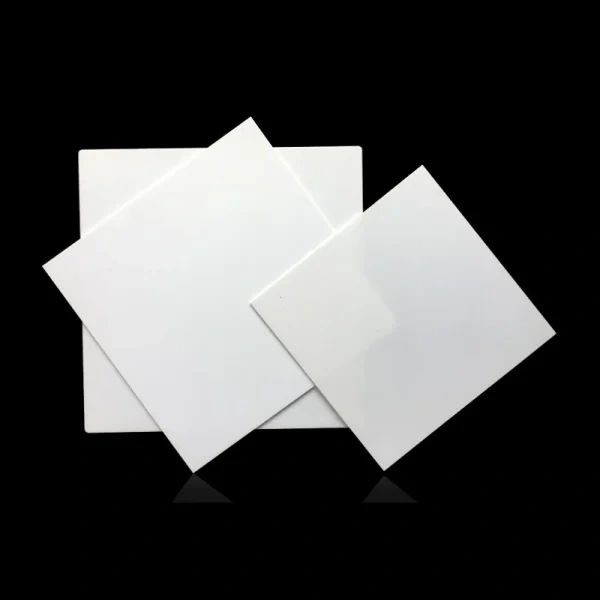
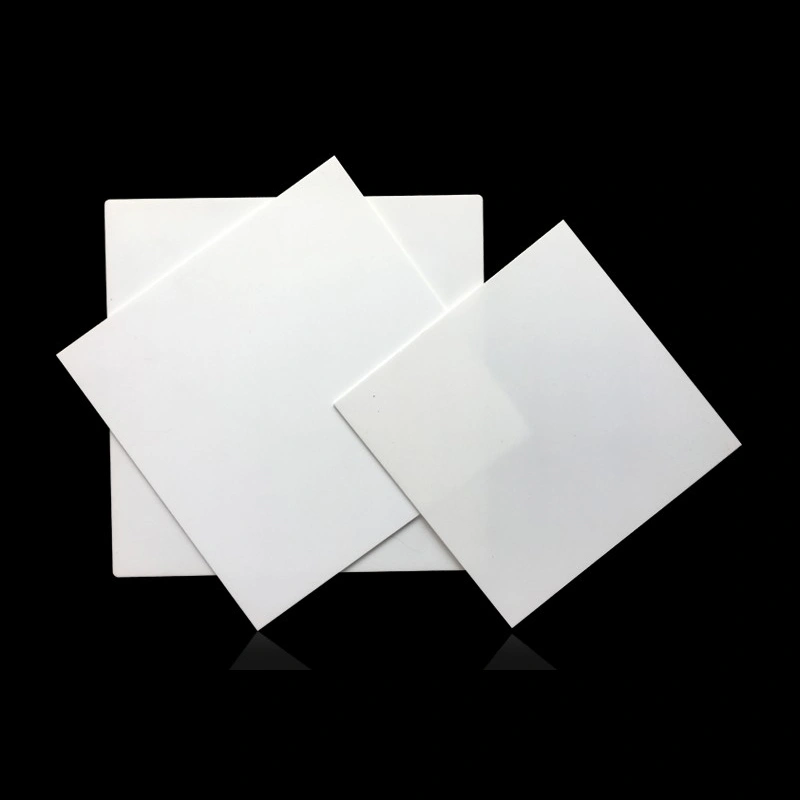
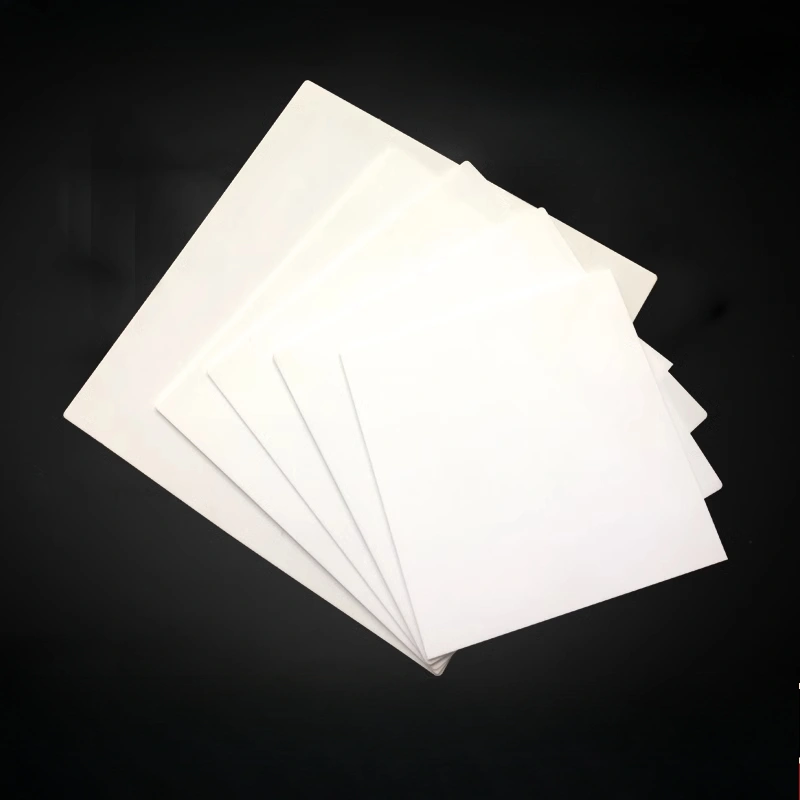
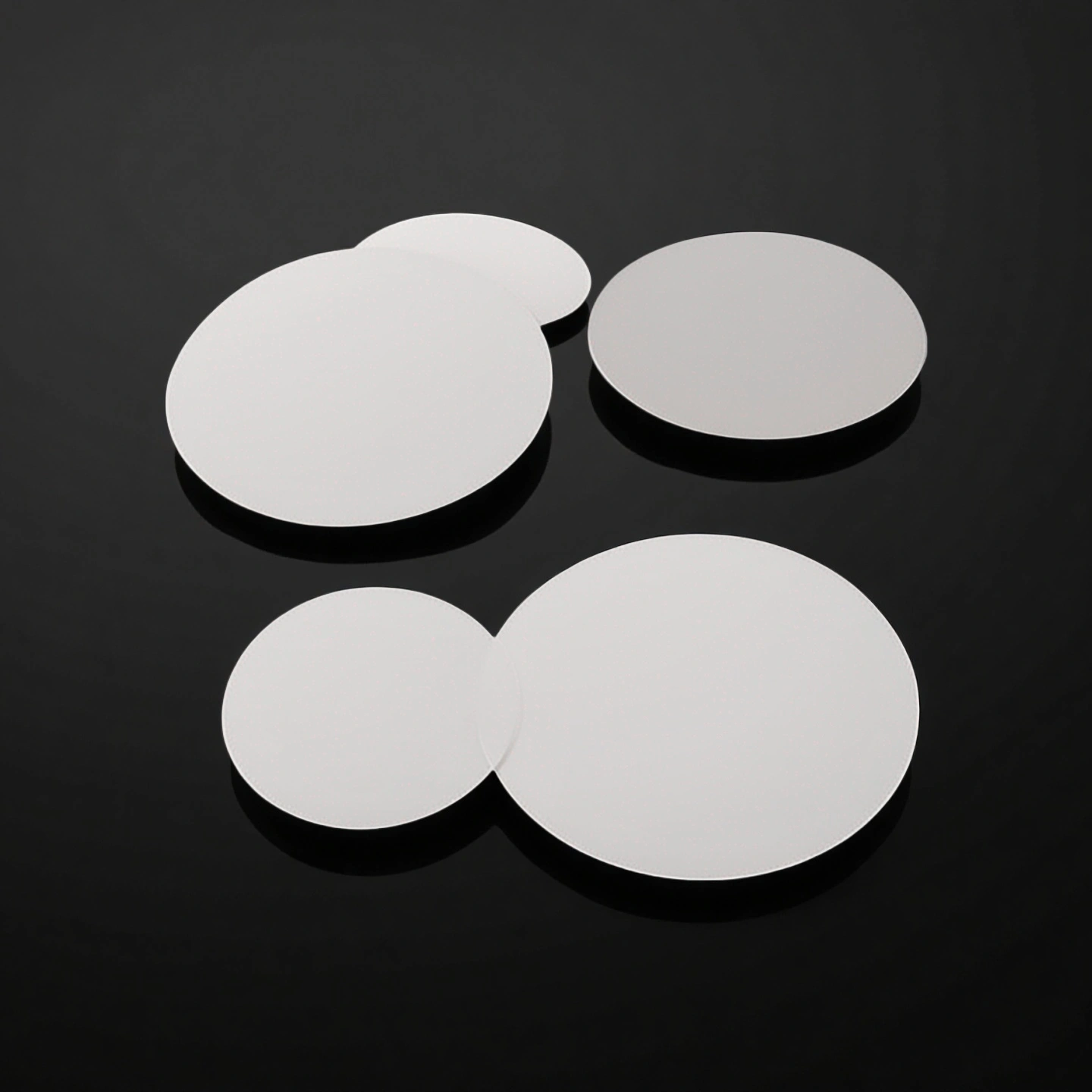
Pyrolytic Boron Nitride Sheet and Plate for Vacuum Equipment

ADCERAX supplies custom PBN sheets and plates for vacuum thermal systems, evaporation sources, clean insulation boards and high-temperature fixtures. CVD-grown PBN provides a dense, binder-free layered structure with low outgassing, electrical insulation and directional thermal behavior.

Each sheet can be reviewed by size, thickness, holes, slots, surface finish, temperature, atmosphere and installation condition before quotation. For replacements, ADCERAX can check the existing drawing and failure mode to confirm the most suitable ceramic material.

Catalogue No. AT-PBN-BC001
Material Boron Nitride
Thermal Conductivity (in-plane)  ~60 W/m·K
Electrical Resistivity >10⁶ Ω·cm
Max Service Temperature up to 2000 °C (vacuum / inert), ~1000 °C (N₂)
Engineering RFQ Review
Small-Batch Custom Support
Factory-Direct Manufacturing
Drawing & Process Review

What Is a PBN Sheet?

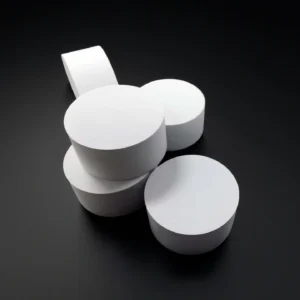
A PBN sheet is a pyrolytic boron nitride plate produced by chemical vapor deposition rather than powder pressing. This process forms a dense, binder-free and layered boron nitride structure. Compared with common hot-pressed BN plates, PBN sheets are selected when the application requires cleaner vacuum behavior, lower particle risk, controlled thermal direction and stable electrical insulation near high-temperature zones.

Pyrolytic Boron Nitride Sheet Benefits

  • Anisotropic Thermal Management
    In-plane thermal conductivity is significantly higher than through-thickness, enabling efficient lateral heat spreading while keeping the backside thermally insulated.

  • High Purity and Low Outgassing
    CVD-deposited pyrolytic boron nitride contains no binders or glassy phases, which helps maintain low contamination and stable vacuum levels in high-vacuum and UHV equipment.

  • High-Temperature Stability in Vacuum
    PBN plates maintain mechanical integrity and electrical insulation at temperatures up to around 2000 °C in vacuum or inert gas, which is suitable for many high-temperature heater assemblies and shields.

  • Electrical Insulation with Good Dielectric Properties
    Pyrolytic boron nitride combines high volume resistivity with low dielectric loss, allowing PBN plates to function as electrical insulators close to hot zones and power elements.

  • Predictable Machining and Surface Quality
    PBN plates can be machined to tight dimensional tolerances and controlled surface roughness, allowing close fit to graphite, metal or ceramic assemblies in heater modules and fixtures.


Pyrolytic Boron Nitride Sheet Properties

Property Unit PBN Reference Material Hot-Pressed BN Plate Material
Purity 99.99% 99.50%
Density g/cm³ 2.15-2.19 1.96-2
Hardness HV0.5 651 62
Volume resistivity Ohm*cm 2*1014 1.2*1014
Dielectric strength kV/mm 55 76
Maximum working temperature 1000 (air), 2300 (vacuum) 900 (air), 1850 (vacuum)
Bending strength MPa 173 (A direction) 310
Thermal conductivity W/m*K 60 (A direction) 55
Tensile strength MPa 112 (A direction) 110
Thermal expansion coefficient /℃ 6*10-7 1.8*10-6
Compressive strength MPa 154 (A direction) 120


Pyrolytic Boron Nitride Sheet Function

  1. Electrical Insulation — Maintains dielectric strength ≥ 10 kV/mm under vacuum or inert gas, ensuring stable isolation of heating elements and conductive components.
  2. Thermal Barrier — Low thermal expansion (2–4 × 10⁻⁶ /K) and high temperature tolerance (≈ 1000 °C) reduce stress and deformation during repeated heating cycles.
  3. Non-Wetting Separation Layer — Chemically inert to molten aluminum, magnesium, and zinc alloys, preventing adhesion, metal buildup, and contamination of furnace parts.


PBN Sheet Specifications

PBN Sheet
Item No. Diameter(mm) Height (mm)
AT-PBN-BC001 Customize


Why Choose PBN Sheet Instead of Hot-Pressed BN?

PBN Sheet vs Hot-Pressed BN Sheet

Selection Factor PBN Sheet Hot-Pressed BN Sheet
Manufacturing CVD-grown structure Powder pressed and sintered
Cleanliness Better for clean vacuum systems Suitable for general high-temperature use
Thickness Range Often used in thinner sheets Easier for thicker blocks and larger parts
Thermal Behavior Strong anisotropy More general BN behavior
Cost Usually higher Usually more economical
Best Fit Vacuum, evaporation, clean fixtures Furnace insulation, non-wetting supports, machinable parts

PBN Sheet Selection Factors

Selection Factor PBN Sheet Advantage Engineering Note
Vacuum cleanliness Binder-free CVD structure helps reduce outgassing risk. Suitable for clean thermal chambers and evaporation systems.
Thermal direction control In-plane heat spreading is stronger than through-thickness transfer. Orientation should be confirmed during design.
Thin plate stability Dense layered structure supports thin sheet use. Mounting stress must still be controlled.
Electrical insulation PBN remains electrically insulating in many high-temperature layouts. Voltage gap and working temperature should be reviewed together.
Cost suitability HPBN may be enough for less clean or less demanding fixtures. PBN should not be over-specified when HPBN is sufficient.

Pyrolytic Boron Nitride Sheet Packaging

PBN sheets are packed with individual separation, surface protection and reinforced outer packaging according to size, thickness and quantity. Thin plates, sharp corners, polished surfaces and machined holes require extra protection to reduce edge chipping, surface scratches and vibration damage during international shipment.
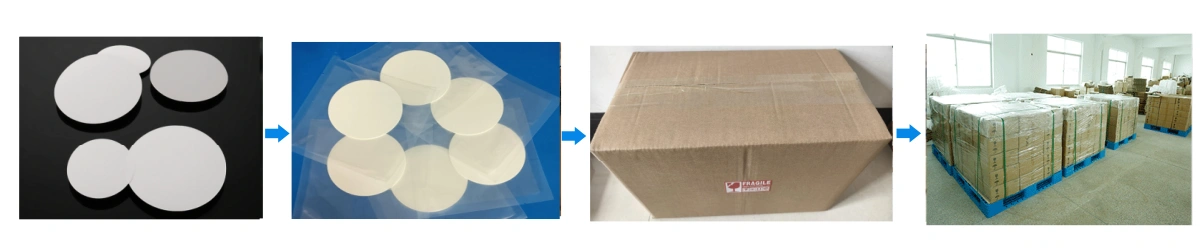

Pyrolytic Boron Nitride Sheet Packaging

Where PBN Sheets Are Used

PBN sheets are used in vacuum, clean thermal and high-temperature systems where conventional ceramic plates, graphite boards or hot-pressed BN parts may introduce particles, binders, contamination risk or unstable thermal behavior. They are often selected when the assembly needs low outgassing, electrical insulation, clean surface contact and controlled heat transfer direction.

  • High-Temperature Vacuum Furnaces and Crystal Growth Systems

    Key Advantages

    PBN sheets can be used as insulation boards, hot-zone shields, support plates and clean barrier layers in high-temperature vacuum furnaces and crystal growth systems. Their dense, binder-free structure helps reduce contamination risk inside clean thermal chambers.

    What PBN Sheets Help Solve

    PBN is suitable when the system requires low outgassing, stable electrical insulation and cleaner contact than many pressed ceramic or graphite components. It is especially useful near hot zones where material cleanliness and thermal behavior directly affect process stability.

  • OLED Evaporation and Thin-Film Deposition Equipment

    Key Advantages

    PBN plates are used near evaporation sources as support boards, shields and insulation layers. They help provide a clean, thermally stable surface around sensitive deposition areas where particles, deposits and outgassing can affect equipment performance.

    What PBN Sheets Help Solve

    Compared with many machined ceramic boards, PBN offers a cleaner layered structure and good thermal stability under vacuum. It can help reduce unwanted contamination sources when the plate is correctly designed, mounted and handled.

  • Materials Research and High-Temperature Test Fixtures

    Key Advantages

    PBN sheets can serve as electrically insulating platforms, sample support plates and clean fixture layers for high-temperature material testing under vacuum or inert gas. They are useful when alumina, graphite or hot-pressed BN may not meet the cleanliness or thermal-control requirement.

    What PBN Sheets Help Solve

    PBN is often selected for research fixtures that require stable insulation, low contamination risk and repeatable thermal behavior. Its anisotropic thermal conductivity should be considered during fixture design, especially when temperature uniformity is important.

Pyrolytic Boron Nitride Sheet Usage Instructions

  • Installation

    1. Check the drawing before installation and verify plate orientation, especially when thermal conductivity direction is specified.
    2. Ensure mating surfaces (graphite, metal frames, ceramic supports) are clean and free from hard particles to avoid local stress points.
    3. Tighten mechanical fasteners gradually and evenly to prevent bending or edge chipping on the PBN plate.

  • Operation

    1. Follow the recommended heating rate for the overall assembly to avoid steep temperature gradients across the plate.
    2. Avoid direct mechanical impact or point loading on thin areas or near holes, especially during hot conditions.
    3. Monitor furnace or system logs for unusual temperature deviations that may indicate misalignment or excessive stress on PBN boards.

  • Storage

    1. Store PBN plates in dry, clean conditions, ideally in their original packaging.
    2. Avoid stacking heavy components directly on top of thinner plates.
    3. Keep plates away from corrosive chemicals or vapors that could react at elevated temperature.

  • Cleaning

    1. Remove loose dust with dry, oil-free compressed air or a soft brush.
    2. For more persistent deposits, use clean, lint-free wipes with a suitable solvent compatible with the process; avoid strong acids or alkalis that are not validated for the assembly.
    3. Do not use metal scrapers or sharp tools on working surfaces to prevent scratches or micro-cracks.

  • Common Misuse & Remedies

    1. Issue: Plate cracking near mounting holes after several heat cycles.
    Cause: Bolts overtightened or unequal load distribution.
    Action: Reduce torque, introduce compliant washers or spacers, and verify hole chamfer and edge finish on the next PBN plate batch.

    2. Issue: Uneven heating or temperature hotspots on the wafer or component.
    Cause: Incorrect orientation of PBN plate relative to heater, or poor contact with backplate.
    Action: Reinstall with correct orientation, check surface flatness and contact, and confirm that the specified thermal conductivity direction is maintained.

    3. Issue: Particle contamination found on nearby optical or functional surfaces.
    Cause: Mechanical abrasion of the PBN plate during assembly or accidental impact with hard tools.
    Action: Replace damaged plate, use soft tooling for installation, and introduce local particle control during assembly and maintenance.

Frequently Asked Questions About PBN Sheets

  1. What is a PBN sheet used for?
    A PBN sheet is used as a clean insulation board, support plate, shield or fixture layer in vacuum furnaces, evaporation sources and high-temperature test systems. It is selected when the design requires low outgassing, electrical insulation and stable behavior under vacuum or inert atmosphere.
  2. How is PBN sheet different from hot-pressed BN sheet?
    PBN sheet is produced by chemical vapor deposition, so it has a dense, binder-free and layered structure. Hot-pressed BN is made from pressed powders and is easier to machine in thicker or larger shapes. PBN is usually selected for cleaner vacuum conditions, while hot-pressed BN may be more practical for general high-temperature insulation or non-wetting fixtures.
  3. What information should I provide for a custom PBN sheet quotation?
    Please provide the drawing, thickness, length, width, hole layout, slot design, surface requirement, operating temperature, atmosphere, mounting method and contact material. If the part replaces an existing plate, photos of the used part and the failure mode can also help with engineering review.
  4. Can PBN sheets be machined with holes and slots?
    Yes, PBN sheets can be machined with holes, slots, countersinks and edge profiles after reviewing the drawing. Thin sections, small edge distances and sharp internal corners should be checked carefully because they may increase cracking risk during installation or thermal cycling.
  5. What temperature can a PBN sheet withstand?
    The usable temperature depends strongly on atmosphere, plate design, mounting condition and contact materials. PBN is commonly reviewed for high-temperature vacuum or inert-gas use, but air or reactive atmospheres may reduce the safe working range. The final recommendation should be confirmed according to the actual process condition.

  6. How should PBN sheets be handled and cleaned?
    PBN sheets should be handled with clean gloves, protected from hard impact and kept away from metal scraping tools. Loose dust can be removed with dry, oil-free air or a soft brush. Any solvent cleaning should be validated against the process requirement and surrounding assembly materials.

  7. What dimensional tolerances can you hold on custom PBN plates?
    For many plate sizes, length and width tolerances around ±0.1 mm and controlled thickness tolerances are achievable after reviewing your design. Specific tolerances will be confirmed case by case.


customize size

Customize Pyrolytic Boron Nitride Sheet

ADCERAX reviews each PBN sheet by drawing, size, thickness, hole layout, surface finish, mounting method, temperature, atmosphere and thermal direction before quotation.

  • Overall dimensions (L×W or diameter) — common accuracy up to ±0.1 mm; large-format plates can be reviewed based on thickness and handling limits.
  • Thickness range — typically 1.0–5.0 mm, with matching stiffness recommendations based on plate size and mounting conditions.
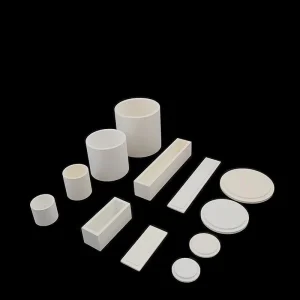
  • Shape optionsrectangular, square, circular disc, ring, multi-step profile, pocket-type plate, or matching to mating graphite / ceramic assemblies.
  • Machined features through holes, countersinks, counterbores, alignment slots, recess pockets, stepped cavities, radial channels, or embedded inserts when required.
  • Edge styles30°/45° chamfer, radius edges, deburred sharp edges, or precision-controlled perimeter for close-fit assemblies.
  • Surface finishas-deposited, lapped, polished, or dual-finish (contact vs. non-contact faces) depending on thermal interface and cleanliness requirements.
  • Thermal orientation controlin-plane vs. through-thickness direction can be aligned according to heater, susceptor, wafer orientation, or cooling path design.

Related Products

ADCERAX - Your Trusted Advanced Ceramics Manufacturing Partner

Direct factory manufacturing with comprehensive ceramic materials expertise and global supply capabilities

China-Based Manufacturer

ADCERAX supplies ceramic components for overseas OEMs, equipment builders, and labs.

Custom Drawing Support

We review drawings, dimensions, materials, and application conditions before quotation.

Ceramic Process Control

Forming, sintering, machining, grinding, and finishing are arranged by part requirements.

Pre-Shipment Inspection

Dimensional checks, visual inspection, and packaging review help reduce procurement risk.

Get in Touch with Us

Our team will be happy to respond to you in less than 24 hours.

Pingxiang Factory — Silicon carbide, silicon nitride, high-temperature ceramics

Quick Quotation

*Our team will answer your inquiries within 24 hours.

*Your information will be kept strictly confidential.

Ready to Solve Your Engineering Challenge?

Partner with ADCERAX for reliable, high-performance advanced ceramic solutions. Our engineers are ready to discuss your project.

E-mail

info@adcerax.com

Phone

+(86) 0731-74427743 | WhatsApp: +(86) 19311583352

Response Time

Within 24 hours

Quick Quote

The more details you provide, the faster we can quote.

*We respond within 24 hours. All inquiries are confidential.

Get Your Custom Solution

The more details you provide, the faster we can respond.

customize size

*We respond within 24 hours. All inquiries are confidential.

Download Catalog