What Is a Silicon Carbide Ceramic Rod?
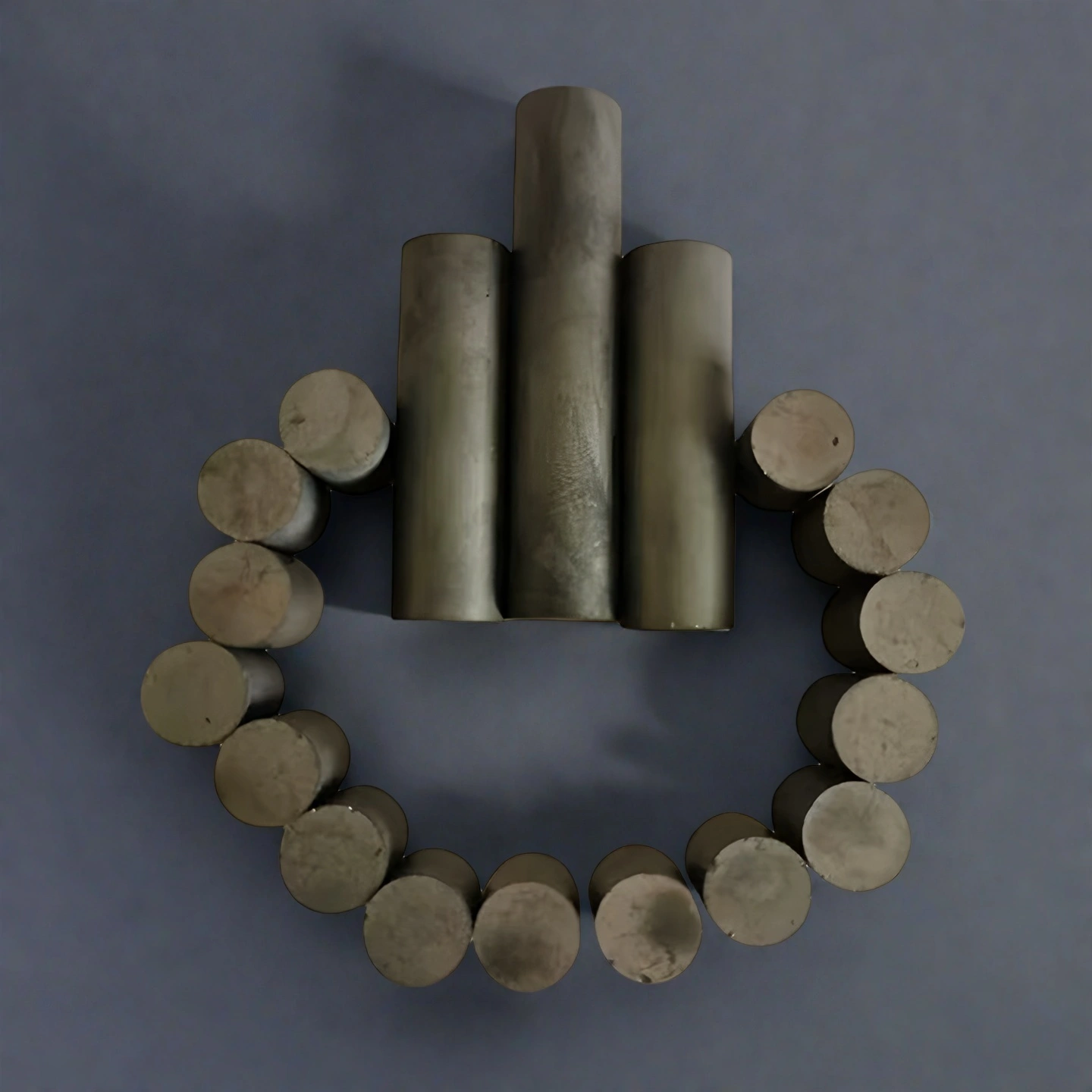
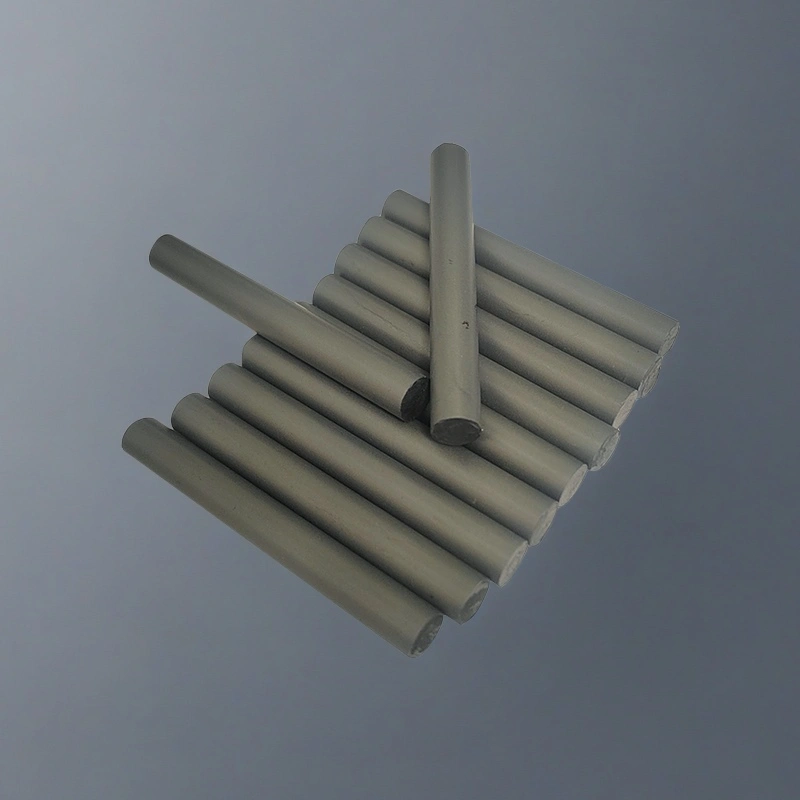
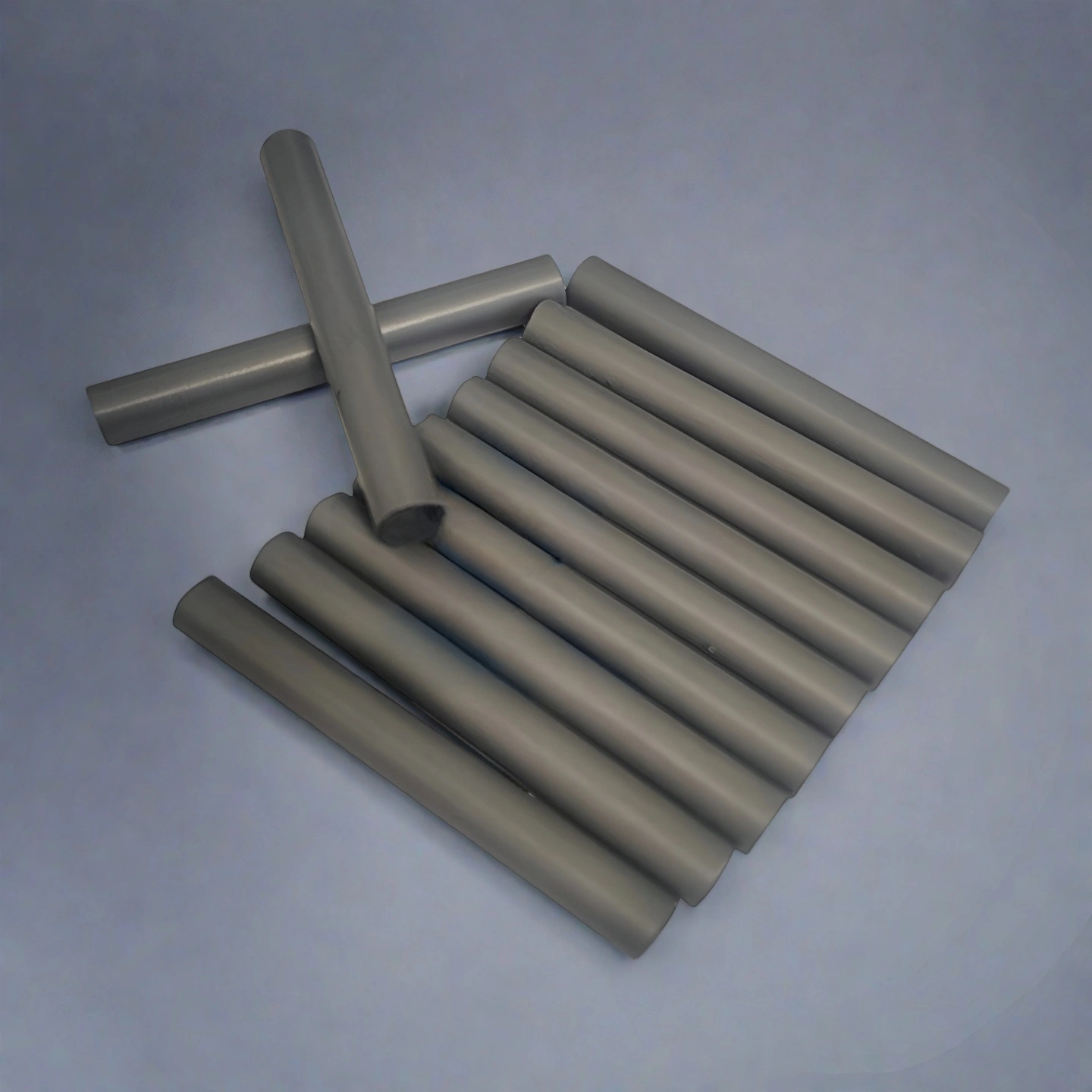
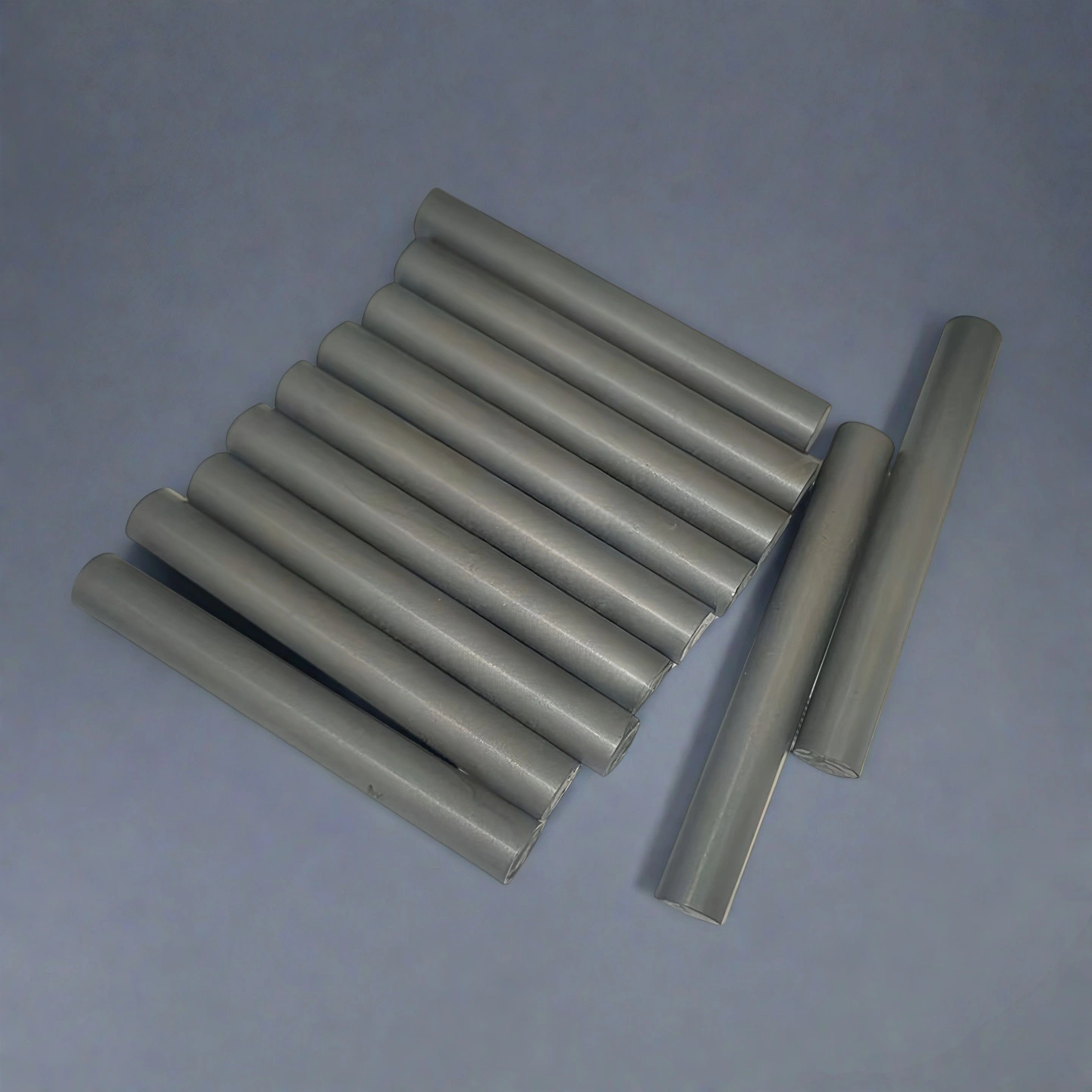
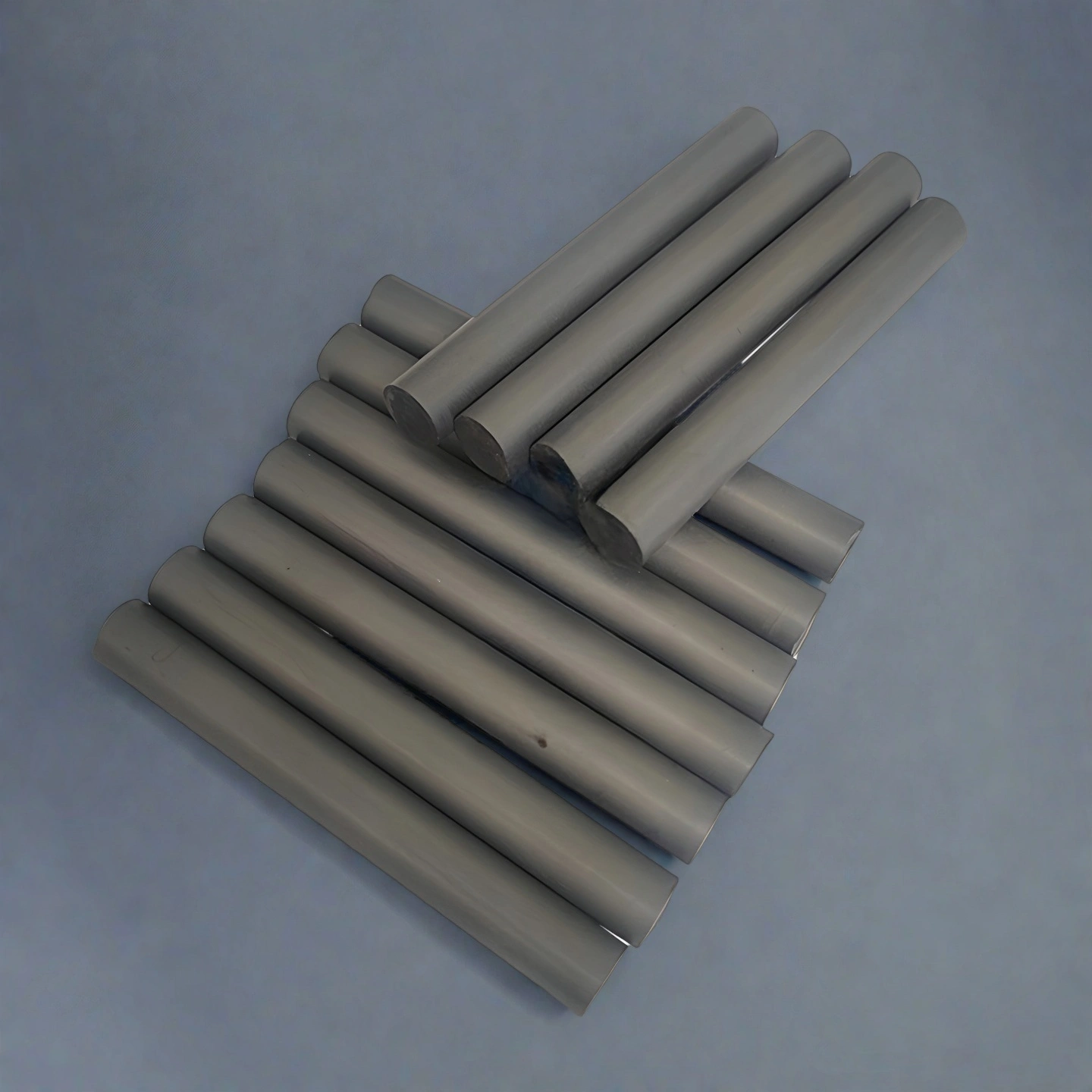
A Silicon Carbide Ceramic Rod is a dense SiC-based structural ceramic component used where metal, alumina or conventional ceramic rods may deform, oxidize or wear too quickly. Its low thermal expansion, high hardness, thermal shock resistance and chemical stability make it suitable for furnace assemblies, guide systems, support structures, wear-resistant shafts and corrosive industrial environments.
For custom projects, the most important selection factors are material grade, diameter, length, straightness, surface finish, end machining, operating temperature, atmosphere, load condition and whether the rod will be used in static support, rotation, sliding contact or chemical exposure.
Key Engineering Advantages of Silicon Carbide Ceramic Rods
Silicon carbide ceramic rods are selected when industrial equipment requires stable performance under heat, wear, corrosion and dimensional stress. Compared with many metal or conventional ceramic rods, SiC rods provide a stronger balance of thermal stability, surface hardness and chemical resistance for demanding operating environments.
High-Temperature Support
SiC ceramic rods help maintain better dimensional stability than many metals under elevated temperature. This makes them suitable for furnace support, thermal fixtures and high-temperature positioning structures where bending or deformation may affect equipment alignment.
Thermal Shock Resistance
Silicon carbide has low thermal expansion, which helps reduce cracking risk during repeated heating and cooling cycles. This is especially useful in kiln, furnace, annealing and thermal-processing equipment where temperature changes are frequent.
Abrasive Wear Resistance
The high hardness of SiC ceramic supports use in guide rods, sliding contact areas and wear-prone assemblies. It can help slow surface wear in systems exposed to particles, friction or repeated mechanical contact.
Corrosive Atmosphere Resistance
SiC ceramic rods perform well in many acidic, alkaline, oxidizing and salt-containing environments. They are suitable for applications where metal rods may suffer oxidation, pitting or chemical attack.
Long-Axis Dimensional Control
Proper material selection and machining can help reduce bending, misalignment and dimensional drift in long-axis rod applications. This is important for guide rods, support rods, roller components and precision positioning structures.
Custom Equipment Integration
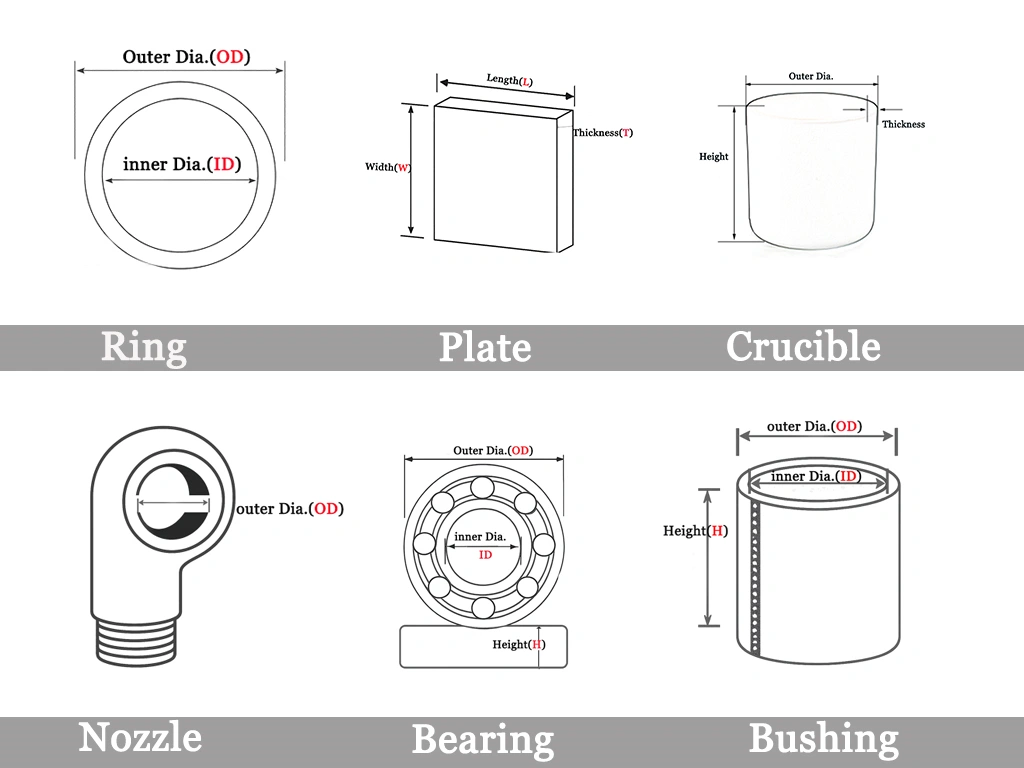
Silicon carbide rods can be customized by diameter, length, end geometry and surface finish. Options such as chamfers, grooves, flats, steps or polished contact areas help the rod fit into specific equipment interfaces and assembly requirements.
Technical Properties of Silicon Carbide Ceramic Rods
The following values are typical reference ranges for silicon carbide ceramic rods. Final properties may vary according to SiC grade, forming method, sintering route, size, porosity, machining condition and operating atmosphere. For engineering projects, ADCERAX can review the required material grade and dimensional requirements based on drawings and application conditions.
| Property |
Typical Reference Range |
What It Means for Buyers |
| Material Options |
RBSiC, SiSiC, SSiC, RSiC or project-specific SiC grade |
Different SiC grades affect temperature capability, corrosion behavior, strength and cost. |
| Density |
Approx. 2.6–3.1 g/cm³ |
Higher density generally supports better mechanical stability and reduced open porosity. |
| Flexural Strength |
Grade-dependent |
Important for long rods, roller use, guide rods and support applications. |
| Thermal Conductivity |
Grade and temperature dependent |
Helps with heat transfer and temperature uniformity in furnace or thermal systems. |
| Thermal Expansion |
Around 4.0–4.5 × 10⁻⁶/K |
Low expansion helps reduce thermal stress, bending and cracking risk. |
| Hardness |
High Vickers hardness range |
Useful for abrasive, sliding or particle-exposed environments. |
| Maximum Use Temperature |
Depends on grade and atmosphere |
Should be confirmed according to furnace atmosphere, load and exposure time. |
| Chemical Resistance |
Suitable for many acidic, alkaline and oxidizing environments |
Final compatibility should be reviewed based on media, temperature and concentration. |
| Surface Finish |
Ground, polished or application-specific |
Surface condition affects friction, wear, contact marks and sealing or guiding performance. |
| Machining Options |
Chamfer, groove, step, flat, hole or end machining |
Helps the rod fit into OEM equipment or replacement assemblies. |
Dimensions of Silicon Carbide Rods
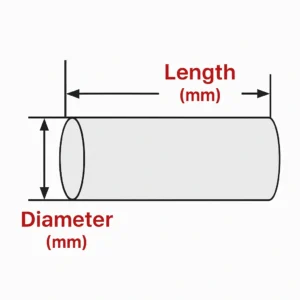
|
Item |
Diameter(mm) |
Length(mm) |
Purity(%) |
|
AT-SIC-B1001 |
2.5 |
130 |
99% |
|
AT-SIC-B1002 |
2.5 |
150 |
99% |
|
AT-SIC-B1003 |
2.8 |
130 |
99% |
|
AT-SIC-B1004 |
2.8 |
150 |
99% |
|
AT-SIC-B1005 |
3 |
10 |
99% |
|
AT-SIC-B1006 |
10 |
100 |
99% |
|
AT-SIC-B1007 |
10 |
150 |
99% |
|
AT-SIC-B1008 |
20 |
100 |
99% |
Silicon Carbide Rods vs Alumina, Zirconia and Metal Rods
Material selection should be based on temperature, wear, corrosion, thermal shock and mechanical loading. Silicon carbide is not always the only option, but it is often selected when the application combines high temperature, abrasive contact and corrosive atmosphere in one system.
| Material |
Best Fit |
Limitation |
When to Choose SiC Instead |
| Alumina Rods |
Electrical insulation, general high-temperature use and cost-sensitive applications |
Lower thermal shock resistance and lower thermal conductivity than SiC |
Choose SiC when thermal shock, wear or heat transfer is more critical. |
| Zirconia Rods |
Toughness, impact resistance and precision wear parts |
Lower thermal conductivity and higher density than SiC |
Choose SiC when the system needs lower weight, better thermal stability or higher heat transfer. |
| Metal Rods |
Machinability, ductility and low-cost mechanical parts |
Oxidation, creep and softening under high temperature |
Choose SiC when metal rods deform, oxidize or wear too quickly. |
| Silicon Carbide Rods |
High temperature, wear, corrosion and thermal shock environments |
More brittle than metals and requires proper installation |
Choose SiC when dimensional stability under harsh service matters more than ductility. |
Packaging for Silicon Carbide Rods
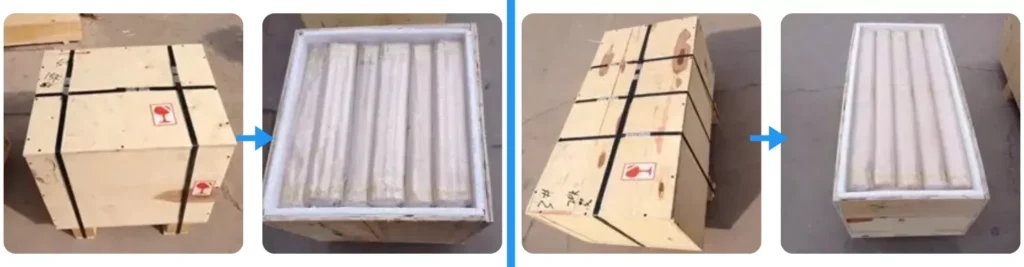
Silicon Carbide Rods are protected using reinforced wooden crates with internal foam-lined compartments to prevent impact and vibration during transport. Each rod is individually wrapped and immobilized within a molded cushioning structure to avoid surface abrasion and collision. This packaging method ensures stable long-distance shipment and maintains the structural integrity of every unit before arrival at the customer’s facility.
Application Selection Guide for Silicon Carbide Ceramic Rods
Silicon Carbide Ceramic Rods are used in industrial systems where heat, wear, corrosion or dimensional stability becomes a limiting factor for metal or conventional ceramic components. The correct SiC rod design depends on the operating temperature, load direction, span length, surface contact, atmosphere and whether the rod is used in static support, rotation or sliding contact.
-
Furnace Support and Kiln Conveying Systems
In roller kilns, sintering furnaces and high-temperature conveying systems, SiC ceramic rods can be used as support rods, roller components or alignment bars. Their low thermal expansion helps reduce bending during heating and cooling cycles, while their high-temperature strength supports dimensional stability in continuous thermal operation.
For these applications, buyers should confirm the rod diameter, total span, supported load, rotation speed if applicable, furnace atmosphere, heating rate and whether the rod surface will contact ceramic products, powders or glaze-bearing materials.
-
Glass Annealing and Thermal Processing Equipment
In glass annealing, tempering and thermal treatment equipment, SiC rods can provide stable support where thermal uniformity and surface condition are important. A properly selected SiC rod helps reduce thermal deformation and maintain stable contact behavior during repeated heating cycles.
For glass-related applications, surface finish, straightness, rod spacing, contact pressure and thermal gradient should be reviewed carefully to reduce the risk of marking, waviness or uneven support.
-
Wear-Resistant Guide Rods and Mechanical Components
Silicon carbide ceramic rods can be used as guide rods, positioning bars, wear-resistant shafts or sliding-contact components in systems exposed to abrasive particles, corrosive fluids or high-friction motion. Their hardness and chemical stability help slow surface wear and reduce dimensional drift compared with many metal components.
For mechanical applications, the key RFQ details include load direction, movement type, mating material, surface speed, lubrication condition, abrasive media and required tolerance after machining.
-
Chemical and Corrosive Process Environments
SiC rods are suitable for many corrosive industrial environments where metal rods may suffer oxidation, pitting or chemical attack. They can be used in guide, support or positioning roles inside equipment exposed to acidic, alkaline, salt-containing or oxidizing atmospheres.
Chemical compatibility should always be reviewed based on media type, concentration, temperature, exposure time and whether the rod is under static or dynamic load.
ADCERAX® Silicon Carbide Rods User Guide for Safe and Efficient Operation
Silicon Carbide Rods requires proper handling, installation, and operating discipline to ensure optimal performance across thermal, mechanical, and corrosive environments. This guide provides practical, engineering-oriented recommendations that help users maintain stability, minimize wear, and reduce unexpected downtime throughout the product’s service lifecycle.
-
Installation Guidelines for Stable Mechanical and Thermal Performance
1. Rigid Support Alignment
Proper alignment of support brackets and mounting points is essential to prevent bending stress during startup and operation. Misalignment may increase localized loading, accelerating fatigue and reducing usable service hours. Ensuring structural parallelism helps maintain consistent straightness during thermal cycling.
2. Gradual Heat-Up Protocols
Controlled heating avoids rapid thermal gradients that may stress the rod’s microstructure. Increasing temperature at a moderated rate allows uniform expansion across its length. This practice significantly enhances cycle endurance in high-temperature kilns and conveying lines.
3. Secure Seating and Clearance Control
Correct seating minimizes the risk of micro-movement that can lead to abrasion or chatter during rotation. A balanced clearance prevents unnecessary friction that may degrade surfaces over time. Controlled fitment ensures stable rotation and longer component life.
-
Operational Recommendations for High-Temperature Environments
1. Avoid Sudden Thermal Shocks
Rapid temperature drops can generate thermal tension that exceeds material limits. Maintaining consistent furnace atmosphere and avoiding cold-air drafts helps preserve microstructural integrity. These measures reduce the risk of unexpected thermal fracture.
2. Monitor Furnace Loading Conditions
Excessive or uneven loading can elevate mechanical deflection at high temperatures. Operators should maintain uniform distribution of product weight across roller sections. Balanced loading ensures predictable deflection behavior across prolonged cycles.
3. Control Chemical Atmosphere Exposure
High concentrations of reactive vapors can influence surface oxidation rates. Maintaining regulated airflow and exhaust efficiency reduces reactive gas accumulation. This stabilizes protective oxide layers for enhanced corrosion resistance.
-
Handling and Storage Guidelines to Preserve Structural Integrity
1. Use Protective Padding During Handling
Direct contact with hard surfaces during movement or storage may cause micro-chipping. Applying padded contact points helps maintain surface condition. These precautions significantly improve initial handling safety.
2. Store in Dry, Stable Conditions
High humidity or chemical vapors can affect packaging and long-term surface exposure. Storage in a controlled environment reduces external risks that may influence performance consistency. A protected area ensures reliable pre-installation quality.
3. Avoid Point-Load Pressure During Stacking
Concentrated weight on limited surface areas can cause mechanical stress. Distributing load evenly across storage cradles prevents deformation. This maintains dimensional stability before equipment integration.
-
Maintenance Practices for Long Service Life
1. Routine Surface Inspection
Scheduled visual or tactile checks help identify early-stage wear, oxidation, or micro-cracks. Early detection prevents propagation into larger structural issues. Regular inspection supports predictable maintenance cycles.
2. Monitor Vibration and Rotational Smoothness
Abnormal vibration indicates misalignment or wear progression elsewhere in the system. Using vibration monitoring tools enables corrective action before damage spreads. This step protects overall system efficiency.
3. Clean with Non-Abrasive Methods
Using soft, non-abrasive cleaning materials prevents surface scratching. Avoid chemical agents that may attack protective layers during operation. Proper cleaning maintains long-term surface performance in thermal and mechanical systems.
Information Needed for a Silicon Carbide Rod RFQ
To recommend the correct silicon carbide ceramic rod, ADCERAX reviews both the drawing and the working environment. The more complete the application information is, the faster we can evaluate material grade, machining route, tolerance feasibility and packaging method.
| RFQ Information |
Why It Matters |
| Diameter and length |
Determines forming route, machining feasibility and straightness control. |
| Quantity |
Affects production planning, cost review and packaging method. |
| Material grade preference |
RBSiC, SiSiC, SSiC or RSiC may suit different environments. |
| Operating temperature |
Helps evaluate thermal stability and oxidation behavior. |
| Atmosphere or media |
Acid, alkali, vapor, air, vacuum or salt exposure affects material suitability. |
| Load and support span |
Important for bending, deflection and fracture risk. |
| Surface finish |
Affects wear, friction, contact marks and assembly behavior. |
| End machining |
Chamfers, grooves, steps or holes must be reviewed before quotation. |
| Drawing or sample photos |
Reduces misunderstanding and improves manufacturability review. |