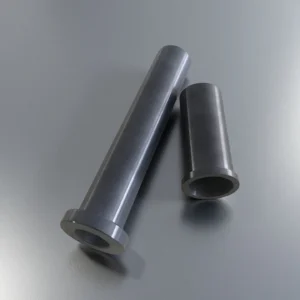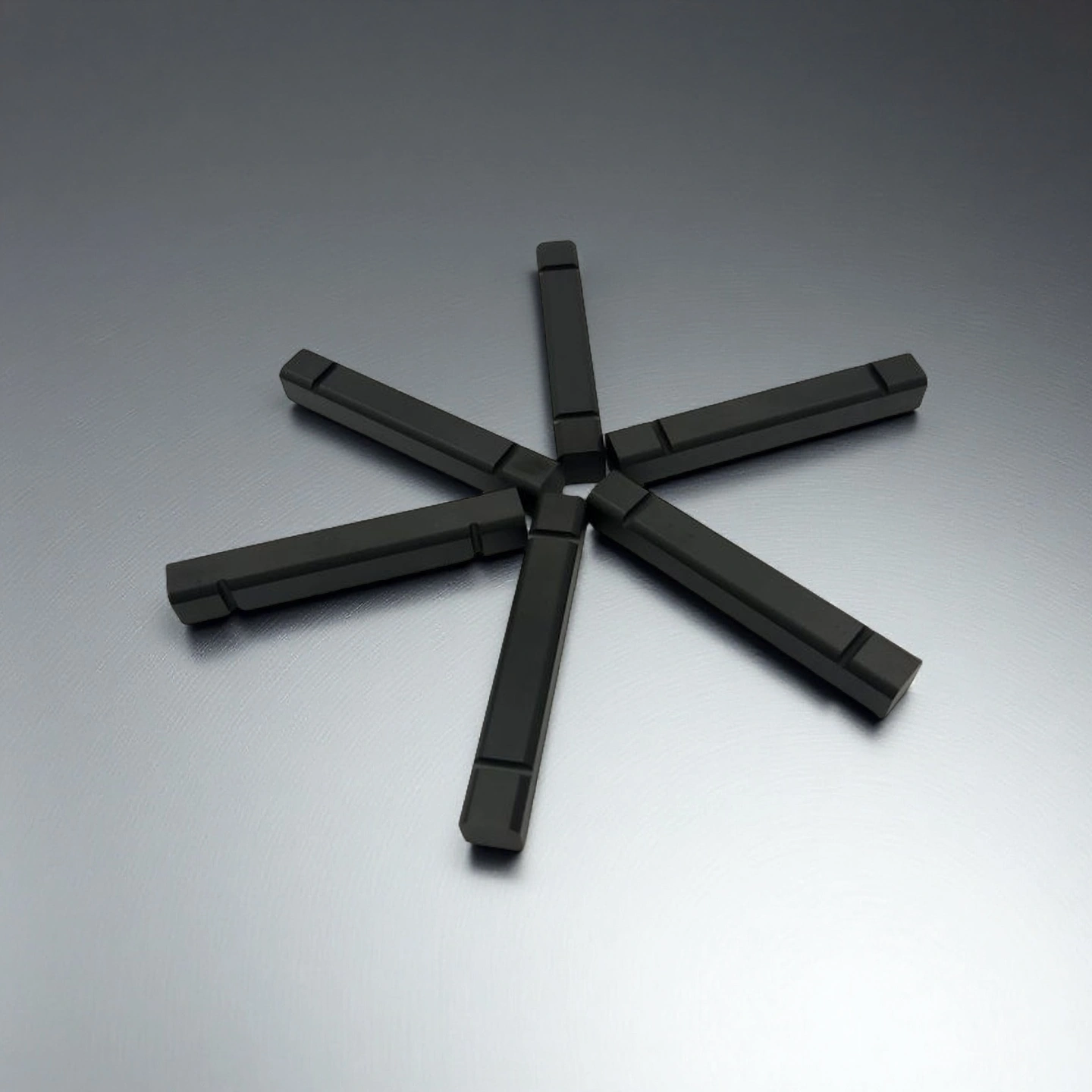
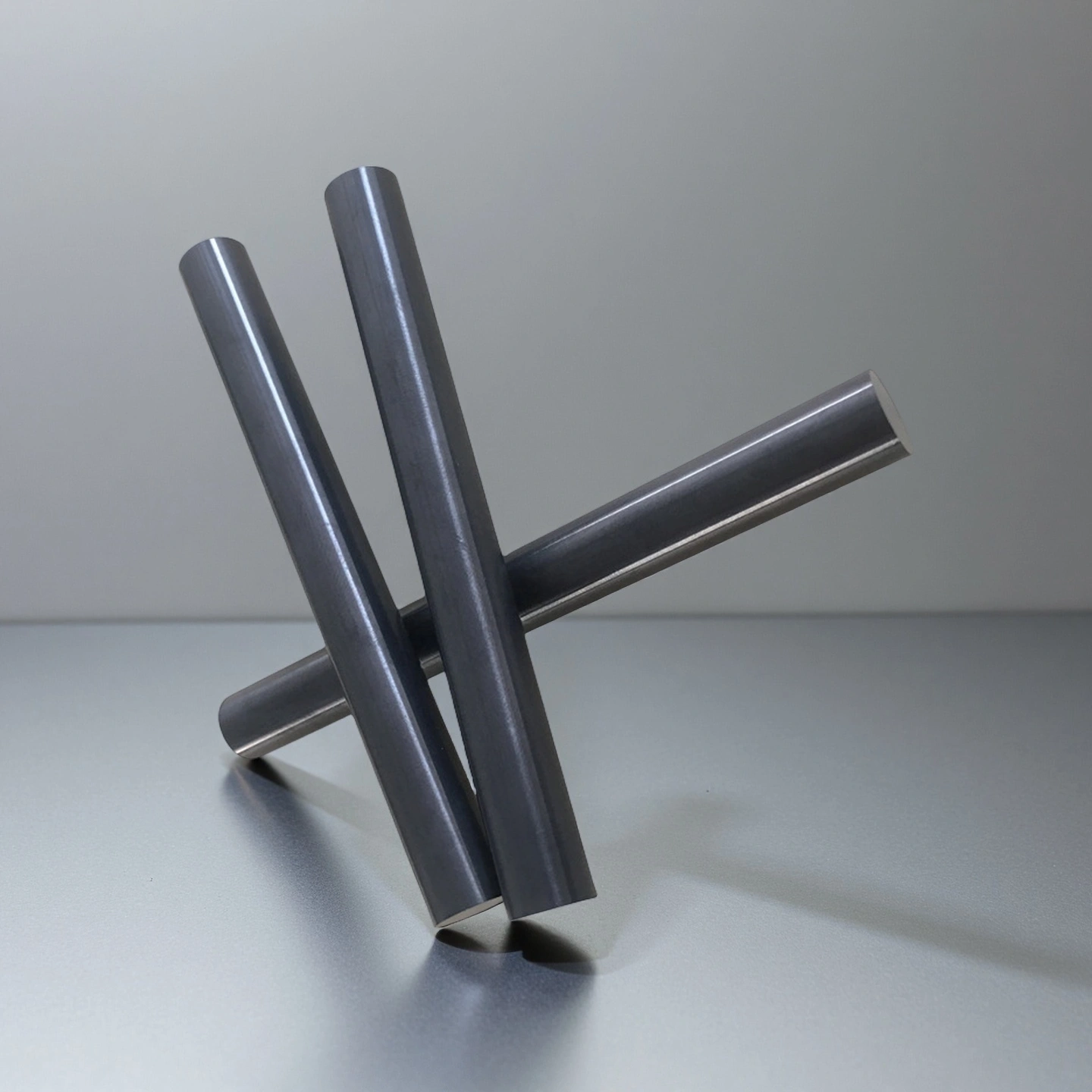
What Are Silicon Nitride Rods?
Silicon nitride rods are precision-machined Si₃N₄ ceramic components used as furnace fixture rods, aluminum casting pins, wear-resistant guides, and insulating supports in industrial environments where metal rods fail due to oxidation, thermal deformation, or electrical conduction.
Why Engineers Use Si₃N₄ Rods in High-Temperature Fixtures?
-
Dimensional stability under thermal cycling helps the rod maintain straightness and tolerance even after repeated heating and cooling, preventing fixture misalignment and reducing recalibration efforts.
-
Non-wetting to aluminum minimizes metal adhesion and oxide buildup, allowing easier removal during maintenance and helping extend maintenance intervals in suitable conditions in die casting and melt-transfer zones.
-
High wear resistance supports long-term use in sliding, guiding, or indexing mechanisms such as positioning rods, pump shafts, and mechanical linkage points where abrasion or sliding contact is present.
-
Electrical insulation maintained at elevated temperatures enables safe use in heating elements, resistance welding fixtures, and test setups helps reduce electrical conduction risk in suitable designs.
-
Precision end options (chamfer, step, through-hole, thread) allow rods to be installed directly into fixtures or holders without secondary machining, supporting better interchangeability and assembly accuracy.
Material Options for Silicon Nitride Rod Manufacturing
Different silicon nitride grades can be selected according to thermal shock resistance, mechanical strength, thermal conductivity, surface finish and machining requirements. The values below are typical material reference data and should be confirmed against the final application environment before order confirmation.
| Si3N4 Type | Gas pressure sintering Si3N4 | Hot pressing sintering Si3N4 | High thermal conductivity Si3N4 |
| Density (g/cm3) | 3.2 | 3.3 | 3.25 |
| Flexural Strength (MPa) | 700 | 900 | 600~800 |
| Young Modulus (GPa) | 300 | 300 | 300~320 |
| Poisson's ratio | 0.25 | 0.28 | 0.25 |
| Compressive strength (MPa) | 2500 | 3000 | 2500 |
| Hardness (GPa) | 15 | 16 | 15 |
| Fracture toughness (MPa*m1/2) | 5~7 | 6~8 | 6~7 |
| Maximum working temperature (℃) | 1100 | 1300 | 1100 |
| Thermal conductivity (W/m*K) | 20 | 25 | 80~100 |
| Thermal expansion coefficient (/℃) | 3*10-6 | 3.1*10-6 | 3*10-6 |
| Thermal shock resistance (ΔT ℃) | 550 | 800 | / |
Si3N4 Rods Specifications
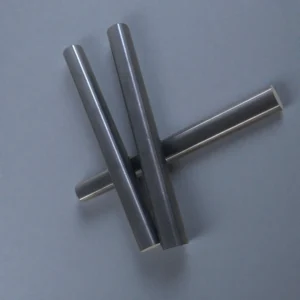
Type1: Silicon Nitride Round Rods
| Silicon Nitride Round Rods | |||
| Item No. | Diameter (mm) | Length (mm) | Purity(%) |
| AT-SNR-0001 | 2 | 20 | 85-99 |
| AT-SNR-0002 | 2 | 50 | 85-99 |
| AT-SNR-0003 | 3 | 20 | 85-99 |
| AT-SNR-0004 | 3 | 50 | 85-99 |
| AT-SNR-0005 | 4 | 12 | 85-99 |
| AT-SNR-0006 | 4 | 50 | 85-99 |
| AT-SNR-0007 | 5 | 12 | 85-99 |
| AT-SNR-0008 | 6 | 12 | 85-99 |
| AT-SNR-0009 | 6 | 30 | 85-99 |
| AT-SNR-0010 | 6.75 | 22 | 85-99 |
| AT-SNR-0011 | 7.5 | 100 | 85-99 |
| AT-SNR-0012 | 8 | 30 | 85-99 |
| AT-SNR-0013 | 10 | 40 | 85-99 |
| AT-SNR-0014 | 10 | 100 | 85-99 |
| AT-SNR-0015 | 12 | 10 | 85-99 |
| AT-SNR-0016 | 12 | 40 | 85-99 |
| AT-SNR-0017 | 15 | 10 | 85-99 |
| AT-SNR-0018 | 15 | 40 | 85-99 |
| AT-SNR-0019 | 20 | 10 | 85-99 |
| AT-SNR-0020 | 20 | 40 | 85-99 |
| AT-SNR-0021 | 25 | 10 | 85-99 |
| AT-SNR-0022 | 25 | 40 | 85-99 |
| AT-SNR-0023 | 30 | 40 | 85-99 |
| AT-SNR-0024 | 2-80 | 20-200 | 85-99 |
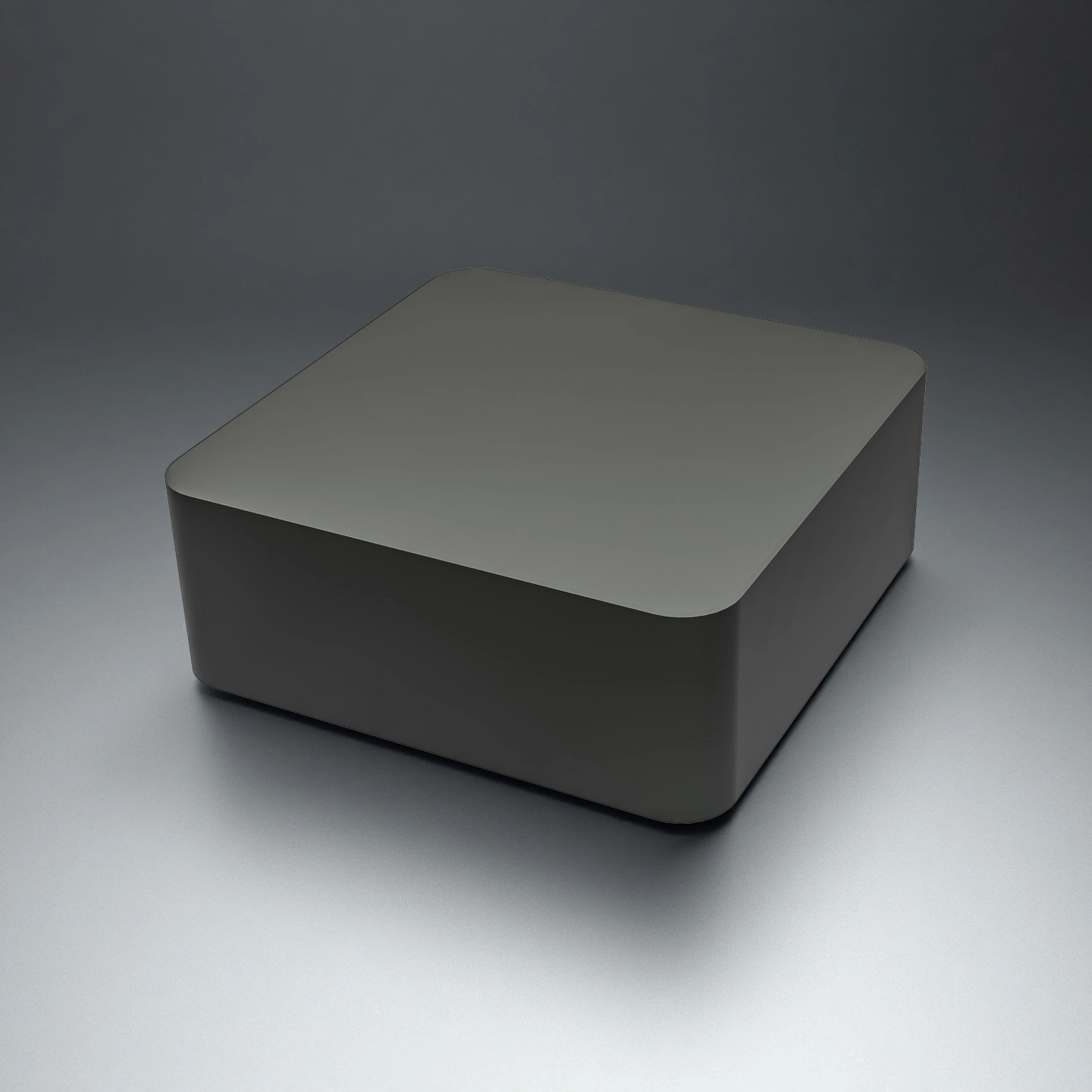
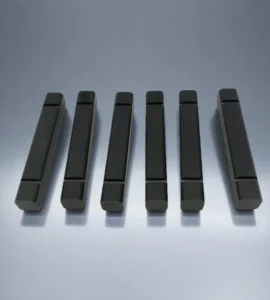
Type 2: Silicon Nitride Square Rods
| Silicon Nitride Square Rods | ||||
| Item No. | Width (mm) | Height (mm) | Length (mm) | Purity(%) |
| AT-SNR-1002 | 5 | 5 | 40 | 85-99 |
| AT-SNR-1003 | 10 | 10 | 70 | 85-99 |
| AT-SNR-1004 | 35 | 22 | 60 | 85-99 |
| AT-SNR-1005 | 40 | 32 | 100 | 85-99 |
| AT-SNR-1006 | 60 | 20 | 105 | 85-99 |
| AT-SNR-1007 | 75 | 75 | 90 | 85-99 |
Key Application Challenges Solved by Silicon Nitride Rods
| Application Challenge | Why Si₃N₄ Helps | What to Confirm Before RFQ |
|---|---|---|
| Metal rods oxidize or scale in furnace fixtures. | Silicon nitride provides strong thermal stability and does not form heavy oxide scale like many metals. | Confirm operating temperature, atmosphere, cycle frequency and rod support length. |
| Steel pins collect aluminum buildup in casting areas. | Si₃N₄ has low wetting behavior with molten aluminum, which helps reduce adhesion and cleaning frequency. | Confirm alloy type, contact temperature, dipping time and cleaning method. |
| Alumina rods crack under thermal shock or impact. | Silicon nitride has better fracture toughness and thermal shock resistance than many oxide ceramics. | Confirm thermal ramp rate, contact load and whether impact or vibration is present. |
| Precision guide rods wear or lose alignment. | Ground Si₃N₄ rods provide high hardness, wear resistance and dimensional stability. | Confirm mating material, sliding speed, lubrication state and surface finish requirement. |
| Metal rods create electrical conduction risks. | Silicon nitride is electrically insulating and can be used in high-temperature isolation fixtures. | Confirm voltage, spacing, temperature and contamination risk. |
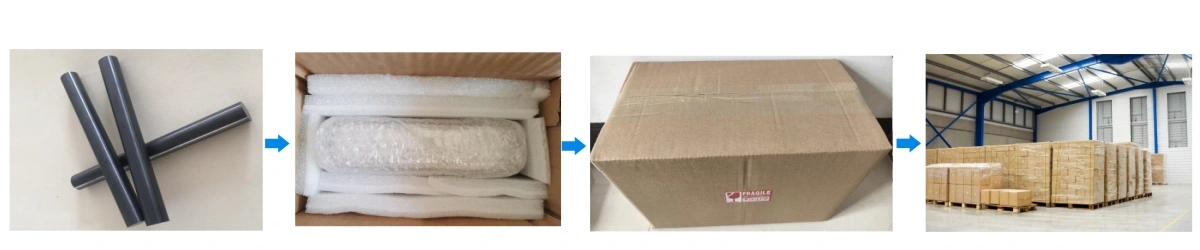
Silicon Nitride Bar Packaging
- Each rod is individually wrapped in anti-static foam and sealed to prevent static discharge.