
What Is an Alumina Crucible with Hole?
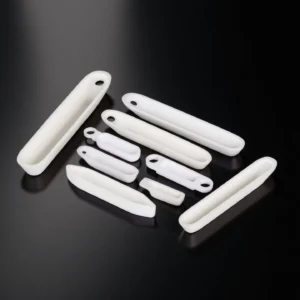
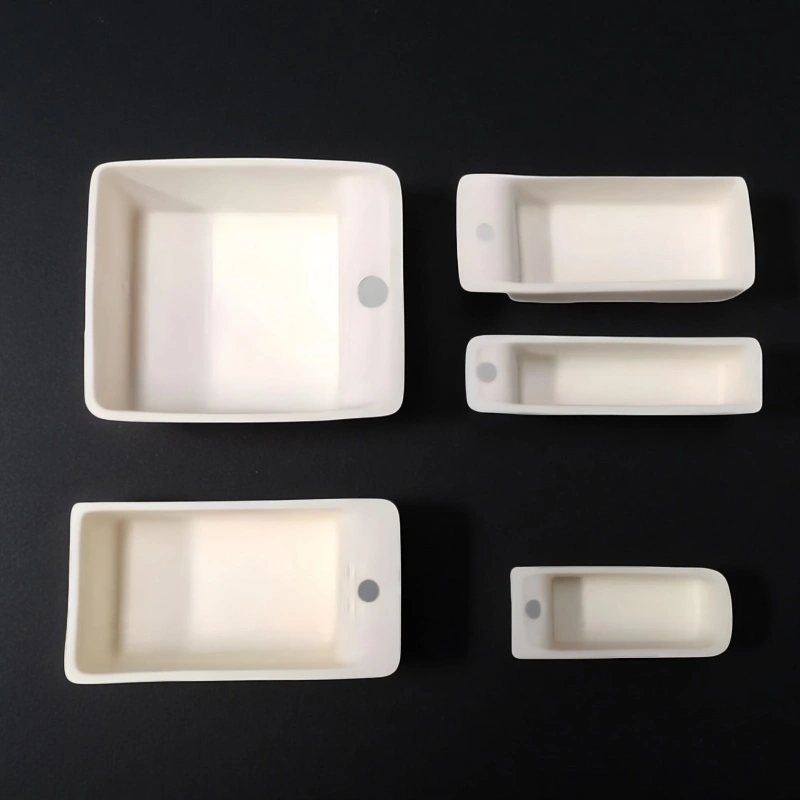
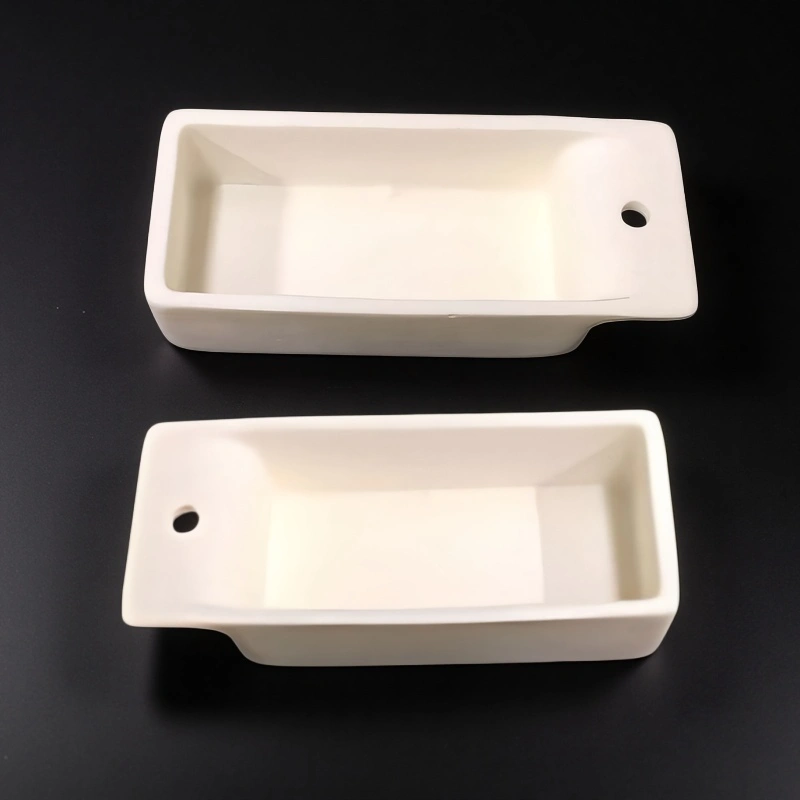
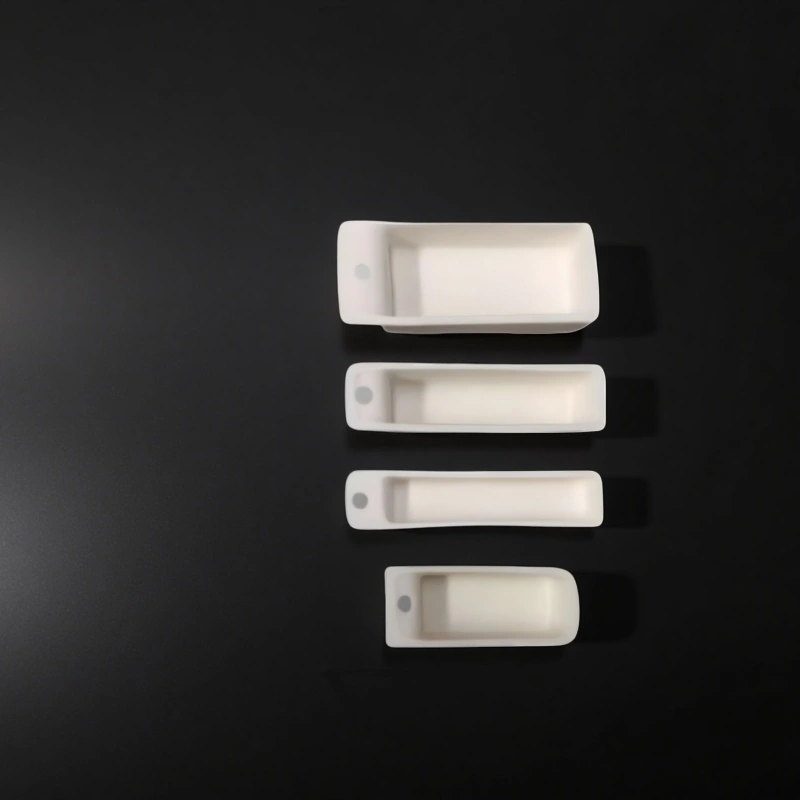
An alumina crucible with hole is a boat-shaped sample holder made of alumina ceramic (Al₂O₃), with one or more holes in the end, side wall or base. Users often call it an alumina boat with hole. The hole's job — gas entry, venting, positioning, draining or another purpose — depends on your drawing, equipment and test method.
Boat-shaped crucible with a hole
A boat-shaped alumina crucible with a hole, found by model number or outer size, or made to your drawing or old part.
Combustion method questions
For combustion-tube conditions and analyzer interface checks, see the alumina combustion boat with hole.
A different vessel
For boats without a hole, see alumina boats. For round or deep vessels, see alumina crucibles.
Alumina Crucible with Hole Specifications
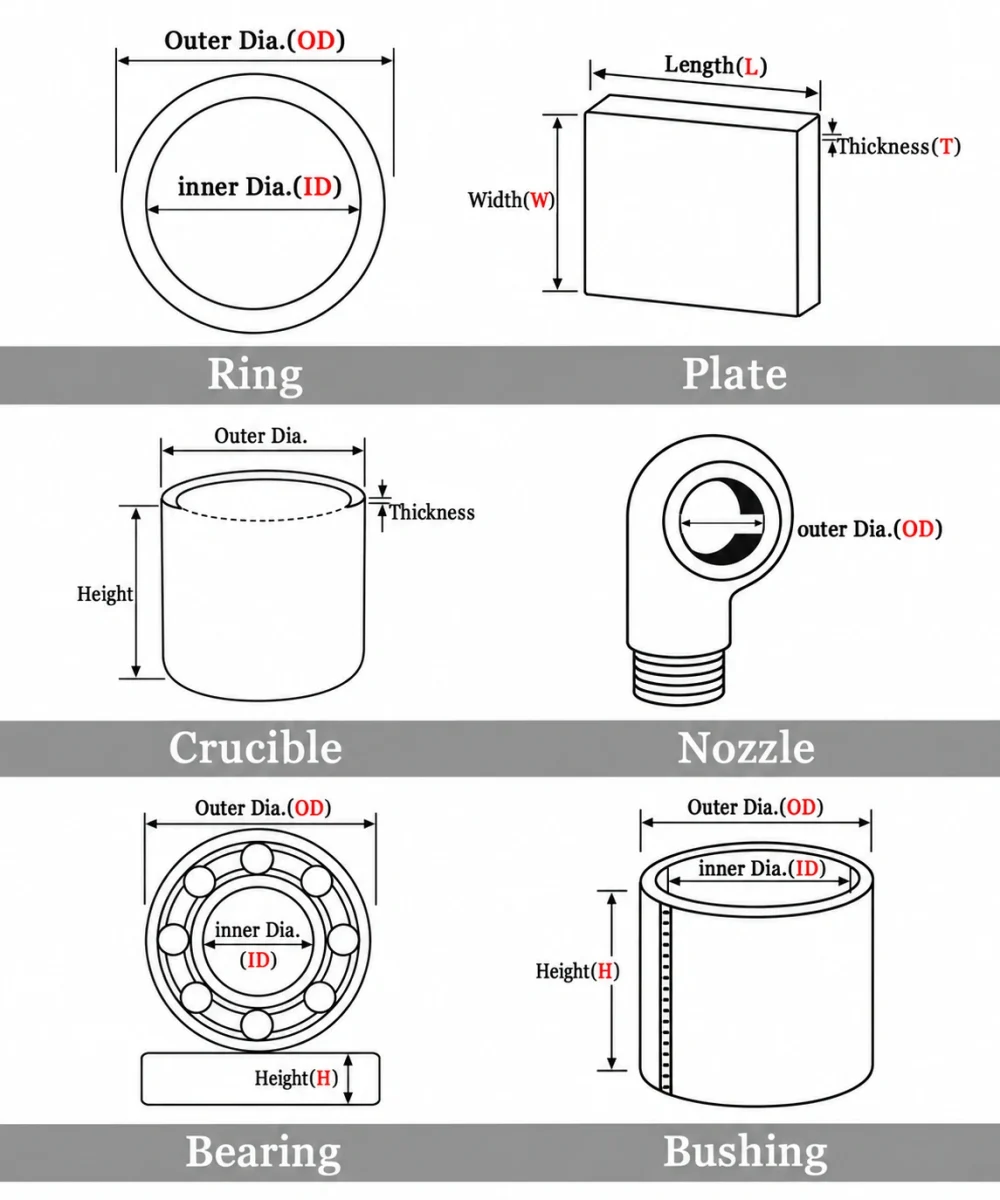
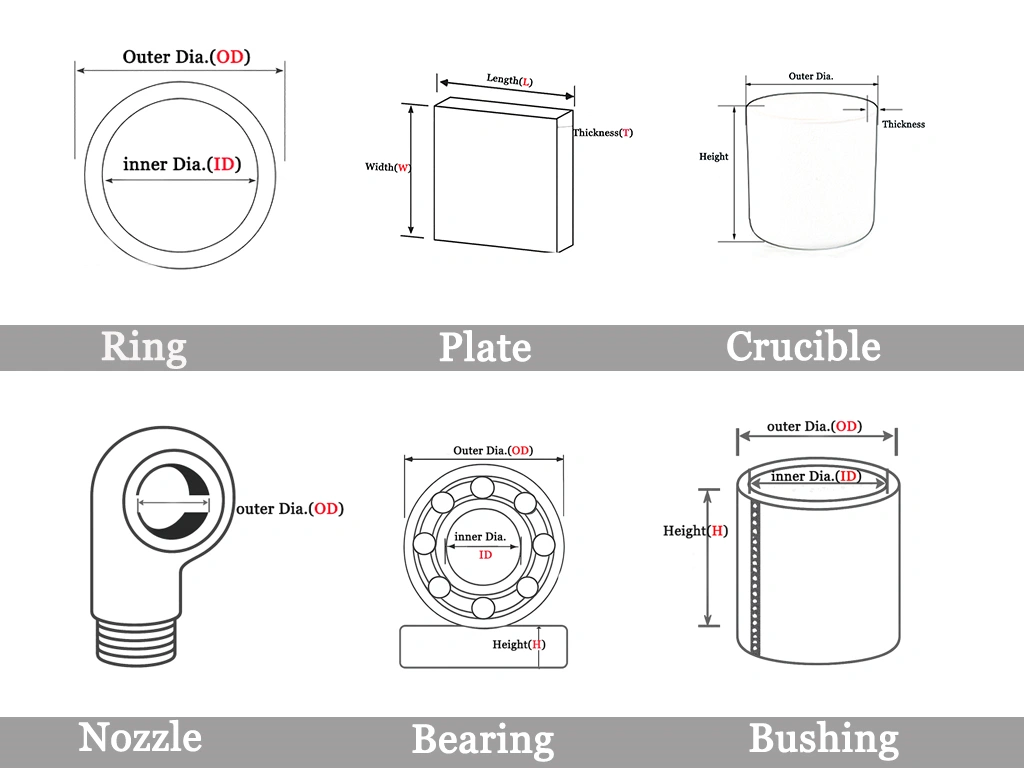
The table lists 26 model numbers of boat-shaped alumina crucibles with their outer length (L), width (W) and height (H) in millimeters. Use it to find your model number or to check whether a size fits your furnace tube, hot zone or sample holder.
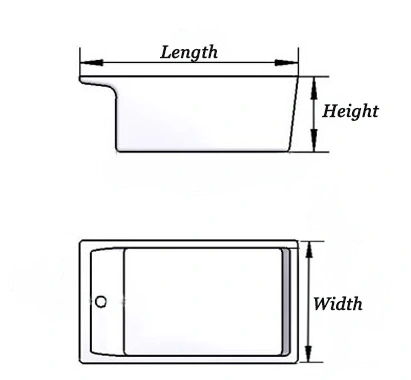
| Item NO. | length (mm) | width (mm) | height (mm) |
| TE-AS-071 | 100 | 84 | 35 |
| TE-AS-072 | 100 | 56 | 35 |
| TE-AS-073 | 100 | 43 | 26 |
| TE-AS-074 | 100 | 27 | 27 |
| TE-AS-075 | 100 | 24 | 17 |
| TE-AS-075-1 | 100 | 20 | 20 |
| TE-AS-075-2 | 100 | 27 | 27 |
| TE-AS-075-3 | 103 | 28 | 30 |
| TE-AS-075-4 | 100 | 43 | 25 |
| TE-AS-075-5 | 100 | 24 | 17 |
| TE-AS-075-6 | 100 | 27 | 25 |
| TE-AS-075-7 | 100 | 43 | 26 |
| TE-AS-075-8 | 100 | 56 | 35 |
| TE-AS-075-9 | 100 | 50 | 35 |
| TE-AS-075-10 | 100 | 56 | 35 |
| TE-AS-076 | 73 | 30 | 22 |
| TE-AS-076-1 | 73 | 30 | 22 |
| TE-AS-076-2 | 70 | 30 | 22 |
| TE-FA-001 | 300 | 70 | 30 |
| TE-FA-002 | 200 | 80 | 35 |
| TE-FA-003 | 200 | 11 | 12 |
| TE-FA-004 | 105 | 23 | 20 |
| TE-FA-005 | 100 | 30 | 25 |
| TE-FA-006 | 90 | 10 | 10 |
| TE-FA-007 | 80 | 30 | 20 |
| TE-FA-008 | 88 | 12 | 10 |
A model number and its outer size do not by themselves define the hole, cross-section, inside space, grade or stock status. Those are confirmed in the quote.
Defined by your drawing or old part
| Item | What to specify | Why it matters |
|---|---|---|
| Outer size | L × W × H and tolerance | Fit in the furnace tube, hot zone or loader |
| Inside space | Inside length, width, depth and corner radius | Sample amount and fill height |
| Wall and base | Wall thickness, base thickness, rim and end shape | Strength near the hole and heat-up behavior |
| Hole | Count, diameter, center position, axis direction, through or blind, edge finish | Gas path, venting, positioning or draining |
| Loading | Loading direction, push rod or fixture contact, lid if any | Smooth insertion and removal |
| Grade | Alumina grade and contamination limits | Sample compatibility and blank values |

Alumina Ceramic Boats with Hole Properties
The values below are typical data for six dense sintered alumina grades. They help you choose a grade. They are not a rating for a finished crucible, because hole size, wall thickness, sample, atmosphere and heating cycle all change how the part behaves.
| Property | Unit | AD-ALU-999 | AD-ALU-997 | AD-ALU-995 | AD-ALU-990 | AD-ALU-960 | AD-ALU-950 |
|---|---|---|---|---|---|---|---|
| Al₂O₃ content | Wt%, nominal | 99.90 | 99.70 | 99.50 | 99.00 | 96 | 95 |
| Bulk density | g/cm³ | 3.94 | 3.94 | 3.90–3.92 | 3.80–3.91 | 3.70 | 3.75 |
| Flexural strength | MPa, 20 °C | 315–340 | 330 | 320–350 | 300–320 | 300 | 280 |
| Thermal conductivity | W/(m·K) | 35–42 at 25 °C | 35–40 at 25 °C | 30–38 at 25 °C | 24 at 25 °C | 25 at 20 °C | 18–25 at 25 °C |
| Thermal expansion | 10⁻⁶/K | 7.6 (25–800 °C) | 7.6 (25–800 °C) | 7.6 (25–800 °C) | 7.2 (25–800 °C) | 8.2 (25–1000 °C) | 7.6 (25–800 °C) |
| Water absorption | % | ≤0.01 | ≤0.05 | ≤0.10 | ≤0.10 | ≈0 | ≤0.20 |
| Service temperature guide | °C, depends on use | 1750 | 1700 | 1650 | 1600 | 1600 max. in air | 1400 |
| Color | — | Ivory | Ivory | Ivory | Ivory | White | Ivory / white |
Typical values, not batch test results or guaranteed minimums. Test methods and report conditions can be agreed in the quote.
How to Choose an Alumina Crucible with Hole
- Fit. Measure the furnace tube inside diameter, hot zone length and loader clearance. Pick a model number or give a maximum L × W × H.
- Hole. Decide what the hole must do. Mark the hole count, diameter, position and direction on your drawing or old part.
- Sample. Note the sample type, amount and any flux or additive. Check whether it can melt, stick or flow into the hole.
- Heating cycle. Give the peak temperature, hold time, heating and cooling rates, atmosphere and gas flow.
- Grade and checks. Choose a grade by your contamination limit. Agree on the dimensions and hole checks for the first sample order.
| Material | General strengths | General limits |
|---|---|---|
| Alumina ceramic | High service temperature, hard, chemically stable with many oxide samples | Can crack under fast temperature change; some fluxes and alkaline melts attack it |
| Fused quartz | Very good thermal shock resistance, clear, low metal content | Lower service temperature than alumina; softens and can devitrify at high heat |
| Metal boats (e.g. nickel alloy) | Not brittle, easy to handle | Oxidizes at high temperature; can react with or add metals to the sample |
Packaging for Alumina Ceramic Crucibles with Hole
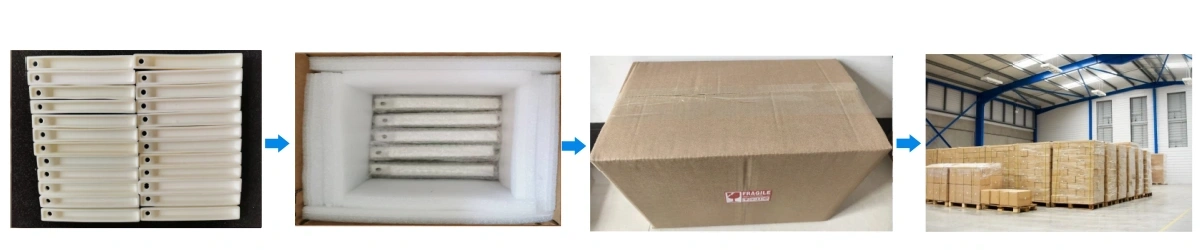
- Individual protection: each crucible and lid separated to prevent chipping during transit
- Foam + carton structure: rigid cushioning around rims and lids (common damage points)