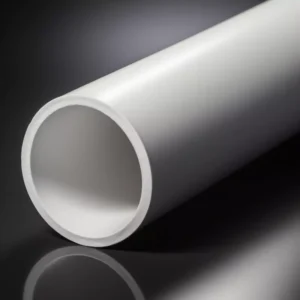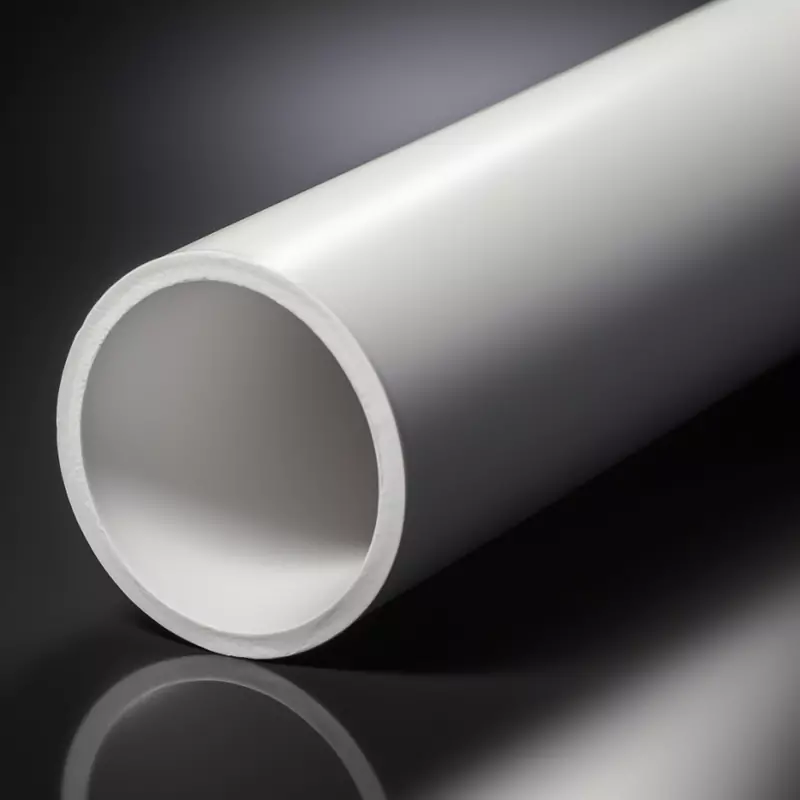
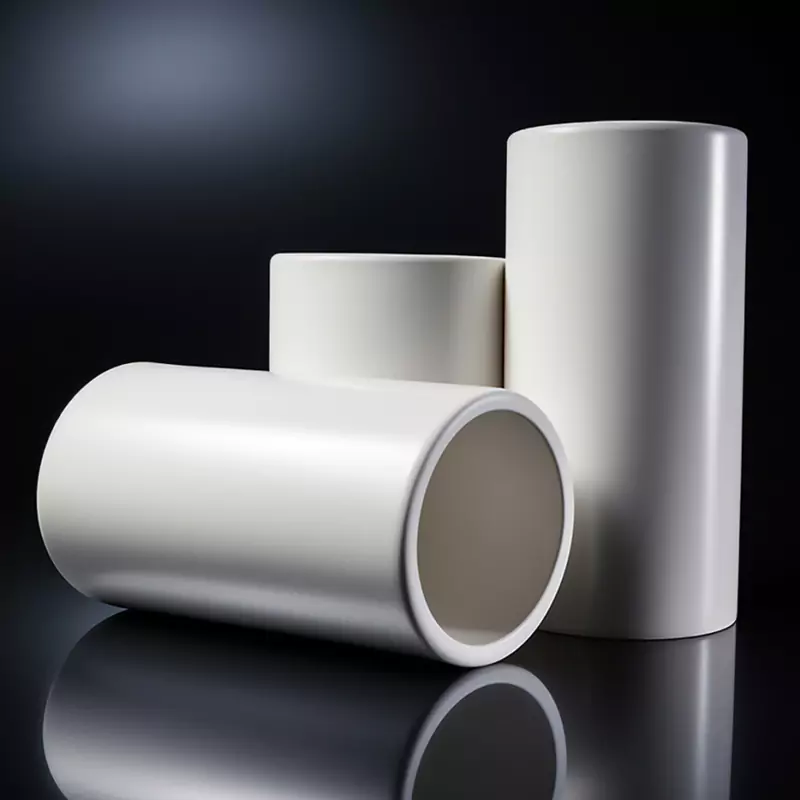
What Is a YSZ Zirconia Tube Open Both Ends?
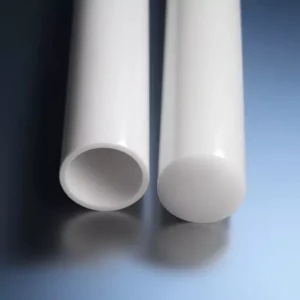
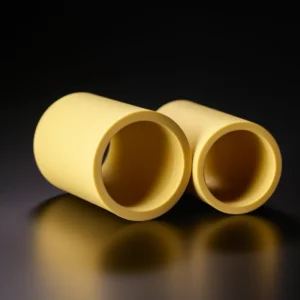
A YSZ zirconia tube open both ends is a dense yttria stabilized zirconia ceramic tube with an unobstructed bore running through the full length of the part. Compared with standard alumina tubes, YSZ zirconia tubes are often selected when the application requires higher fracture toughness, wear resistance, chemical stability or dimensional reliability under demanding operating conditions.
The open-both-ends structure makes the tube suitable for gas flow paths, sensor protection, thermocouple sheaths, furnace fixtures, laboratory reactors and custom ceramic sleeves. For demanding assemblies, OD, ID, wall thickness, length, end finish and surface condition should be reviewed together before production.
Key Engineering Advantages of YSZ Zirconia Tubes
YSZ zirconia tubes are selected when ceramic tubing must provide a balance of toughness, wear resistance, chemical stability and dimensional control. Compared with many standard ceramic tube materials, YSZ can be a better fit for assemblies exposed to vibration, handling stress, abrasion or demanding installation conditions.
- High fracture toughness helps reduce the risk of crack growth during handling, assembly and thermal cycling.
- Dense zirconia structure supports chemical stability and helps limit open porosity in suitable environments.
- High hardness helps resist abrasion from particles, sliding contact or internal components.
- Controlled OD, ID and wall thickness help improve fit in thermocouple, sensor, reactor and furnace assemblies.
- Custom processing options allow buyers to review tube length, bore condition, end finish, chamfering and surface requirements before quotation.
YSZ Zirconia Tube Technical Properties and Selection Notes
The Yttria Stabilized Zirconia Tube Open Both Ends delivers measurable reliability through precise physical, chemical, and mechanical properties. This section highlights the verified technical data and connects directly to the detailed parameter table and the available size specifications.
| Parameter | Current Page Value | What It Means for Engineering Use |
|---|---|---|
| Material System | Yttria Stabilized Zirconia, YSZ / ZrO₂-Y₂O₃ | This material system helps stabilize zirconia and improves toughness compared with unstabilized zirconia. It is suitable for applications where crack resistance and chemical stability are important. |
| Density | 5.65–6.05 g/cm³ | Higher density indicates a compact ceramic structure, which helps reduce open porosity and supports better mechanical integrity in demanding environments. |
| Thermal Conductivity | 3 W/m·K | Low thermal conductivity helps moderate heat transfer through the tube wall, which can be useful in furnace, sensor and thermal-control assemblies. |
| Thermal Expansion | 1.0 × 10⁻⁵ /°C | This value helps engineers estimate fit, clearance and expansion allowance when the tube is assembled with metal, graphite or other ceramic parts. |
| Maximum Service Temperature | Up to 1000°C | This should be treated as a reference value. Actual suitability depends on atmosphere, load, thermal cycling, wall thickness and support method. |
| Bending Strength | 480–1000 MPa | Bending strength helps evaluate resistance to fixture load, handling stress and installation force. Final design should still avoid point loading and misalignment. |
| Compressive Strength | 1600–2300 MPa | This is useful for sleeves, protective tubes and supported assemblies where the ceramic part may experience clamping or axial pressure. |
| Fracture Toughness | 6–8 MPa·m½ | YSZ is often selected over alumina when the application needs better resistance to crack growth under vibration, handling or thermal cycling. |
| Hardness | 1200–1450 HV1 | High hardness helps resist abrasion from particles, sliding contact or flow-related wear, especially in sensor, sleeve and guide applications. |
Standard and Custom Size Options for YSZ Zirconia Tubes
The following YSZ zirconia tube sizes are reference options for open-both-ends tube selection.
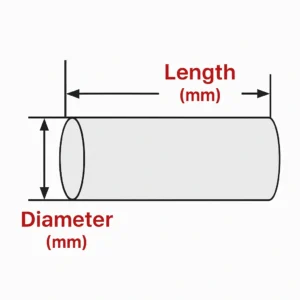
| Model | Outer Diameter (mm) | Inner Diameter (mm) | Length (mm) |
| AT-YHG-G001 | 0.7 | 0.3 | ≤100 |
| AT-YHG-G002 | 0.8 | 0.4 | |
| AT-YHG-G003 | 0.9 | 0.4 | |
| AT-YHG-G004 | 1 | 0.5 | ≤300 |
| AT-YHG-G005 | 1.1 | 0.6 | |
| AT-YHG-G006 | 1.2 | 0.6 | |
| AT-YHG-G007 | 1.3 | 0.7 | |
| AT-YHG-G008 | 1.4 | 0.8 | |
| AT-YHG-G009 | 1.5 | 0.8 | |
| AT-YHG-G010 | 2.0 | 1.0 | ≤500 |
| AT-YHG-G011 | 3.0 | 1.5 | |
| AT-YHG-G012 | 3.0 | 2.0 | |
| AT-YHG-G013 | 4.0 | 2.0 | |
| AT-YHG-G014 | 4.0 | 3.0 | |
| AT-YHG-G015 | 5.0 | 3.0 | |
| AT-YHG-G016 | 5.0 | 3.5 | |
| AT-YHG-G017 | 6.0 | 4.0 | |
| AT-YHG-G018 | 7.0 | 4.5 | |
| AT-YHG-G019 | 8.0 | 4.0 | |
| AT-YHG-G020 | 8.0 | 5.0 | |
| AT-YHG-G021 | 9.0 | 6.0 | |
| AT-YHG-G022 | 10.0 | 4.0 | |
| AT-YHG-G023 | 10.0 | 6.0 | |
| AT-YHG-G024 | 10.0 | 7.0 | |
| AT-YHG-G025 | 12.0 | 4.0 | ≤600 |
| AT-YHG-G026 | 12.0 | 8.0 | |
| AT-YHG-G027 | 14.0 | 4.0 | |
| AT-YHG-G028 | 14 | 10 | |
| AT-YHG-G029 | 15 | 11 | |
| AT-YHG-G030 | 16 | 12 | |
| AT-YHG-G031 | 18 | 14 | |
| AT-YHG-G032 | 17.5 | 11.1 | |
| AT-YHG-G033 | 20 | 15 | |
| AT-YHG-G034 | 25 | 19 | |
| AT-YHG-G035 | 30 | 25 | |
| AT-YHG-G036 | 40 | 30 | |
| AT-YHG-G037 | 44 | 38 | |
| AT-YHG-G038 | 50 | 40 | |
| AT-YHG-G039 | 60 | 50 | |
| AT-YHG-G040 | 70 | 60 | |
| AT-YHG-G041 | 80 | 70 | |
| AT-YHG-G042 | 90 | 80 | |
| AT-YHG-G043 | 100 | 90 |

How to Choose YSZ Zirconia Tube vs Alumina or MSZ Tube
| Material Option | Better Fit When | Main Buyer Consideration |
|---|---|---|
| YSZ Zirconia Tube | The application needs high toughness, wear resistance, dense structure and stable bore geometry. | Choose YSZ when crack resistance, abrasion resistance or sensor protection is more important than lowest cost. |
| Alumina Tube | The application needs electrical insulation, high-temperature use and cost-effective standard ceramic tubing. | Choose alumina when the environment is less mechanically demanding and budget control is important. |
| MSZ Zirconia Tube | The application requires a different stabilized zirconia behavior or specific thermal/mechanical balance. | Review MSZ when the operating environment favors magnesia-stabilized zirconia over YSZ. |
| Silicon Nitride Tube | The application involves thermal shock, non-ferrous metal contact or severe high-temperature mechanical stress. | Consider silicon nitride when thermal shock and mechanical impact are more important than zirconia’s density and wear profile. |
Packaging and Inspection for YSZ Zirconia Tubes
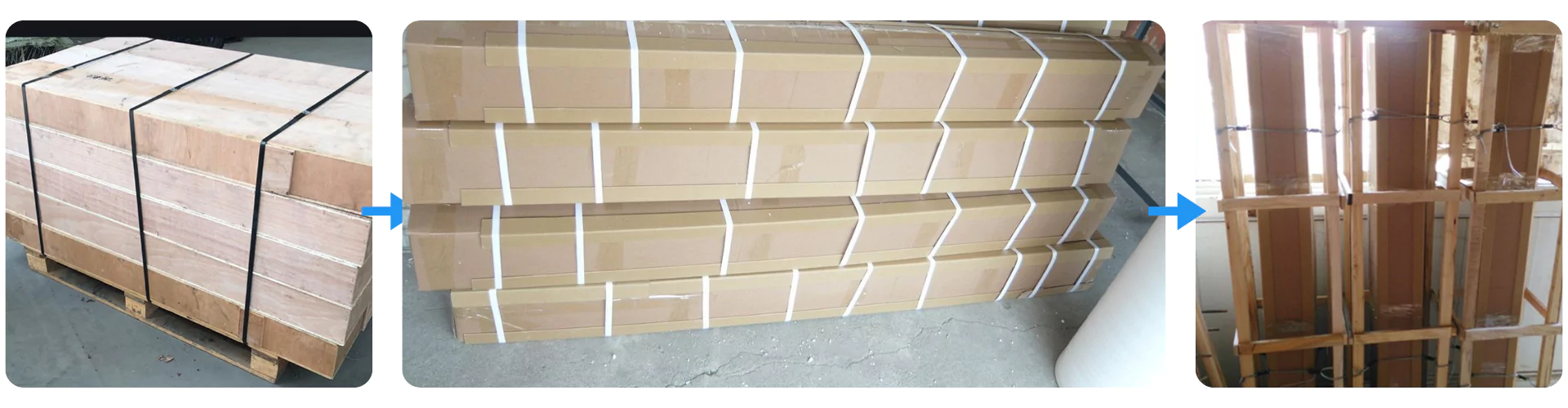
YSZ zirconia tubes require careful separation, cushioning and outer protection during shipment. ADCERAX packs each order according to tube size, wall thickness, quantity and delivery route to help reduce scratches, edge chips and vibration damage.