Engineering Guides for Advanced Ceramic Components
Practical articles on material selection, operating conditions, failure prevention, and RFQ preparation for alumina, zirconia, silicon carbide, and boron nitride ceramics — written for engineers and industrial buyers.
Content reviewed by the ADCERAX engineering team
Product catalog
Download the ADCERAX Ceramics Catalog
Materials, product forms, and manufacturing capabilities in one PDF — a quick reference for material selection and RFQ preparation.
Unexpected surface roughening and strength loss can arrive quietly; consequently, unrecognized degradation triggers microcracking, performance drift, and premature fracture in
High mechanical loads, brittle failure risks, and long-term reliability often limit material choices in demanding engineering systems. Consequently, zirconia ceramic
High-performance ceramics frequently fail when property assumptions oversimplify real conditions; consequently, zirconia ceramics demand a precise property-level understanding to avoid
High-performance engineering systems often fail at the material–component interface; therefore, advanced ceramics increasingly define reliability limits in real industrial equipment.
Ceramic components can fail abruptly under heat and stress; consequently, zirconia demanded decades of scientific corrections before dependable service became
High-duty industrial systems frequently fail when conventional materials reach mechanical, thermal, or chemical limits. Consequently, zirconia ceramic material emerges where
Zirconia ceramic is zirconium dioxide (ZrO₂)-based engineered ceramic—most often yttria-stabilized (Y-TZP or PSZ)—selected when fracture toughness, wear, or sealing durability
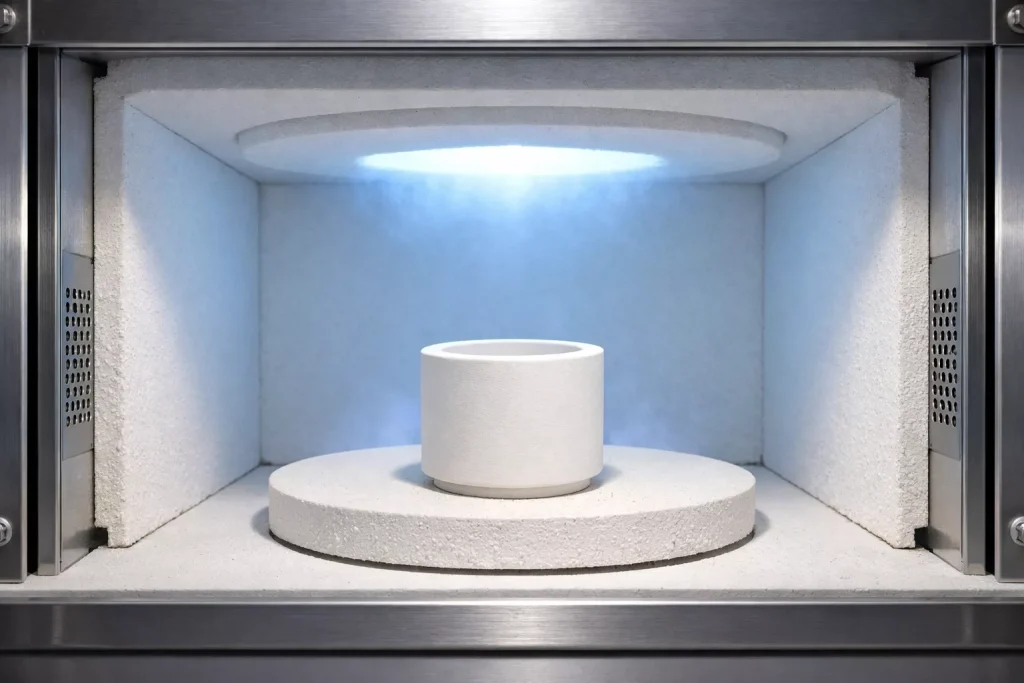
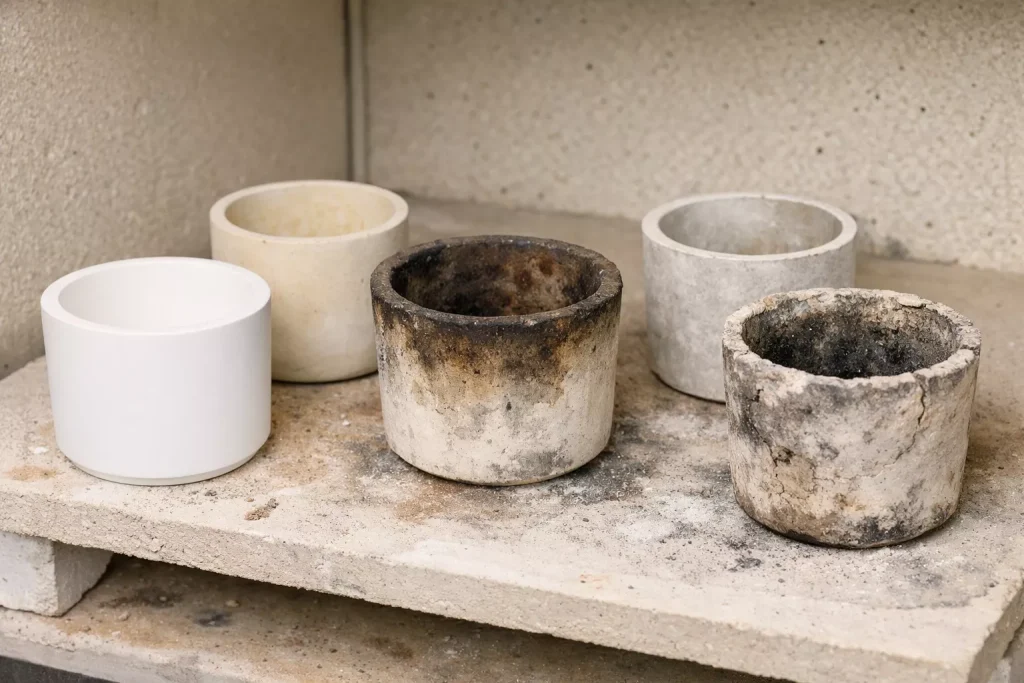
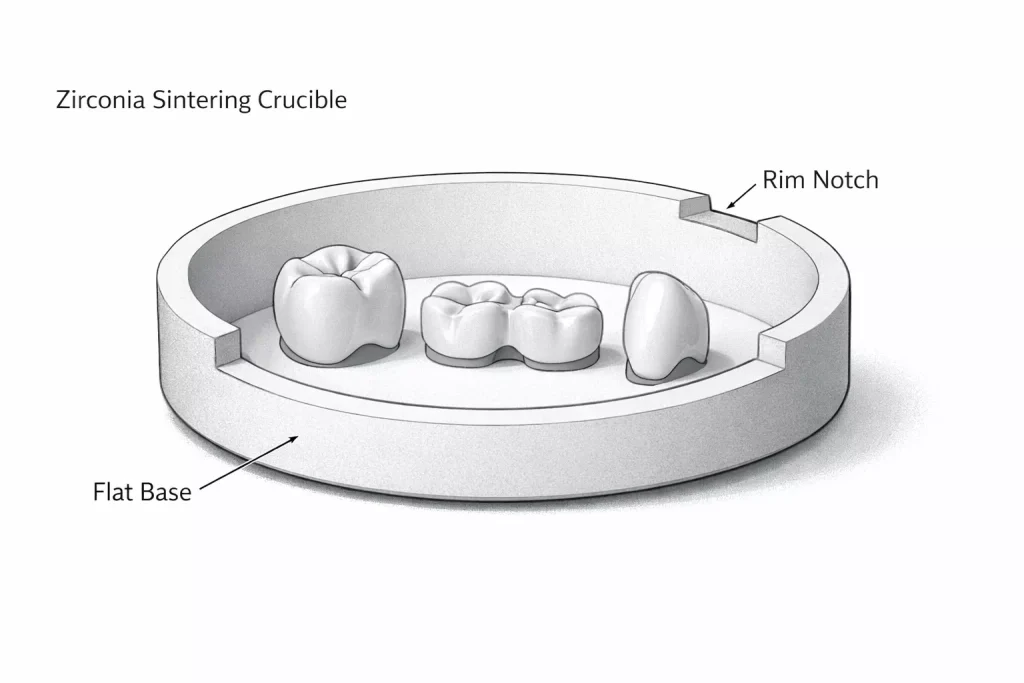
Material Safety Behavior of Zirconia Sintering Crucible High-temperature zirconia crucibles may appear inert; however, hidden material interactions can compromise furnace
High-temperature zirconia sintering crucibles often appear durable during early use; however, progressive degradation silently accumulates until sudden failure disrupts furnace
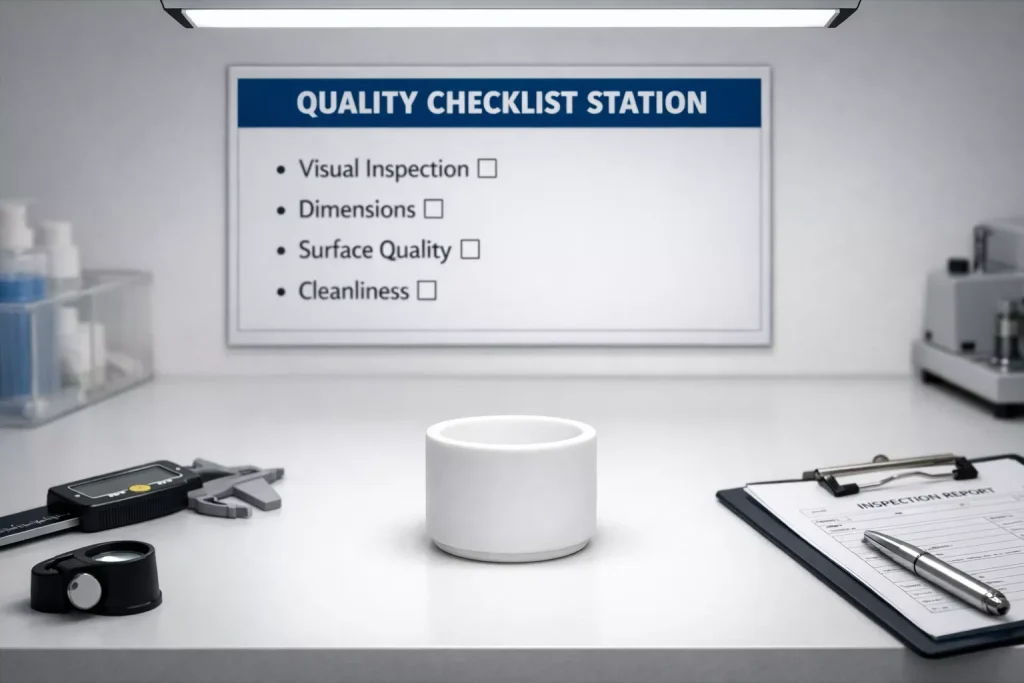
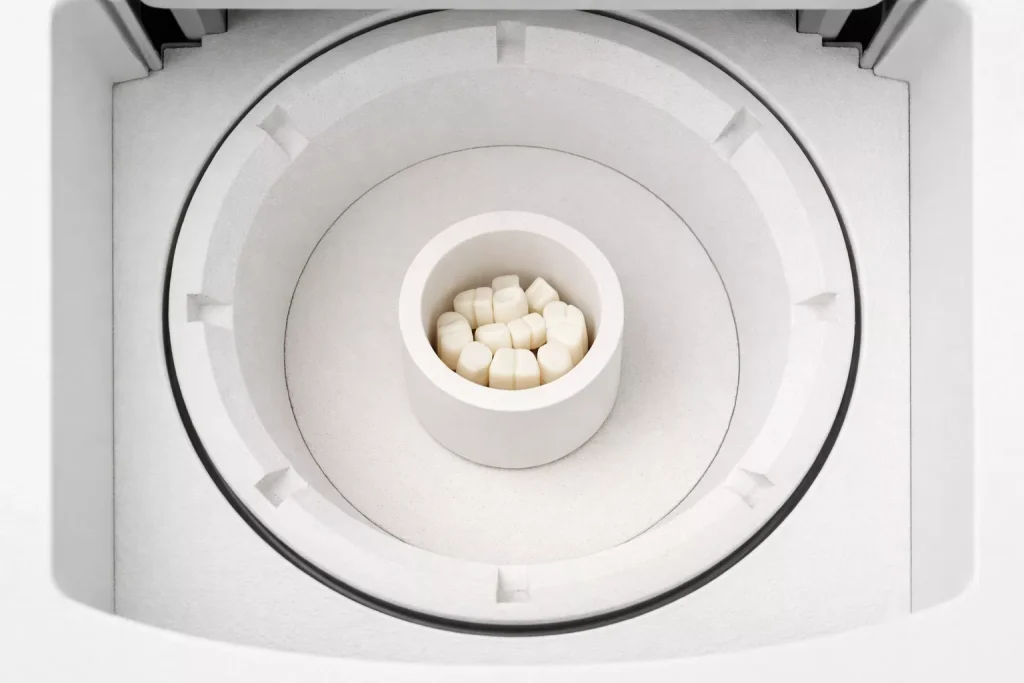
Unstable zirconia sintering results often originate from unnoticed crucible quality variation; consequently, surface defects, contamination, and dimensional drift accumulate until
Unexpected defects in zirconia firing often appear without warning; consequently, yield drops, rework increases, and root causes remain disputed across
Poor sintering outcomes often originate before firing begins; consequently, unnoticed incompatibility between crucible and furnace quietly undermines dimensional accuracy, surface
Zirconia crucibles often fail not because of material limits, but because thermal and operational conditions exceed implicit assumptions. Consequently, failure
Alumina Ceramic Parts often fail quietly; meanwhile, thermal gradients, voltage stress, and corrosive vapors accumulate until downtime becomes unavoidable. Consequently,
Alumina Ceramic Parts often fail quietly before a machine alarms. Consequently, unchecked wear, contamination, and drift accumulate until throughput or
Alumina Ceramic Parts are frequently introduced into precision systems only after metals begin to compromise dimensional integrity, measurement repeatability, or
Black Alumina Ceramic is increasingly specified when chemical processing equipment faces thermal instability, corrosive attack, and electrical leakage, which collectively
Industrial optical assemblies often fail electrically before they fail mechanically. Consequently, Black Alumina Ceramic becomes a decisive insulating material when
Alumina Rod failures in high-temperature equipment rarely occur suddenly; instead, they accumulate silently until thermal stability, insulation integrity, or structural
Alumina Substrate thickness is often selected too late in design cycles; consequently, hidden electrical and mechanical risks emerge. Therefore, early...
Alumina Substrate decisions often begin under uncertainty, where material failure risks, thermal limits, and long-term stability remain unclear during early...
Alumina Substrate Properties define whether electronic systems endure thermal stress or fail prematurely. Consequently, overlooking material behavior often results in...
Send your drawing, material requirement, dimensions, tolerance, and working conditions. Our engineering team reviews manufacturability before quotation.