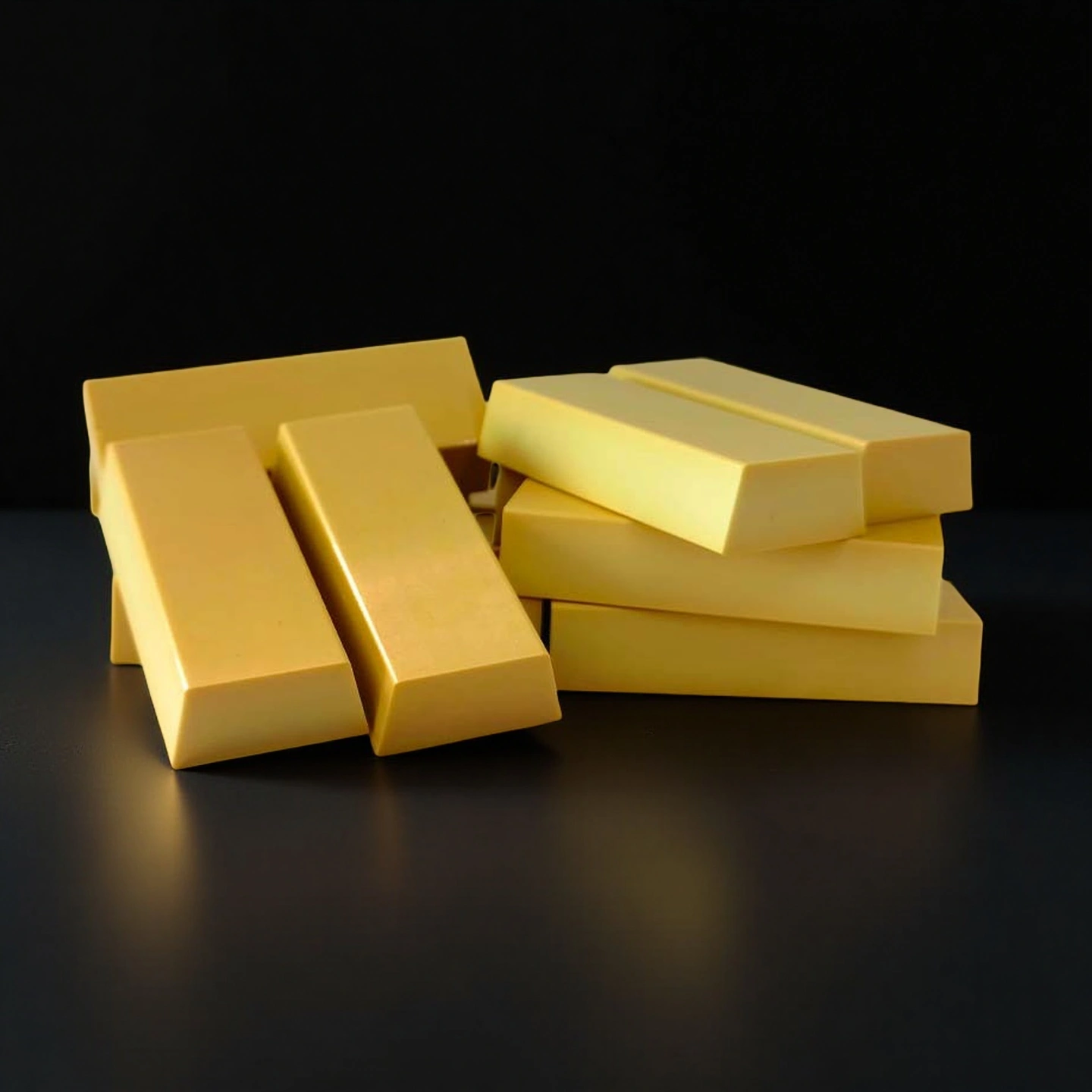
Custom MSZ Ceramic Plate for High-Temperature and Wear-Resistant Components

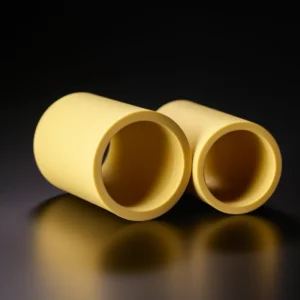
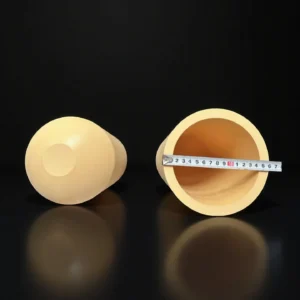
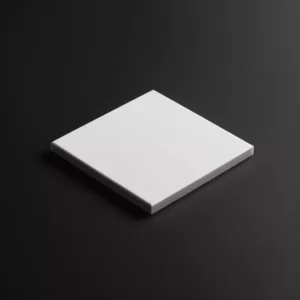
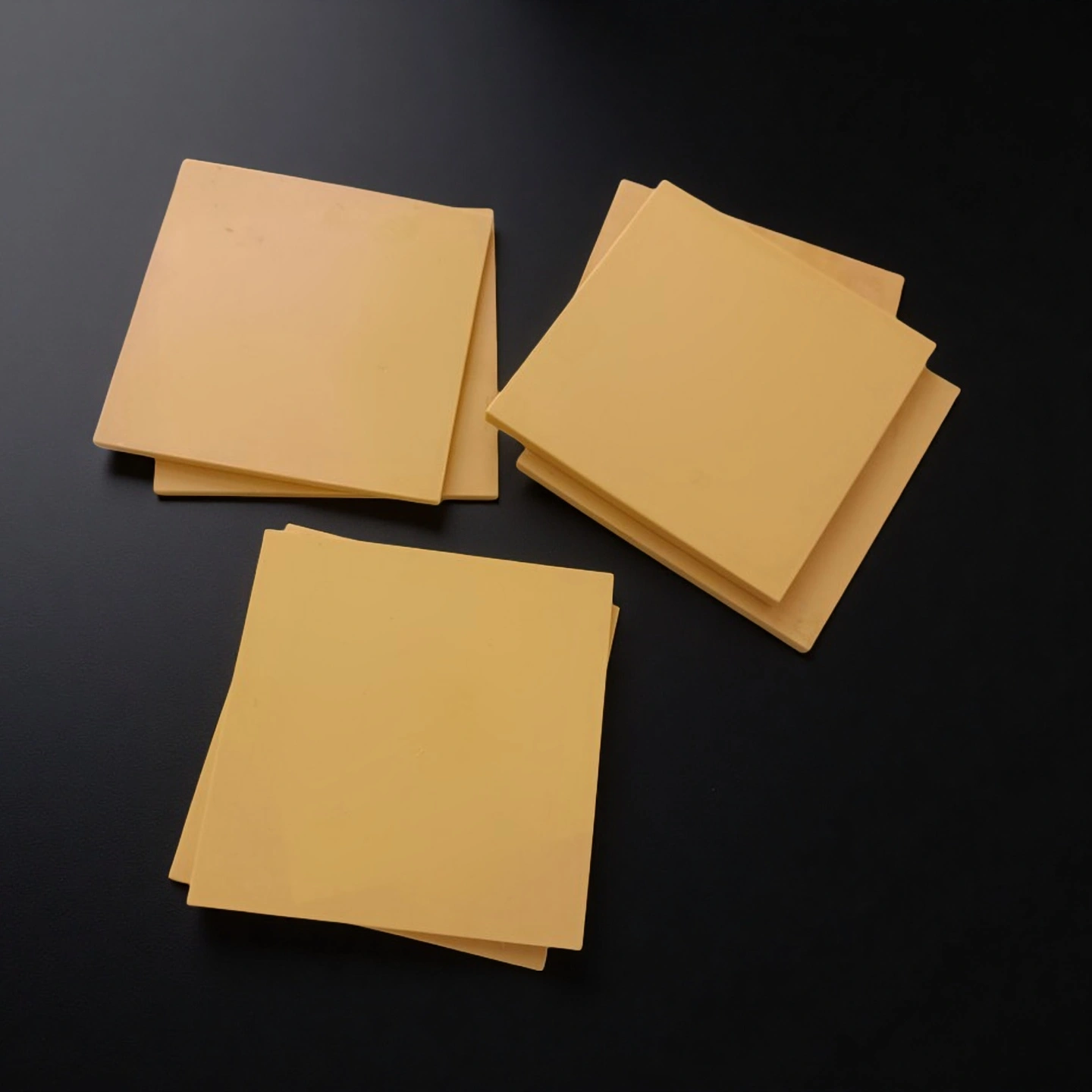
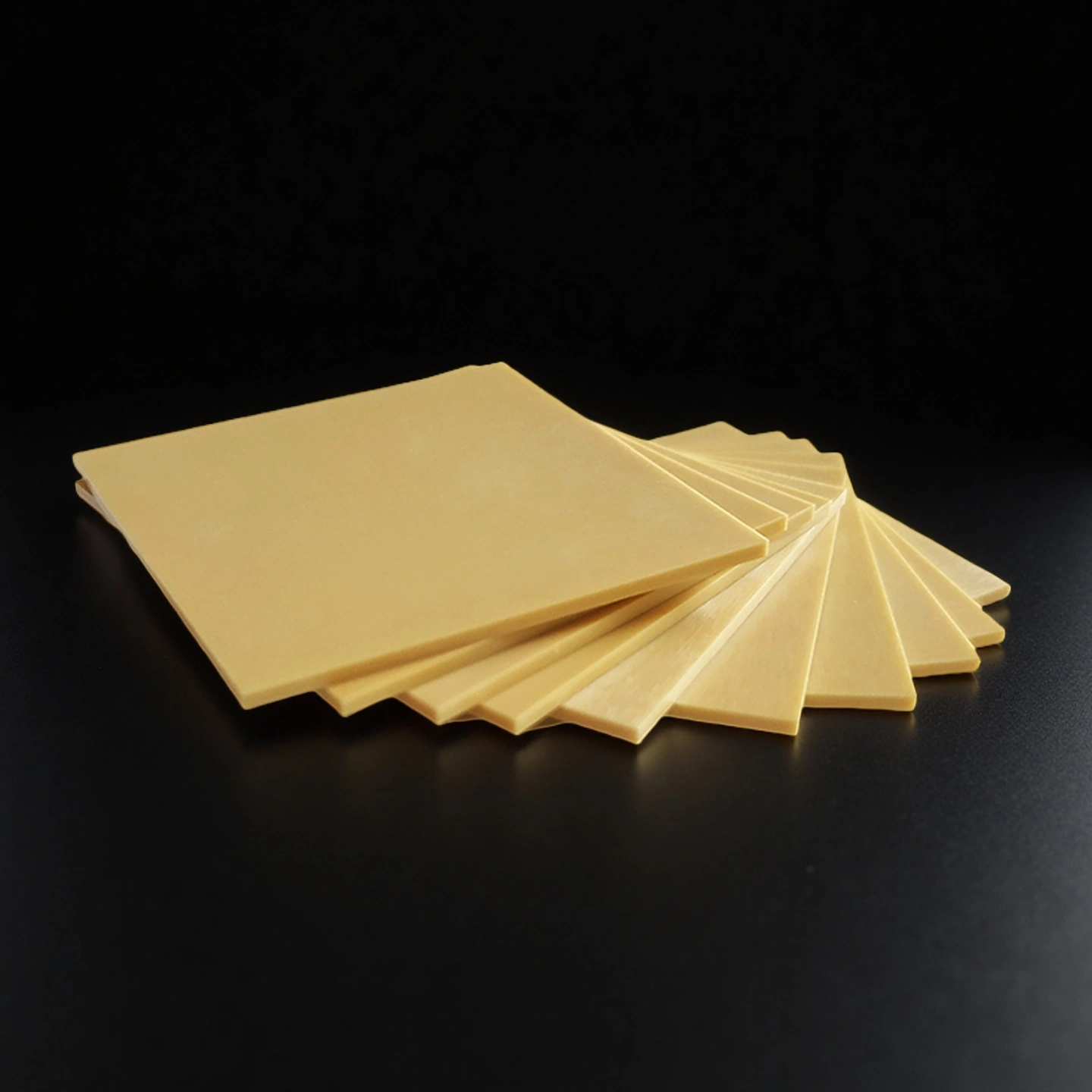
ADCERAX supplies custom MSZ ceramic plates made from magnesia stabilized zirconia for high-temperature fixtures, wear-resistant supports, insulation bases and chemical-contact components. Plates can be produced according to drawings, samples or application requirements, including custom length, width, thickness, holes, slots, chamfers, surface finish and flatness control.

Catalogue No. AT-MG-B001
Material Magnesia Stabilized Zirconia (MgO-ZrO₂) Ceramic
Compressive Strength >2000 MPa — suitable for compression-loaded support designs
Thermal Stability >1000°C — applicable to selected high-temperature fixture conditions
Volume Resistivity >10⁸ Ω·cm — supports electrical insulation review in industrial assemblies
Engineering RFQ Review
Small-Batch Custom Support
Factory-Direct Manufacturing
Drawing & Process Review

What is an MSZ Ceramic Plate?

MSZ ceramic plate is a magnesia stabilized zirconia plate designed for applications that require higher toughness, wear resistance and thermal stability than many conventional oxide ceramics. The MgO-stabilized zirconia structure helps the plate maintain mechanical integrity in demanding thermal, mechanical and chemical environments.

ADCERAX supplies MSZ plates for custom industrial components, furnace fixtures, insulation bases, mechanical supports, wear plates and chemical-contact ceramic parts. Final material grade, dimensions and surface requirements should be reviewed according to the operating temperature, load direction, contact media and assembly design.

Key Engineering Advantages of MSZ Ceramic Plate

Mechanical Support Under Load

MSZ ceramic plate offers high toughness and good resistance to crack propagation. It is suitable for support plates, spacers and structural ceramic parts exposed to compression, contact stress or repeated assembly load.

High-Temperature Fixture Use

MSZ ceramic plate can be used for furnace supports, thermal spacers and sintering fixtures where dimensional stability is important. Final selection should consider heating rate, cooling rate, plate thickness and fixture design.

Wear-Resistant Contact Surfaces

Dense zirconia structure helps MSZ ceramic plate resist abrasion in sliding, guiding and support applications. Surface finish and flatness should be specified when precision contact is required.

Electrical Insulation Support

MSZ ceramic plate can serve as an insulating ceramic base in selected high-temperature or harsh industrial assemblies. Voltage, humidity, temperature and creepage distance should be confirmed before final design.

Chemical-Contact Parts

Stabilized zirconia can be considered for corrosive or reactive environments where metal or polymer parts may degrade. Compatibility should be checked according to the exact acid, alkali, solvent or salt exposure.

Custom Mechanical Design

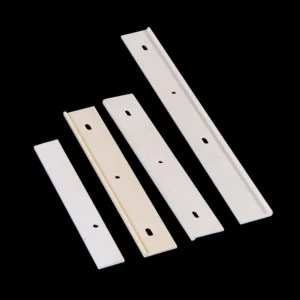
MSZ ceramic plates can be machined with holes, slots, chamfers, steps and special profiles. Drawings are recommended for tolerance, edge design and machining feasibility review.

Technical Properties for Magnesia Stabilized Zirconia Ceramic Plate

Magnesia Stabilized Zirconia Ceramic Plate is formulated for high mechanical integrity, thermal endurance, and chemical inertness in aggressive operating environments. Its dense microstructure and stabilized phase composition enable consistent performance in structural and insulating roles across thermal, mechanical, and corrosive applications.

Property Specification Explanation
Bulk Density 5.45 g/cm³ This indicates a dense zirconia structure suitable for mechanical support and wear-resistant ceramic plate applications.
Water Absorption 0.00% Low water absorption helps maintain dimensional stability in humid, insulating or chemical-contact environments.
Vickers Hardness (HV0.5) >1200 HV High hardness supports abrasion resistance on sliding, guiding or contact surfaces.
Flexural Strength >250 MPa This helps the plate resist bending stress, but final performance depends on thickness, span and loading method.
Compressive Strength >2000 MPa High compressive strength makes MSZ suitable for support plates, spacers and compression-loaded ceramic parts.
Fracture Toughness (KIC) >7 MPa·m¹/² Higher toughness helps reduce crack propagation compared with many brittle ceramic materials.
Maximum Operating Temperature >1000°C, oxidizing atmosphere This supports use in selected high-temperature fixtures, but heating rate and thermal cycling should be reviewed.
Thermal Conductivity (25°C) 2.5 W/m·K Low thermal conductivity is useful where thermal isolation or heat-transfer control is required.
Thermal Expansion (RT–1000°C) 9.8 × 10⁻⁶/K Thermal expansion should be considered when MSZ is assembled with metals or other ceramic materials.
Volume Resistivity (25°C) >10⁸ Ω·cm This supports electrical insulation use in selected industrial and high-temperature assemblies.
Dielectric Strength >10 kV/mm Good dielectric strength makes the plate suitable for insulating bases and electrical support components.
Magnetic Susceptibility <10⁻⁶ cm³/g, non-magnetic Non-magnetic behavior is useful for instruments, sensors and assemblies sensitive to magnetic interference.
Acid Resistance (H₂SO₄, 10%, 72 h) Weight loss <0.05% This indicates good resistance to dilute sulfuric acid under the listed test condition.
Alkali Resistance (NaOH, 10%, 72 h) Weight loss <0.04% This indicates good resistance to dilute sodium hydroxide under the listed test condition.
Phase Composition Tetragonal + Cubic, MgO-stabilized The stabilized zirconia phase structure supports toughness, stability and engineering performance in MSZ ceramic plates.

The above values are reference data for material selection. Final properties, tolerance and application suitability should be confirmed according to the required grade, geometry, processing route and working conditions.

Standard Size MSZ Ceramic Plate Options

Magnesia Stabilized Zirconia Ceramic Plate
Item No. Length(mm) Width(mm) Thickness(mm)
AT-MG-B001 60 40 10
AT-MG-B002 65 65 3
AT-MG-B003 80 50 5
AT-MG-B004 100 50 3
AT-MG-B005 100 60 5
AT-MG-B006 100 100 10

Standard sizes are for early selection only. ADCERAX can review custom MSZ ceramic plates from drawings, samples or application requirements, including non-standard sizes, holes, slots, chamfers, grinding and polishing.


Packaging and Protection of Magnesia Stabilized Zirconia Ceramic Plate

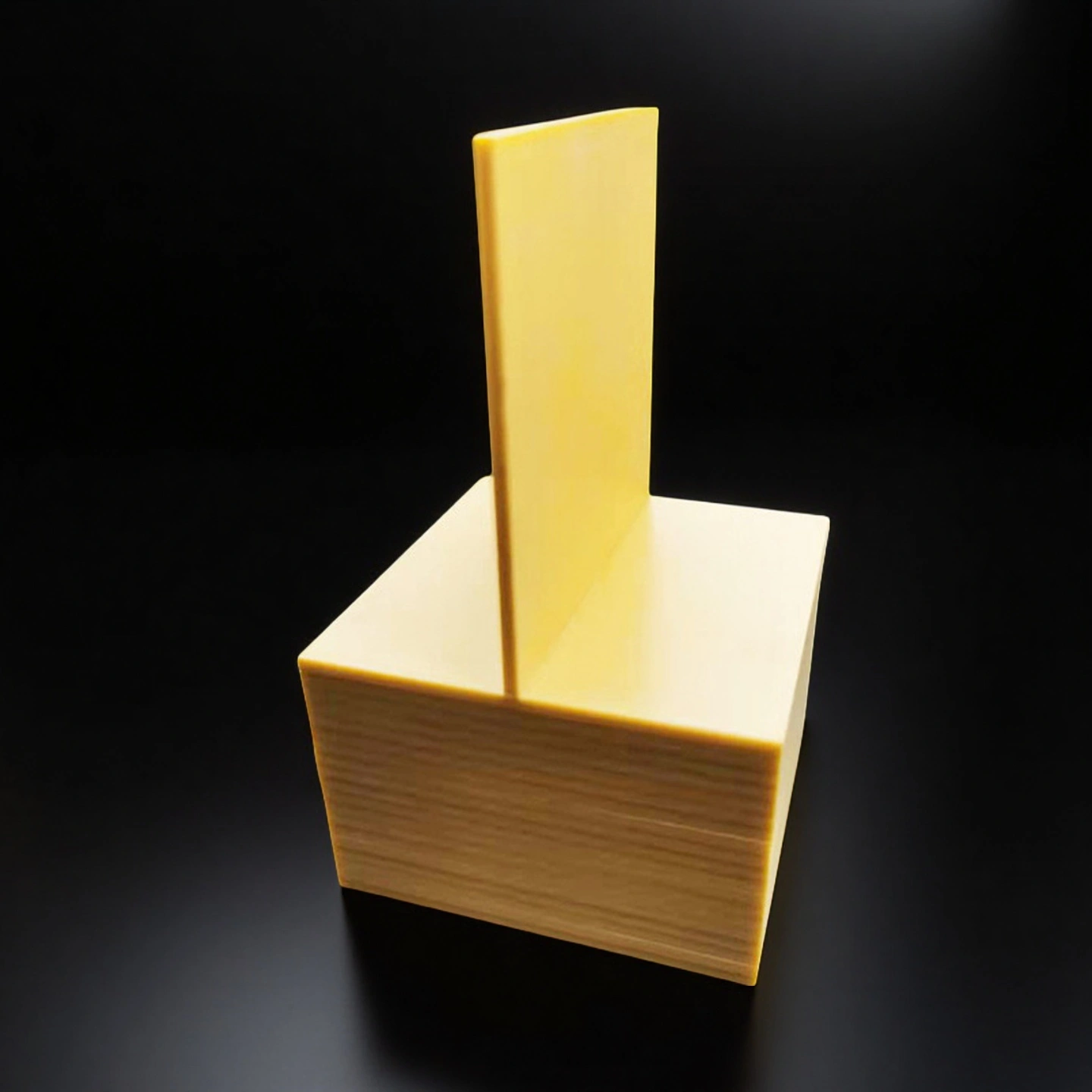
Magnesia Stabilized Zirconia MSZ Ceramic Plate is securely packed using foam-lined cartons for individual protection. Multiple units are stacked with interleaved corrugated layers to prevent edge chipping during handling. Export-grade fumigated wooden crates are used to ensure safe international transport.
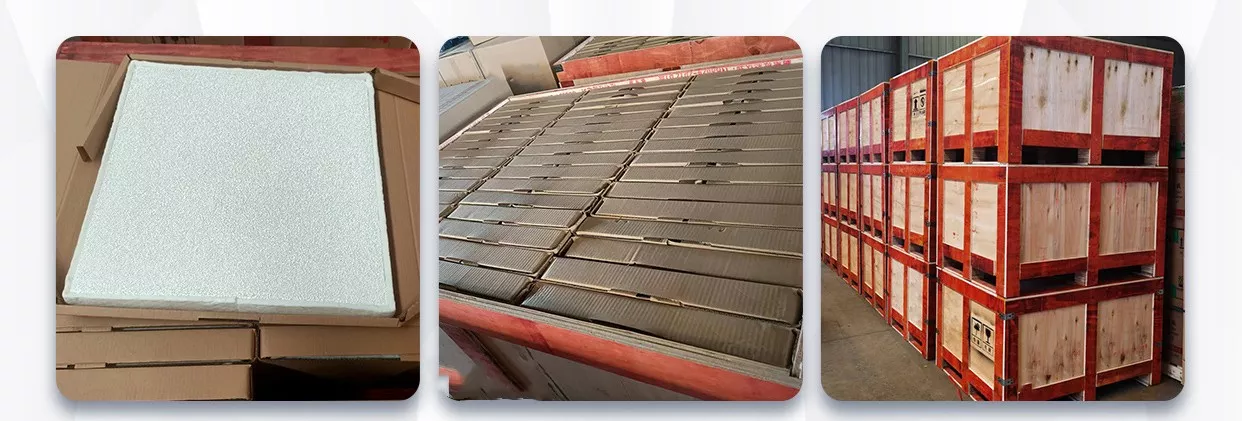

ADCERAX® Packaging of Zirconia Ceramic Refractory Plate

Applications of MSZ Ceramic Plate in Industrial Assemblies

MSZ ceramic plates are used where heat, stress, wear, insulation loss or corrosion may damage metal, polymer or lower-toughness ceramic parts. They combine zirconia toughness, wear resistance, dimensional stability and insulation support in one plate.

  • High-Temperature Furnace Fixtures

    MSZ ceramic plates can be used as support plates, spacers, setter plates and fixture components in furnace and heat-treatment systems. They are suitable for applications where the part must remain stable under heat, fixture load and repeated heating cycles.

    When metal plates, alumina plates or low-cost kiln furniture show edge chipping, cracking or deformation, MSZ provides a tougher zirconia-based option. Plate thickness, support span, heating rate and contact load should be reviewed before final selection.

  • Wear-Resistant Mechanical Supports

    MSZ ceramic plate is suitable for sliding, guiding, positioning and support areas where repeated contact may wear metal, polymer or lower-toughness ceramic parts. Its dense zirconia structure provides a durable contact surface for abrasive or high-friction working conditions.

    Typical uses include machine fixtures, guide plates, wear pads, locating plates and support blocks. When the plate works as a precision contact surface, flatness, surface finish and edge protection should be specified in the drawing.

  • Electrical Insulation Bases

    MSZ ceramic plates can serve as insulating bases or support plates in electrical, thermal and mechanical assemblies. They are useful where insulation, heat resistance and mechanical strength are required in the same component.

    For applications where polymer insulators may soften, absorb moisture or lose dimensional stability, MSZ can be considered as a stronger ceramic alternative. Voltage requirement, creepage distance, humidity exposure and operating temperature should be confirmed before final design.

  • Chemical-Contact Components

    Magnesia stabilized zirconia plates may be used in chemical process equipment, pump assemblies, valve supports, corrosion-prone fixtures and lining components. They are suitable for environments where metal parts may corrode or polymer parts may swell, soften or degrade.

    Before selection, the exact medium should be reviewed, including acid, alkali, salt, solvent, concentration, temperature and exposure time. MSZ can also be compared with alumina, YSZ, silicon carbide or other ceramic materials according to the working environment.

  • Structural Ceramic Parts

    MSZ ceramic plate can be machined into structural ceramic parts when a standard flat plate cannot meet the assembly requirement. Typical designs may include holes, slots, grooves, steps, chamfers, countersinks, polished surfaces and special profiles.

    This makes MSZ suitable for fixture parts, replacement ceramic plates, precision supports, insulating carriers and wear-resistant components. Drawings, tolerance requirements, load direction, mating parts and working conditions should be provided for engineering review.

Handling and Usage Guide for MSZ Ceramic Plates

MSZ ceramic plates should be stored, installed and operated with controlled handling to reduce edge chipping, surface contamination, bending stress and thermal-shock risk. Proper support, clean contact surfaces and gradual temperature changes help maintain plate stability in furnace, mechanical and insulating applications.

  • Storage and Environmental Conditions

    Store MSZ ceramic plates in a clean, dry environment to reduce surface contamination before use. Plates should be separated with soft spacers, foam or protective sheets so that polished surfaces and sharp edges do not contact each other directly. Avoid placing plates in areas with rapid temperature changes, vibration or heavy objects that may cause corner damage.

  • Installation and Mounting

    MSZ ceramic plates should be installed on flat, stable and evenly supported surfaces. Uneven bases, point loading or overtightened clamps may create local stress and increase the risk of cracking. When the plate carries mechanical load, the bearing surface should be clean, aligned and large enough to distribute force across the structure.

  • Thermal Cycling and Operating Safety

    For furnace or heat-treatment use, MSZ ceramic plates should be heated and cooled gradually whenever possible. Sudden contact between a cold plate and a hot surface may create uneven expansion and thermal stress. In cycling furnaces or kilns, allow the plate to cool sufficiently before moving, cleaning or reloading.

  • Transport and Handling

    During transport, MSZ ceramic plates should be packed with edge protection, cushioning layers and reinforced outer packaging. Do not stack unprotected plates directly on hard floors, metal surfaces or rough workbenches. Before reuse in critical assemblies, inspect the plate for visible cracks, edge chips, surface erosion, discoloration or contamination.

FAQs — Technical Insights on Magnesia Stabilized Zirconia Ceramic Plate

  1. What is an MSZ ceramic plate used for?
    An MSZ ceramic plate is used for high-temperature fixtures, wear-resistant supports, electrical insulation bases, chemical-contact parts and custom structural ceramic components. It is selected when the application requires zirconia toughness, dimensional stability and resistance to demanding thermal or mechanical conditions.
  2. How is MSZ ceramic plate different from alumina ceramic plate?
    MSZ ceramic plate is usually selected when higher toughness and better resistance to crack propagation are required. Alumina plate is often more cost-effective for general insulation and furnace use, while MSZ is better suited for applications involving impact, wear, edge chipping risk or more demanding mechanical loading.

  3. Can MSZ ceramic plates be machined to custom drawings?
    Yes. MSZ ceramic plates can be reviewed for custom length, width, thickness, holes, slots, grooves, chamfers, steps, surface grinding and polishing. A drawing is recommended because machining feasibility depends on plate size, thickness, hole position, edge distance and tolerance requirements.
  4. Is MSZ ceramic plate suitable for high-temperature applications?
    MSZ ceramic plate can be used in selected high-temperature fixtures, thermal support parts and furnace-related assemblies. Final suitability should be reviewed according to working temperature, heating and cooling rate, plate thickness, load condition and whether the part is exposed to thermal shock.

  5. Can MSZ ceramic plate be used in corrosive chemical environments?
    MSZ ceramic plate may be suitable for many chemical-contact applications because stabilized zirconia provides good resistance to wear and chemical attack. However, compatibility should be confirmed based on the exact acid, alkali, salt, solvent, concentration, temperature and exposure time.
  6. What information is needed to request a custom MSZ ceramic plate quote?
    A drawing or sketch is the best starting point. Please provide length, width, thickness, tolerance, flatness, surface finish, holes or slots, quantity, operating temperature, load condition and contact media. This helps ADCERAX® review material suitability, machining feasibility and quotation details.
  7. Should I choose MSZ, YSZ, alumina or silicon carbide plate?
    The choice depends on the working environment. MSZ is useful for toughness, wear resistance and dimensional stability. YSZ is often selected for fine precision zirconia parts. Alumina is suitable for cost-effective insulation and general furnace use. Silicon carbide is preferred for severe thermal shock, high thermal conductivity or aggressive furnace environments.
customize size

Custom Machining for MSZ Zirconia Ceramic Plate

ADCERAX supports drawing-based MSZ ceramic plate customization for industrial assemblies where standard plates cannot meet the required fit, mounting method or contact surface condition.

Thermal Load Adaptation

Different thermal stress conditions require tailored compositions and design reinforcement.

  • Firing Profile Compatibility: Engineered for specific heating rate tolerance
  • Temperature Range Matching: Aligned with operational thermal cycle peaks
  • Heat Retention Design: Optimized for insulation and low conductivity

Structural and Mechanical Requirements

Mechanical strength and loading needs vary by application architecture and fixture design.

  • Load Bearing Support: Adjusted for compressive stress endurance
  • Impact Shock Resistance: Balanced for drop or vibration tolerance
  • Flatness Stability: Maintained under dynamic mechanical forces

Related Products

ADCERAX - Your Trusted Advanced Ceramics Manufacturing Partner

Direct factory manufacturing with comprehensive ceramic materials expertise and global supply capabilities

China-Based Manufacturer

ADCERAX supplies ceramic components for overseas OEMs, equipment builders, and labs.

Custom Drawing Support

We review drawings, dimensions, materials, and application conditions before quotation.

Ceramic Process Control

Forming, sintering, machining, grinding, and finishing are arranged by part requirements.

Pre-Shipment Inspection

Dimensional checks, visual inspection, and packaging review help reduce procurement risk.

Get in Touch with Us

Our team will be happy to respond to you in less than 24 hours.

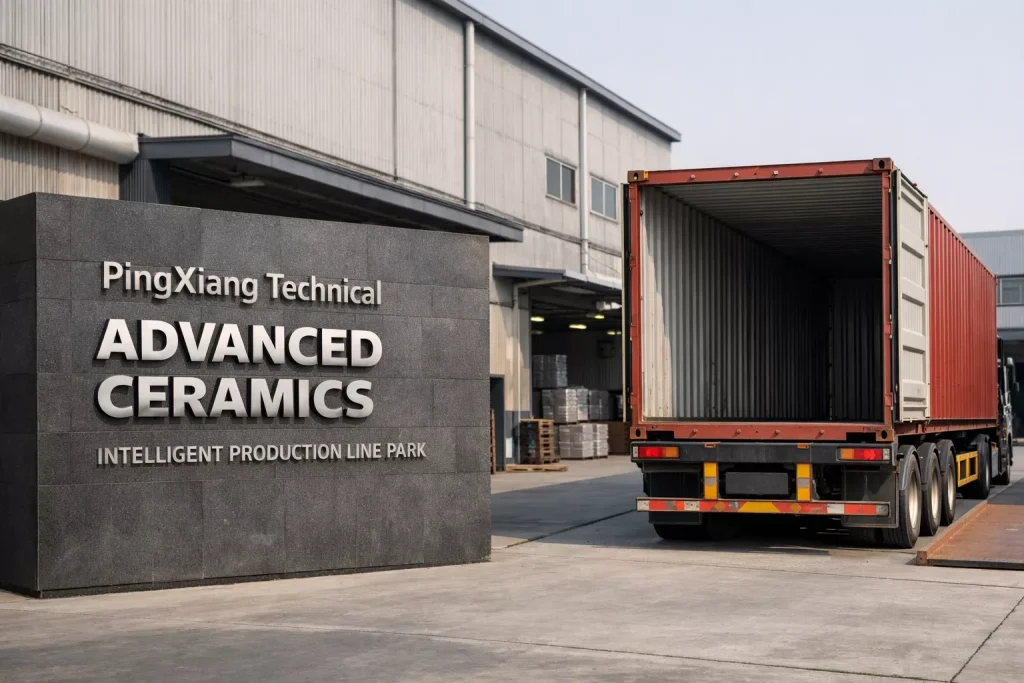
Pingxiang Factory — Silicon carbide, silicon nitride, high-temperature ceramics

Quick Quotation

*Our team will answer your inquiries within 24 hours.

*Your information will be kept strictly confidential.

Ready to Solve Your Engineering Challenge?

Partner with ADCERAX for reliable, high-performance advanced ceramic solutions. Our engineers are ready to discuss your project.

E-mail

info@adcerax.com

Phone

+(86) 0731-74427743 | WhatsApp: +(86) 19311583352

Response Time

Within 24 hours

Quick Quote

The more details you provide, the faster we can quote.

*We respond within 24 hours. All inquiries are confidential.

Get Your Custom Solution

The more details you provide, the faster we can respond.

customize size

*We respond within 24 hours. All inquiries are confidential.

Download Catalog