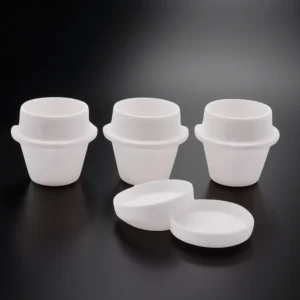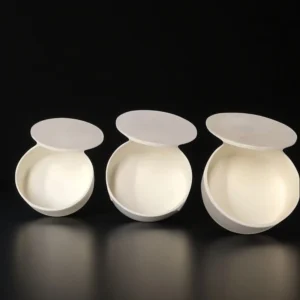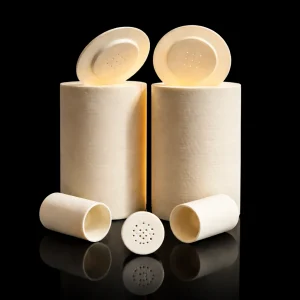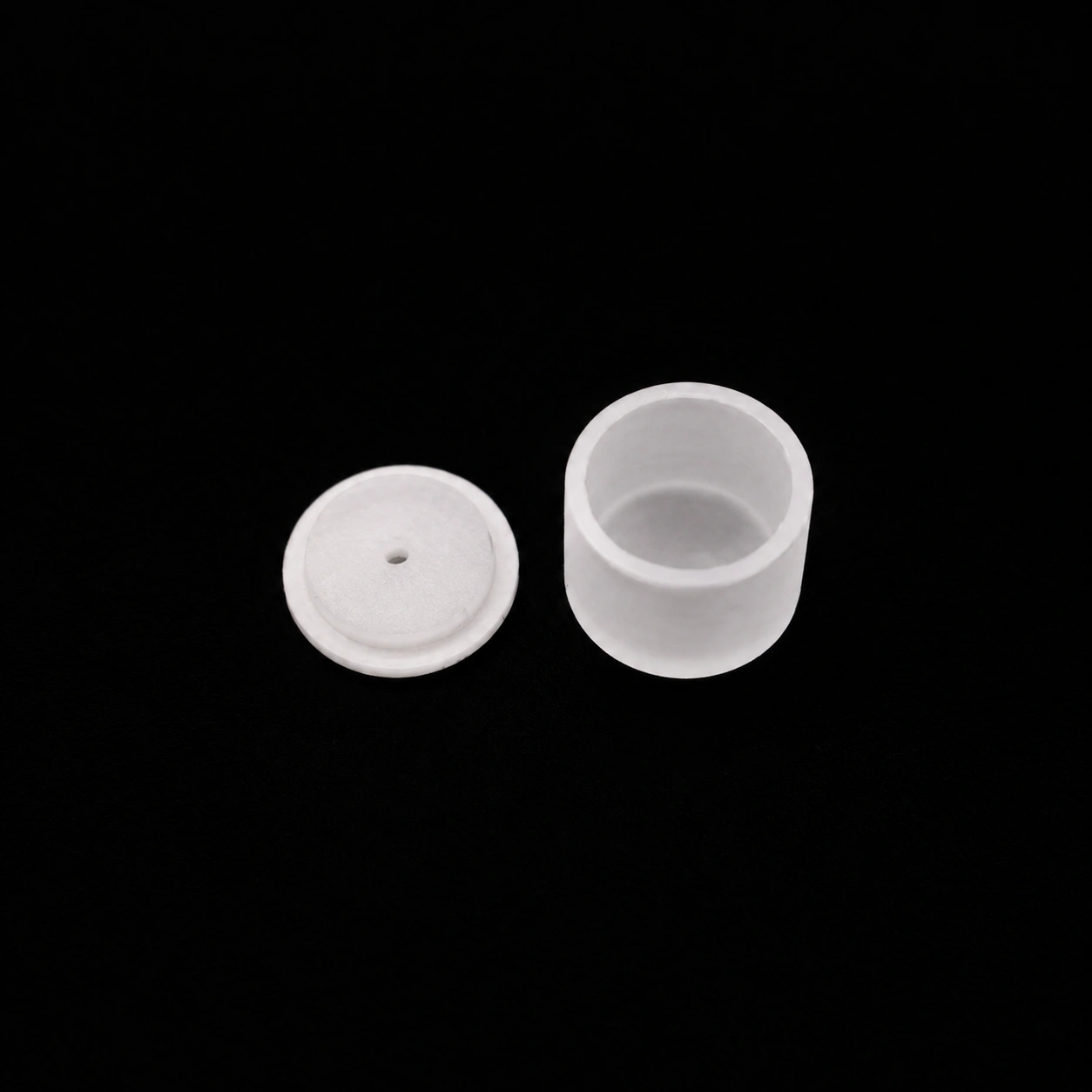
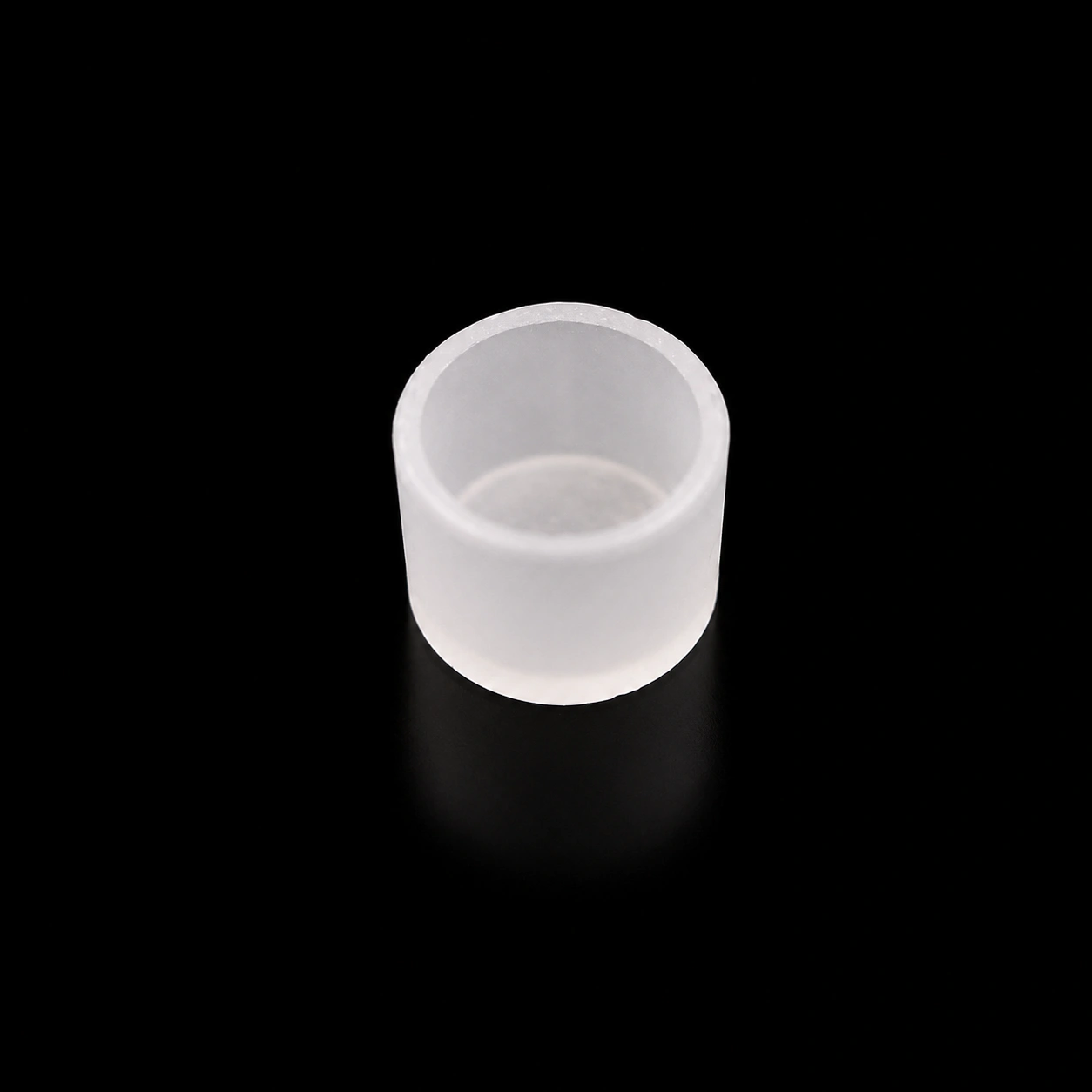
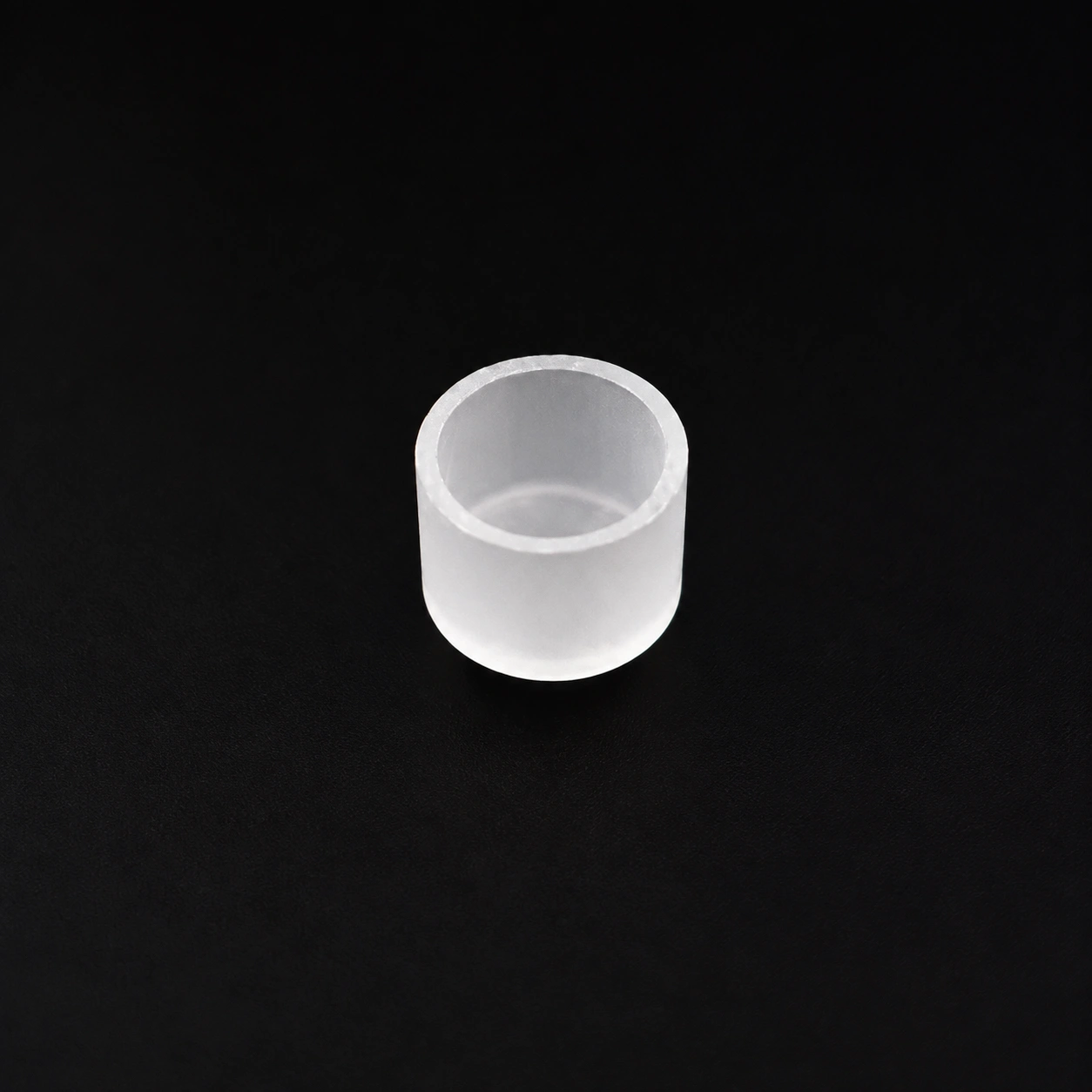
Sapphire crucibles are small, cup-shaped sample containers made from sapphire—single-crystal aluminum oxide (Al₂O₃). They are commonly used in thermal-analysis instruments such as DSC, TGA and STA to hold samples during heating and measurement.
Choose the Right Sapphire Crucible Material
single-crystal sapphire and PC Sapphire / PCA are different material routes, and the final choice must match the instrument holder, full geometry and test conditions.
Single-Crystal Sapphire Crucibles
Single-crystal Al₂O₃ route for thermal-analysis projects where the material identity, crystal structure and route-specific requirements must be controlled. Crystal orientation is specified only when relevant to the approved project specification.
PC Sapphire / PCA Crucibles
PC Sapphire is a polycrystalline high-purity alumina route and is not single crystal. It is reviewed as a separate material option, with geometry, material specification, holder fit and application conditions confirmed per project.
Match the Right Sapphire Crucible to Your Instrument and Test Method
| Measurement Requirement | What to Confirm | Why It Matters |
|---|---|---|
| DSC | Instrument model, holder, crucible mass, base geometry, lid, sample amount, and comparison / blank method | The container contributes to heat transfer and thermal mass, so geometry and mass changes can affect the measurement response. |
| TGA | Instrument model, holder or autosampler, total height, rim, sample chemistry, atmosphere, and cleaning/reuse plan | Holder fit, reaction with the sample or gas, deposits, and repeated cleaning can affect stable weighing and repeatability. |
| STA / SDT | Instrument holder, combined signal method, geometry, material route, lid, and validation plan | Combined thermal and mass signals make crucible geometry and material changes especially important to control. |
| LFA / Thermophysical-Property Testing | Instrument model, dedicated sample holder, crucible/pan and lid geometry, sample state, temperature range, atmosphere, and measurement objective | Selected LFA systems use sapphire pans and lids for liquid or powdery metallic samples. Geometry, sample state, and holder design must match the specific instrument setup. |
| Reference-Part / Second-Source Review | Current part, drawing or sample, holder/model, complete dimensions, material route, and pass/fail validation owner | Similar appearance or the same OD × H does not prove capacity, holder fit, or method equivalence. |
Inspection, Validation and Packaging Control Points
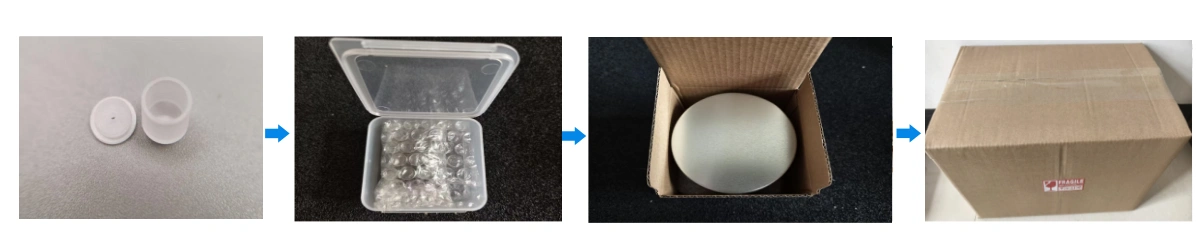
Each sapphire crucible project is reviewed against the approved drawing and inspection requirements. Critical dimensions, visual condition, lot identification and protective packaging can be defined to support holder fit, repeat orders and safe delivery.
| Control Point | What to Define / Check | Purpose |
|---|---|---|
| Material route | Single-crystal sapphire or PC Sapphire / PCA; project material specification | Prevents route substitution or visual misidentification. |
| Dimensions | OD, cavity / ID, height, wall, base, rim, lid and datums | Controls holder fit and repeatable seating. |
| Base/flatness | Inspection requirement where holder or method is sensitive to base contact | Reduces uncontrolled contact/seating variation. |
| Mass | Part mass or tolerance when method-critical | Supports comparison and repeat-workflow control. |
| Visual condition | Chips, cracks, rim damage and surface defects according to approved criteria | Reduces failure and handling risk. |
| Reference comparison | Drawing, sample, blank/comparison run or first-article check as agreed | Controls second-source and method-transfer risk. |
| Lot identification | Lot/batch identification when included in the order requirement | Supports repeat orders and change control. |
| Packaging | Individual protection, cavity separation, lid separation and label requirements | Reduces chipping, mixing and transport damage. |
Sapphire Crucible Packaging