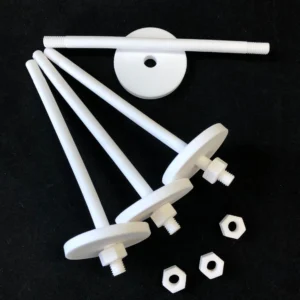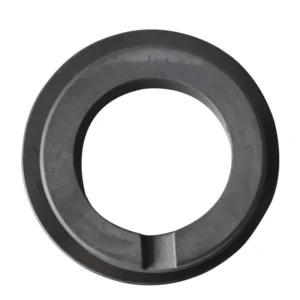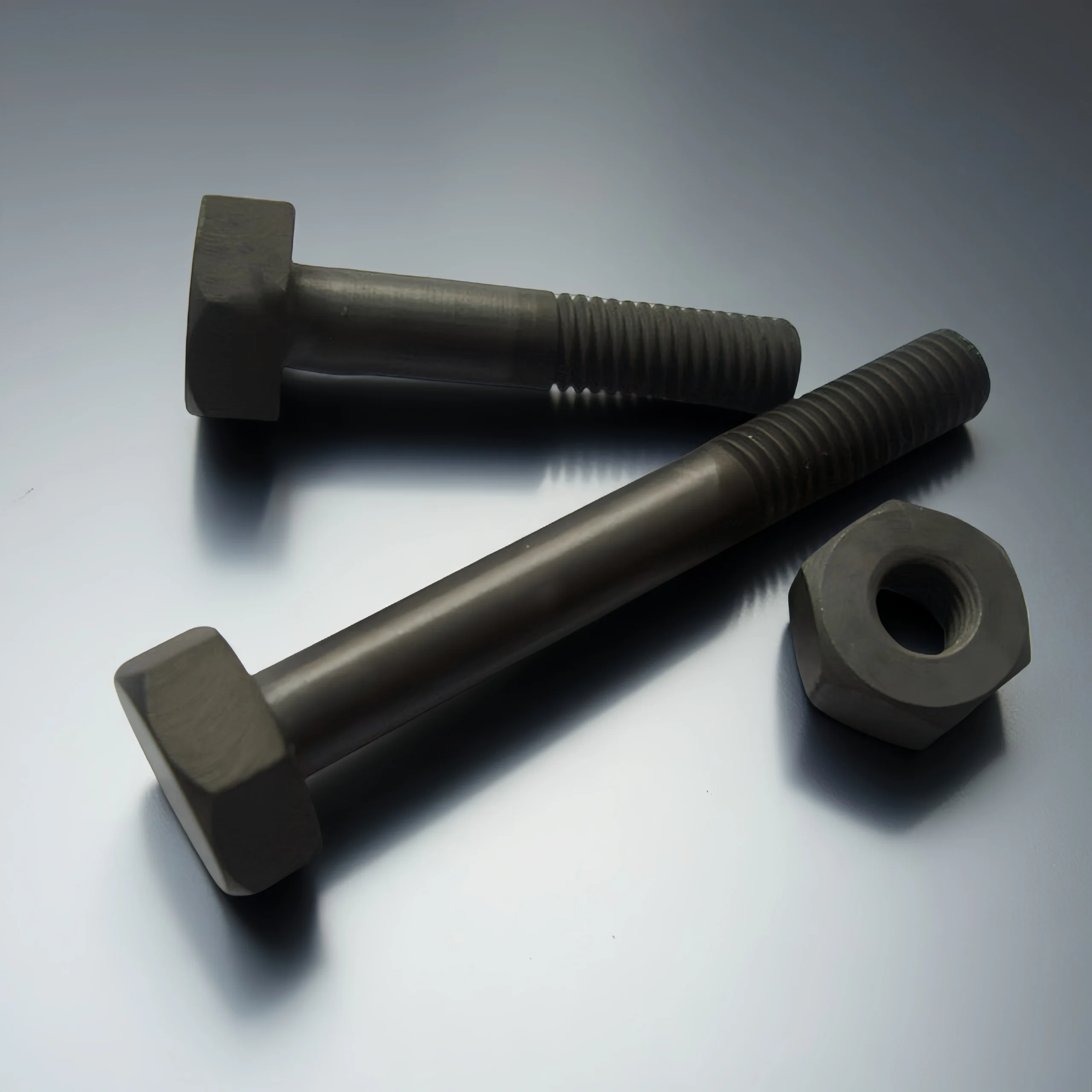
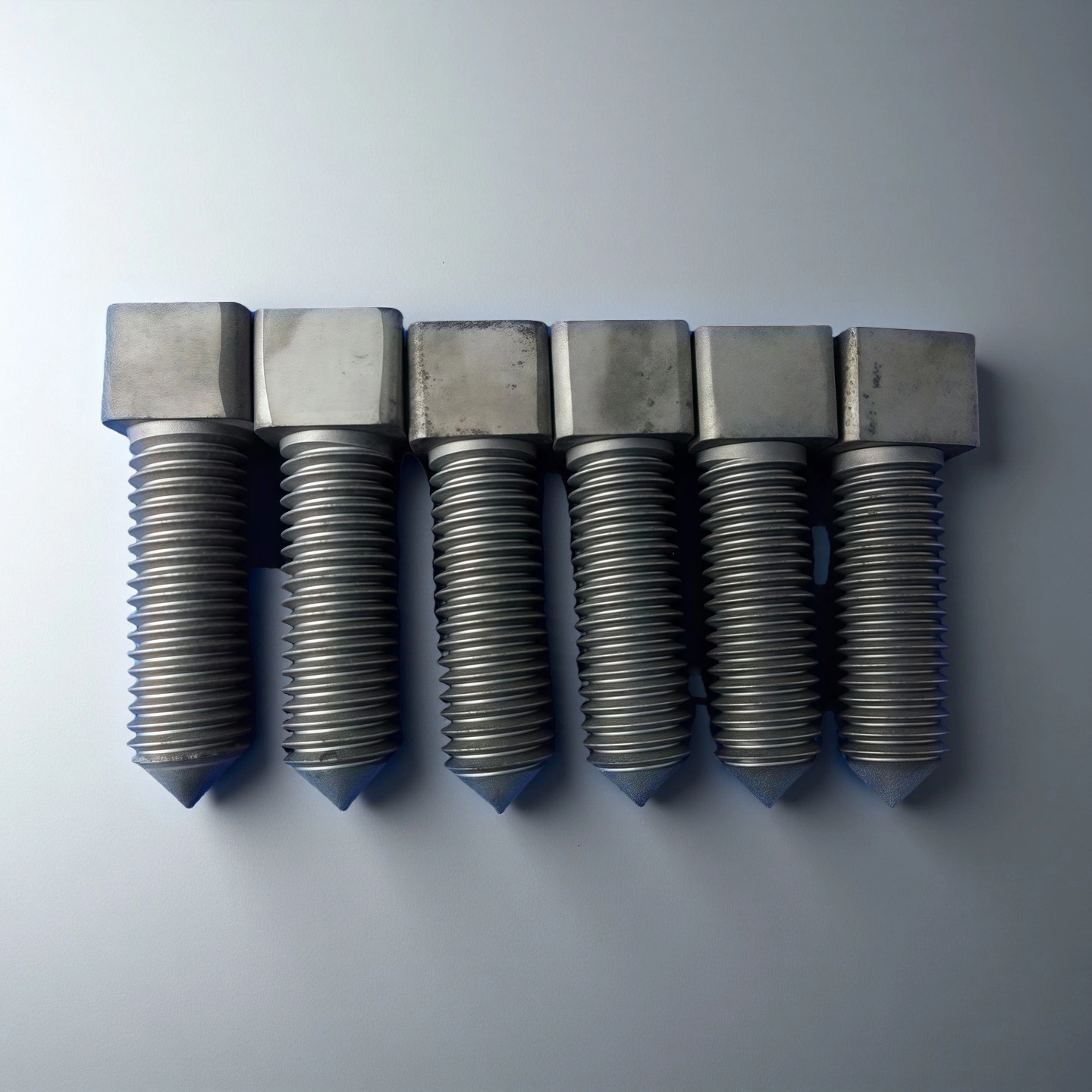
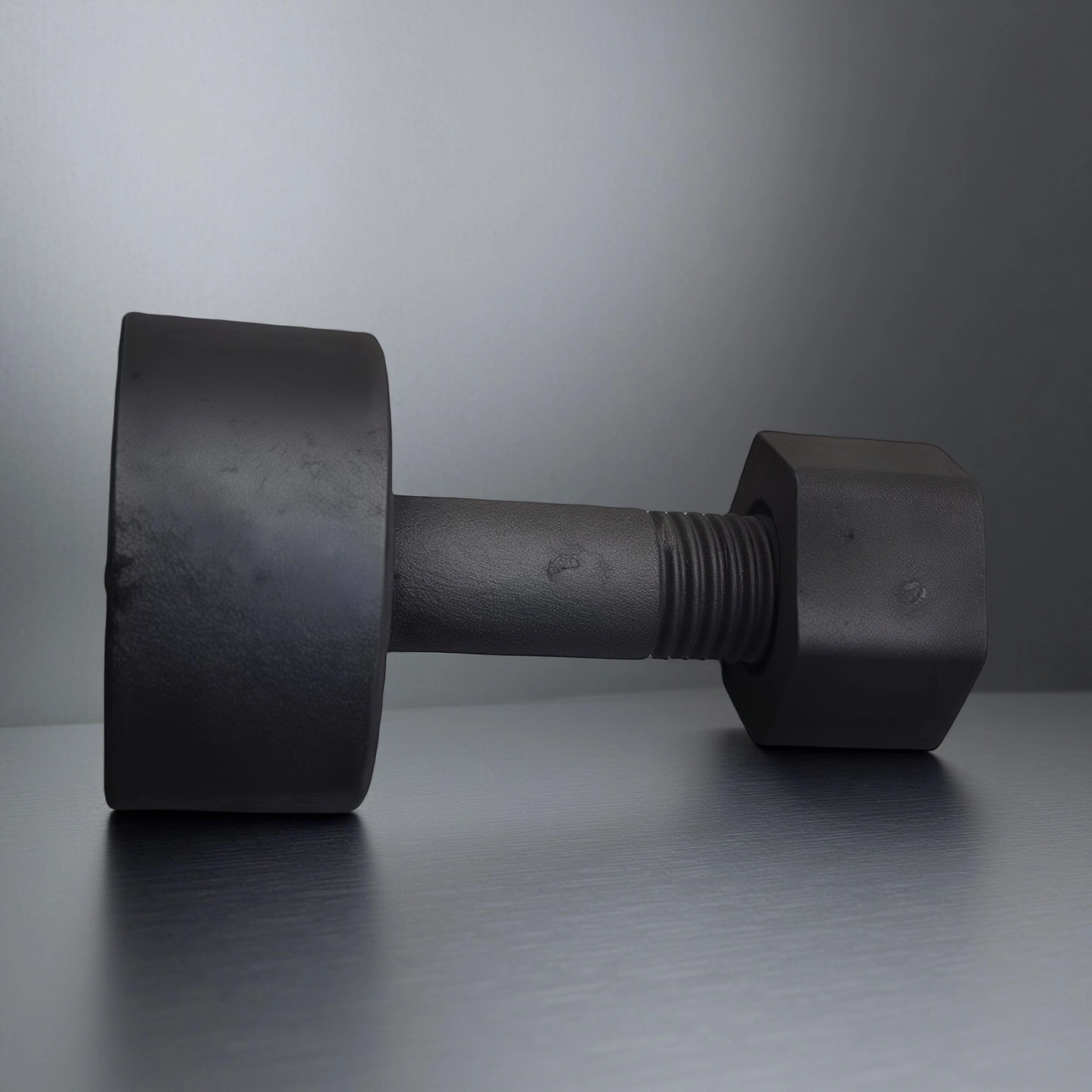
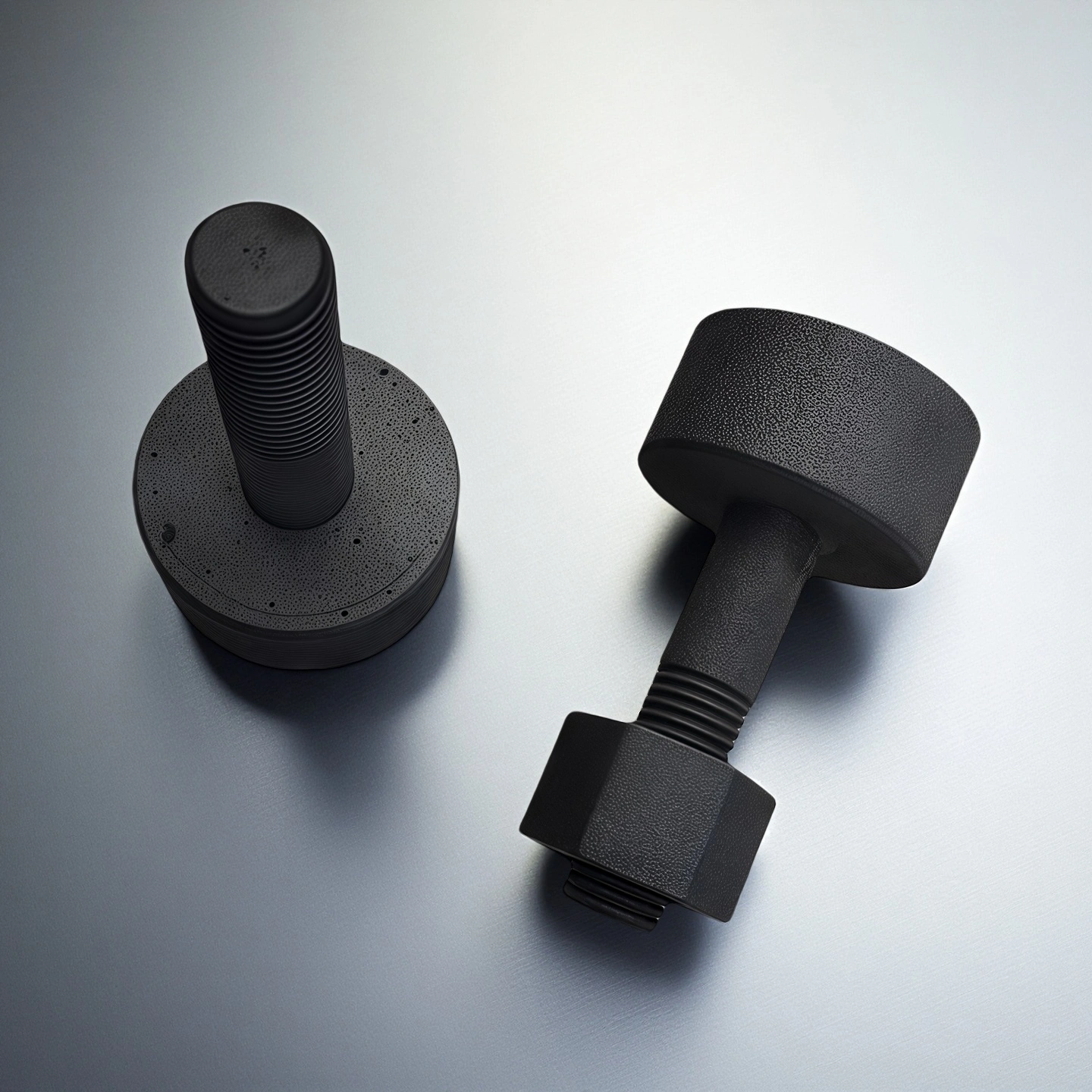
Silicon carbide bolts and screws are ceramic fasteners manufactured from sintered silicon carbide (SSiC) or reaction-bonded silicon carbide (RBSiC/SiSiC). They are used to join or secure components in equipment exposed to corrosive chemicals, abrasive particles, elevated temperatures, or repeated thermal cycling, where metal fasteners may experience corrosion, wear, or dimensional change.
Performance Advantages of Silicon Carbide Bolts and Screws
- Corrosion-Resistant Fastening
Supports fastening in aggressive chemical environments where metal components may corrode. Material compatibility is reviewed for the actual medium and temperature. - High-Temperature Dimensional Stability
Low thermal expansion helps limit dimensional changes during heating and cooling, supporting consistent thread fit under reviewed thermal-cycle conditions. - Wear-Resistant Contact Surfaces
High surface hardness supports resistance to abrasive wear around threads and contact areas in slurry, powder, and particle-exposed equipment. - Rust-Free Ceramic Construction
The non-ferrous ceramic body does not generate iron-based rust, helping reduce corrosion products around the fastening position. - Compatibility with SiC Assemblies
SiC fasteners can be paired with SiC fixtures and components to simplify material matching in corrosive or high-temperature ceramic assemblies. - Configurable Fastener Forms
Bolts, screws, nuts, and washers can be reviewed with custom threads, heads, lengths, and mating geometries to suit the assembly drawing.
Technical Specifications of Silicon Carbide Bolt and Screw
Silicon Carbide Bolt and Screw exhibit stable mechanical strength, reliable thermal endurance, and strong chemical inertness, supporting consistent fastening performance in high-temperature and corrosive industrial environments. Their α-SiC composition provides dependable structural behavior under thermal cycling, mechanical loading, and exposure to aggressive media.
| Property | Specification |
|---|---|
| Material Type | α-Silicon Carbide (α-SiC) |
| Density | 3.10–3.15 g/cm³ |
| Open Porosity | < 0.2% |
| Flexural Strength (RT) | 360–420 MPa |
| Flexural Strength (1200°C) | ≥ 80% retention |
| Compressive Strength | > 2200 MPa |
| Elastic Modulus | 380–420 GPa |
| Hardness (Vickers) | 2300–2600 HV |
| Thermal Conductivity | 85–120 W/m·K |
| Thermal Expansion (CTE) | 4.0–4.5 ×10⁻⁶ /K |
| Thermal Shock Resistance | ΔT > 250°C/min |
| Maximum Service Temperature | 1300–1400°C (oxidizing) |
| Acid Resistance | Mass loss <0.03 mg/cm²·day |
| Alkali Resistance | Mass loss <0.05 mg/cm²·day |
| Oxidation Resistance | Oxidation depth <5 μm / 200 h |
| Salt-Corrosion Stability | 0% rust formation |
| Electrical Resistivity | > 10⁴ Ω·cm |
| Microstructure | Fine-grain α-SiC, low defect content |
Dimensions of Silicon Carbide Bolt and Screw
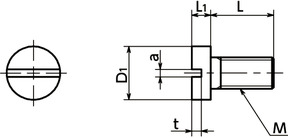
| SiC Bolt and Screw | |||||||
| Item No. | Thread Diameter | Pitch (mm) | L(mm) | D1(mm) | L1(mm) | a(mm) | t(mm) |
| AT-SIC-LS1001 | M3 | 0.5 | 5 | 5.5 | 2 | 1 | 1.1 |
| AT-SIC-LS1002 | M3 | 0.5 | 6 | 5.5 | 2 | 1 | 1.1 |
| AT-SIC-LS1003 | M3 | 0.5 | 8 | 5.5 | 2 | 1 | 1.1 |
| AT-SIC-LS1004 | M3 | 0.5 | 10 | 5.5 | 2 | 1 | 1.1 |
| AT-SIC-LS1005 | M4 | 0.7 | 6 | 7 | 2.6 | 1 | 1.4 |
| AT-SIC-LS1006 | M4 | 0.7 | 8 | 7 | 2.6 | 1 | 1.4 |
| AT-SIC-LS1007 | M4 | 0.7 | 10 | 7 | 2.6 | 1 | 1.4 |
| AT-SIC-LS1008 | M4 | 0.7 | 12 | 7 | 2.6 | 1 | 1.4 |
| AT-SIC-LS1009 | M5 | 0.8 | 8 | 8.5 | 3 | 1.2 | 1.5 |
| AT-SIC-LS1010 | M5 | 0.8 | 10 | 8.5 | 3 | 1.2 | 1.5 |
| AT-SIC-LS1011 | M5 | 0.8 | 12 | 8.5 | 3 | 1.2 | 1.5 |
| AT-SIC-LS1012 | M5 | 0.8 | 16 | 8.5 | 3 | 1.2 | 1.5 |
Protective Packaging for Silicon Carbide Bolt and Screw
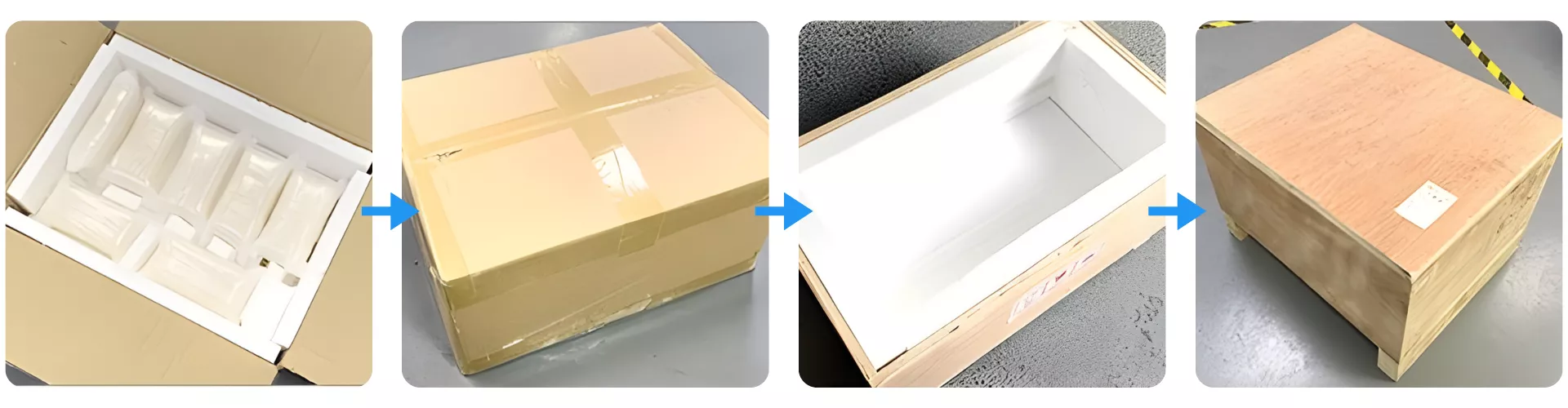
Silicon Carbide Bolt and Screw are packed in shock-absorbing foam compartments that prevent contact and eliminate vibration damage during transport. Each inner carton is fully sealed before being placed into a reinforced plywood crate lined with impact-resistant material. This multilayer packaging structure ensures safe international delivery and preserves the mechanical integrity of every component.