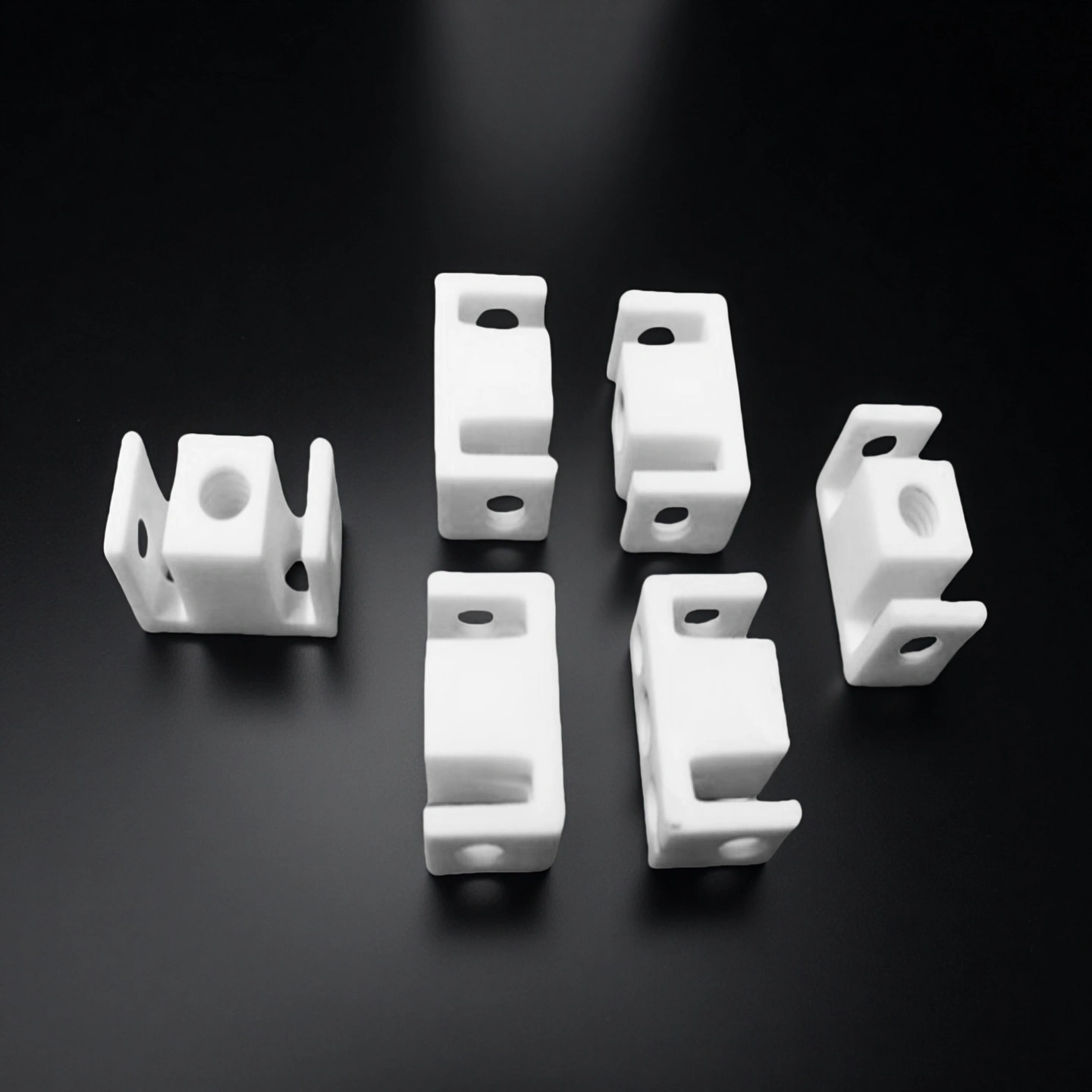
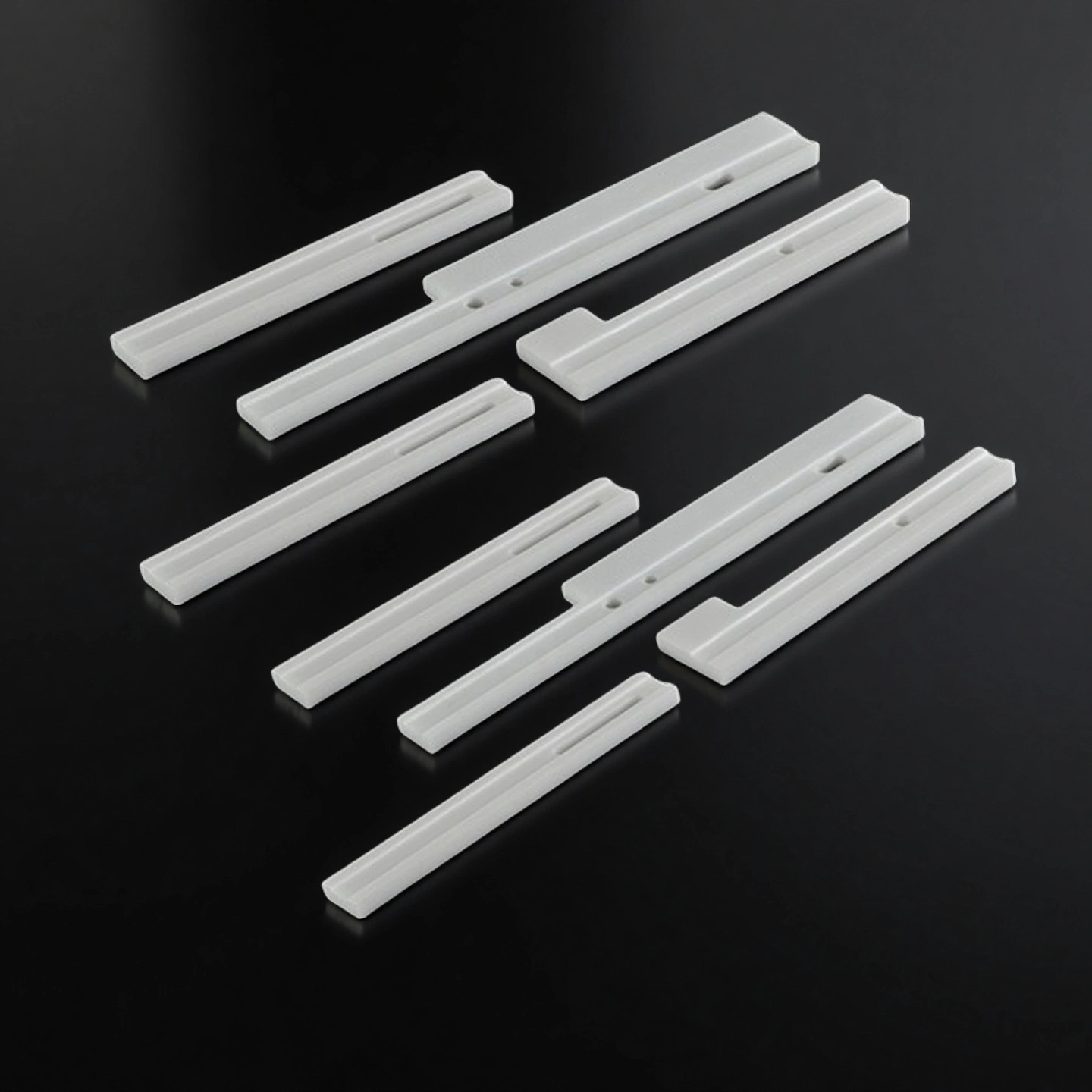
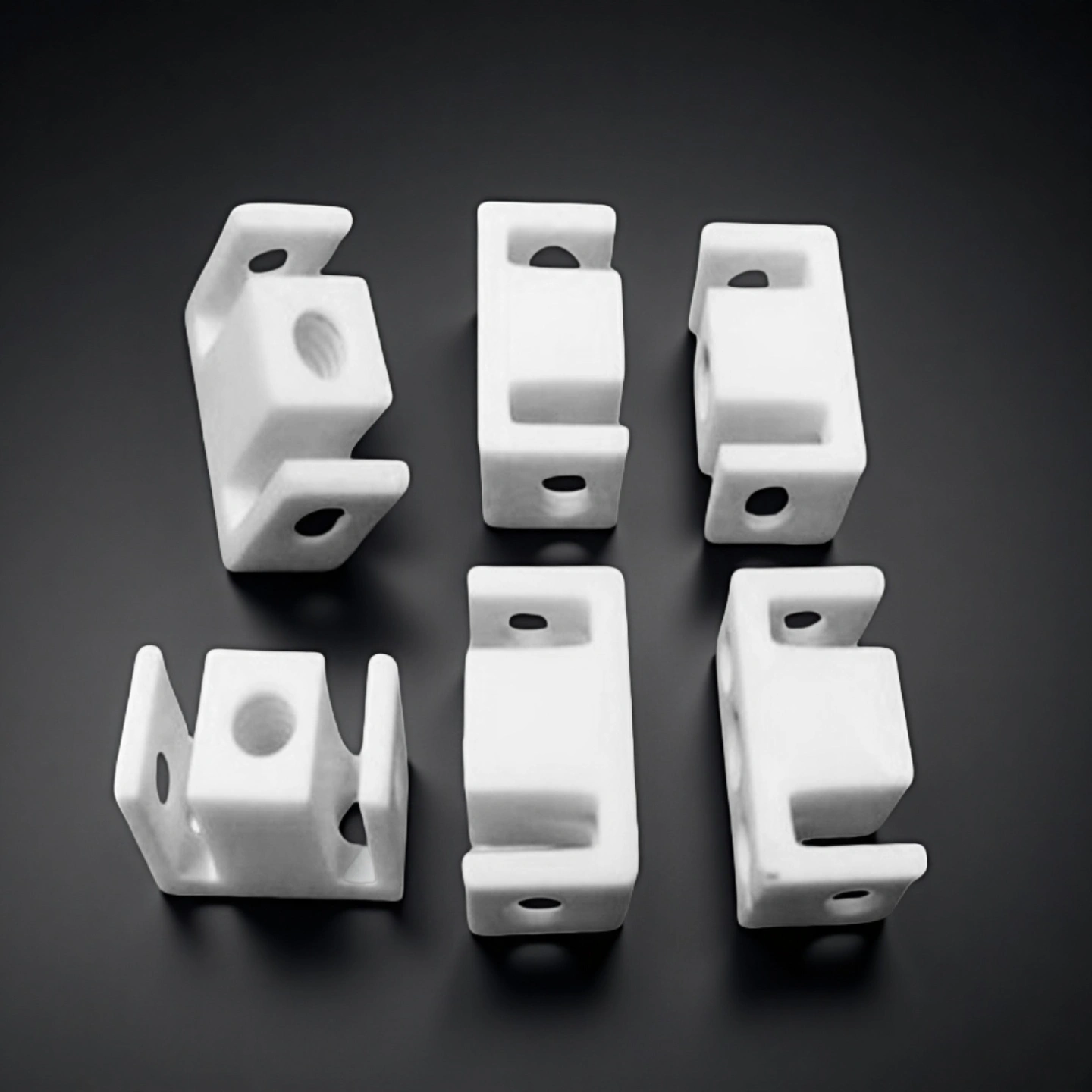
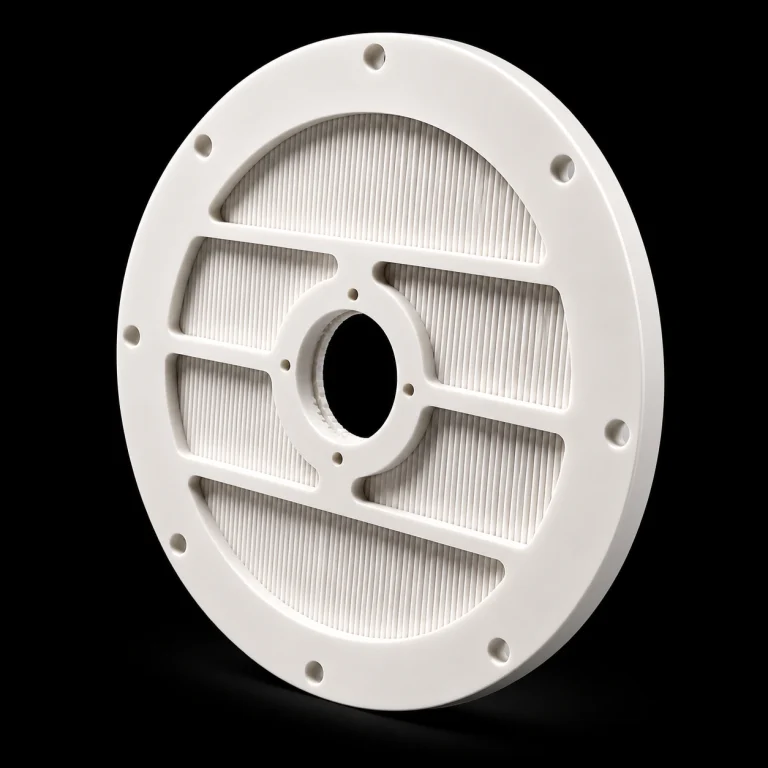
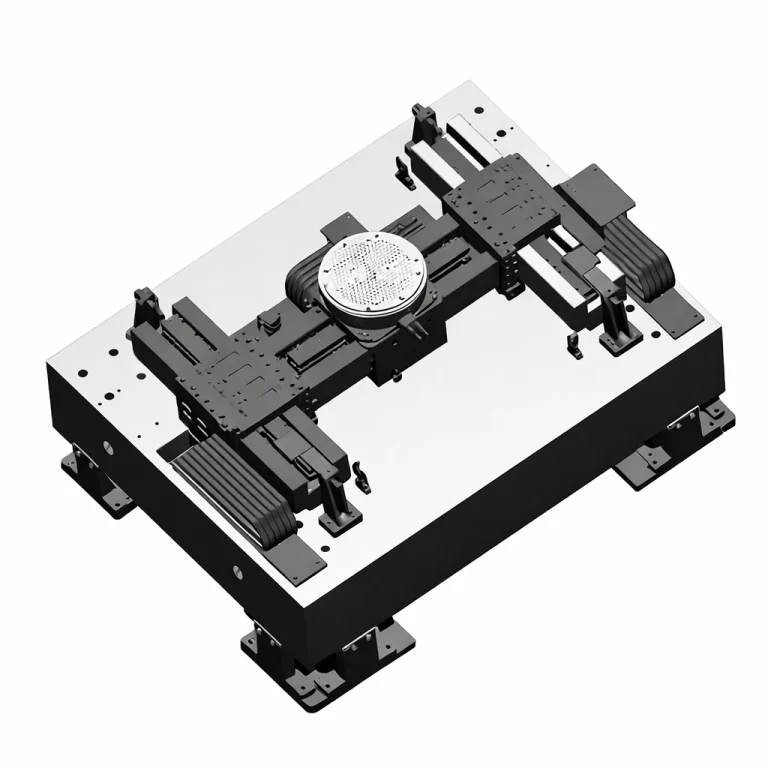
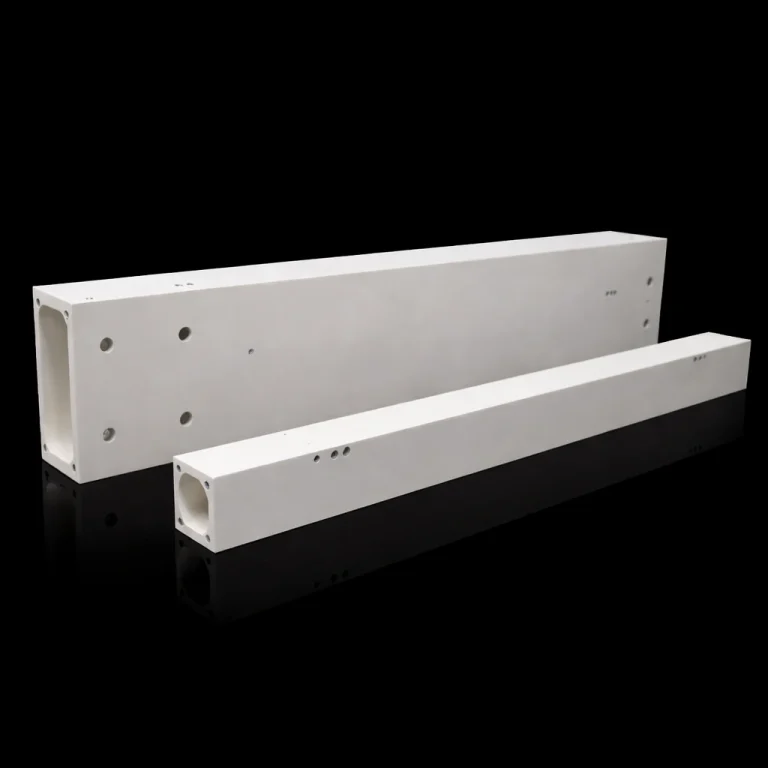
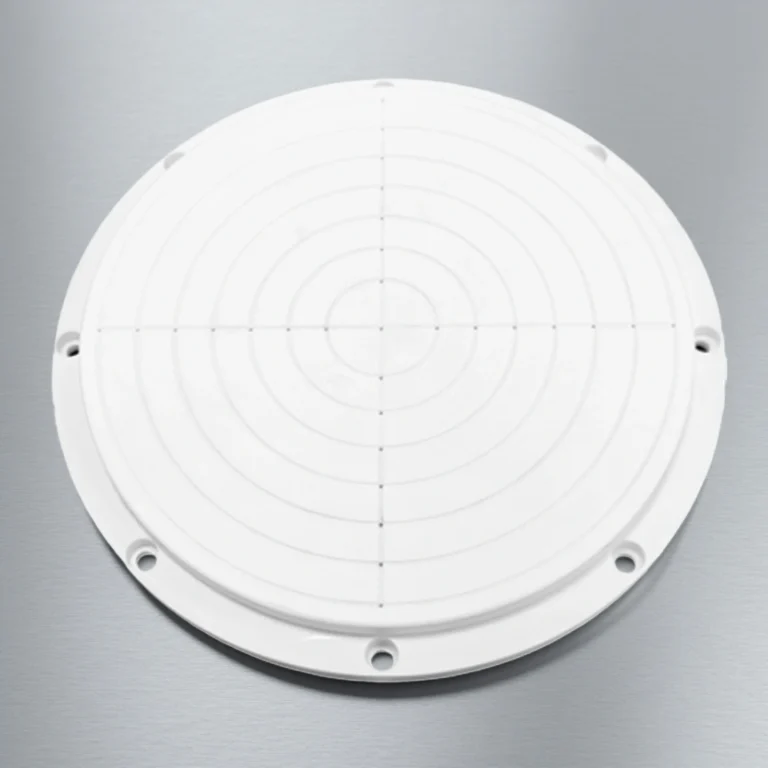
ADCERAX® Zirconia Positioning Fixture is an engineered ceramic component designed to provide stable alignment and reliable support during machining, measuring, and automated assembly processes. It maintains precision under heat, vibration, and chemical exposure where metal fixtures often fail. With exceptional strength, wear resistance, and insulation properties, Zirconia Positioning Fixture ensures long-term accuracy and consistency in demanding industrial operations. Each unit is produced for high-performance use across equipment manufacturing, robotics, and metrology applications.
Features of Zirconia Positioning Fixture
- Alignment Retention
The fixture resists positional drift during thermal cycling. Dimensional shift remained below 0.01 mm after 1000°C furnace exposure.
- Precise Workpiece Stabilization
Zirconia Positioning Fixture ensures rigid immobilization during high-speed CNC operations. In trials, positioning deviation was reduced by over 85% compared to aluminum fixtures.
- Cycle Time Reduction
Fast and repeatable loading with fixed orientation reduces setup time. Bench trials showed a 22% decrease in overall machining cycle time.
- Tool Path Stability
Stable support avoids undesired movement during multi-axis cuts. Resulted in 12% tool wear reduction in stress-intensive programs.
- Non-Conductive and Non-Magnetic
Provides insulation and safety in sensitive electronic environments. Insulation resistance > 10⁸ Ω·cm meets electrical safety thresholds.
- Fragmentation Resistance
Fails gradually rather than explosively under overload. Break energy tested > 5.5 MPa·m½, reducing secondary injury risks in failure events.
- Low Thermal Expansion
Prevents distortion across thermal gradients. Coefficient of expansion measured at 10×10⁻⁶/K, minimizing misalignment under temperature flux.
- Stable Fixture Geometry
Sintered structure resists shape change under dual thermal/mechanical stress. Retained >98.7% dimensional tolerance after thermal fatigue testing.
- High-Load Contact Retention
No permanent surface degradation under compression. Compressive strength measured at >2000 MPa, extending fixture replacement cycles.
Technical Properties of Zirconia Positioning Fixture
Zirconia Positioning Fixture is engineered to perform with structural integrity, thermal resilience, and chemical inertness in harsh industrial and laboratory environments. Its ceramic composition offers consistent mechanical response under extreme load, temperature, and corrosive exposure.
| Property |
Specification |
| Material Composition |
≥ 94% ZrO₂, Y₂O₃ stabilized |
| Density |
5.9 g/cm³ |
| Flexural Strength |
480–1000 MPa |
| Compressive Strength |
>2000 MPa |
| Elastic Modulus |
200 GPa |
| Hardness |
HRA 88–90 |
| Thermal Conductivity |
2.5 W/m·K |
| Thermal Expansion Coefficient |
10.0 × 10⁻⁶/K |
| Maximum Service Temperature |
1000 °C |
| Electrical Insulation |
>10⁸ Ω·cm |
| Acid/Base Resistance |
High (pH 2–13 exposure safe) |
| Fracture Toughness |
5.5–7.0 MPa·m¹ᐟ² |
| Surface Finish Capability |
Ra ≤ 0.2 µm |
| Magnetic Permeability |
<1.01 (non-magnetic) |
Specifications of Zirconia Positioning Fixture
|
Zirconia Positioning Fixture |
|
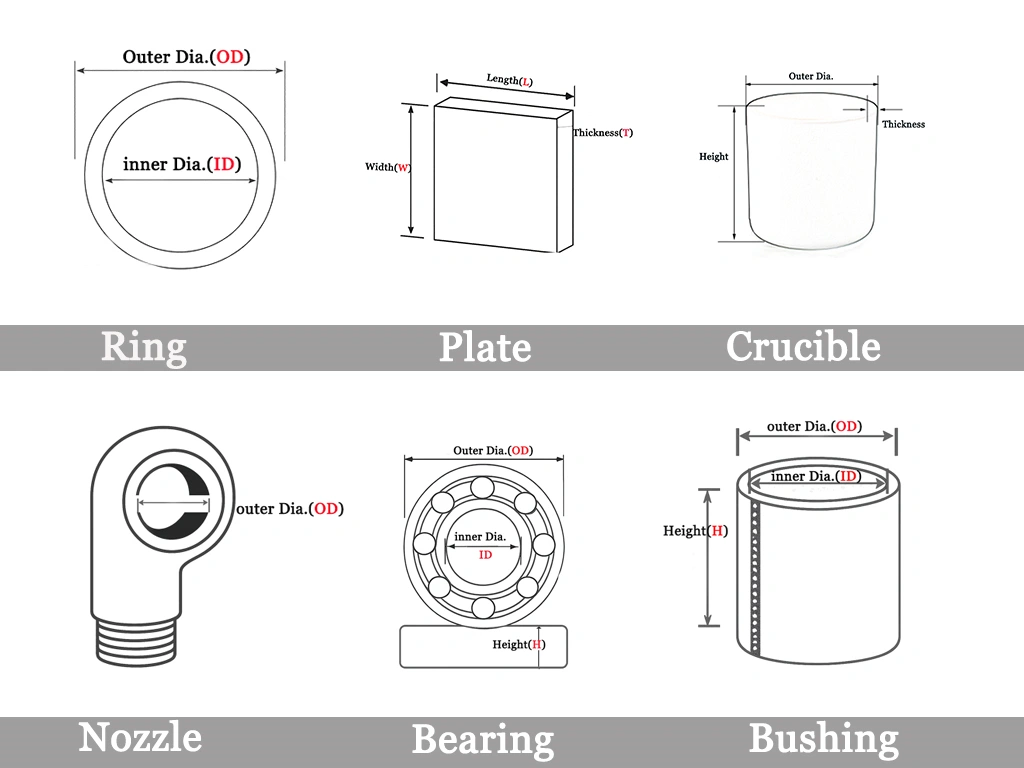
Item no. |
Length(mm) |
Width(mm) |
|
AT-YHG-ZJ2001 |
Customize |
Packaging of Zirconia Positioning Fixture
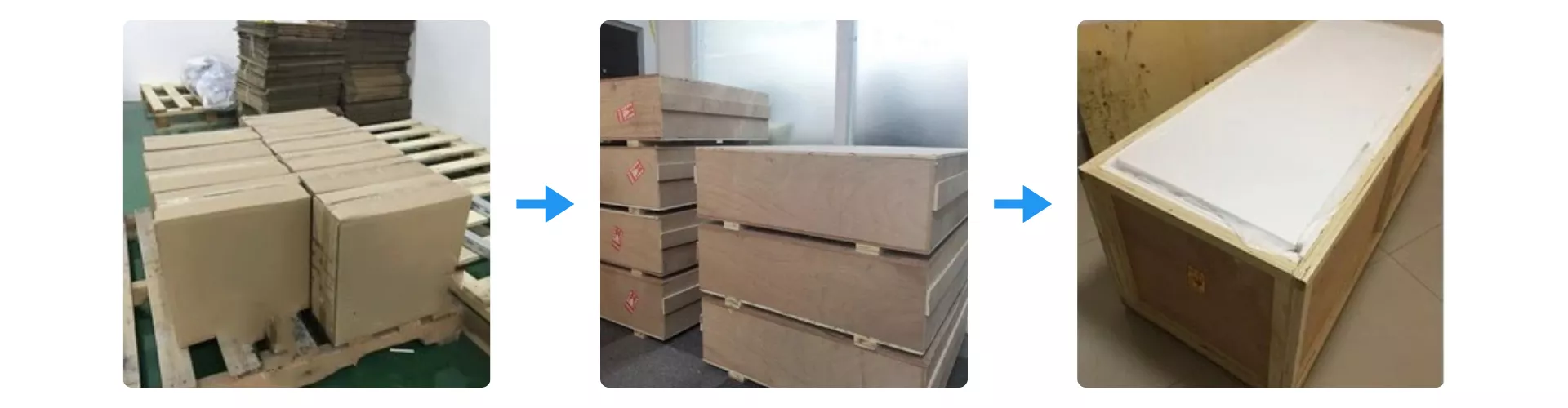
Zirconia Positioning Fixture is securely packed using multilayer protective materials to prevent vibration, shock, or contamination during transit. Each unit is first boxed, then encased in reinforced plywood crates with foam lining for enhanced impact resistance. This packaging system ensures safe delivery for global industrial applications.
Addressing Precision, Safety, and Stability Needs with ADCERAX® Zirconia Positioning Fixture
ADCERAX® Zirconia Positioning Fixture is applied where accuracy, resistance to extreme conditions, and long-term structural integrity are essential. Across thermal machining, coordinate metrology, and high-precision device assembly, it mitigates failure risks and enhances output consistency.
-
High-Temperature Fixture Support in Thermal Milling Systems
✅Key Advantages
1. Structural Rigidity at 800°C+
ADCERAX® Zirconia Positioning Fixture maintains form and clamping force during thermal-assisted milling at surface temperatures exceeding 850°C. Conventional steel fixtures deform beyond 600°C, compromising part retention and toolpath integrity.
2. Thermal Cycle Endurance
Validated across 10+ thermal cycles from ambient to 1000°C, the fixture retained >98.9% geometric integrity. This ensures repeatability over extended batch processing without refitting.
3. High-Stress Load Resistance
Under dry machining of ceramics and superalloys, the fixture sustained >500 kg static load with no microfracture, verified through post-process inspection. This load stability reduces error propagation during aggressive cuts.
✅ ️Problem Solved
A European aerospace parts supplier experienced repeat failure of Inconel turbine vane clamps using alloy steel fixtures. Under dry thermal milling at 820°C, fixtures warped within 6 cycles, leading to 12% scrap rate and line stoppage every 3 days. After switching to ADCERAX® Zirconia Positioning Fixture, fixture change frequency dropped to <1/month, and dimensional deviation was reduced by 87% across 100 machined parts.
-
Sub-Micron Referencing in 3D Coordinate Measuring Systems (CMM)
✅Key Advantages
1. Ultra-Stable Flatness Reference
Zirconia Positioning Fixture provides a machined surface flat to ≤2 µm across 100 mm span, verified on a Zeiss PRISMO system. This enables reliable sub-micron referencing for critical dimensional validation.
2. Zero Wear Under Probe Contact
After 30,000 CMM probe cycles, fixture surface wear was measured at <0.01 mm, maintaining consistent stylus response. Steel equivalents showed >0.05 mm degradation under the same test.
3. Thermal Expansion Compatibility with Gauge Blocks
Zirconia’s expansion coefficient (~10 × 10⁻⁶/K) closely matches that of ceramic gauge sets, preventing mismatched elongation. This ensures calibration stacks remain consistent across lab environments ranging 20–60°C.
✅ ️Problem Solved
A Tier-1 automotive metrology lab faced calibration drift on tight-tolerance bore inspections due to steel fixture expansion during daily cycle changes. Probe error exceeded ±8 µm after 4 weeks of continuous use. ADCERAX® Zirconia Positioning Fixture was installed and sustained measurement stability across 12 weeks with 0.5 µm average deviation, cutting recalibration frequency by 66%.
-
Stable Component Alignment in High-Density Electronic Module Assembly
✅Key Advantages
1. Magnetic Field Neutrality
Zirconia is fully non-magnetic (μ < 1.01), ensuring no interference with MEMS gyroscopes or magnetically sensitive ICs during alignment or solder reflow. This eliminates yield loss from signal shift.
2. Thermal Isolation During Curing
With low thermal conductivity (~2.5 W/m·K), the fixture localizes heating to the component area without dissipating into adjacent sensitive zones. This enables faster bonding cycles without thermal bleed.
3. Micron-Level Retention Accuracy
Precision machining and creep resistance ensured <0.005 mm displacement across full adhesive curing cycles (at 150°C for 25 min), validated in pick-and-place module tests.
✅ ️Problem Solved
An East Asian sensor manufacturer reported 9% yield loss on BGA-mounted sensor arrays due to misalignment after adhesive curing. Steel fixtures conducted heat unevenly, causing drift in alignment frames. After implementing ADCERAX® Zirconia Positioning Fixture, positional accuracy was held within ±2.5 µm, and pass rate increased to 99.4% across 5,000 assemblies.
Best Practices for Using Zirconia Positioning Fixture
Zirconia Positioning Fixture is designed for high-performance applications across machining, metrology, and assembly operations. To ensure optimal function, safety, and longevity, proper handling, mounting, maintenance, and inspection protocols are recommended. The following guidelines help B2B users avoid damage, ensure repeatability, and maximize product value over time.
-
Handling Guidelines for Ceramic Fixtures
1. Avoid localized impact loading.
Although zirconia offers high fracture toughness, sharp localized shocks can still cause microcracks or edge chipping. Fixtures should be carried in padded trays or gloved hands.
2. Use non-metallic contact tools.
When installing or repositioning, always use plastic tweezers or polymer-coated grips to avoid surface abrasion. Metal tools may scratch precision surfaces.
3. Store in controlled environments.
Keep fixtures in dry, clean enclosures when not in use. Avoid exposure to moisture condensation or rapid thermal changes, which may induce stress over time.
-
Mounting and Alignment Recommendations
1. Ensure even surface contact.
During installation, verify that all fixture planes are in uniform contact with mounting surfaces. Uneven pressure may distort alignment accuracy in sensitive applications.
2. Use torque-limiting fasteners.
Do not overtighten clamps or bolts. Instead, use calibrated torque drivers to prevent structural overload. Recommended: ≤2 Nm torque unless otherwise specified.
3. Allow for thermal expansion spacing.
Leave minor clearance gaps between ceramic fixtures and adjacent components to accommodate expansion without constraint. Avoid rigid press-fits.
-
Cleaning and Surface Maintenance
1. Avoid acidic or alkaline agents.
Clean using neutral pH solutions or high-purity isopropanol. Strong chemicals may degrade surface finish or alter dimensional flatness over time.
2. Dry thoroughly before reuse.
Post-cleaning, dry with lint-free cloths or low-temp ovens below 80 °C. Residual moisture can affect fixture stability in thermal cycles.
3. Inspect for surface fatigue monthly.
Use visual inspection or light microscopy to detect wear, abrasions, or cracks. Early identification prevents measurement drift in precision settings.
-
Service Life Monitoring and Replacement
1. Track cumulative usage hours.
Maintain logs for high-cycle environments (>10,000 uses/year) to assess mechanical fatigue risks. Most fixtures retain performance beyond 3 years in normal use.
2. Evaluate interface flatness annually.
For metrology setups, confirm surface planarity using calibrated gauges. Deviation >2 µm indicates replacement need in sub-micron applications.
3. Replace on visual defect detection.
Any signs of deformation, delamination, or thermal staining should prompt replacement. Compromised fixtures risk damaging workpieces or distorting results.