Zirconia Ceramic Crucible | YSZ & MSZ Crucibles for Melting, Calcination & Lab Use
ADCERAX specializes in zirconia ceramic crucibles engineered for extreme thermal conditions — the high-temperature, low-contamination route when quartz softens, graphite burns off or porcelain contaminates the sample. Our crucibles serve metal melting, powder calcination and laboratory furnace work in vacuum, inert and oxidizing atmospheres.
From yttria-stabilized (YSZ) to magnesia-stabilized (MSZ) routes, we supply standard and drawing-based custom crucibles with engineering review before quotation: send your dimensions or an old-part photo with temperature, atmosphere and the material you load, and we will confirm the right route and typical lead time.
5.7-6.08g/cm³
Typical density (YSZ/MSZ)
Made to your drawing
What is a Zirconia Crucible?
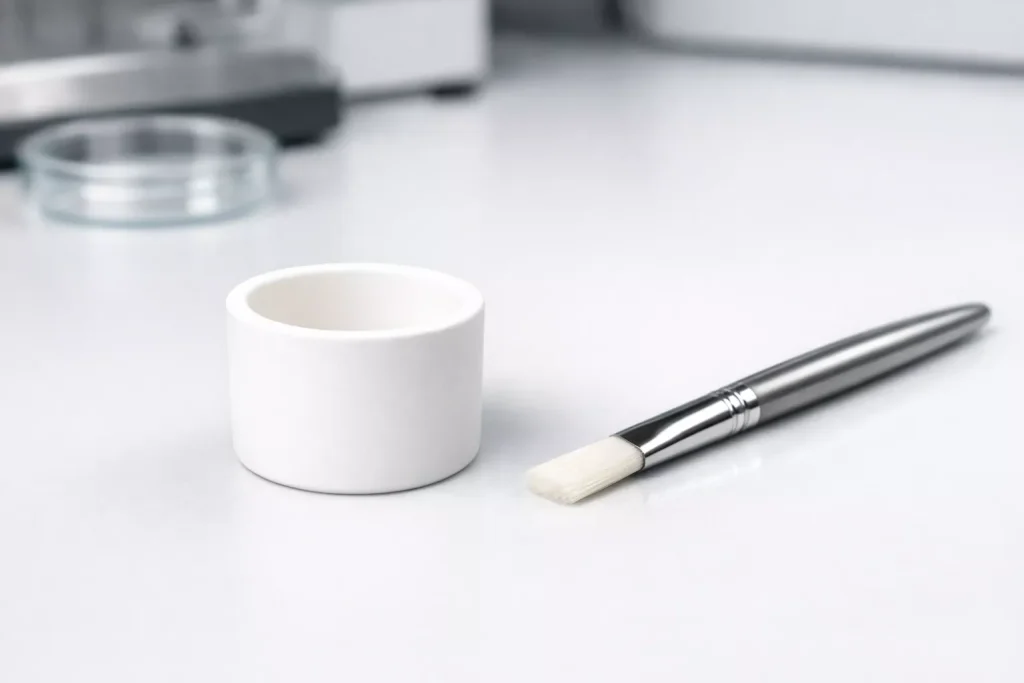
A zirconia crucible is a container made from stabilized zirconium oxide (ZrO₂) — yttria-stabilized (YSZ) or magnesia-stabilized (MSZ) — for very high-temperature, chemically aggressive use. Its usable temperature depends on stabilizer route, atmosphere (air, vacuum or inert) and thermal cycling, so we confirm the working range by review rather than quote a single fixed ceiling. It is used to melt precious metals, sinter and calcine ceramic or battery powders, and hold samples in lab furnaces.
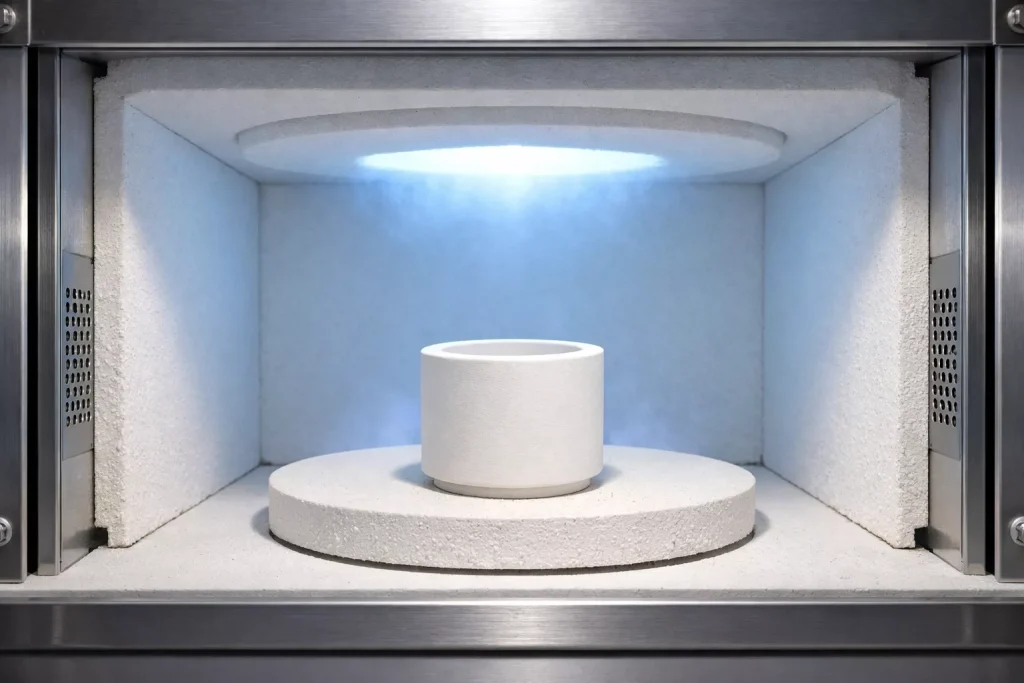
Because zirconia is thermal-shock sensitive, we review heating/cooling rate, wall thickness and shape against your furnace cycle before confirming a design.
ADCERAX Industrial Zirconia Crucible Collection
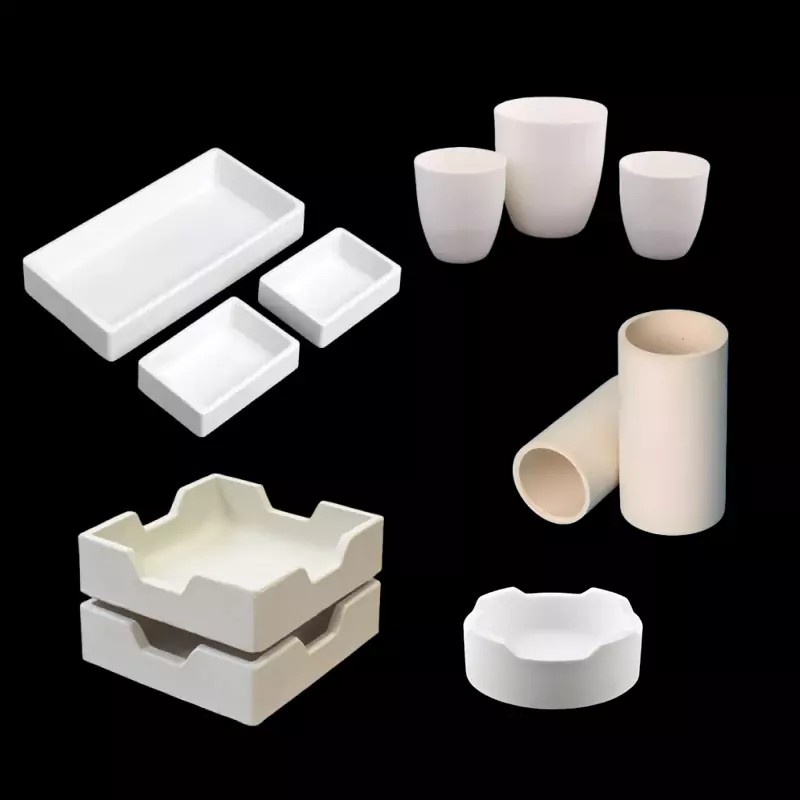
ADCERAX provides a broad range of zirconia ceramic crucibles designed for industrial and laboratory needs. Both zirconia ceramic crucibles and specialized options such as yttria stabilized zirconia crucible (YSZ) or magnesia stabilized zirconia crucible (MSZ crucible) are available with factory-direct support.
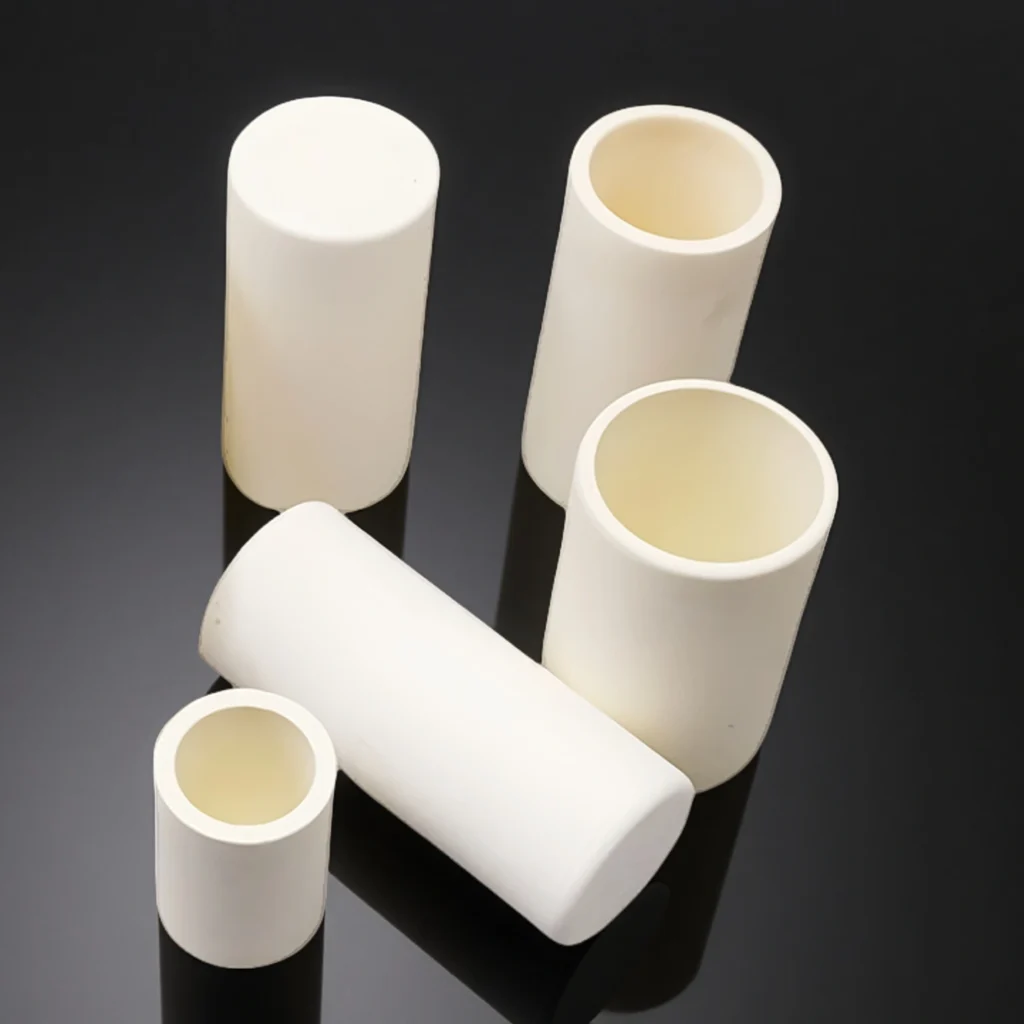
ZrO2 cylindrical crucible ensures stable containment of molten platinum and palladium.
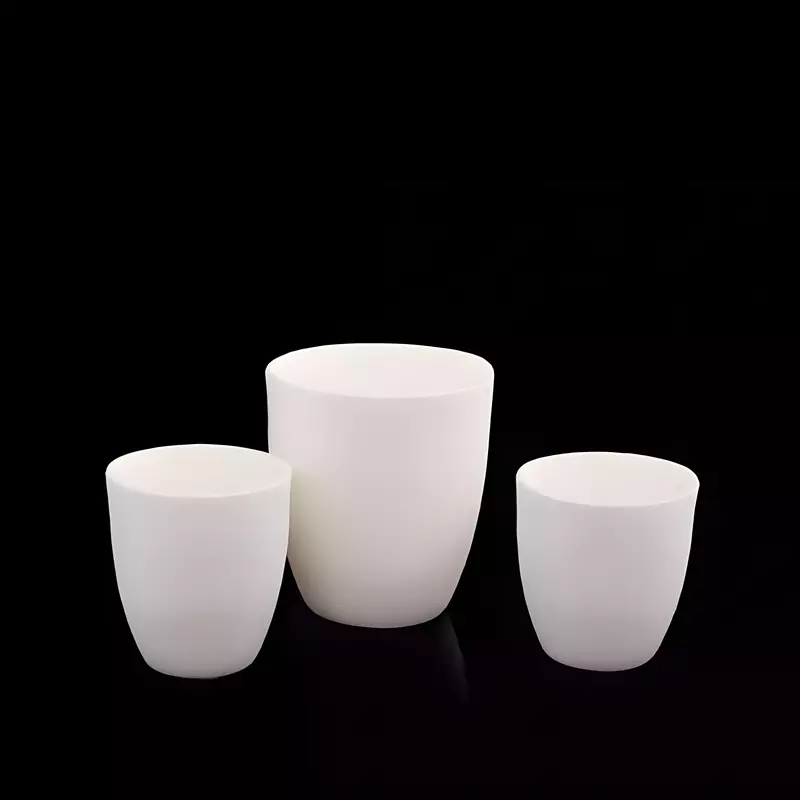
The arc geometry promotes uniform heating across reactor systems.
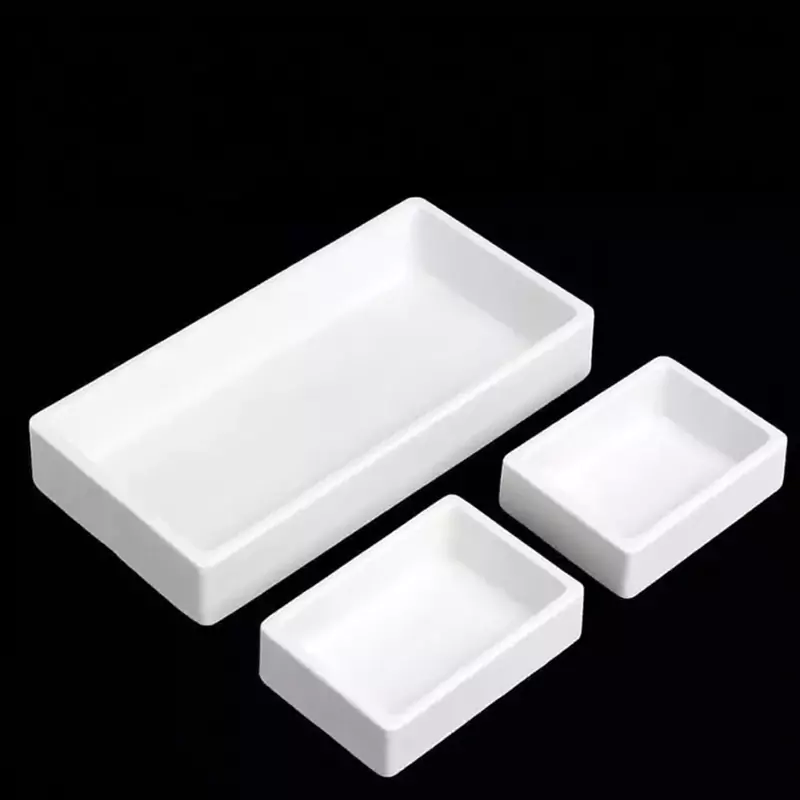
Rectangular zirconia crucibles provide even heating surfaces for analytical labs.
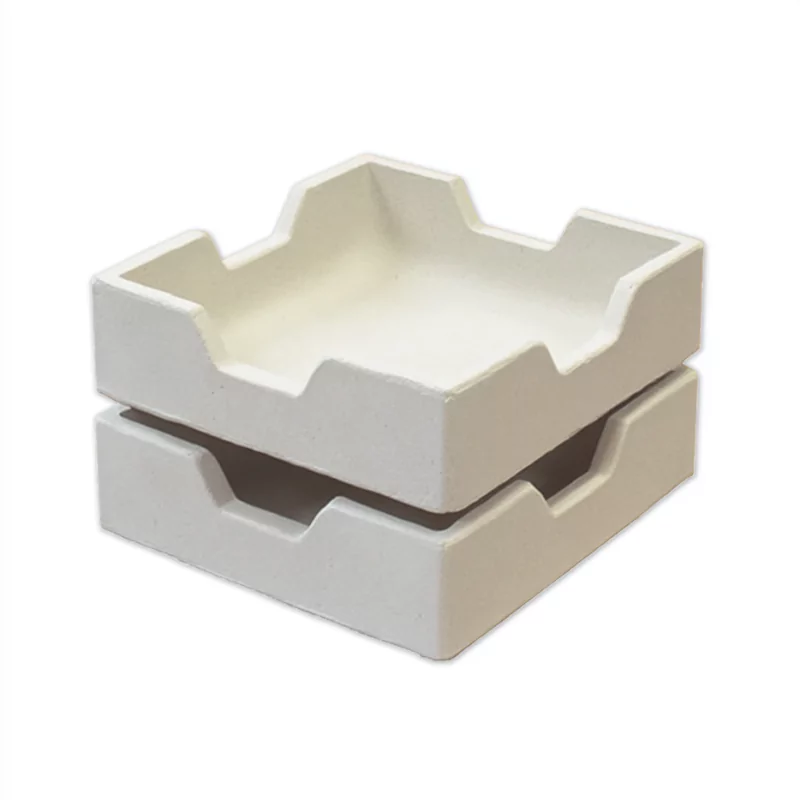
Specialized tray designed for demanding lithium battery material processing.
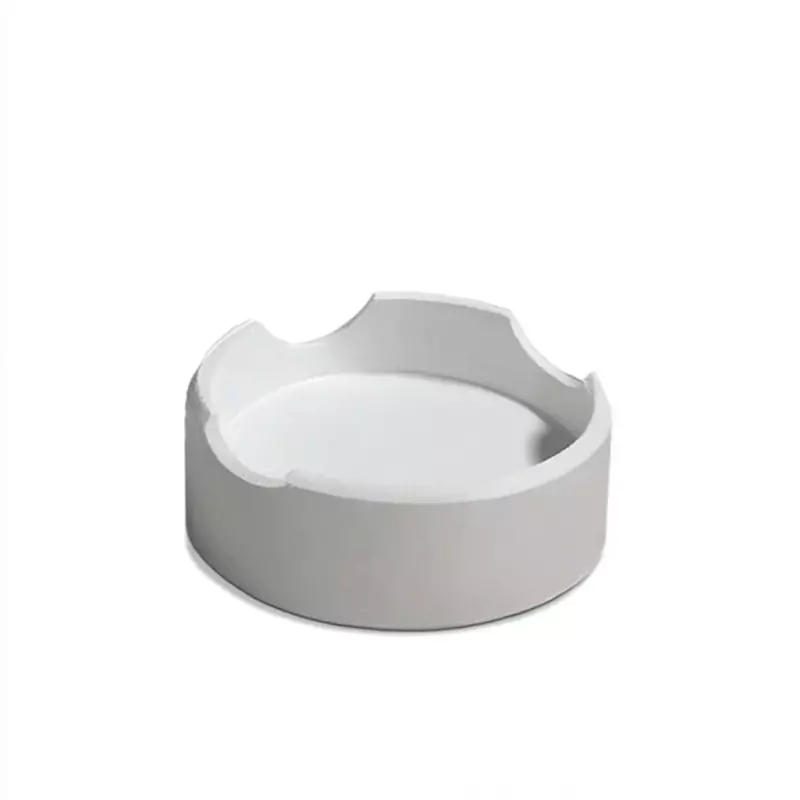
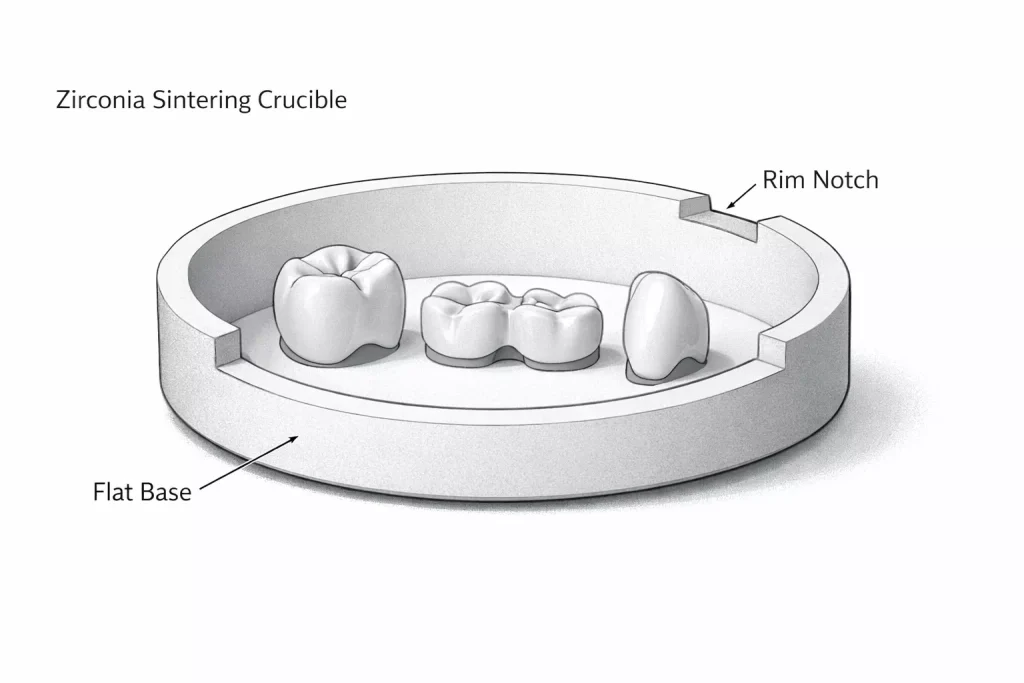
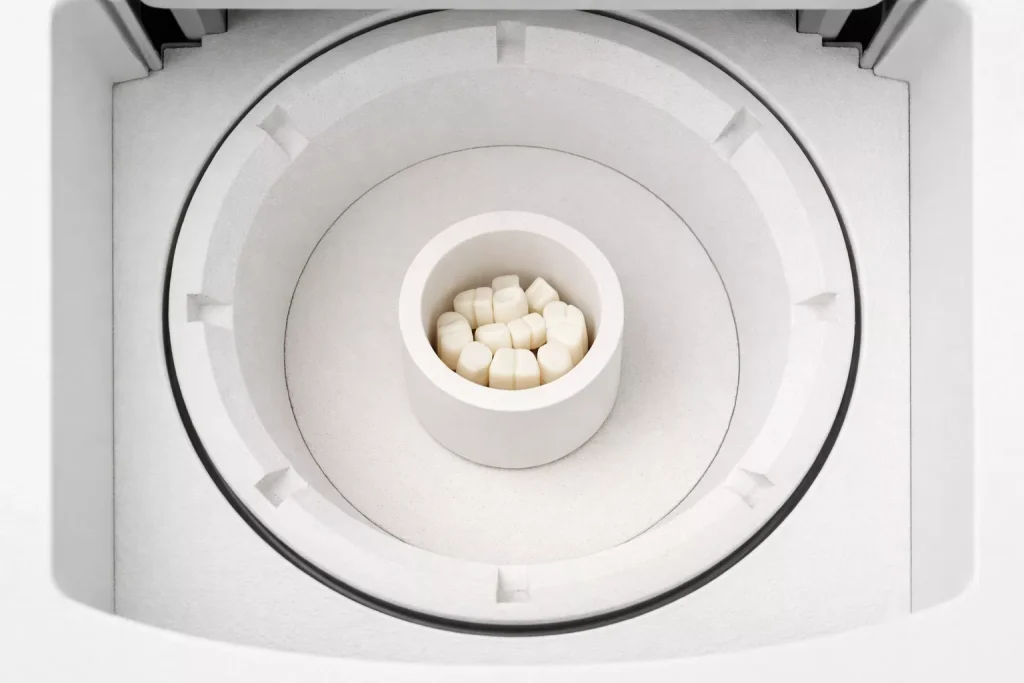
Round trays are widely used in dental zirconia sintering units.
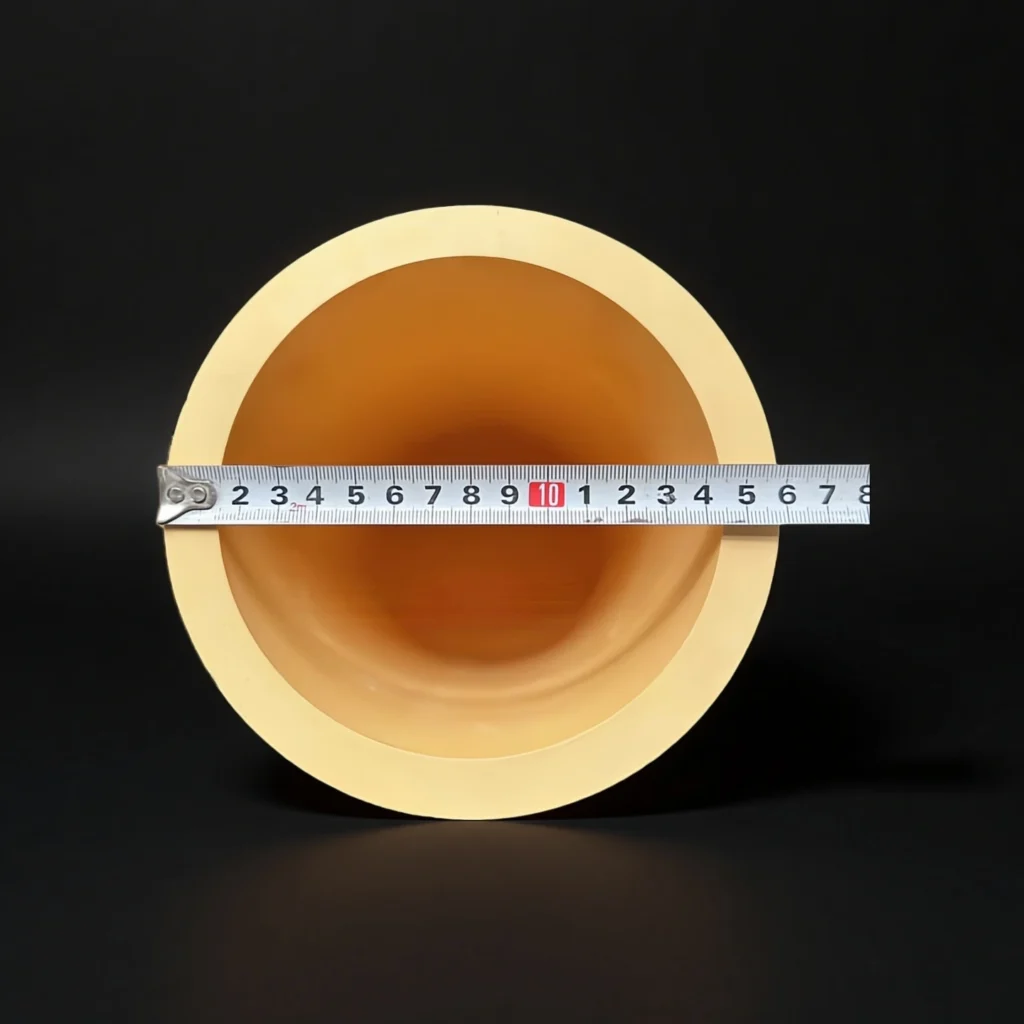
Magnesia stabilized zirconia crucible is designed for extreme melting processes.
Typical Properties of ADCERAX Zirconia Grades
| Property | AD-ZRO-3Y | AD-ZRO-8Y | AD-ZRO-MG | AD-ZRO-CA |
|---|---|---|---|---|
| System | 3Y-TZP | 8Y-FSZ | Mg-PSZ | Ca-PSZ |
| Density (g/cm³) | 6.00–6.08 | 5.90 | 5.70–5.80 | 5.60–5.75 |
| Flexural strength (MPa, 20°C) | 800–1000 | 300 | 500–755 | 400–600 |
| Hardness HV (GPa) | 12.5 | 12.3 | 11.5 | 10–11 |
| Fracture toughness KIC (MPa·m½) | 7.2–9.0 | 3.5–4.0 | 6–12 | 5–8 |
| First-use cue | Structural / wear | Oxygen-ion / functional | Toughness / cycling | Dense / refractory config |
Structural thermal (3Y / Mg / Ca only — do not apply 8Y structural thermal row blindly): CTE (10⁻⁶/K, 40–80°C) 11 / 10.5 / 10.0–10.5; thermal conductivity @20°C 3 / 2.5 / 2 W/(m·K); volume resistivity @20°C >10¹⁴ Ω·cm for each.
Why Engineers Choose ADCERAX Zirconia Crucibles
Stable, low-contamination performance backed by material-route selection and engineering review — see the spec table above for the numbers.
High-Temperature Performance
- Stays dimensionally stable and strong under repeated heating cycles
- Usable temperature set by atmosphere (air / vacuum / inert) and thermal cycle, not a single fixed ceiling
- Dense, high-strength zirconia body — see working range in the spec table
Made to Your Drawing
- Cylindrical, conical, rectangular, boat and fully custom shapes
- Non-standard sizes, lids, tighter tolerances; OEM and small batch supported
- A drawing or old-part photo is enough to start a review
Low Contamination & Chemical Stability
- Non-wetting to most molten metals — reduces melt loss and pickup
- Stable against most acids, alkalis and slags; strong acids such as sulfuric confirmed by review
- Protects sample purity in melting, calcination and analysis
Thermal Shock Managed by Design
- Zirconia is thermal-shock sensitive — we manage it rather than over-promise
- Material route (Y-TZP vs MSZ), wall thickness and shape matched to your furnace cycle
- MSZ route available where thermal cycling is severe
Zirconia Crucible Properties That Keep Crucibles Alive
The data below helps you match material route, strength and thermal-shock behavior to your process. Final values for YSZ or MSZ are confirmed for your part at engineering review — so you order a crucible built for your cycle, not a generic spec.
Not Sure Which Zirconia Crucible You Need?
Send a drawing or old-part photo plus your temperature, atmosphere and load — we confirm the YSZ/MSZ route, shape and typical lead time. Factory-direct, custom shapes, small batches welcome.
Application Scenarios of ADCERAX Zirconia Crucibles
ADCERAX Zirconia crucibles are adopted across industries where extreme temperatures, chemical stability, and material purity are essential. Their versatility makes them suitable for metallurgy, ceramics, glass production, and advanced research environments.
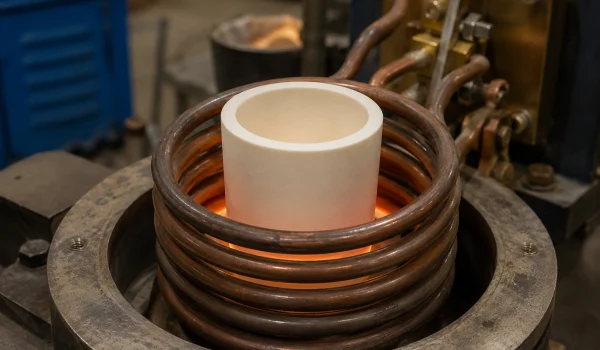
Precious Metal & Superalloy Melting
Melt and cast platinum-group metals and superalloys where contamination and crucible failure are costly.
- Non-wetting to precious metals — reduces melt loss and pickup
- Holds shape under repeated melting cycles
- Route (YSZ/MSZ) and shape matched to your melt and furnace
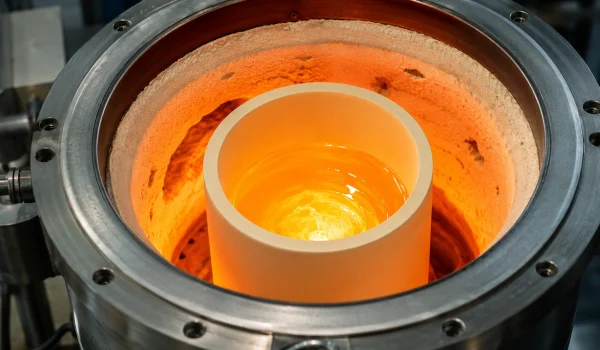
Powder Calcination, Sintering & Battery Materials
Calcine and sinter cathode, rare-earth and ceramic powders with low contamination and stable batches.
- Low pickup protects powder purity and batch consistency
- Crucibles, boats and trays for continuous furnace lines
- Repeat-supply / consumable pack friendly
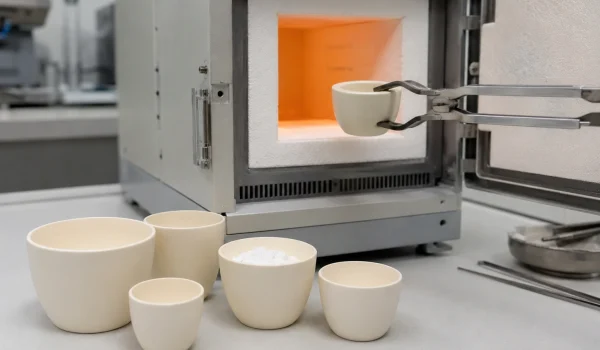
Lab Furnaces & Thermal Analysis
A stable, low-contamination sample container for high-temperature lab furnaces and thermal analysis.
- Consistent geometry for repeatable results
- Custom capacities and shapes for your setup
- Small-batch and non-standard sizes welcome
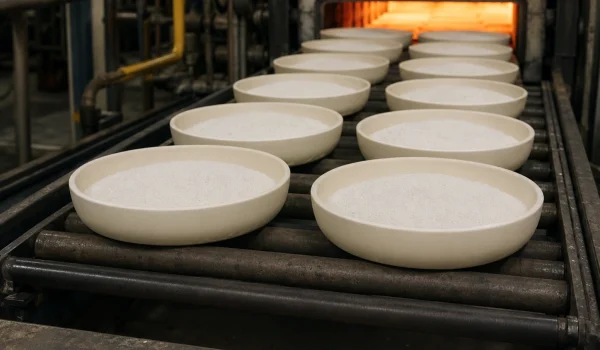
Furnace Consumables & OEM Supply
A reliable backup and repeat source for crucibles bundled with melting, calcining or lab-furnace equipment.
- Drawing-based replication of failing or discontinued crucibles
- Annual consumable / spare-parts supply
- Engineering review before switching supplier
Custom Zirconia Crucibles, Made to Your Drawing
ADCERAX makes custom zirconia crucibles to your drawing or old-part photo — cylindrical, conical, rectangular, boat, with-lid and non-standard shapes. Send your temperature, atmosphere and loaded material, and our engineers confirm the material route, feasible geometry and a typical lead time.
Customization Options
Cylindrical, conical, rectangular, boat, with-lid or fully custom forms, in the capacity and dimensions your furnace needs.
Capacity, OD, ID, height and wall thickness set together — wall and geometry reviewed for thermal-shock resistance, not guessed.
YSZ (Y-TZP) for the main high-temperature route, or MSZ where thermal cycling is severe. We confirm the route for your load — no default stabilizer assumed.
Lids, pour geometry and a smooth, low-contamination surface — matched to your melt, powder or sample so purity is protected.
Customization Process
Share a drawing, CAD or old-part photo with temperature, atmosphere, load and quantity.
Engineers review manufacturability and thermal-shock risk, then confirm route, shape and lead time.
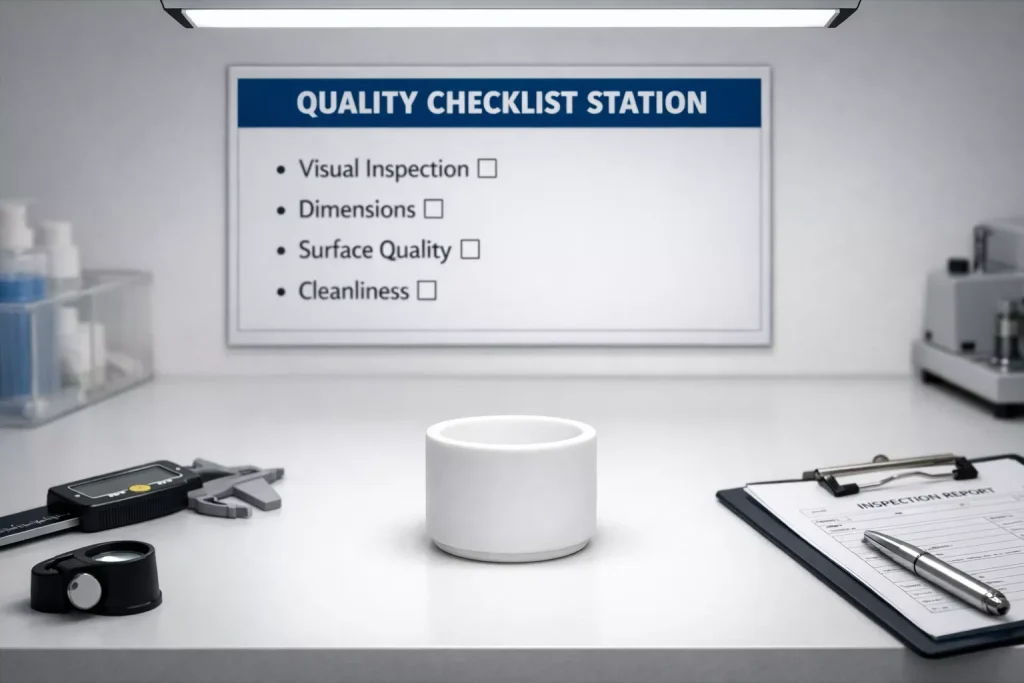
Prototype first if needed, then batch production with dimensional and density checks on every batch.
Protective packing for fragile ceramics, with worldwide shipping and full documentation.
One-Stop Zirconia Crucible Manufacturing
When a standard size doesn't fit or your supplier discontinued a part, we rebuild it to drawing — custom capacities, shapes, lids and wall designs, including hard-to-source geometries other suppliers turn down.
Reviewed Before You Commit
Send a drawing or old-part photo with your working conditions. We confirm the route, shape and lead time before you order — catching cracking and contamination risks up front.
Prototype to Repeat Supply
Crucibles are consumables — a single-sourced part stalls production. We support trial batches, annual repeat supply and OEM packs, with the same route and inspection every batch.
Direct Factory Communication
You talk directly to the engineers who make the crucible — no trading-company middleman. Questions on route, feasibility or lead time get a straight answer from the people running the build.
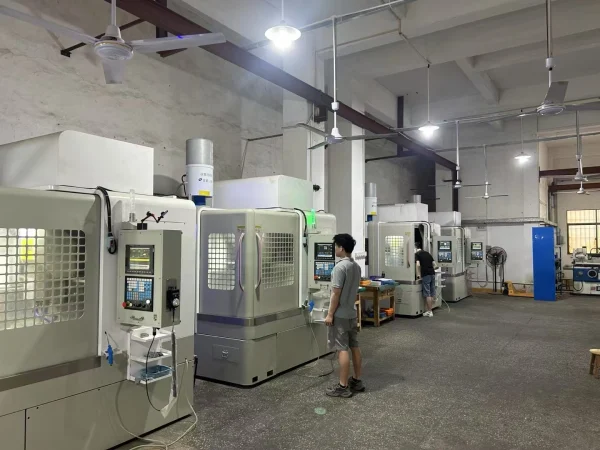
Manufacturing Capabilities
| Capability Item | Typical Value / Description | Relevance to Buyers |
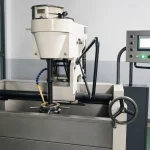
| Sintering Furnaces | Operating up to 2250°C with controlled atmosphere | Ensures crucible density and phase stability |
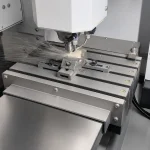
| CNC Machining Precision | Dimensional tolerance within ±0.2 mm | Meets tight laboratory and metallurgy specifications |
| Batch Consistency Testing | 100% QC on density and dimensions | Reduces rejection rates and downtime risk |
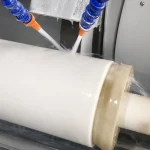
| Polishing & Grinding Lines | Surface roughness down to Ra 0.4 μm | Prevents contamination in research and medical use |
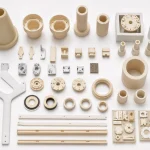
| Engineer Support Team | Minimum 10+ years ceramic experience | Provides drawing validation and technical consultation |
Frequently Asked Questions About Zirconia Crucibles
A zirconia crucible maintains structural stability toward ≈2200 °C in vacuum or inert atmospheres (≈1900–2000 °C typical in air), preventing collapse during melting cycles. It also resists wetting by noble metals, reducing material loss. This makes it reliable for platinum, palladium, and high-value alloys.
Zirconia is a strong but thermal-shock-sensitive ceramic: rapid heating or quenching can crack any zirconia crucible if the cycle is too aggressive. That is why we review your heating and cooling rates, wall thickness and crucible shape before confirming a design, and why the magnesia-stabilized (MSZ) route is offered for harsher cycling. Controlled ramp rates — rather than a blanket "crack-proof" promise — are what deliver long service life.
Zirconia crucibles offer good resistance to many acids, alkalis, molten salts and slags, which protects both crucible and sample from contamination. There are exceptions — for example hot concentrated sulfuric environments — so we confirm compatibility against your exact chemistry before quotation.
Arc shaped crucibles are used in reactors and furnaces requiring even heat distribution. They support material sintering where curved surfaces reduce stress concentration. These are common in research-scale and pilot plants.
Rectangular crucibles provide wide, flat surfaces that ensure even powder distribution during sintering. They are favored for consistent results in material science studies. Their geometry improves heating uniformity across small samples.
Yes — zirconia crucibles and sintering trays are used for calcining cathode powders and sintering battery materials, where a low-contamination, corrosion-resistant container matters. Compatibility is confirmed against your specific lithium chemistry, firing temperature and cycle before we recommend a design.
Round zirconia trays are widely used in dental labs for block sintering. Their smooth surfaces prevent micro-cracks in zirconia dental crowns. This ensures high precision in restorative ceramic production.
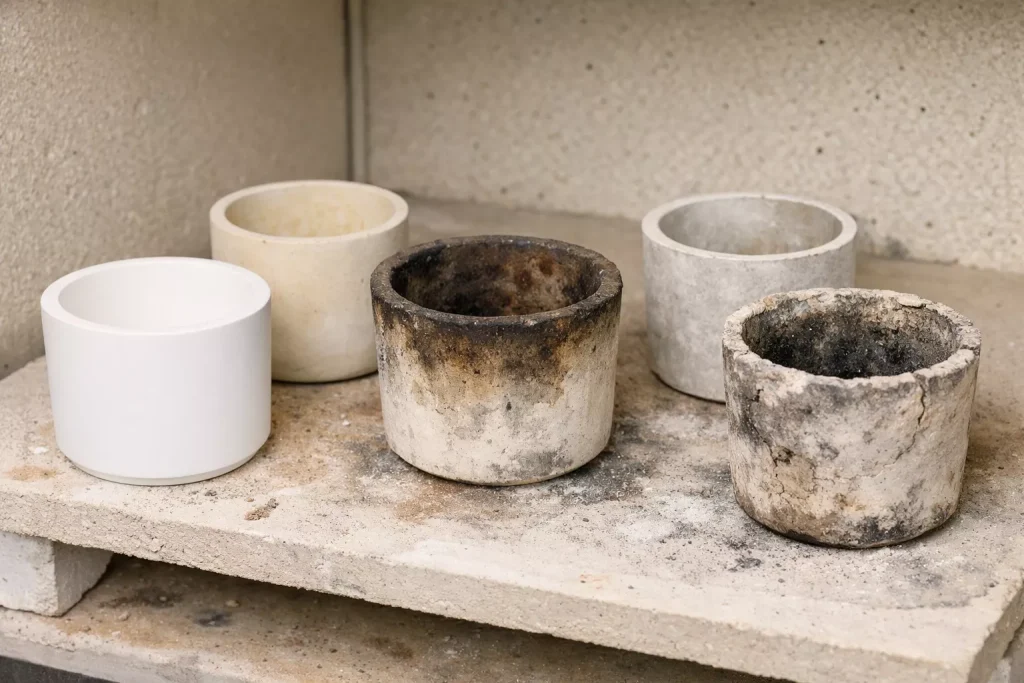
Service life depends on thermal cycling intensity, heating rates, atmosphere and handling. As a typical reference, well-matched crucibles in moderate cycling can serve through many dozens of firing cycles, while aggressive quenching shortens life sharply. Share your furnace cycle and we will recommend the route (YSZ or MSZ) and wall design that lasts longest in your process.
Yttria-stabilized zirconia (YSZ) is the standard route for most melting, calcination and lab work, offering high strength and density. Magnesia-stabilized zirconia (MSZ) trades some strength for better tolerance of harsh thermal cycling, making it worth reviewing when your process involves faster ramps or repeated quenching. Tell us the temperature profile and loaded material, and we will confirm the right route.
Send us the shape and capacity (or a drawing / old-part photo), working temperature and atmosphere, the material you melt or fire, and quantity. ADCERAX reviews the material route and manufacturability first, then replies with what we can make and the typical lead time — engineering review always comes before quotation.
What to Send for a Fast, Accurate Review
Share as many of these as you have — a drawing or old-part photo plus working conditions is usually enough for a first review:
- Shape / type: cylindrical, conical, rectangular, boat, with-lid or custom
- Capacity & key dimensions: OD, ID, height, wall thickness
- Material route: YSZ (Y-TZP) or MSZ, purity if required
- Peak temperature & atmosphere: air, vacuum or inert
- Loaded material: the melt, powder or sample it holds
- Thermal cycle: heating/cooling rate and number of cycles
- Quantity & repeat need
- Drawing or old-part photo
Send what you have — even a drawing or a sample is enough to start. Our engineers review material, tolerance and feasibility before quoting.
*Our team will answer your inquiries within 24 hours.
*Your information will be kept strictly confidential.
info@adcerax.com
Tel:+86-0731-84428843
WhatsApp:+86 19311583352
Within 24 hours