
Nitride Bonded Silicon Carbide Ceramic — for Kiln Furniture and High-Temperature Refractory Parts
ADCERAX makes nitride bonded silicon carbide (NBSiC / NSiC) kiln furniture and refractory parts — kiln plates, beams, supports, saggers and riser tubes — for high-temperature firing lines and low-pressure aluminum casting. NBSiC handles thermal shock, high-temperature load and molten aluminum better than oxide-bonded SiC, cordierite or metal, so your parts stay flat and last longer. Send a drawing or old-part photo and our engineers will review it before quoting.

What Is Nitride Bonded Silicon Carbide (NBSiC)?
Nitride bonded silicon carbide (NBSiC / NSiC) is a refractory ceramic in which silicon carbide grains are bonded by a silicon nitride (Si3N4) phase, giving a tough, load-bearing microstructure with controlled porosity.
Compared with oxide-bonded SiC and cordierite, this bond delivers higher oxidation resistance, thermal-shock resistance and strength at temperature — so parts keep their shape instead of warping or cracking.
Across kiln firing, molten-aluminum handling and other high-temperature operations, NBSiC stays dimensionally stable where conventional refractories fail.
High flexural strength and low creep under load
Stable in continuous firing across 1200–1450°C (design-dependent)
Survives repeated rapid firing cycles
Resists kiln atmospheres and molten aluminum
NBSiC Properties — Typical Values & Engineering Notes
Material behavior of Nitride Bonded Silicon Carbide Ceramic reflects its suitability for high-load and high-temperature industrial applications.
| Property | Typical Value / Range | Engineering Notes |
| Thermal | ||
| Max Service Temperature | 1350–1450°C (typical, design/atmosphere-dependent) | Stable in continuous high-temperature firing |
| Thermal Conductivity | ~15–45 W/m·K (typical, by grade) | Even heat distribution in kilns |
| Thermal Expansion (CTE) | ~2.7–4.5 ×10⁻⁶/K (typical) | Low expansion limits distortion and cracking |
| Thermal-Shock Resistance | High (cycle life depends on part, load, firing profile) | Survives rapid heating/cooling |
| Mechanical | ||
| Flexural Strength (RT) | 120–160 MPa (typical) | Supports kiln plates and beams under load |
| Creep under Load | Low (value depends on test condition) | Resists sagging in long firing |
| Density | 2.60–2.85 g/cm³ (typical, by porosity) | Balanced strength-to-weight |
| Porosity | ~10–15% (typical) | Refractory material, not a dense sealing ceramic |
| Chemical | ||
| Oxidation Resistance | Good; low mass gain (test-condition dependent) | Protective silica layer slows oxidation |
| Molten-Aluminum Contact | Suitable for riser / stalk tubes | Confirm alloy and temperature |
| Acid/Base Stability | High chemical inertness | Resists kiln gases, fluxes, slags |
Note: NBSiC is an electrically semiconducting refractory, not an electrical insulator. The values above are typical ranges, not guaranteed for a specific part — our engineers confirm them against your drawing and operating conditions before quotation.
Nitride Bonded Silicon Carbide Ceramics Product Range
The following product configurations highlight how Nitride Bonded Silicon Carbide Ceramic components operate reliably across diverse thermal and structural industrial environments.
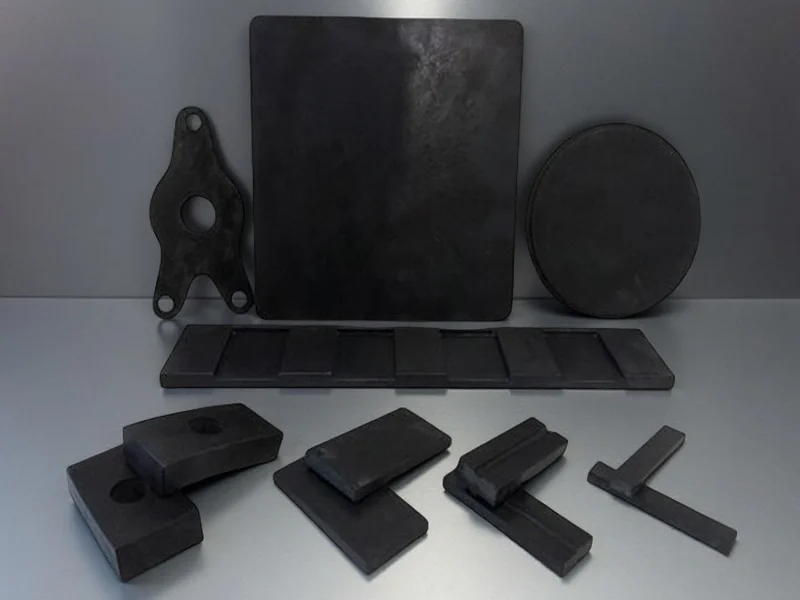
NBSiC Kiln Plate
Flat setter plates and batts for firing sanitary ware, tableware and technical ceramics — thin, low-mass and warp-resistant.
High-Performance NBSiC Parts for Demanding Industrial Systems
View Full Range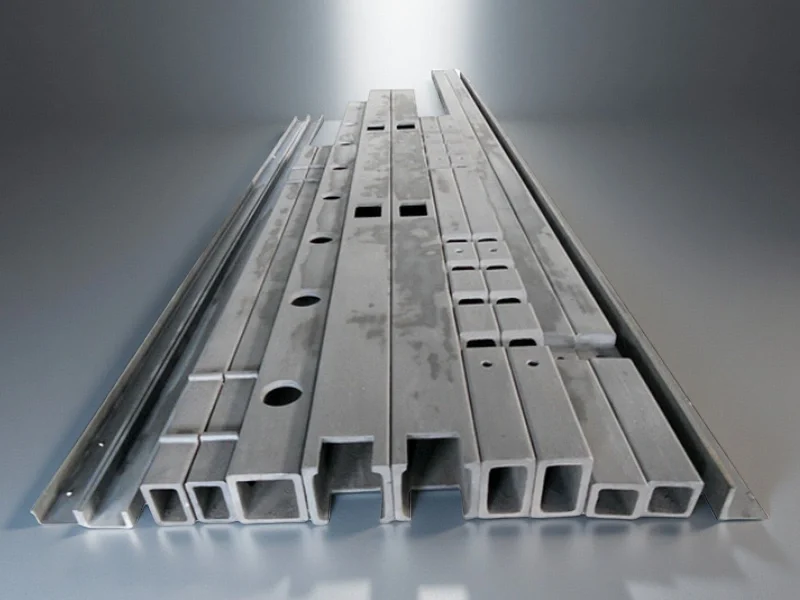
NBSiC Beam
Cross and support beams for multi-layer kiln cars and tunnel-kiln structures — high-temperature load bearing with low deformation.
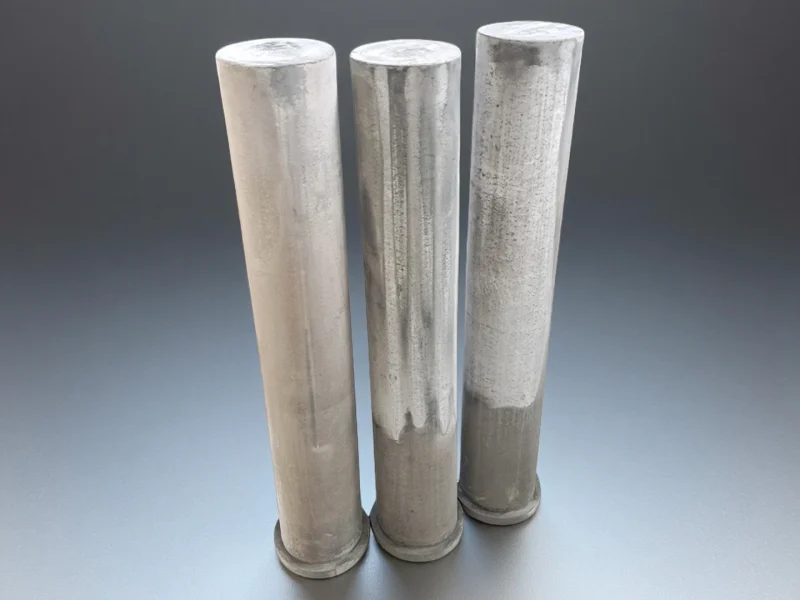
NBSiC Riser Tube
Riser and stalk tubes for low-pressure aluminum casting — resist molten-aluminum wetting and keep a smooth inner wall for stable metal flow.

Cylindrical NBSiC Crucibles
Cylindrical crucibles for calcination, melting and high-temperature powder firing — thermal-shock resistant for repeated cycles.
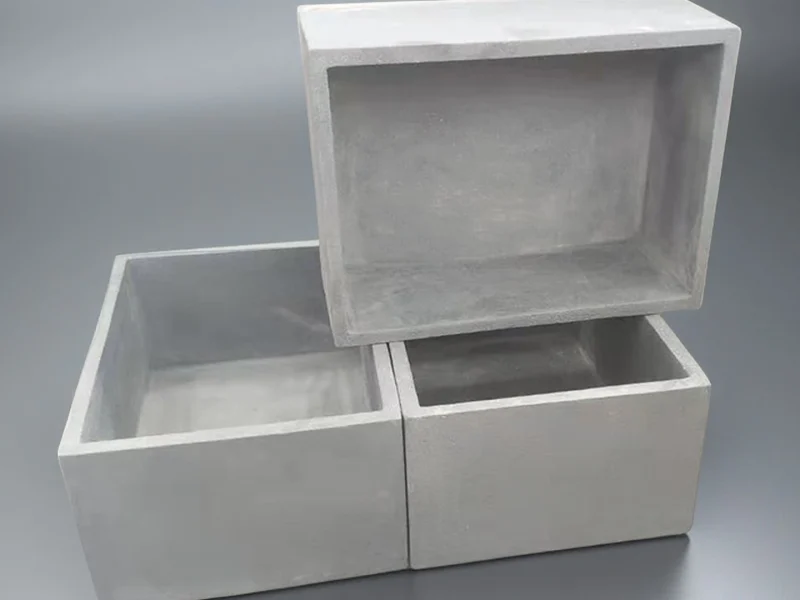
Square NBSiC Crucible
Square crucibles and saggers for batch powder and material firing — even walls and reinforced corners for large-volume batches.
Where NBSiC Ceramic Is Used
Tell us your firing or casting condition — we'll confirm NBSiC can meet it before you commit.
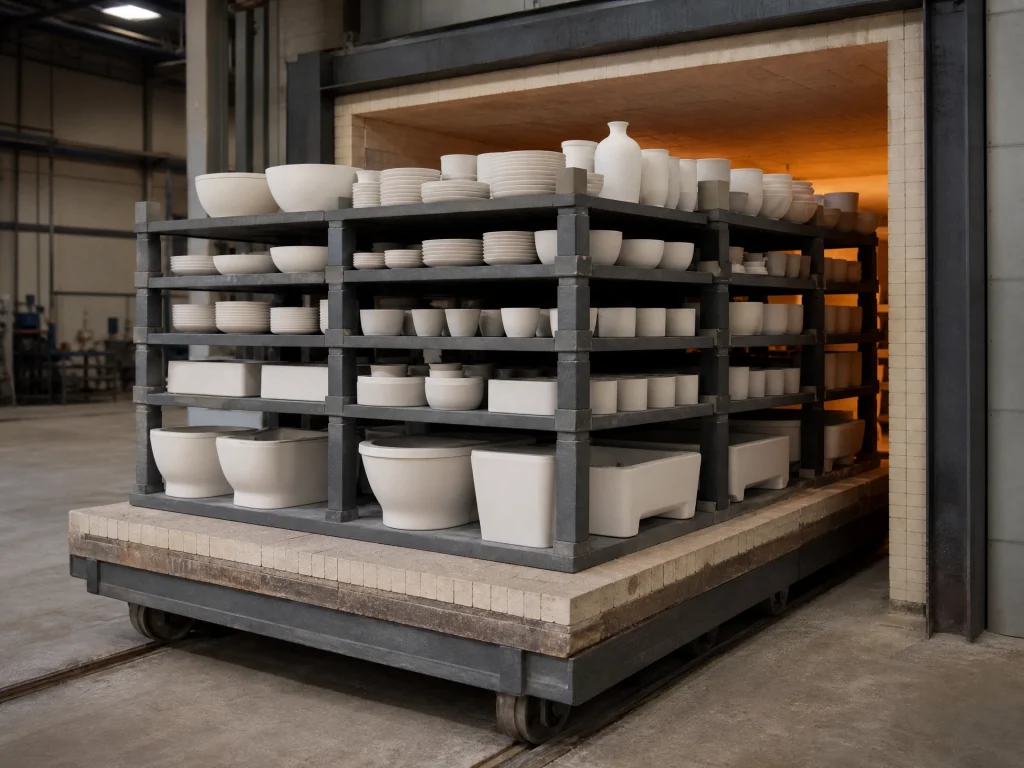
Sanitary Ware & Tableware Firing
Keep more firing yield, load after load.
NBSiC setter plates and beams stay flat and crack-free through repeated firing, so you fit more per kiln car and replace kiln furniture far less often.
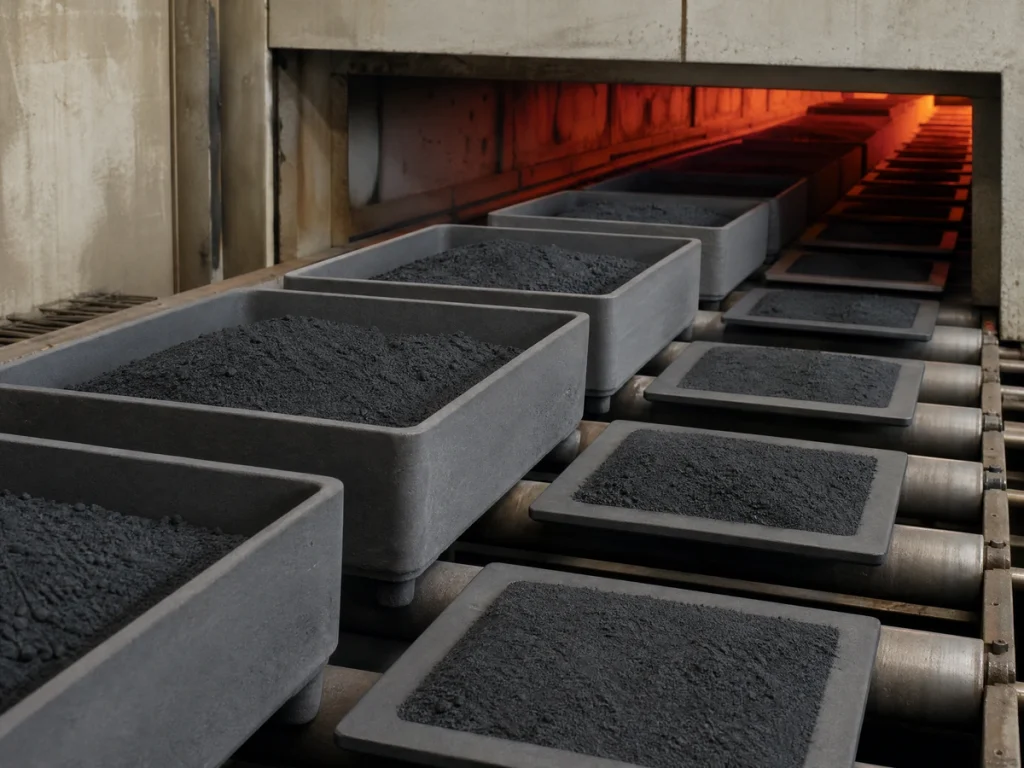
Electronic & Battery-Powder Calcination
Consistent batches, soak after soak.
NBSiC setters and saggers hold their exact geometry through long high-temperature calcination, so your powders and electronic ceramics fire the same every time.
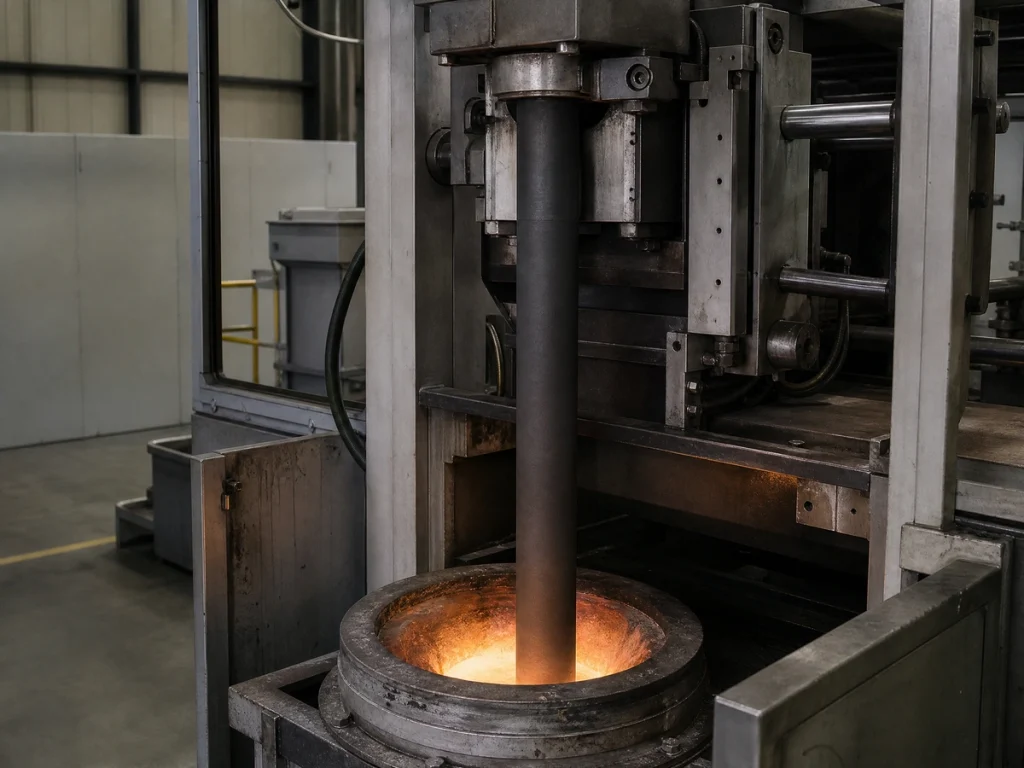
Low-Pressure Aluminum Casting
Longer tube life, cleaner metal flow.
NBSiC riser and stalk tubes resist molten-aluminum wetting and buildup, so casting stays stable and you change tubes less often.
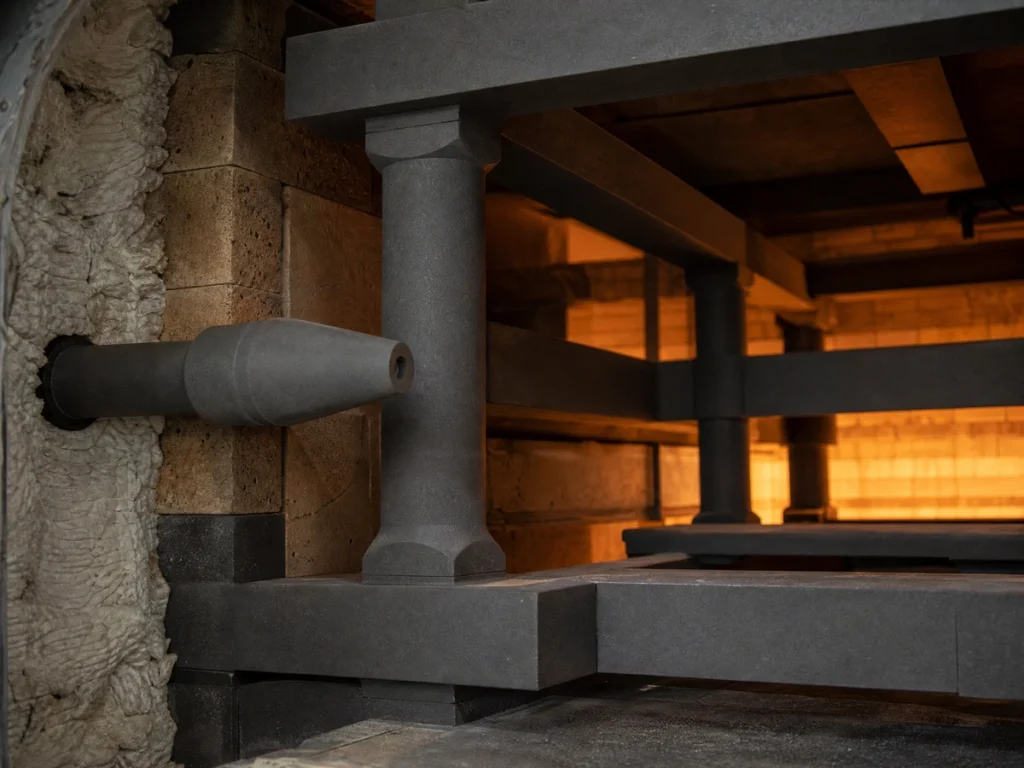
Furnace Hot-Zone & Refractory Parts
Your part, your condition, built to last.
Send a drawing or the failed part — we make NBSiC supports, linings and nozzles matched to your furnace conditions.
Custom NBSiC Parts — Drawing-Based Manufacturing
ADCERAX makes custom NBSiC kiln furniture and refractory parts from your drawing, old part or photo — from one-off prototypes to repeat batch production.
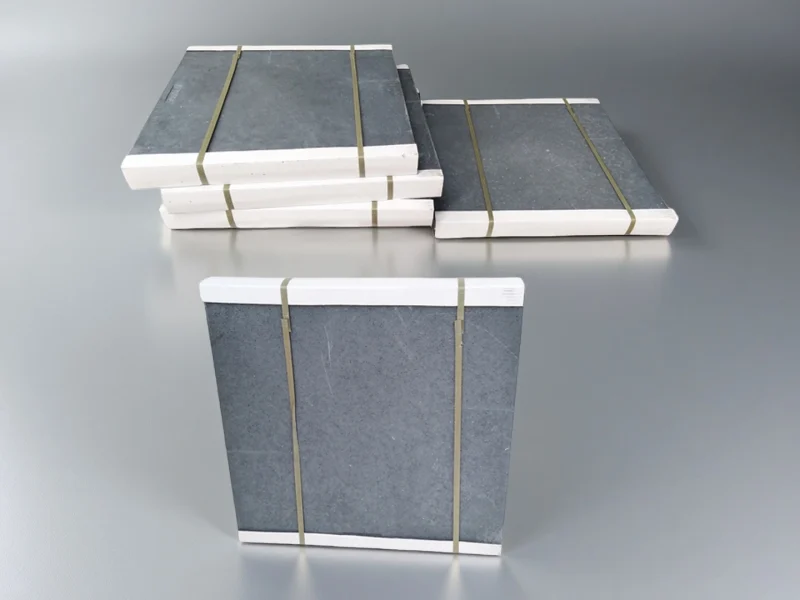
Customization Options
extra-large or extra-small plates, long beams, non-standard wall thickness and lengths.
holes, slots, steps, chamfers and bores machined to your drawing.
tighter tolerance on critical faces and bores, confirmed on the RFQ.
NBSiC / NSiC, or advise on OBSIC / SiSiC-RBSiC / cordierite for your condition.
grind or polish critical surfaces to a target roughness.
Customization Process
Send your drawing, CAD file or sample with material route, dimensions, tolerance and quantity — we review and quote with lead time.
Once the quote is approved, we make samples (1–50 pcs) for testing.
We batch-produce by forming, nitride bonding and machining, with dimensional and visual checks on every part.
Parts are securely packed and shipped via DHL / FedEx / UPS with full documentation.
How We Make NBSiC Parts — Forming to Inspection
ADCERAX customizes NBSiC kiln furniture and refractory parts to your drawing — special sizes, tight tolerances and complex features, with OEM and small-batch support.
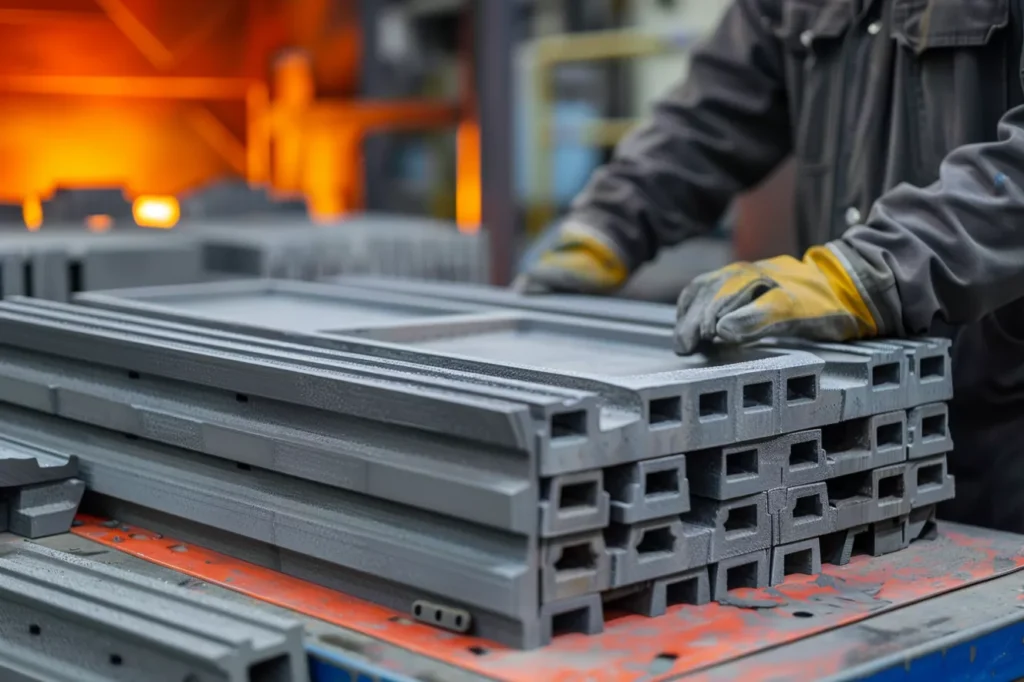
One-Stop Processing Services for NBSiC Ceramic Components
ADCERAX runs the full NBSiC workflow in-house — forming, nitride bonding, machining and inspection — built to your drawing or old part.
stable shaping across production stages
Si₃N₄ bond phase under controlled firing
traceability throughout production
consistent dimensional tolerance
optimized for repeated thermal cycles
varied geometries built to drawing
Core Strengths Behind NBSiC Manufacturing
| Capability Type | Key Specification / Description |
|---|---|
| Forming Equipment | ISO-press systems shaping multi-size green bodies |
| High-Temperature Furnaces | Nitriding / firing furnaces operating up to ~1450°C (typical) |
| Machining Systems | CNC platforms maintaining ±0.2 mm tolerance |
| Inspection Instruments | Flexural testing verifying 120-160 MPa strength |
| Dimensional Measurement | Digital metrology ensuring geometric consistency |
| Thermal Testing Setup | Thermal-shock test rig running repeated rapid cycles |
Advanced Processing Workflows
High-Temperature Nitride Bonding
Establishes the final NBSiC structure through controlled high-temperature nitride bonding.
reaching controlled 1450°C firing
forms the Si₃N₄ bond phase
consistent shape and dimensions

CNC Dimensional Finishing
Stabilizes geometric precision under tolerance control.
achieving ±0.2 mm tolerance stability
low-chipping surface finish
±0.1 mm repeatability

Thermal Shock & Load Testing
Verifies reliability under repeated thermal and mechanical stress.
30+ rapid cycles
strength retention (typical 120–160 MPa)
up to ~80°C/min (test)
Nitride Bonded Silicon Carbide Ceramic Components FAQs
Nitride bonded silicon carbide ceramic, also called NBSiC, NSiC or silicon nitride bonded silicon carbide, uses SiC grains bonded by a silicon nitride phase. It is commonly selected for refractory shapes, kiln furniture, supports, plates, beams, riser tubes and protection tubes used in high-temperature or molten-aluminum-adjacent equipment.
NBSiC is a porous refractory or kiln-furniture material route, while dense SSiC, RBSiC or SiSiC are different silicon carbide routes used for other mechanical, sealing or precision component needs. ADCERAX checks material route, form and operating condition before matching a ceramic option.
Typical RFQ forms include plate, batt, slab, shelf, beam, post, support, riser tube, stalk tube, protection tube, burner tube, brick, lining and other refractory shapes supplied by drawing or old-part sample information.
NBSiC service temperature depends on design, load, atmosphere, thermal cycling and material confirmation. A typical application-dependent reference range is 1350–1450°C, confirmed against your operating conditions before quotation.
NBSiC can be evaluated for riser tube, stalk tube, protection tube and other non-ferrous casting hot-zone parts. ADCERAX checks alloy, machine type, contact condition, tube size, interface and replacement target before selecting the route.
Share product form, drawing or old-part photos, size and tolerance, previous material, temperature profile, thermal cycle, atmosphere, molten-metal contact, load, support spacing, quantity and target replacement interval.
If the project requires dense sealing surfaces, very tight precision geometry, high-purity electrical insulation, cleanroom semiconductor parts or a different silicon carbide route, ADCERAX can route the inquiry to SSiC, RBSiC, Si3N4, alumina, zirconia or another relevant ceramic material path.
What to Send for an NBSiC Kiln Furniture / Refractory Quote
For a fast engineering review, please share:
- Component type — kiln plate / batt / shelf, beam, support / post, riser or stalk tube, crucible / sagger, burner nozzle
- Application & kiln — sanitary ware, tableware, electronic-ceramics or battery-powder firing; low-pressure aluminum casting; furnace hot-zone (shuttle / tunnel / roller-hearth kiln)
- Size & tolerance — key dimensions (L×W×thickness, or OD / ID / length), plus flatness / parallelism if critical
- Operating condition — service temperature, thermal cycles, atmosphere
- Load / support spacing / kiln-car layout — for kiln furniture (plates, beams, posts)
- Molten metal / alloy & machine type — for riser / stalk tubes
- Material route — NBSiC / NSiC, or compare vs OBSIC / SiSiC-RBSiC / cordierite
- Old part & drawing — old-part photo if replacing; drawing as PDF, DXF, STEP or image
Plus quantity — sample, pilot, annual spares or repeat production. Our engineers confirm the material route (NBSiC vs OBSIC / SiSiC-RBSiC / cordierite), feasibility and a realistic lead time by review before quotation.
*Our team will answer your inquiries within 24 hours.
*Your information will be kept strictly confidential.
info@adcerax.com
Tel:+86-0731-84428843
WhatsApp:+86 19311583352
Within 24 hours
