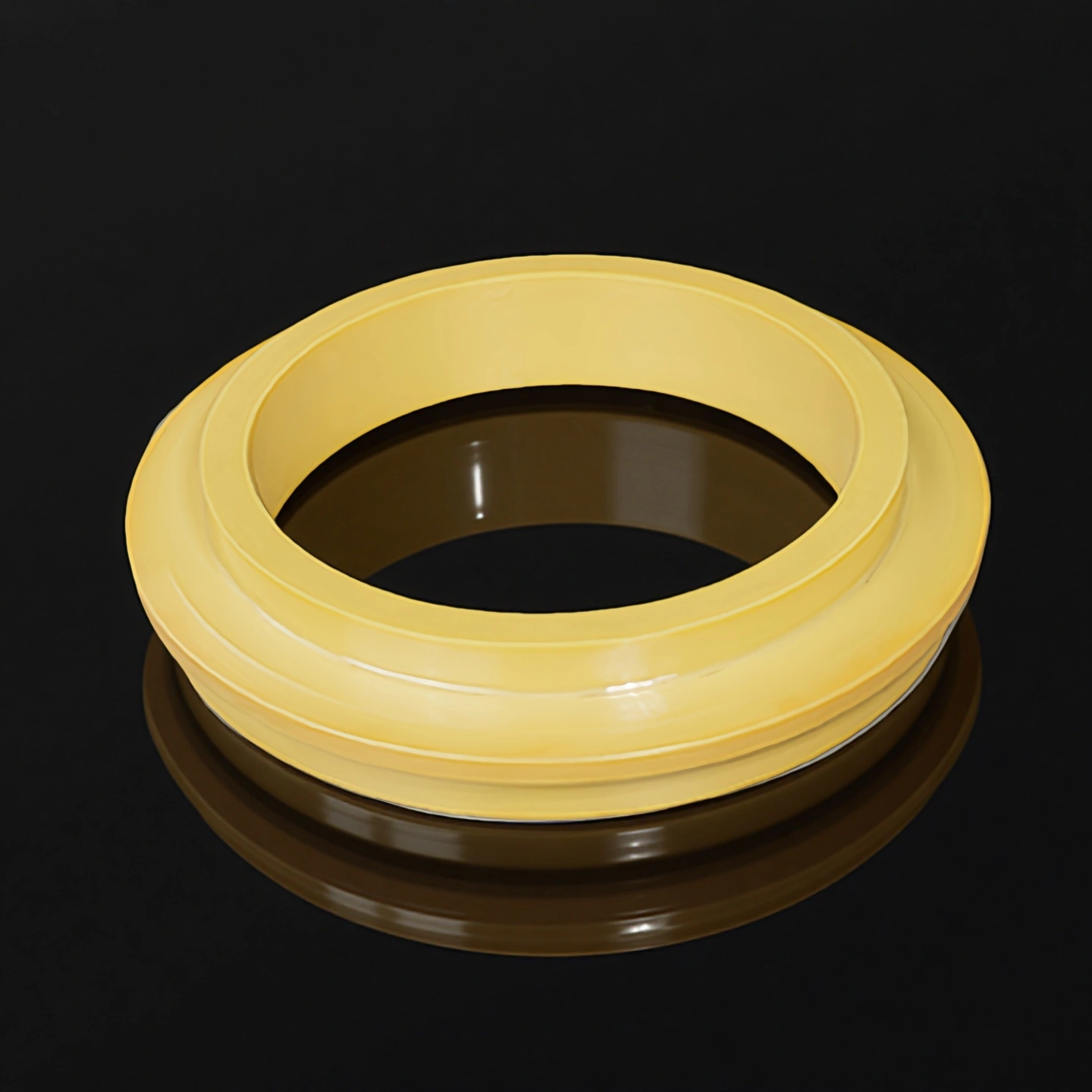
MSZ Ceramic Seal Ring for Pumps and Mechanical Seals

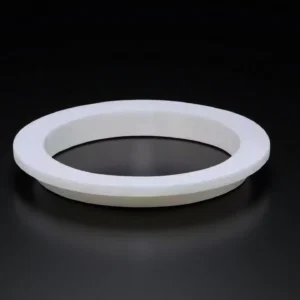
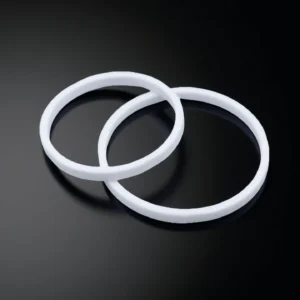
ADCERAX MSZ Ceramic Seal Ring is made from magnesia stabilized zirconia for pump, valve and mechanical seal assemblies that require higher toughness, wear resistance and chemical stability than many conventional metal, carbon or alumina sealing components.

MSZ is often selected for sealing faces exposed to abrasive slurry, chloride-containing media, pressure cycling, thermal shock or repeated cleaning. Each ring can be reviewed according to drawing dimensions, sealing face flatness, surface roughness, groove structure, counterface material, operating medium, pressure and temperature before quotation.

Catalogue No. AT-MG-M1001
Material Magnesia Stabilized Zirconia (MSZ)
Working Temperature Up to 1000 °C continuous service
Vickers Hardness 1100–1200 HV
Corrosion Resistance Stable in acid/alkali pH <3 or >11
Engineering RFQ Review
Small-Batch Custom Support
Factory-Direct Manufacturing
Drawing & Process Review

ADCERAX MSZ Ceramic Seal Ring is engineered from magnesia‑stabilized zirconia to deliver stable mechanical performance under demanding thermal and chemical conditions. Its multi‑phase microstructure provides improved resistance to thermal shock and surface degradation, enabling reliable sealing in pumps, valves, and fluid‑handling assemblies exposed to corrosive or abrasive media. This material stability supports long operating cycles, minimizes leakage risk, and maintains sealing integrity across a wide range of industrial environments.

Key Benefits of MSZ Ceramic Seal Ring

1. Improved Toughness for Sealing Contact

Magnesia stabilized zirconia provides higher fracture toughness than many standard oxide ceramics. This helps reduce edge chipping during assembly, pressure cycling, vibration or intermittent sealing contact.

2. Wear Resistance for Rotating and Sliding Faces

The hard ceramic surface helps maintain sealing geometry in pump, valve and mechanical seal assemblies. It is suitable for sealing areas exposed to friction, slurry, abrasive particles or repeated sliding contact.

3. Chemical Stability in Corrosive Media

MSZ ceramic seal rings can be reviewed for acids, alkalis, chloride-containing liquids, cleaning fluids and selected solvent-contact environments. This makes them useful where metal or softer sealing materials may corrode, swell or wear quickly.

4. Thermal Stability During Cleaning or Process Cycling

MSZ helps maintain dimensional stability when the sealing area is exposed to hot water, steam cleaning, elevated process temperature or repeated thermal cycling. This is important for systems that need stable sealing performance after repeated operation and cleaning.

5. Drawing-Based Manufacturing Support

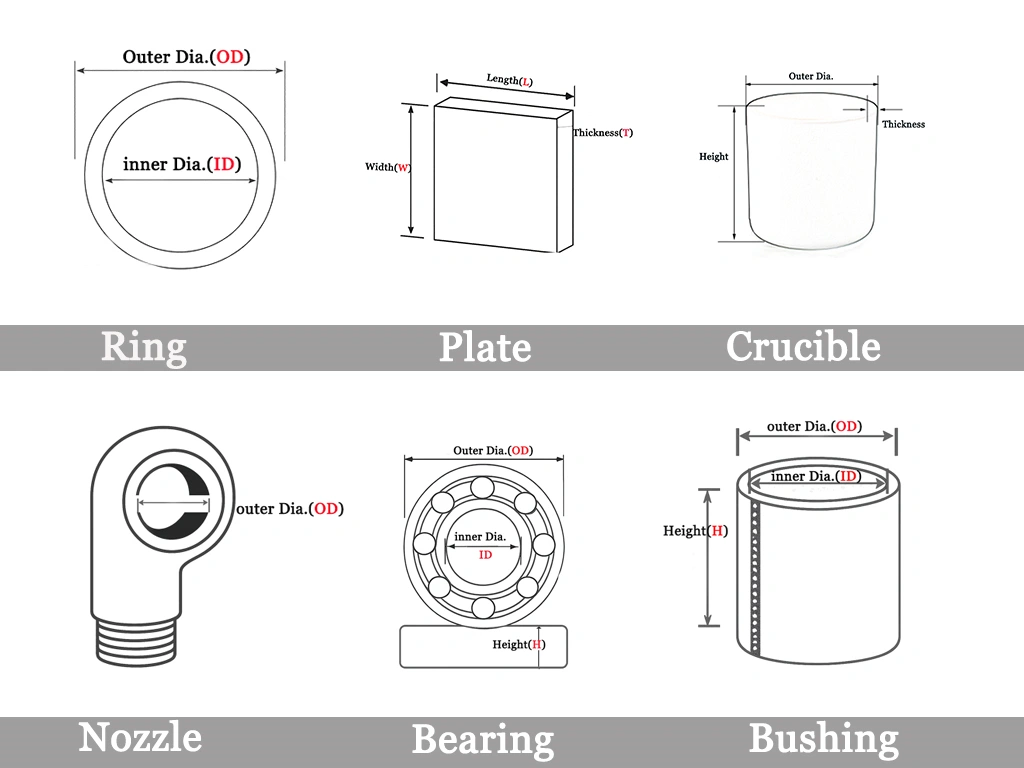
ID, OD, thickness, sealing face width, surface finish, chamfer, groove, step and mounting interface can be reviewed according to the customer’s drawing or sample. This helps match the ceramic ring to the existing pump, valve or mechanical seal structure.

MSZ Ceramic Seal Ring Material Properties

The following values are typical reference data for magnesia stabilized zirconia ceramic. Final selection should be reviewed according to the drawing, sealing structure, counterface material, working medium, pressure, temperature and cleaning method.

Property Specification Why It Matters for Seal Ring Design
Material Composition MgO-Partially Stabilized Zirconia This material structure helps improve toughness and phase stability, making the seal ring suitable for demanding pump, valve and mechanical seal applications.
Density 5.7 ± 0.05 g/cm³ Stable density supports consistent ceramic quality, dimensional stability and predictable sealing performance after machining and grinding.
Flexural Strength 500–620 MPa Higher flexural strength helps the seal ring resist bending stress during assembly, pressure cycling and contact with mating components.
Compressive Strength 2000–2500 MPa Strong compressive performance helps the ceramic ring withstand sealing pressure, clamping force and localized contact load.
Vickers Hardness 1100–1200 HV High hardness helps reduce surface wear when the ring works against sliding, rotating or abrasive contact surfaces.
Fracture Toughness 6–12 MPa·m1/2 Improved toughness helps reduce edge chipping, cracking and damage risk during installation or intermittent operation.
Maximum Operating Temperature ~1000°C High-temperature capability allows the seal ring to maintain structural stability in heated fluid systems, cleaning cycles or thermal process equipment.
Thermal Expansion Coefficient ~10 × 10⁻⁶ K⁻¹ Controlled thermal expansion helps reduce mismatch stress when the ceramic ring is assembled with metal, carbon, SiC or other mating materials.
Thermal Conductivity 2–3 W/m·K Low thermal conductivity helps limit rapid heat transfer, but thermal gradients and cooling conditions should still be reviewed during design.
Corrosion Resistance Stable in pH 1–13 acids and bases Chemical resistance helps the seal ring work in selected acidic, alkaline or cleaning-fluid environments where metal parts may corrode.
Ionic Leaching <0.1 ppm (Na⁺, K⁺) Low ionic leaching can support cleaner fluid-contact applications where contamination control is important.
Surface Finish Capability Sub-micron Ra achievable Fine surface finish supports lower leakage risk, smoother sealing contact and better compatibility with mechanical seal faces.

Dimensions of MSZ Ceramic Seal Ring

Mg-PSZ Ceramic Seal Ring
Item No. Outer Diameter(mm) Inner Diameter (mm) Height(mm)
AT-MG-M1001 50.00  30.00  5.00 
AT-YHG-M1002 62.00  50.00  5.50 
AT-YHG-M1003 89.00  65.00  5.30 
AT-YHG-M1004 90.00  55.00  16.00 
AT-YHG-M1005 100.00  80.00  15.00 
AT-YHG-M1006 115.00  80.00  15.00 
AT-YHG-M1007 118.00  65.00  20.00 
AT-YHG-M1008 1-150 Customize 0.5-140 Customize 1-50 Customize

MSZ vs Alumina, YSZ, ZTA and SiC Seal Rings

MSZ ceramic seal rings are not selected only for hardness. They are usually considered when the sealing component needs a balance of toughness, wear resistance, corrosion stability and thermal-cycle durability.

  • MSZ vs Alumina: MSZ generally provides better toughness and lower chipping risk, while alumina is often more cost-effective for stable-duty applications.
  • MSZ vs YSZ: MSZ is often reviewed for higher-temperature or moisture-exposed environments where phase stability and thermal durability are important.
  • MSZ vs ZTA: ZTA combines alumina hardness with zirconia toughening, while MSZ is selected when zirconia-based toughness and corrosion behavior are more important.
  • MSZ vs SiC: SiC provides excellent hardness and thermal conductivity, while MSZ may be preferred when toughness and edge-chipping resistance are key concerns.

Packaging for MSZ Ceramic Seal Ring

MSZ Ceramic Seal Ring is securely packed using a multi-layer protection method to prevent damage during international transportation. Each unit is first boxed with shock-absorbing inner lining, then consolidated into reinforced cartons and sealed in moisture-proof wooden crates. The final palletized packaging ensures stability and integrity throughout handling and delivery.
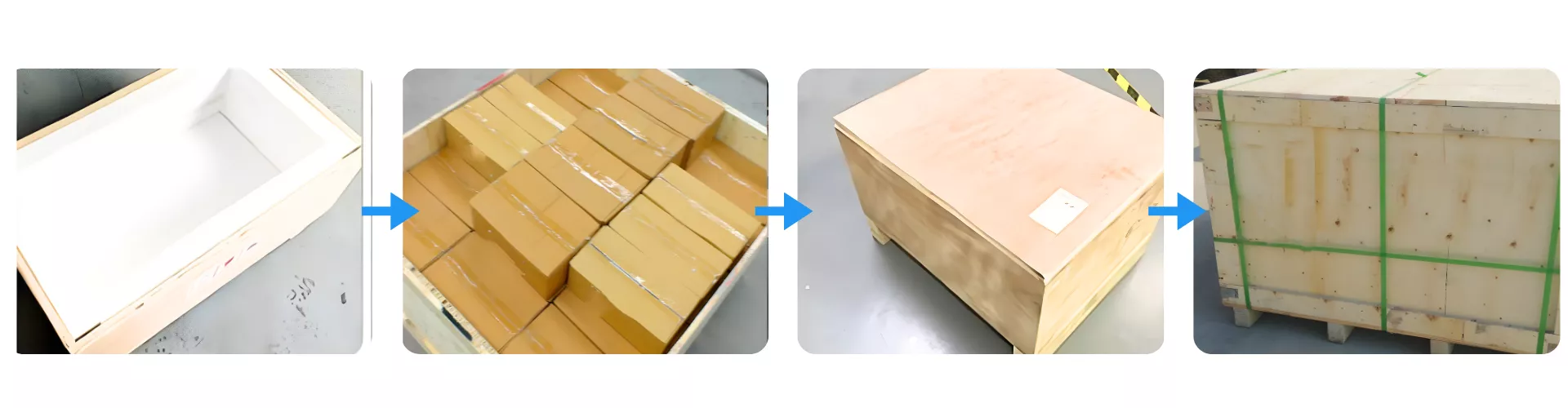
ADCERAX® Packaging of MSZ Ceramic Seal Ring

Where MSZ Ceramic Seal Rings Are Used

  • Pump Mechanical Seal Assemblies

    MSZ ceramic seal rings are used in selected pump sealing assemblies where the sealing face is exposed to friction, pressure cycling, abrasive particles or corrosive fluids. They can help maintain a stable contact surface when softer materials wear too quickly or when standard ceramics may chip during repeated start-stop operation.

    Before selection, the shaft speed, sealing pressure, counterface material, lubricant condition and particle content should be reviewed.

  • Valve and Fluid Control Components

    In valve seats, sealing rings and flow-control interfaces, MSZ ceramic can provide a hard and chemically stable surface for corrosive or particle-containing media. It is suitable when metal sealing parts may corrode, deform or create unwanted contamination.

    Groove design, mating component hardness, installation load and fluid compatibility should be checked before production.

  • Chemical and Chloride-Containing Fluid Systems

    MSZ ceramic seal rings can be reviewed for chemical transfer, wastewater treatment, desulfurization, brine handling and cleaning-fluid contact. The material is useful where corrosion resistance and mechanical toughness are both required.

    Final suitability depends on concentration, temperature, pH range, solid content and cleaning cycle.

  • Food, Beverage and Cleaning-Cycle Equipment

    For dosing, metering and cleaning-cycle equipment, MSZ seal rings can provide a smooth ceramic sealing surface with good wear and thermal stability. They are useful when repeated hot-water cleaning or acidic ingredients may affect polymer or metal sealing parts.

    Surface finish, cleaning temperature, residue adhesion risk and matching elastomer material should be reviewed.

MSZ Ceramic Seal Ring Usage Guide

Proper installation and routine handling help MSZ ceramic seal rings maintain stable sealing contact, reduce edge damage and extend service life in pump, valve and mechanical seal assemblies.

  • Installation

    1. Clean Before Assembly
    Remove dust, oil, moisture and loose particles from the ceramic ring, housing and mating seal face before installation.

    2. Avoid Forced Fitting
    Install the ring evenly according to the drawing. Do not hammer, pry or press the ceramic ring with uneven force.

    3. Check Sealing Face Direction
    Make sure the polished face, groove, shoulder or chamfer is positioned correctly before final assembly.

  • Operation

    1. Avoid Sudden Thermal Shock
    Rapid heating or cooling may create stress between the ceramic ring and mating parts.

    2. Control Pressure and Vibration
    Pressure spikes, vibration and dry running may increase friction, heat and wear on the sealing face.

    3. Keep Hard Particles Away
    Abrasive particles, scale or metal debris may scratch the sealing surface and increase leakage risk.

  • Cleaning and Maintenance

    1. Inspect the Sealing Face Regularly
    Check for chips, scratches, abnormal wear or leakage marks during maintenance.

    2. Use Suitable Cleaning Methods
    Avoid direct impact, aggressive scraping or concentrated cleaning force on the polished sealing surface.

    3. Replace Damaged Rings in Time
    Do not reuse rings with visible cracks, edge damage or unstable sealing contact.

  • Storage and Transport

    1. Keep Rings Separated and Protected
    Use soft spacers, foam or individual packaging to prevent edge contact and chipping.

    2. Store in a Dry, Clean Area
    Avoid moisture, dust and heavy stacking during storage or shipment.

MSZ Ceramic Seal Ring FAQ

  1. What is an MSZ ceramic seal ring used for?

    An MSZ ceramic seal ring is used as a hard sealing, sliding or support surface in pumps, valves, mechanical seals and fluid-control assemblies. It is selected when wear resistance, chemical stability, toughness and dimensional stability are required under corrosive, abrasive or thermal-cycling conditions.

  2. What does MSZ mean in ceramic seal rings?

    MSZ means magnesia stabilized zirconia. It is a zirconia ceramic stabilized with magnesium oxide to improve phase stability and toughness. For seal rings, this material can help reduce cracking or edge chipping compared with more brittle ceramic options.

  3. Is MSZ better than alumina for ceramic seal rings?

    MSZ is often better than alumina when the seal ring is exposed to impact during assembly, pressure cycling, vibration or thermal shock. Alumina may still be suitable for stable-duty and cost-sensitive applications, but MSZ is usually preferred when toughness is more important.

  4. Can MSZ ceramic seal rings replace SiC or carbon seal rings?

    MSZ ceramic seal rings may replace SiC, carbon or metal seal rings in selected applications, but they should not be treated as a direct drop-in replacement without review. Counterface material, pressure, speed, medium, temperature, lubrication and mounting stress should be checked first.

  5. What information is needed to quote a custom MSZ ceramic seal ring?

    A drawing or sample is preferred. Key details include OD, ID, thickness, sealing face width, flatness, surface roughness, chamfer, groove structure, tolerance, operating medium, pressure, temperature, shaft speed and mating material.

  6. How should MSZ ceramic seal rings be installed?

    MSZ ceramic seal rings should be installed with clean mating surfaces, controlled alignment and even loading. Direct metal impact, forced fitting and excessive tightening should be avoided because localized stress may damage the ceramic sealing face or edge.

customize size

Customization Services for MSZ Seal Ring

Tailored manufacturing of MSZ Ceramic Seal Ring by ADCERAX® is supported through material control, dimensional adaptation and surface optimization for demanding sealing environments.

Dimensional Interface Adaptation for Sealing Assemblies

Application-specific interface matching helps support reliable sealing performance under static or dynamic axial loads.

  • Outer Diameter Tuning
    Adjusted for sleeve press-fit, housing fit or axial seat alignment.
  • Groove Geometry Shaping
    Designed for locking, anti-rotation support or axial positioning.
  • Axial Thickness Variation
    Balanced for mechanical stiffness, sealing face support and housing depth.

Surface Condition Optimization for Fluid Compatibility

Sealing face textures and profiles can be refined to reduce leakage risk, improve durability and match fluid viscosity or pressure behavior.

  • Polished Sealing Surfaces
    Used for friction-sensitive contact interfaces and smoother sealing face contact.
  • Matte Functional Finishes
    Applied when lubricant retention or controlled surface texture is required.
  • Chamfer and Edge Rounding
    Helps reduce edge stress, installation friction and chipping risk during assembly.

Structural Feature Integration for Functional Environments

Functional elements can be integrated into the ring body to support installation, anti-rotation design or high-cycle operation.

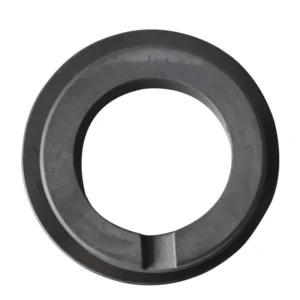
  • Key Slot Insertion
    Used for anti-rotation, indexing or matched assembly positioning.
  • Shoulder or Step Design
    Adapted for multi-stage seal positioning, locating support or housing alignment.
  • Recessed Backing Surface
    Designed for elastomer compatibility zones, backing support or controlled contact areas.

Related Products

ADCERAX - Your Trusted Advanced Ceramics Manufacturing Partner

Direct factory manufacturing with comprehensive ceramic materials expertise and global supply capabilities

China-Based Manufacturer

ADCERAX supplies ceramic components for overseas OEMs, equipment builders, and labs.

Custom Drawing Support

We review drawings, dimensions, materials, and application conditions before quotation.

Ceramic Process Control

Forming, sintering, machining, grinding, and finishing are arranged by part requirements.

Pre-Shipment Inspection

Dimensional checks, visual inspection, and packaging review help reduce procurement risk.

Get in Touch with Us

Our team will be happy to respond to you in less than 24 hours.

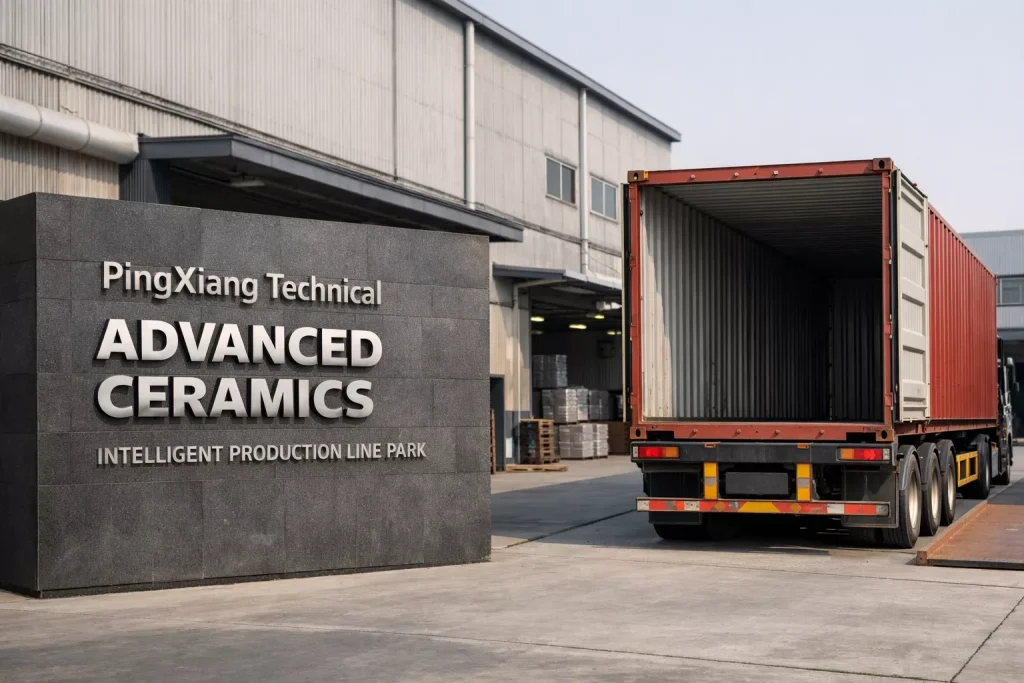
Pingxiang Factory — Silicon carbide, silicon nitride, high-temperature ceramics

Quick Quotation

*Our team will answer your inquiries within 24 hours.

*Your information will be kept strictly confidential.

Ready to Solve Your Engineering Challenge?

Partner with ADCERAX for reliable, high-performance advanced ceramic solutions. Our engineers are ready to discuss your project.

E-mail

info@adcerax.com

Phone

+(86) 0731-74427743 | WhatsApp: +(86) 19311583352

Response Time

Within 24 hours

Quick Quote

The more details you provide, the faster we can quote.

*We respond within 24 hours. All inquiries are confidential.

Get Your Custom Solution

The more details you provide, the faster we can respond.

customize size

*We respond within 24 hours. All inquiries are confidential.

Download Catalog