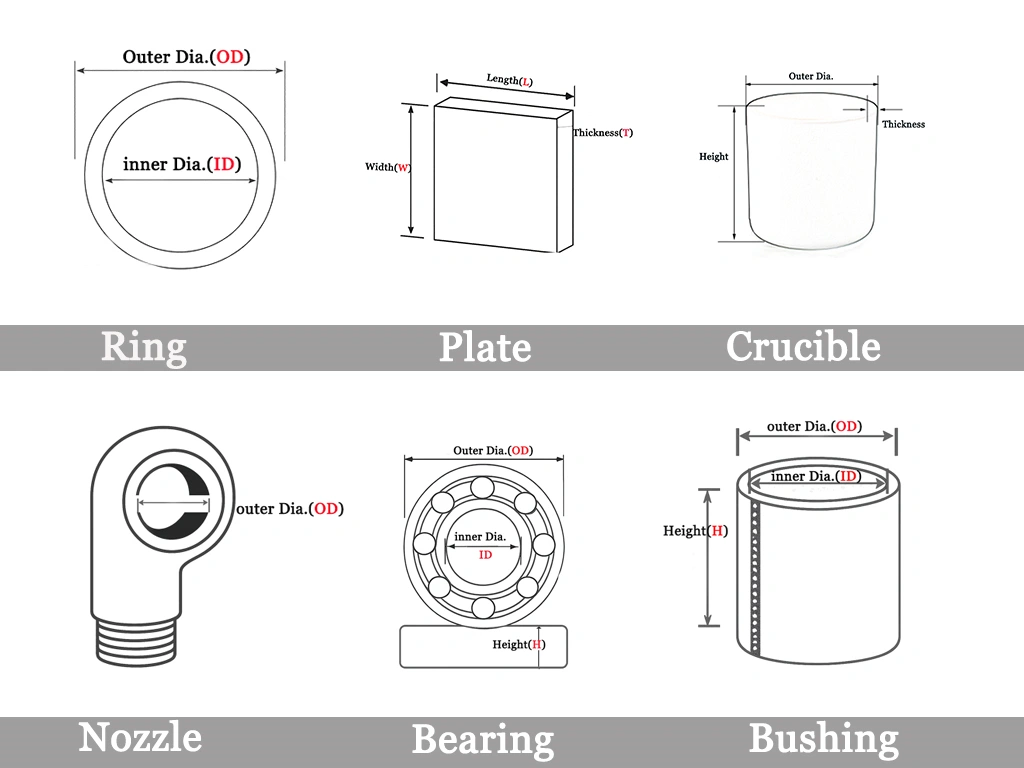
Silicon Carbide Mechanical Components — SiC Seal Faces, Sleeve Bearings, Shaft Sleeves, Bushings, Thrust Rings & Pump Wear Parts
Hard, corrosion- and wear-resistant SiC working parts for pumps, mechanical seals and rotating equipment. ADCERAX makes them to your drawing or worn sample in SSiC, RBSiC or SiSiC, and reviews manufacturability and material fit before quotation — so metal and oxide-ceramic parts stop wearing, leaking or seizing in your abrasive and chemically aggressive service.
What Are Silicon Carbide Mechanical Components?
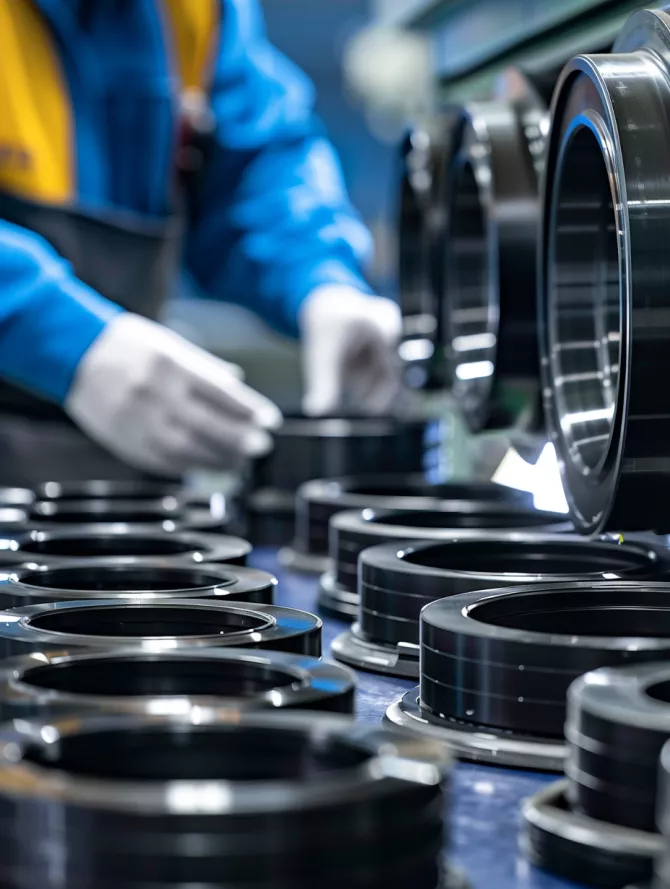
Silicon Carbide Mechanical Components are the hard ceramic working parts inside pumps, mechanical seals and rotating equipment — seal faces and rings, sleeve bearings, shaft sleeves, bushings, thrust rings and valve seats. They resist wear and corrosion where metal or oxide ceramics wear out, leak or seize.
ADCERAX makes them to your drawing or worn sample in SSiC, RBSiC or SiSiC, with an engineering review before quotation.
Typical Properties of ADCERAX Dense SiC Grades (TDS Rev05)
Values follow ADCERAX silicon carbide RBSC / SSiC / NBSiC / RSiC grade comparison TDS (Rev05). Typical engineering data for RFQ screening — final route, certificates and inspection documents are confirmed per order.
| Property | AD-SIC-RB (RBSC / SiSiC) | AD-SIC-SS (SSiC) |
|---|---|---|
| SiC (wt%) | 85 nominal | ≥99 |
| Free Si | ~15% | None |
| Density (g/cm³) | ≥3.02 | 3.10 typical |
| Open porosity | ≤0.1% | <0.1% |
| Flexural strength (MPa) | 250 @20°C; 280 @1200°C | 380 |
| Compressive strength (MPa) | — (not listed in TDS) | ≥2600 |
| Young’s modulus E (GPa) | 330 @20°C; 300 @1200°C | 420 |
| Thermal conductivity (W/(m·K)) | 45 @1200°C (RT not listed) | 100–120 |
| Application-temperature ceiling (°C) | 1380 | 1600 |
NBSiC (AD-SIC-NB) — kiln furniture / porous, not gas-tight: SiC/Si₃N₄ 80/20; density 2.80 g/cm³; porosity 12%; flexural 160 @20°C / 180 @1200°C; E 220 GPa; k 15 W/(m·K) @1000°C; ceiling 1550°C. Do not apply dense SSiC/RBSC numbers to NBSiC.
RSiC (AD-SIC-RC): porous recrystallized skeleton — porosity, hot strength and permeability are specified per ordered kiln component. No invented numeric matrix; RFQ with drawing.
Source: ADCERAX silicon carbide grade comparison TDS (Rev05). Send drawings (PDF/DWG/STEP) for RFQ.
Silicon Carbide Mechanical Components Properties
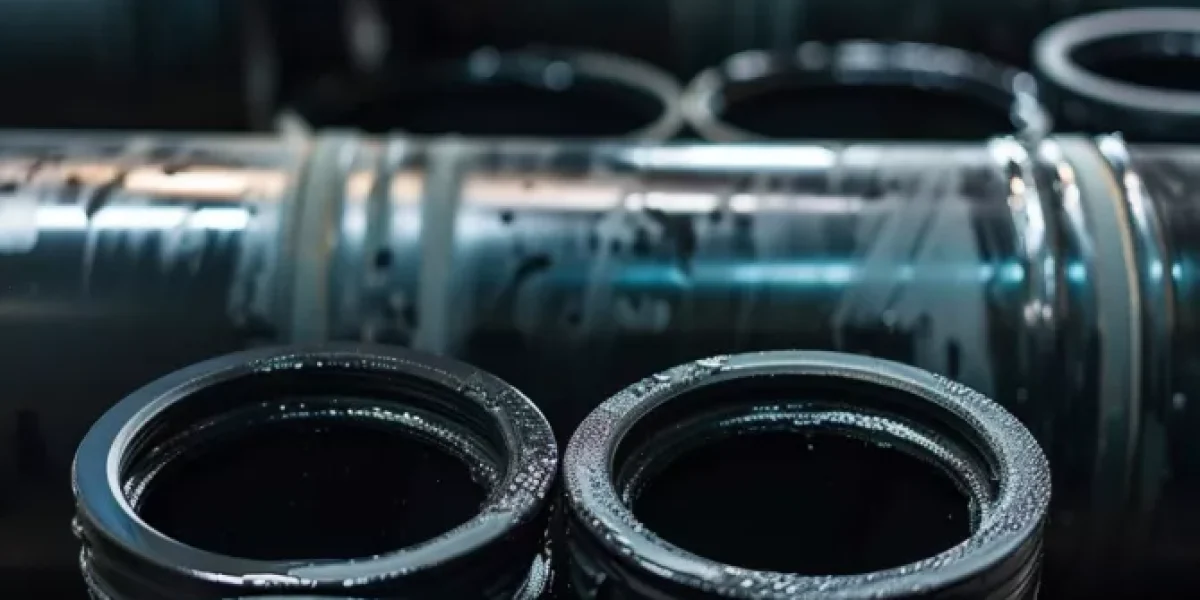
Silicon Carbide Mechanical Components are defined by a set of physical, mechanical, and thermal parameters that determine their suitability for corrosive, abrasive, and high-temperature industrial environments.
| Technical Specification Table | ||
|---|---|---|
| Parameter | Technical Values / Conditions | |
| Material System | Reaction-Bonded SiC (RBSiC) / Sintered SiC (SSiC) | |
| Density (g/cm³) | RBSiC: 2.95–3.05 SSiC: 3.10–3.2 | |
| Flexural Strength (MPa) | RBSiC: 250–350 SSiC: 350–450 | |
| Hardness (GPa) | 22–27 GPa | |
| Thermal Conductivity (W/m·K) | RBSiC: 90–140 SSiC: 120–200 | |
| Thermal Expansion (CTE) | 4.0–4.5 ×10⁻⁶ /K (25–1000°C) | |
| Maximum Service Temperature | RBSiC: 1350–1450°C SSiC: 1600–1700°C | |
When to Choose Silicon Carbide Mechanical Components?
Silicon carbide combines extreme hardness, high thermal conductivity and broad chemical resistance — so seal faces, bearings, sleeves and wear parts keep working where metals, polymers and oxide ceramics wear out, corrode or leak in aggressive service.
Silicon Carbide Ceramic Is the Best Choice When:
| Application / System | Common Challenge or Failure Point | Why SiC Components Excel | Recommended SiC Component | Recommended Grade |
|---|---|---|---|---|
| Abrasive slurry transport / Slurry pipelines | Wall thinning, elbow erosion | Hardness up to 27 GPa; wear rate much lower than metals; excellent erosion resistance | Liner Tubes, Cone Liners, Apex Liners | RBSiC |
| Chemical pump sealing / Chemical pumps | Seal face wear, shaft corrosion | Resists acids, alkalis, and chlorides; low-friction surface; high corrosion resistance | Seal Rings, Thrust Rings, Bearings, Shafts | SSiC |
| High-speed rotating shafts | Dimensional instability, creep under load | Dimensional stability to tight tolerances; no creep under load | Shafts, Bearings | SSiC |
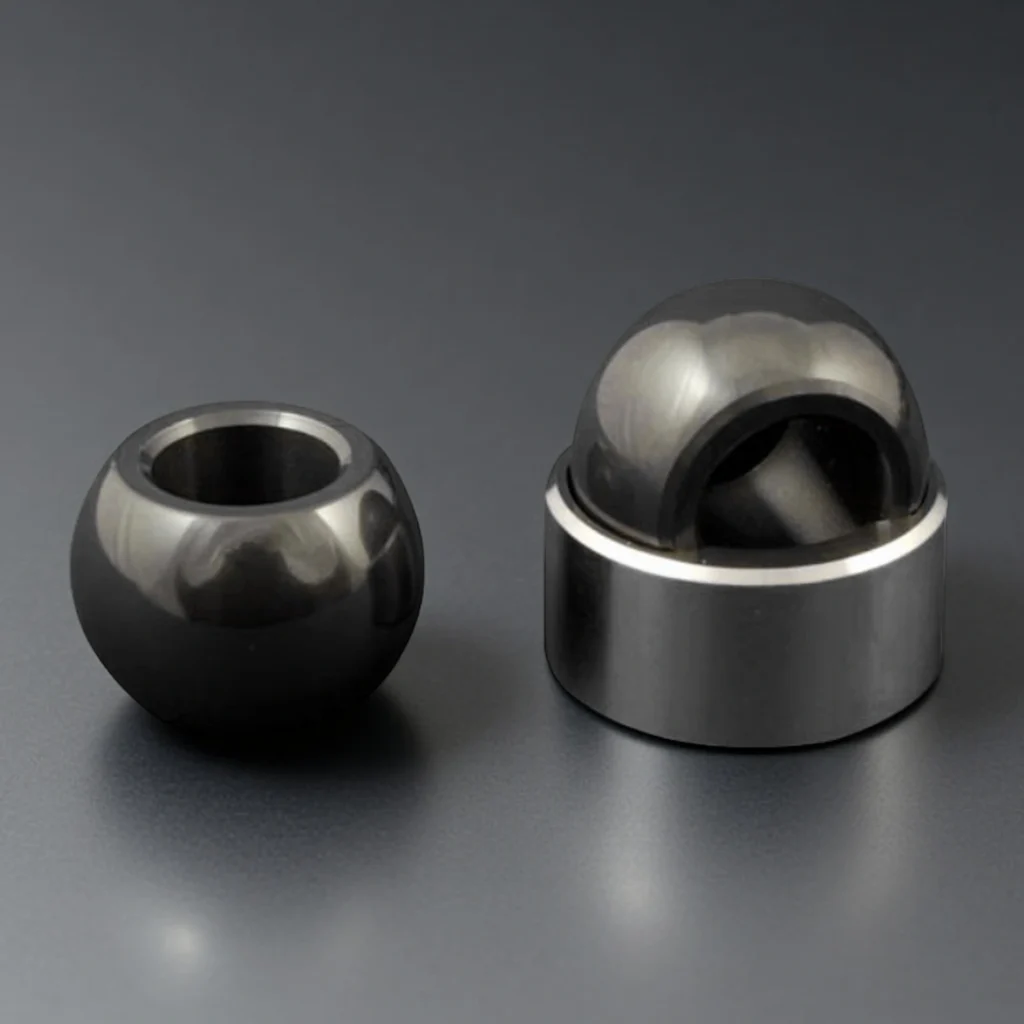
| Corrosive fluid valves / Hydrometallurgy valves | Seat erosion, leakage | Excellent chemical inertness; strong wear and corrosion resistance | Ball Valves, Valve Seats, Seal Rings | SSiC |
| Magnetic drive pumps | Bearing seizure, lubrication failure | Corrosion-proof; maintains lubrication gap stability; suitable for aggressive media | Bearings, Sleeves, Thrust Rings | SSiC or RBSiC |
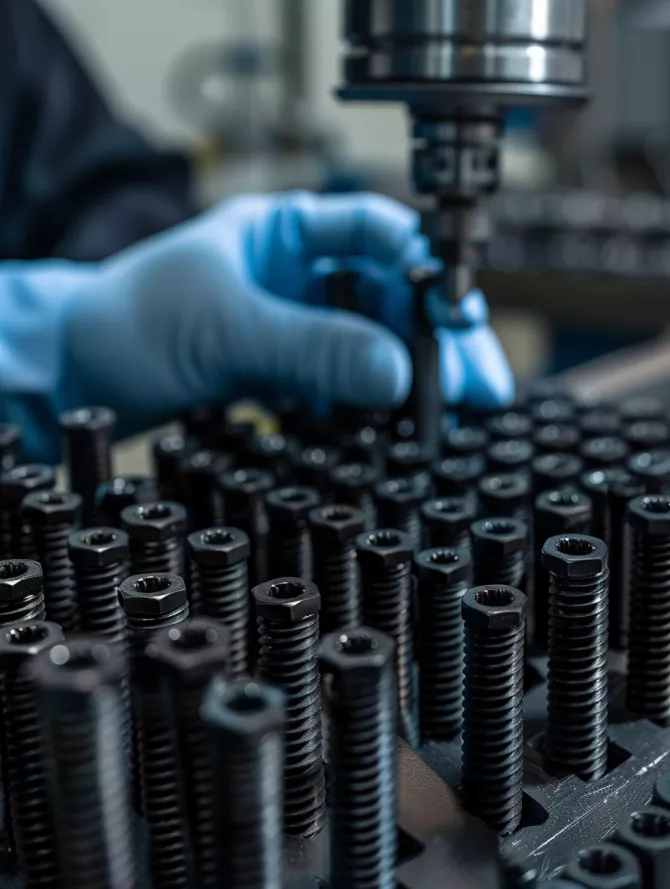
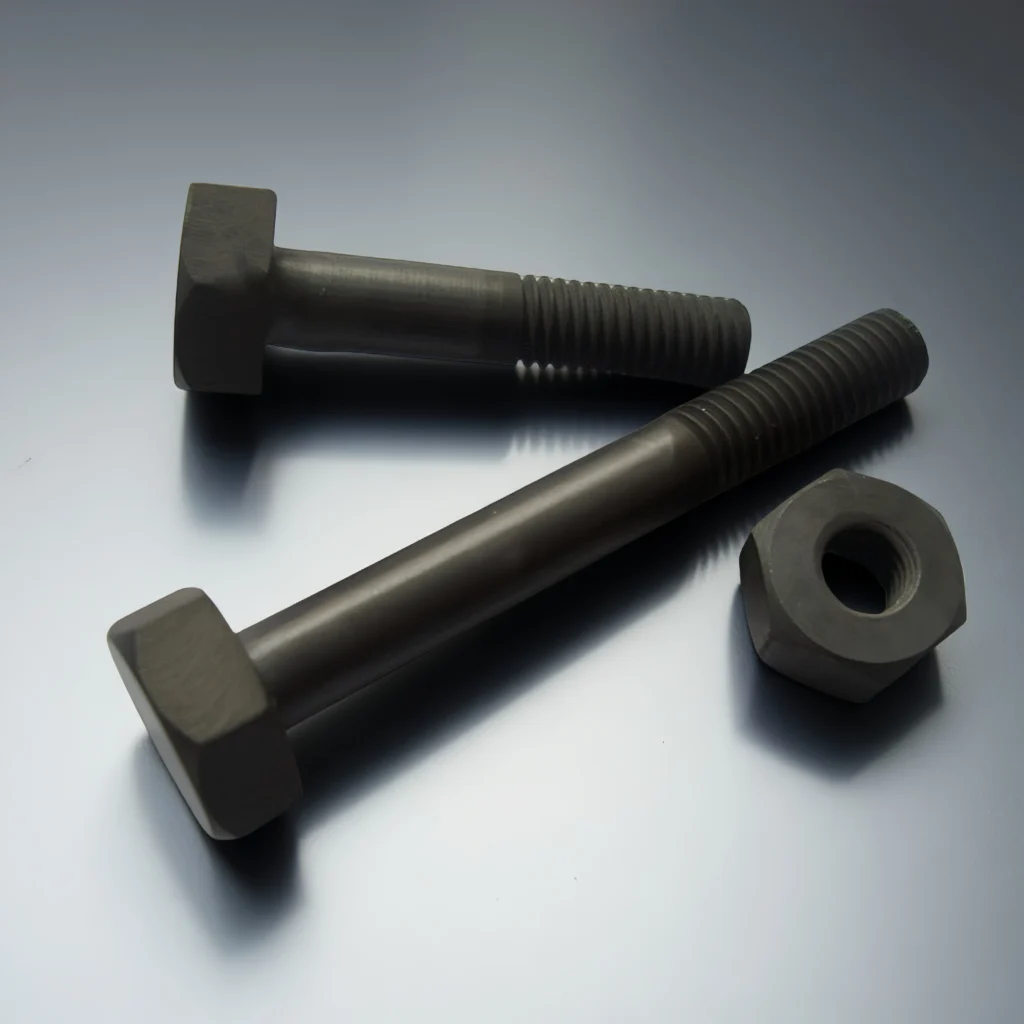
| High-pressure fastening / Corrosive fastening | Bolt corrosion, thread stripping | Very high compressive strength; corrosion resistant | Bolts, Screws, Nuts | SSiC |
| Cyclone separators | Cone wear, vortex erosion | Excellent abrasion resistance for high-velocity particle flow | Cone Liners, Apex Liners | RBSiC |
When SiC May Not Be Optimal
For material selection guidance, explore our advanced ceramics guide or contact our engineers.
consider zirconia ceramics (higher toughness)
SiC is semi-conductive; consider alumina ceramics
consider alumina or ZTA for less demanding applications
contact us for compatibility assessment
Why Choose SiC Over Other Materials for Mechanical Components?
Silicon carbide outperforms metals, polymers, and other ceramics in harsh industrial environments:
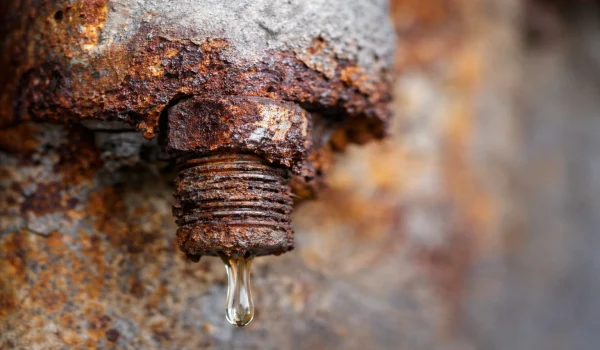
Hardness only 200-600 HV; rapid material loss
Surface pitting; chemical dissolution
Softening, creep above 500-800°C
Cracking from rapid temp change
Thermal expansion causes misalignment
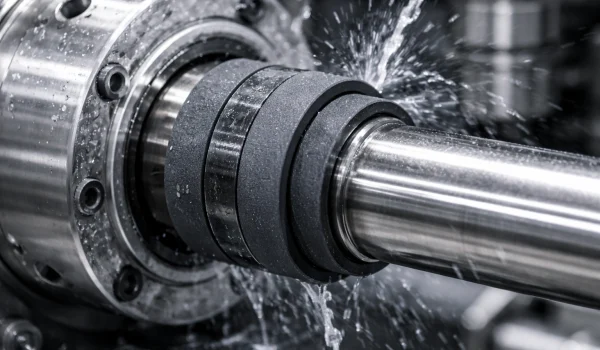
Hardness 2200-2700 HV (10-50× harder)
Chemical inertness; <0.02% absorption
Stable strength up to 1700°C
Tolerates ΔT 300°C; high conductivity
Low CTE (4.0-4.5×10⁻⁶/K)
SiC vs Other Ceramic Options
Hardness: 22-27 GPa ⭐
Thermal conductivity: 120-200 W/m·K ⭐
Fracture toughness: 3-4 MPa·m½
Best for: Wear + corrosion + heat
Hardness: 15-18 GPa
Thermal conductivity: 20-30 W/m·K
Fracture toughness: 3-4 MPa·m½
Best for: Insulation + moderate wear
Hardness: 12-14 GPa
Thermal conductivity: 2-3 W/m·K
Fracture toughness: 8-12 MPa·m½ ⭐
Best for: Impact resistance
Quick Component Index
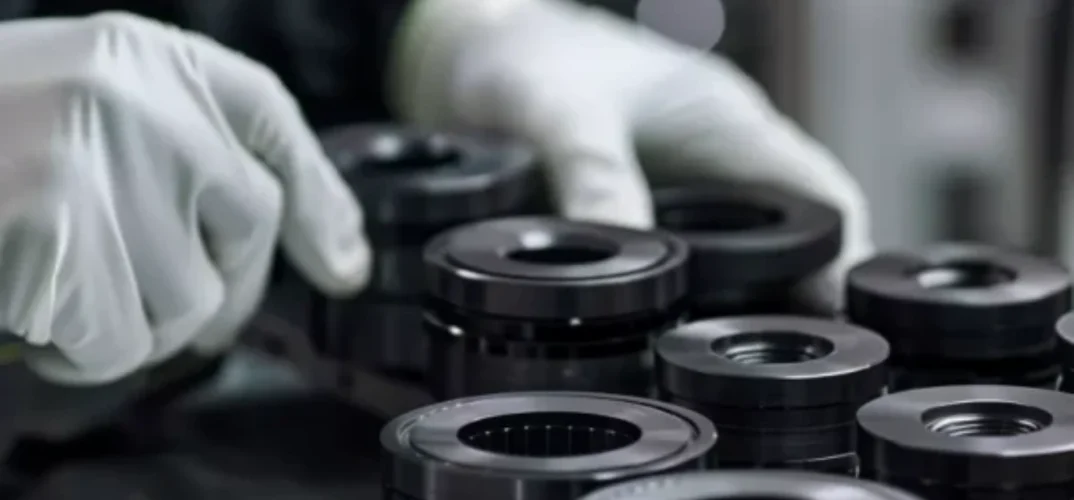
| Category | Components |
|---|---|
| Wear Protection | Liner Tubes | Cone Liners | Lined Pumps |
| Rotating Parts | Bearings | Shafts | Thrust Rings |
| Sealing & Flow Control | Seal Rings | Ball Valves | Bolts & Screws |
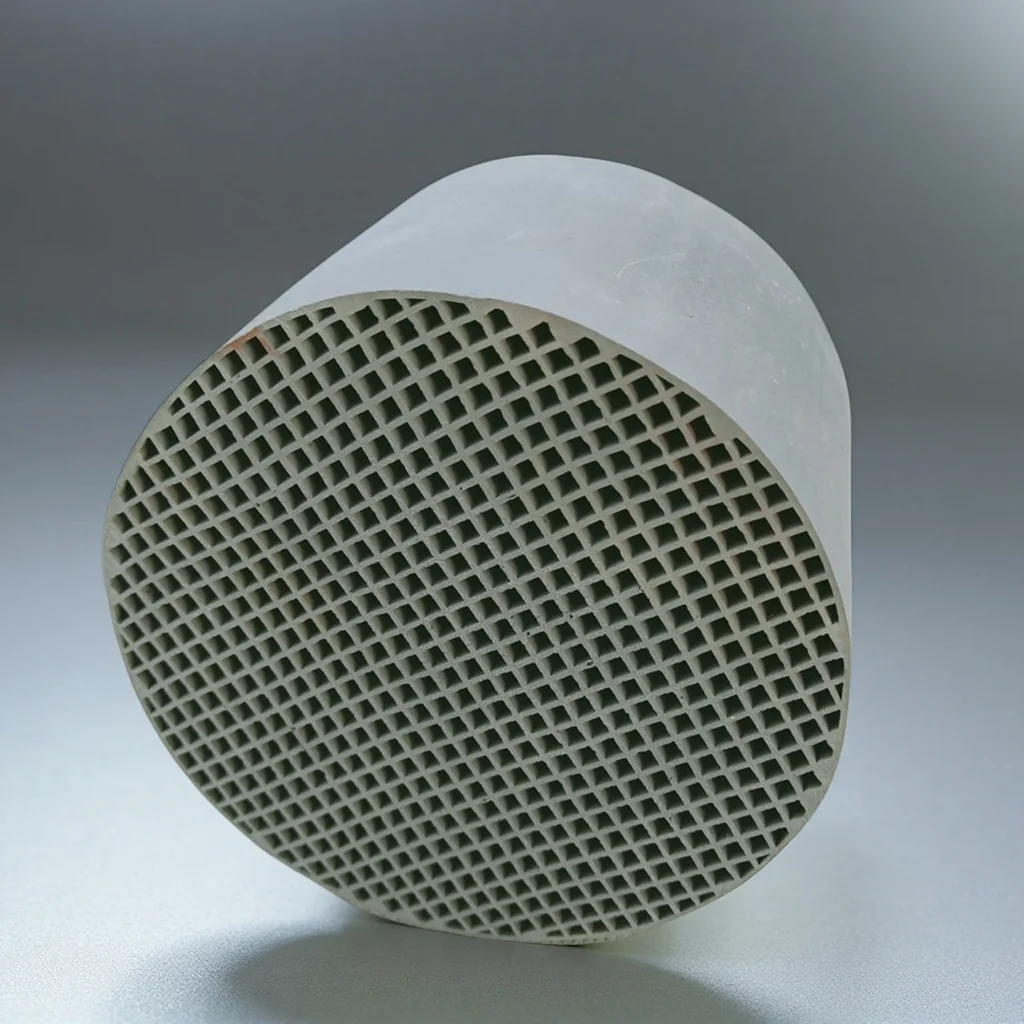
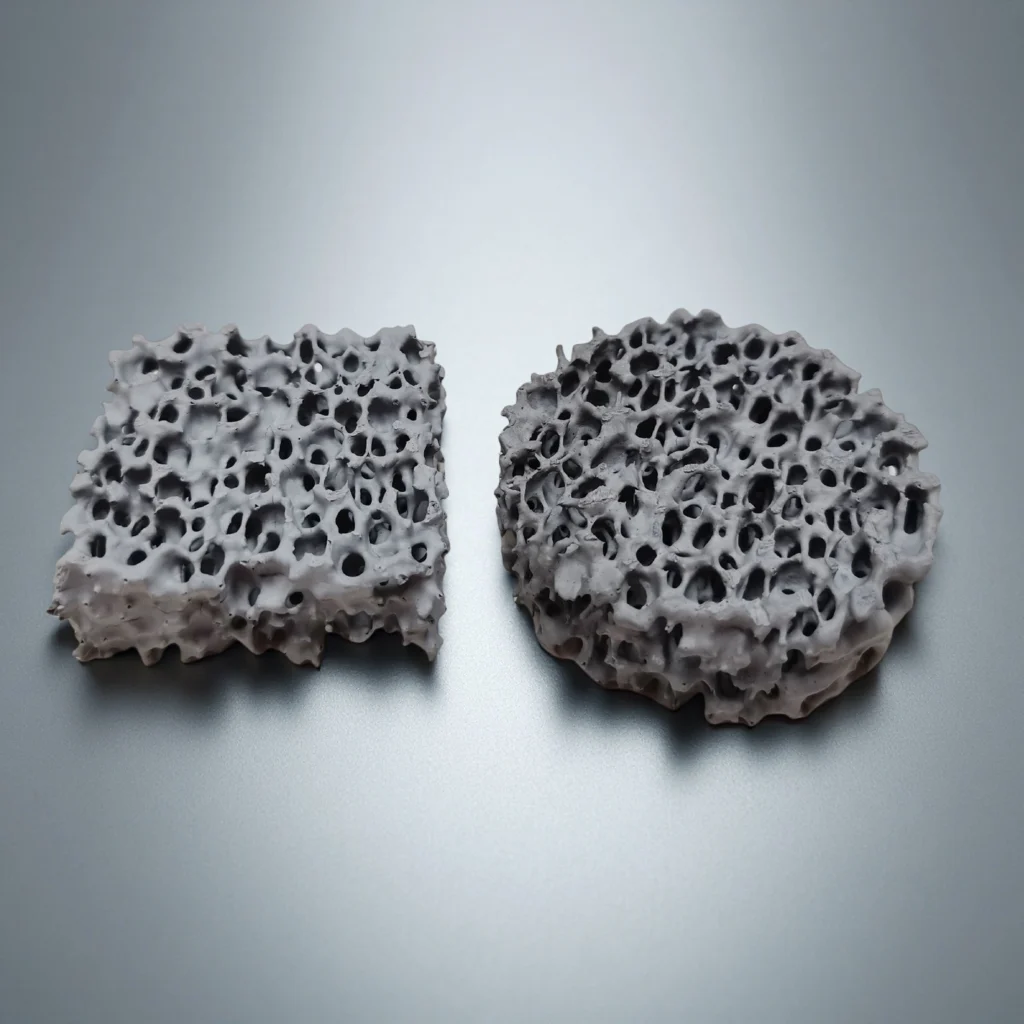
| Filtration | Foam Filters | Microporous Filters | Honeycomb |
ADCERAX Silicon Carbide Mechanical Components Showcase
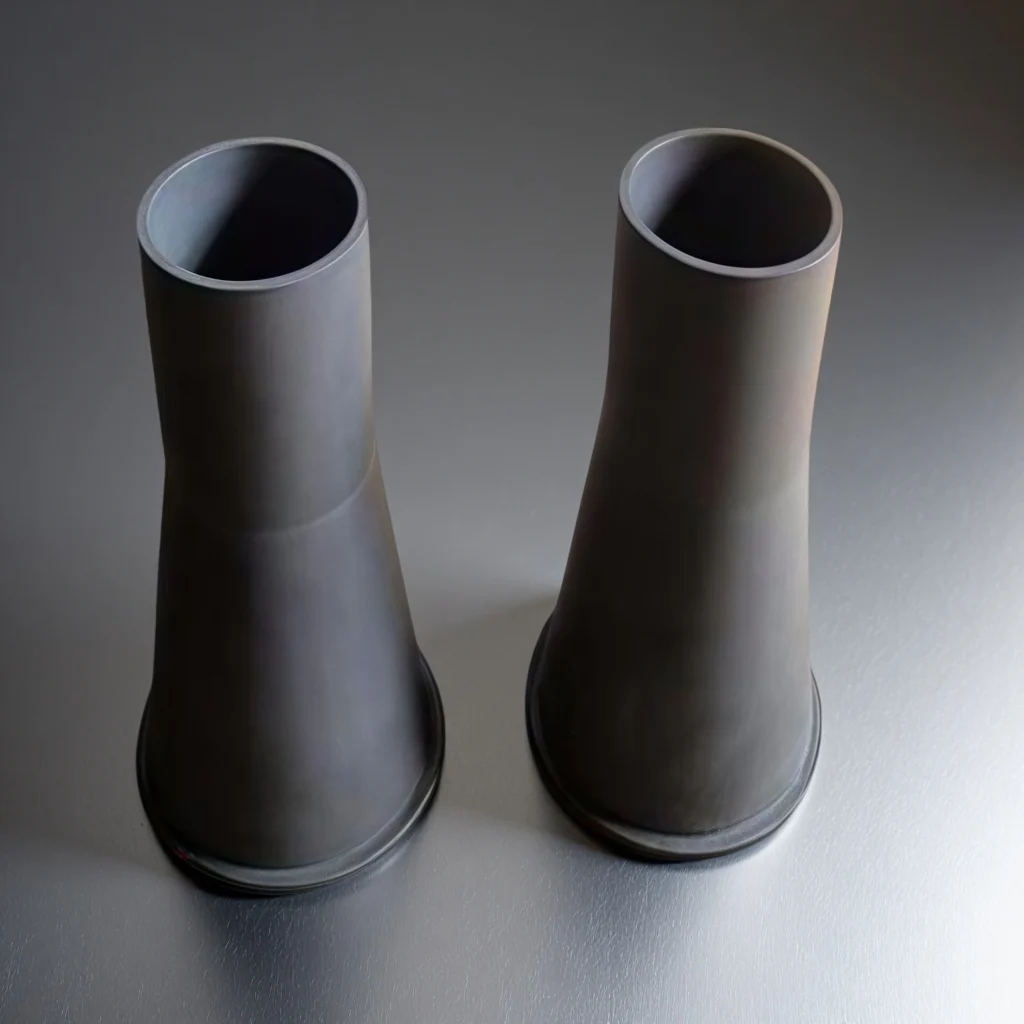
Slurry Transport Protection
Silicon carbide liner structures operate in abrasive slurry, corrosive gas, and particulate-rich pipelines where metallic systems degrade rapidly. Their wear-resistant behavior increases service cycles and reduces unplanned shutdowns in mining, chemical, desulfurization, and metallurgical applications.
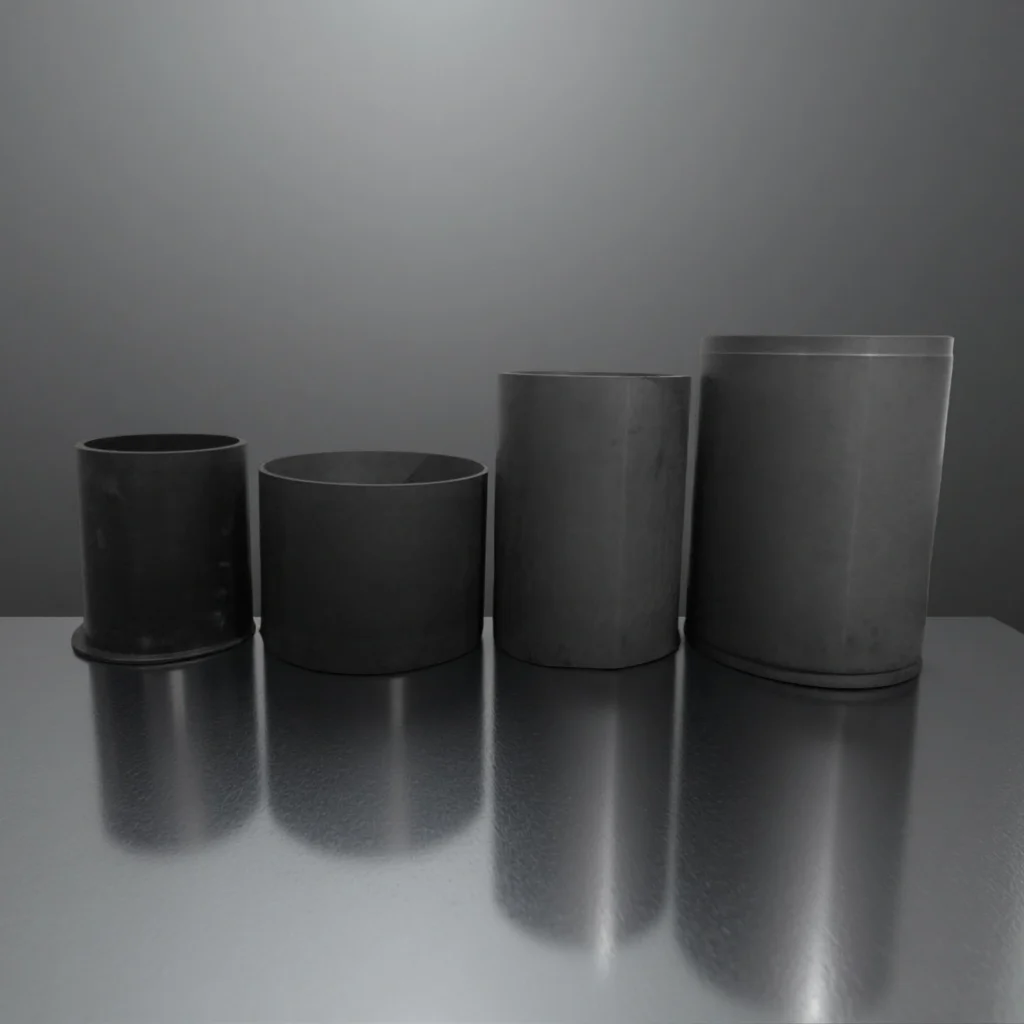
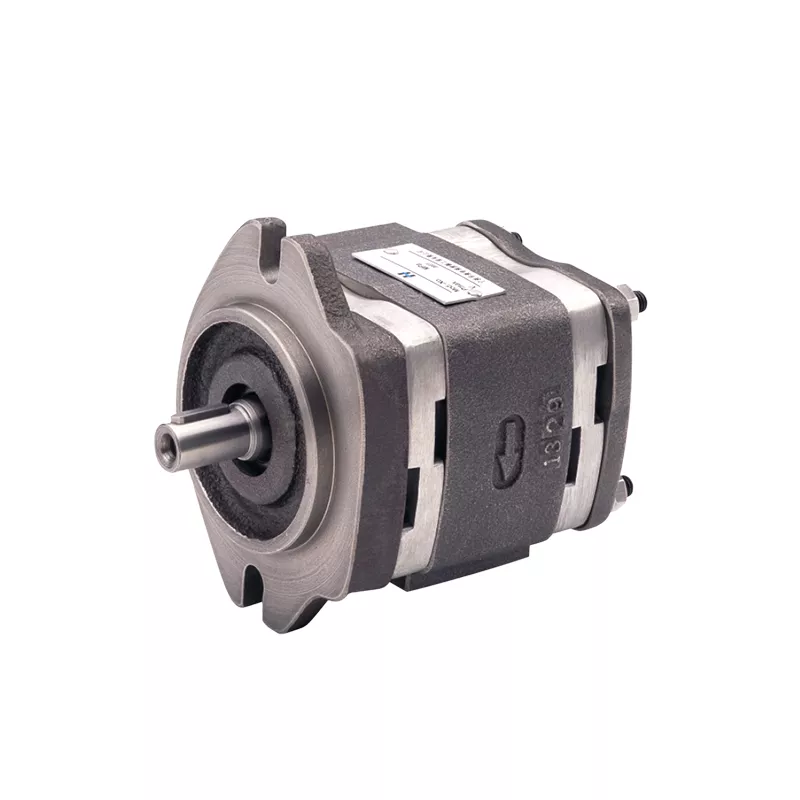
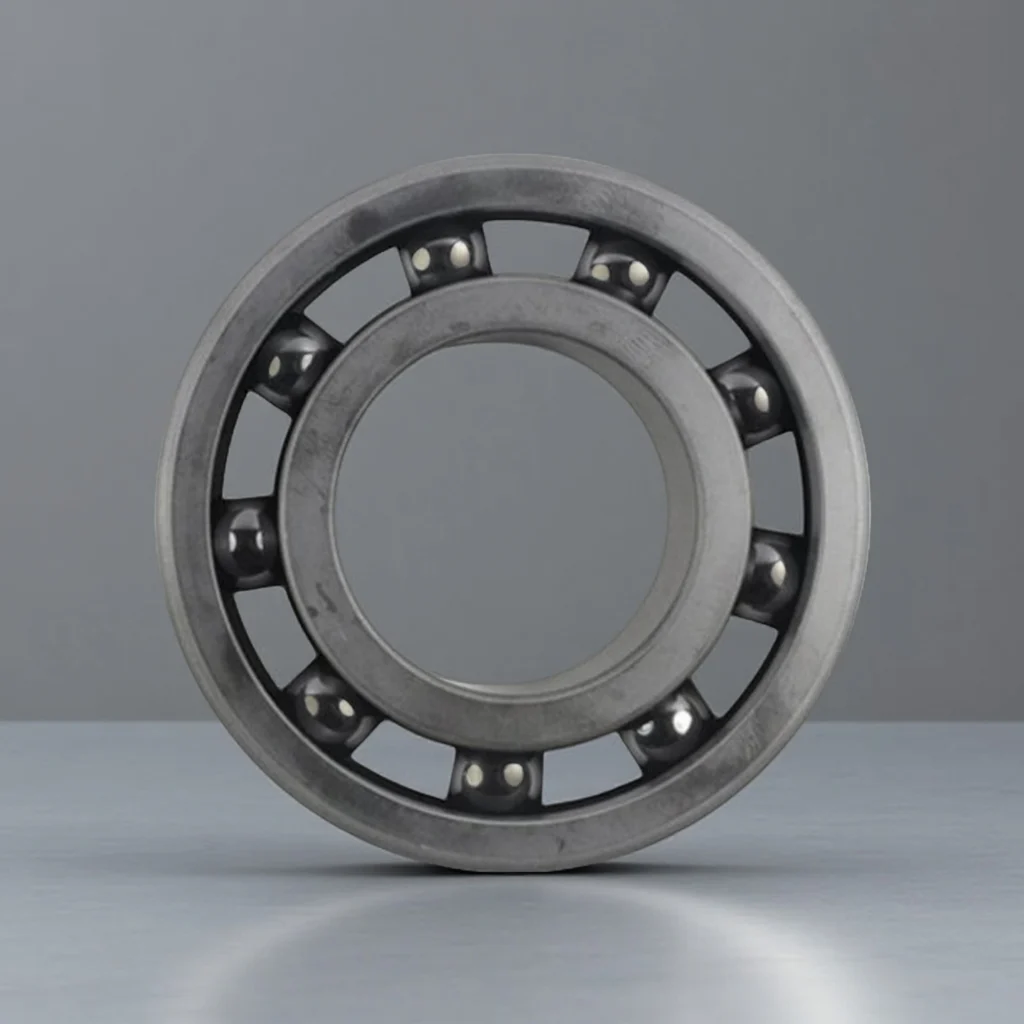
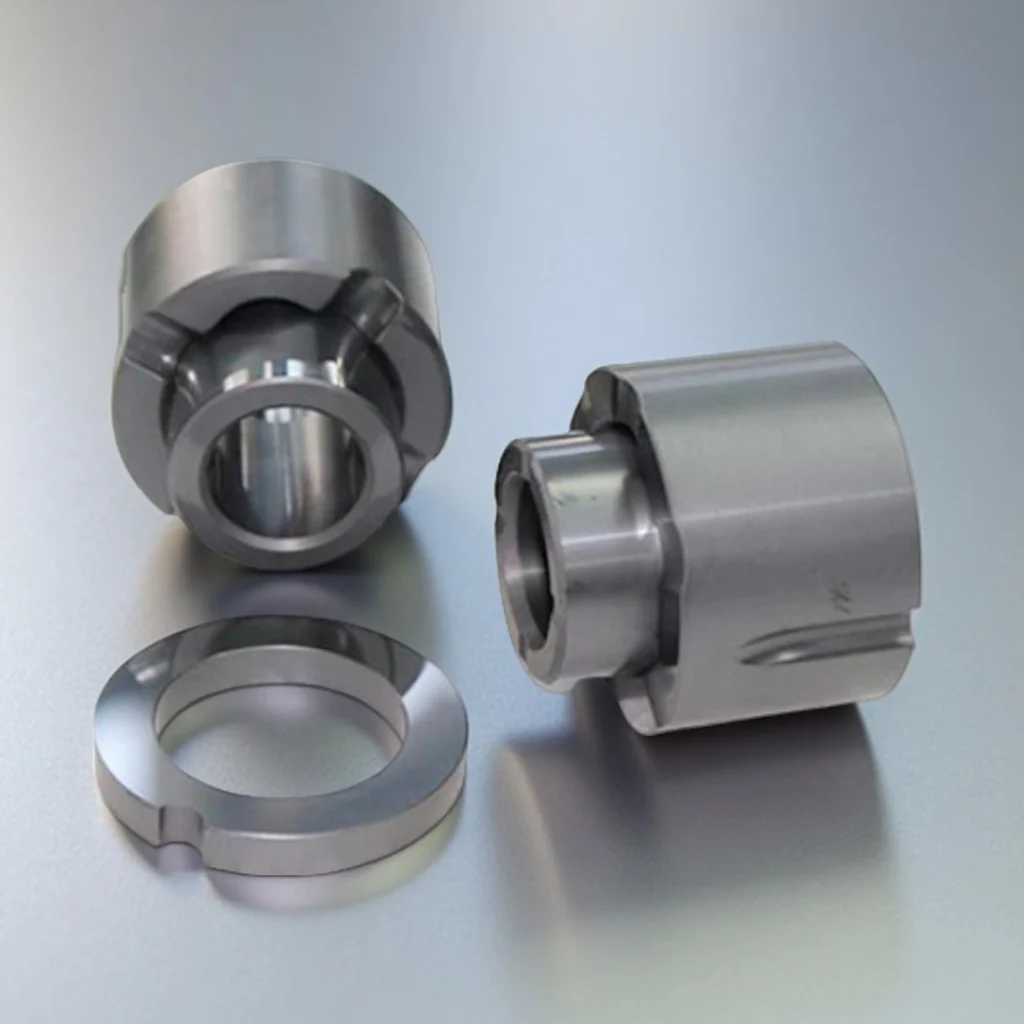
Rotational Load Support
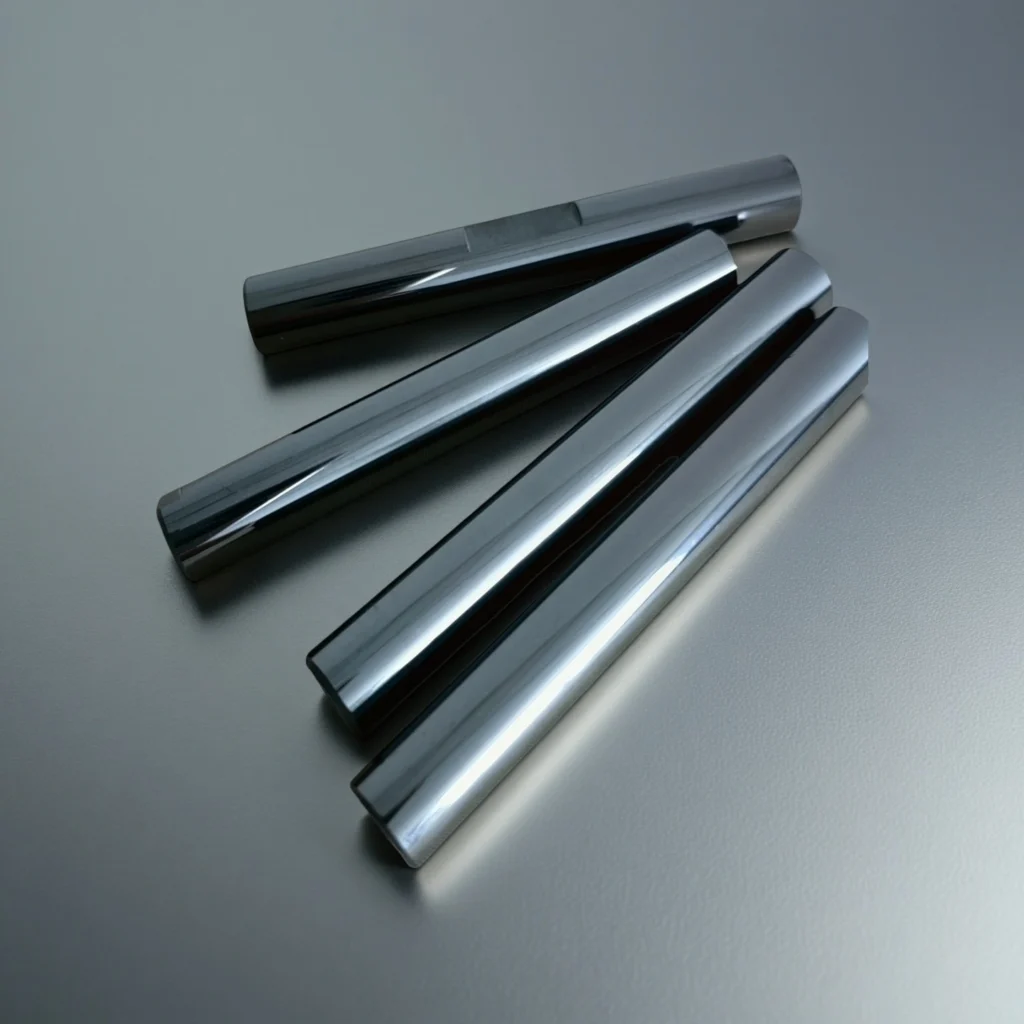
Silicon carbide bearing components sustain rotating loads, maintain lubrication clearance, and ensure geometric stability under corrosive chemical environments. Their precision capability supports shaft systems in chemical pumps, magnetic-drive units, mixers, and reactors requiring consistent dimensional stability.
Corrosion-Proof Sealing
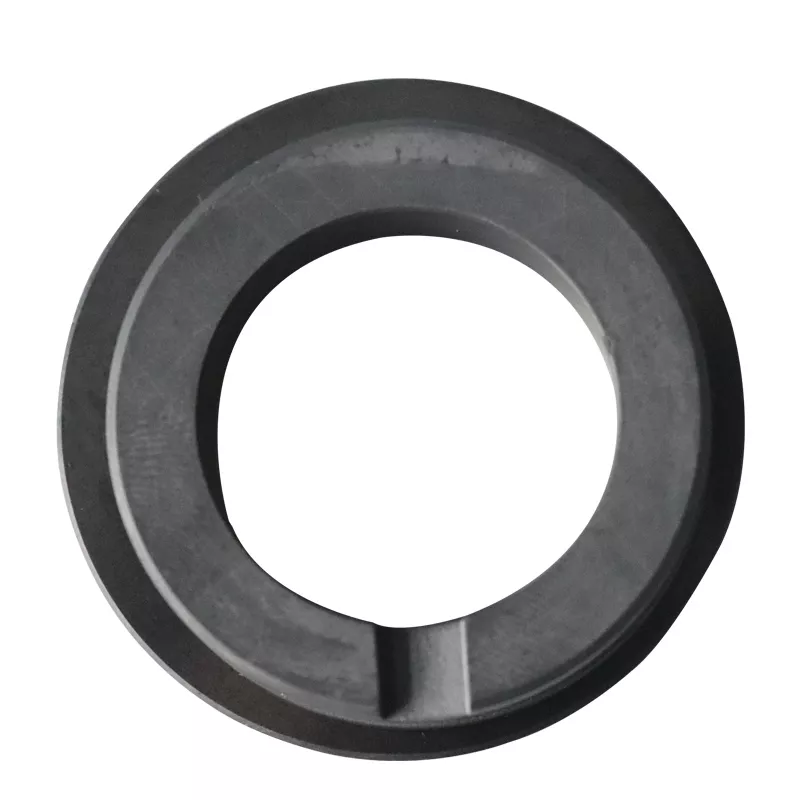
Silicon carbide sealing structures prevent leakage and maintain operational continuity in aggressive fluid-control environments where metal components fail by pitting or erosion. Their corrosion-resistant surfaces extend sealing life in hydrometallurgy, chemical circuits, and high-load valve assemblies.
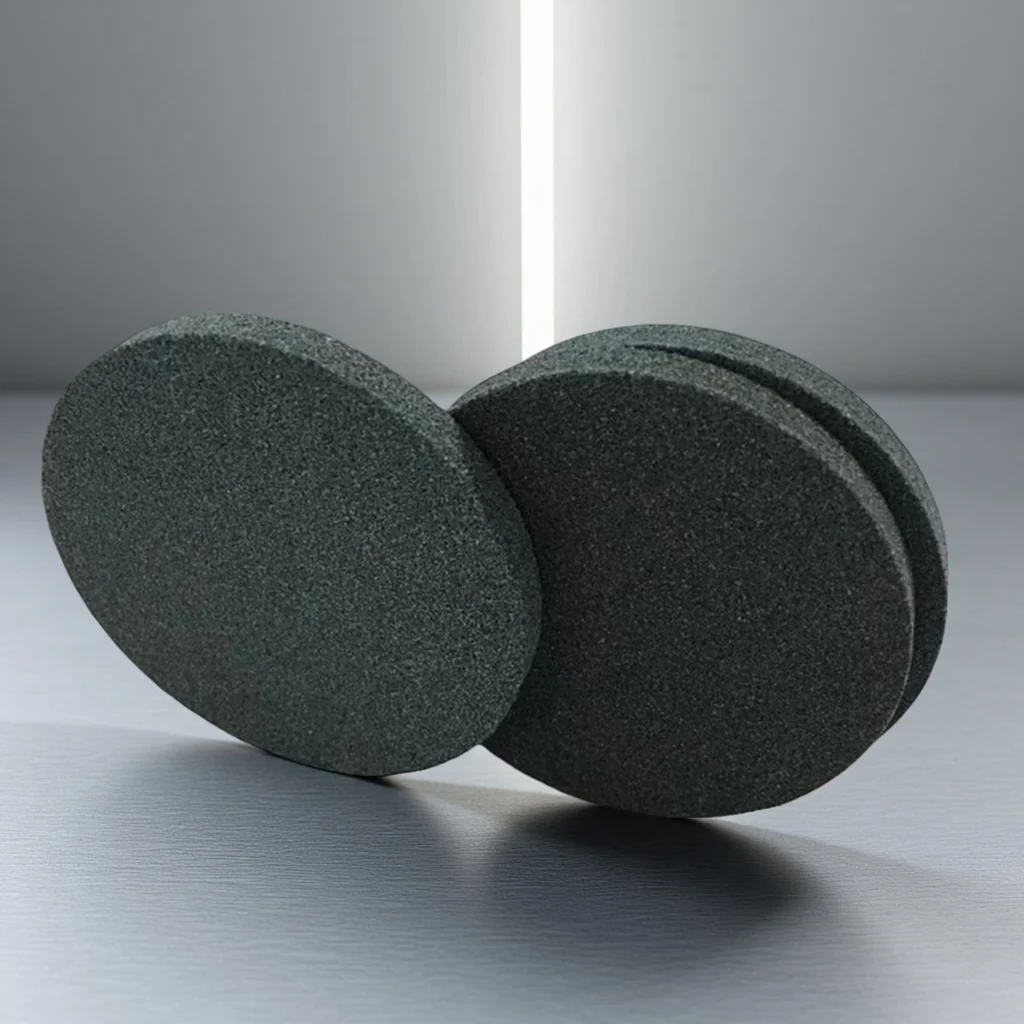
High-Temperature Filtration
Silicon carbide porous structures deliver stable performance in molten-metal handling, exhaust treatment, and precious-metal refining processes. Their thermal and chemical robustness minimizes inclusions, ensures catalytic uniformity, and prevents filtration instability that elevates defect rates.
Key Applications of Silicon Carbide Mechanical Components
Silicon Carbide Mechanical Components are essential in a wide range of industrial applications, offering superior performance in demanding environments. Their exceptional durability and resistance to wear and corrosion make them ideal for high-temperature, high-pressure, and abrasive conditions.
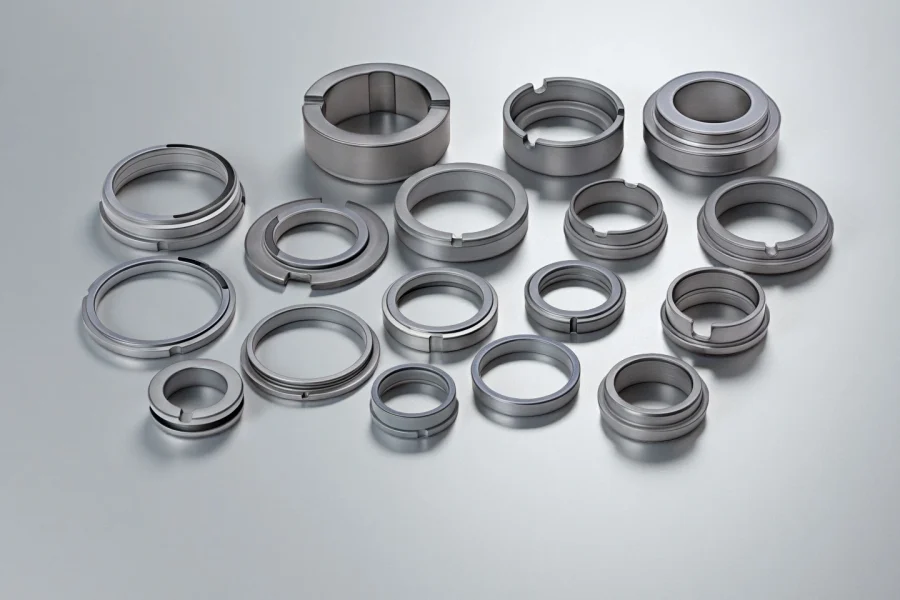
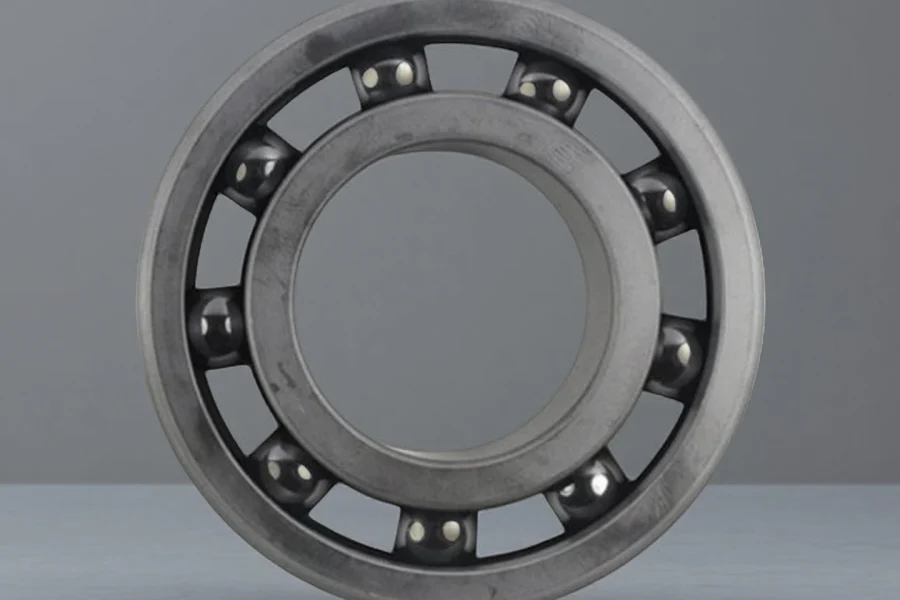
Pump and rotating-equipment seals
SSiC and RBSiC seal faces, stationary and rotary rings and mating rings, lapped flat for low-leakage sealing in chemical, refinery and process equipment.
- Flat, fine-lapped faces for low-leakage sealing
- Chemically inert to strong acids, alkalis and chlorides
- Paired with the right mating face for your duty
Corrosion-resistant parts for chemical service
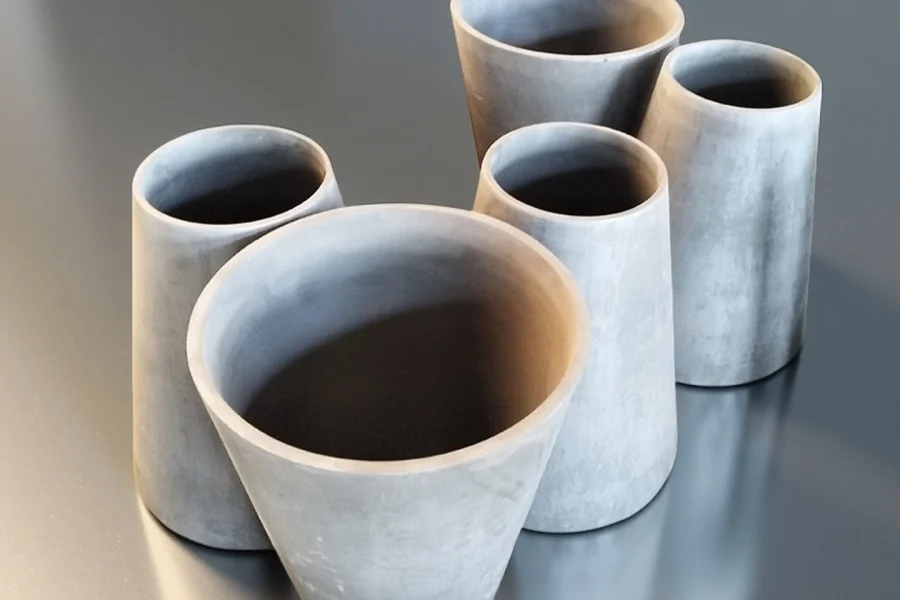
Sleeve bearings, shaft sleeves, bushings and valve parts for magnetic-drive, canned and sealless chemical pumps and aggressive fluid lines, where corrosion and media-lubricated wear attack metal.
- Resists strong acids, alkalis and solvents
- Stable clearances in media-lubricated running
- Reviewed for dry-start and mating material
Wear parts for abrasive slurry service
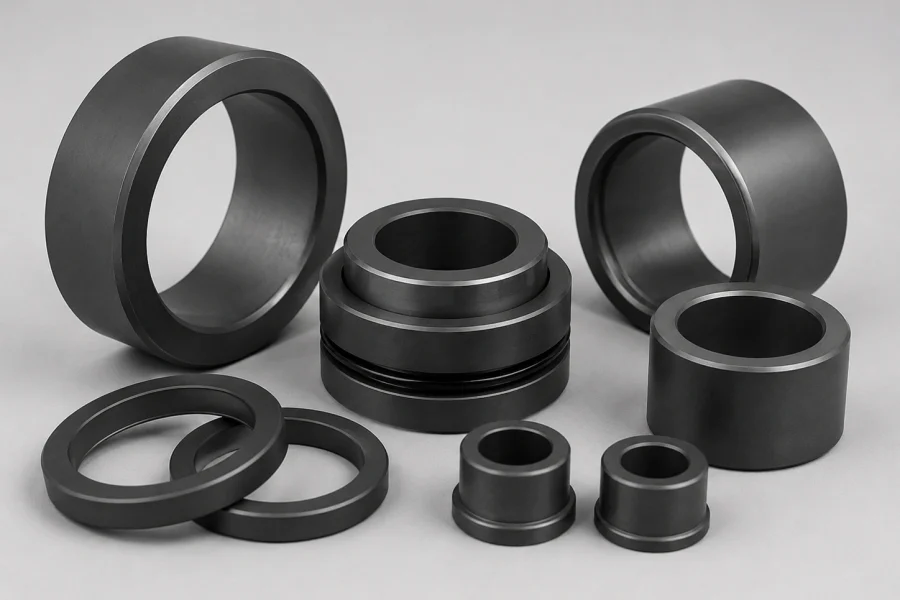
Wear rings, bushings, liners and valve seats for slurry pumps and abrasive fluid equipment in mining, mineral processing and desulfurization, where particles erode metal early.
- Resists abrasion and particle erosion
- Holds dimension under turbulent, particle-laden flow
- Route chosen by particle load and chemistry
Reliable parts for water and seawater service
Seal faces, sleeves and bearings for pumps handling chlorides, seawater and treated water, where corrosion and wear shorten metal part life.
- Resists chloride and seawater corrosion
- Stable running in continuous-duty pumps
- Made to your drawing or worn sample
customized Silicon Carbide Mechanical Components supplier
We specialize in custom SiC mechanical components with special sizes, tight tolerances, and complex features. OEM and small-batch support available.
Customization Options
Extra-large / Extra-small diameters, non-standard thicknesses, and ultra-long / ultra-short lengths.
Provide higher - level dimensional accuracy and concentricity control than the standard.
Flanges, steps, threads, drilling holes, grooves, etc.
Adjust the material according to the application requirements.
Polish and grind the surface to achieve a specific surface roughness.
Customization Process
Send us your drawing, CAD file, or physical sample with material grade, dimensions, tolerances, and quantity. Our engineers will evaluate the design and provide a detailed quotation with lead time and pricing.
Once the quote is approved, we proceed with sample prototyping (1–50 pcs) if needed, for testing and validation.
After sample approval or direct confirmation, we begin batch manufacturing using CNC machining, sintering, and polishing. All parts undergo dimensional checks, material purity testing, and surface finish inspection.
Finished products are securely packed and shipped via DHL/FedEx/UPS or your preferred method. We support global delivery with full documentation.
Manufacturing and customization capability
From material selection and forming to precision grinding, lapping, inspection and repeat production, ADCERAX makes drawing-based silicon carbide mechanical components — with a manufacturability and material-route review before quotation.
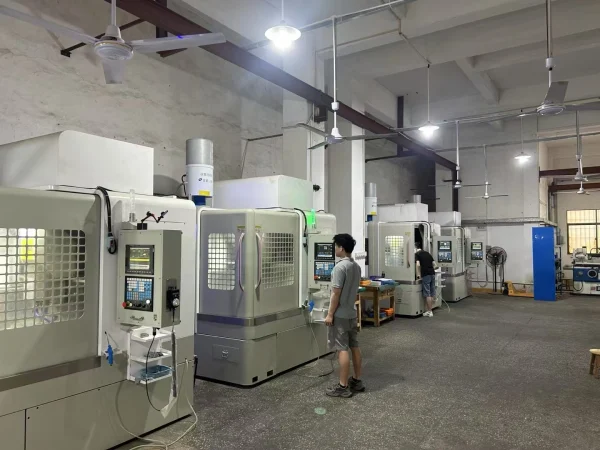
ADCERAX is a China-based silicon carbide manufacturer for drawing-based mechanical components — seal faces, sleeve bearings, bushings, shaft sleeves, thrust rings and valve seats. Using SSiC, RBSiC and SiSiC forming with precision CNC machining, grinding and lapping, we make parts for pumps, mechanical seals and corrosive or high-temperature service, with a manufacturability and material-route review before quotation.
- Manufacturability review of your drawing or worn sample
- Material-route recommendation — SSiC, RBSiC or SiSiC
- Tolerance and surface-finish planning to your drawing
- Batch dimensional inspection for repeatable production
| Manufacturing Capabilities Overview | |||
|---|---|---|---|
| Manufacturing Process Item | Technical Capability / Data Indicator | ||
| Multi-axis CNC machining centers | 4–5 axis configuration supporting high-accuracy machining | ||
| Diamond grinding & polishing lines | Ra 0.1–0.4 µm achievable on sealing surfaces | ||
| High-precision drilling systems | Hole concentricity maintained within 0.03 mm | ||
| Large-format sintering furnaces | Max load capacity 800–1200 kg per batch | ||
| RBSiC / SSiC forming equipment | Complex shapes up to 650 mm dimension envelope | ||
| Automated dimensional inspection (CMM) | Measurement repeatability verified per order | ||
| Profilometer (optical & contact) | Surface profile traceability up to 0.001 mm resolution | ||
| Batch-stability process controls | Dimensional variation maintained below 1.5% across batches | ||
FAQs About Silicon Carbide Mechanical Components
Yes. High hardness and abrasion resistance limit particle embedding and micro-grooving, so wear rings, bushings and liners lose dimension more slowly than metal in abrasive, corrosive flow. Because service life depends on medium, particle size and velocity, we review your conditions before recommending a part.
The rigid lattice of silicon carbide deforms very little under radial and axial loads, which suits sleeve bearings, shaft sleeves and thrust rings. Dimensional drift stays small through thermal cycling and continuous rotation, helping keep consistent lubrication gaps and reducing the risk of bearing seizure.
Silicon carbide is chemically inert to most strong acids, alkalis and chloride-rich fluids, which helps seal faces, rings and valve parts resist pitting and leakage. Corrosion resistance stays stable at elevated temperature, though the right route (SSiC or RBSiC) still depends on your specific medium.
Fine lapping produces very flat, smooth sealing faces, which lowers leakage across the sealing interface. The faces hold flatness through open–close and thermal cycles, supporting reliable sealing in chemical and process pumps when paired with a suitable mating face.
SSiC (sintered) gives the highest corrosion resistance and hardness for seal faces and demanding chemical service. RBSiC/SiSiC (reaction-bonded) offers good wear resistance and complex shapes at lower cost where some free silicon is acceptable. Share your medium, temperature and geometry and we will recommend a route before quoting.
Yes. We review a drawing or a worn part together with the working conditions and make small trial batches or repeat parts, including replacements and second-source programs. We do not claim drop-in compatibility with any brand without reviewing the actual geometry and application.
Send the part type (seal face, sleeve bearing, shaft sleeve, bushing, thrust ring, valve seat), a drawing or worn sample, key dimensions and tolerances, the material route if known, quantity, and the working conditions — medium/pH, temperature, pressure, speed, particles and dry-run risk. We review manufacturability before quoting.
Precision CNC machining and multi-stage metrology hold tolerance windows during production, and dimensions are checked through the batch for repeatability. This supports OEM and long-term maintenance programs where parts must match from order to order.
What to send for a silicon carbide mechanical component quote
For a fast engineering review, please share:
- Part type — seal face/ring, sleeve bearing, shaft sleeve, bushing, thrust ring, valve seat or wear part
- Drawing or worn sample — OD, ID, height, flatness, surface roughness, grooves, holes, chamfers, key features
- Material route — SSiC, RBSiC or SiSiC (or ask us to recommend); mating face if it is a seal
- Working conditions — medium/pH, temperature, pressure, speed, particles, dry-run risk, lubrication
- Purpose — new OEM design, replacement, second source or repeat production
- Files — drawing, datasheet or a photo of the worn part (PDF, DXF, STEP or image)
Plus quantity — prototype, spare or repeat. Our engineers review manufacturability, material route and typical lead time before quotation.
*Our team will answer your inquiries within 24 hours.
*Your information will be kept strictly confidential.
info@adcerax.com
Tel:+86-0731-84428843
WhatsApp:+86 19311583352
Within 24 hours