Ceramic application guide articles connecting components to real service conditions: furnaces, laboratories, chemical processing, energy equipment, and industrial systems. For engineers validating whether a ceramic product fits their operating environment.
ADCERAX Ceramics Catalog
Materials, product forms, and capabilities in one PDF.
Alumina Ceramic is increasingly selected when electronic systems demand long-term stability rather than short-term performance. However, insulation failure heat accumulation
Alumina Ceramic is often selected when metallurgical processes face instability, deformation, or contamination. However, extreme heat and reactive slag frequently
Alumina Ceramic is frequently selected when experimental accuracy is at risk. However, laboratory users often face inconsistent results. Therefore, material
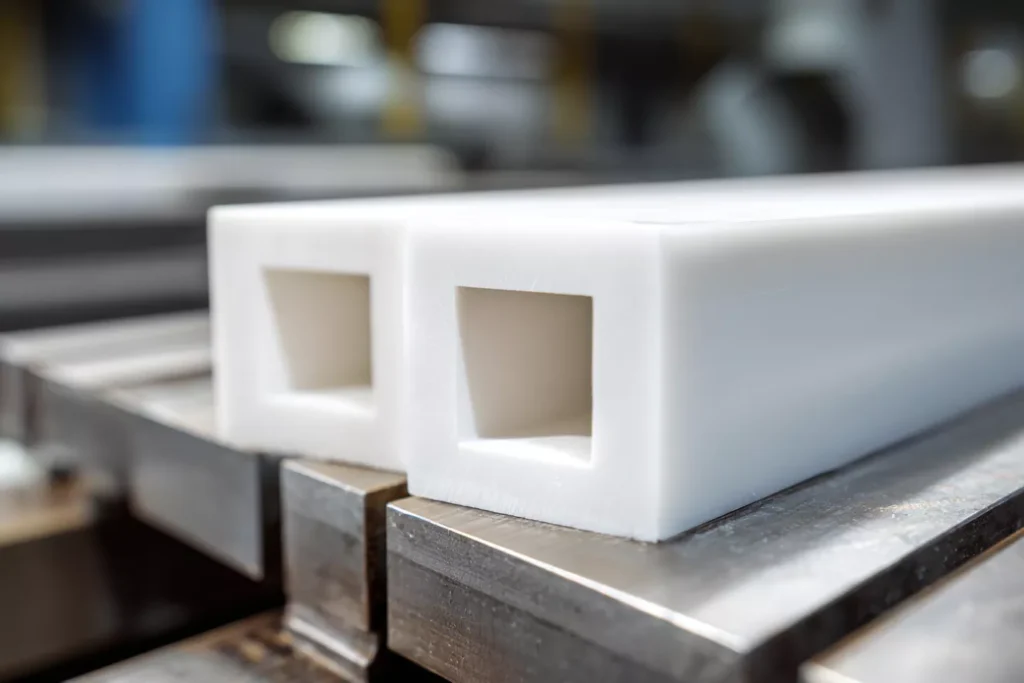
Corundum square tubes are square or rectangular alumina ceramic tubes used in industrial systems where electrical insulation, structural support, high-temperature
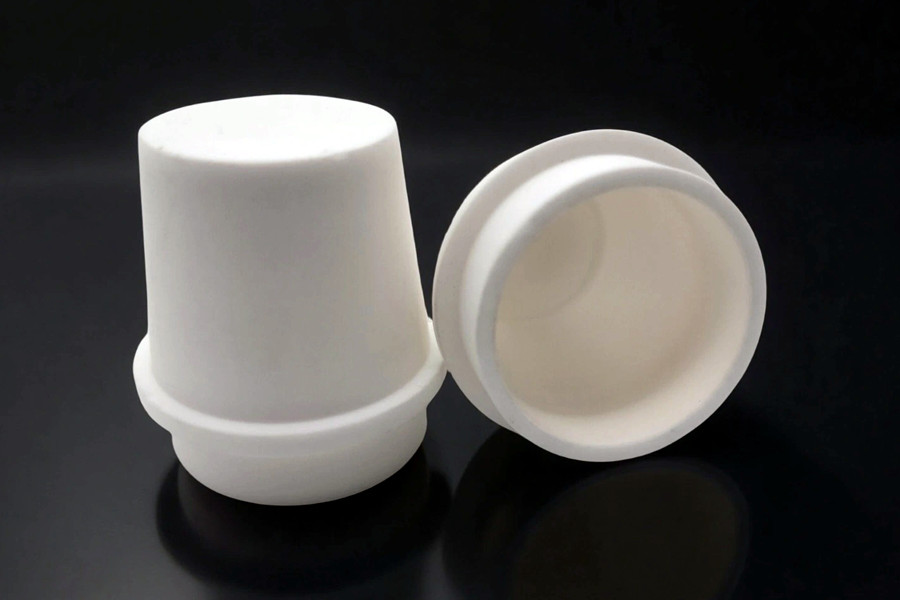
DSC alumina crucibles operate at μW-level sensitivity; therefore, even minor material variability can distort weak thermal signals. However, conventional crucibles
DSC alumina crucibles are often treated as neutral consumables in laboratory workflows; however, small and overlooked differences can silently compromise
Alumina tube for corrosion resistance represents a precision-driven ceramic component essential for uniform performance across industries. At the beginning of
Alumina tube for vacuum furnace experiences extreme temperature gradients that create internal tensile stresses near its mechanical limits. Controlled heating
Thermal shock resistant alumina tube design depends on understanding how critical temperature difference (CTD) governs durability. This relationship defines the
High-temperature alumina tubes are essential components in catalytic reactors that operate under extreme heat. These advanced ceramic tubes ensure stable
Alumina Protection Tube for Platinum-Based Thermocouples plays a vital role in maintaining stability and measurement reliability in extreme thermal environments.
Alumina tubes for chemical reactors provide unmatched performance in highly corrosive environments where metals fail within months. These advanced ceramic
Need help selecting the right ceramic for your application?
Send your drawing, material requirement, dimensions, quantity, and working conditions — our engineering team reviews manufacturability before quotation.