Home / SiC Ceramic
TOPIC ARCHIVE
Engineering articles on silicon carbide ceramic: oxidation behavior, thermal conductivity, grade comparison (SSiC, RBSC, NBSC), and severe-service applications. For engineers evaluating SiC for furnace, burner, heat exchanger, and corrosive environments.
Materials, product forms, and capabilities in one PDF.
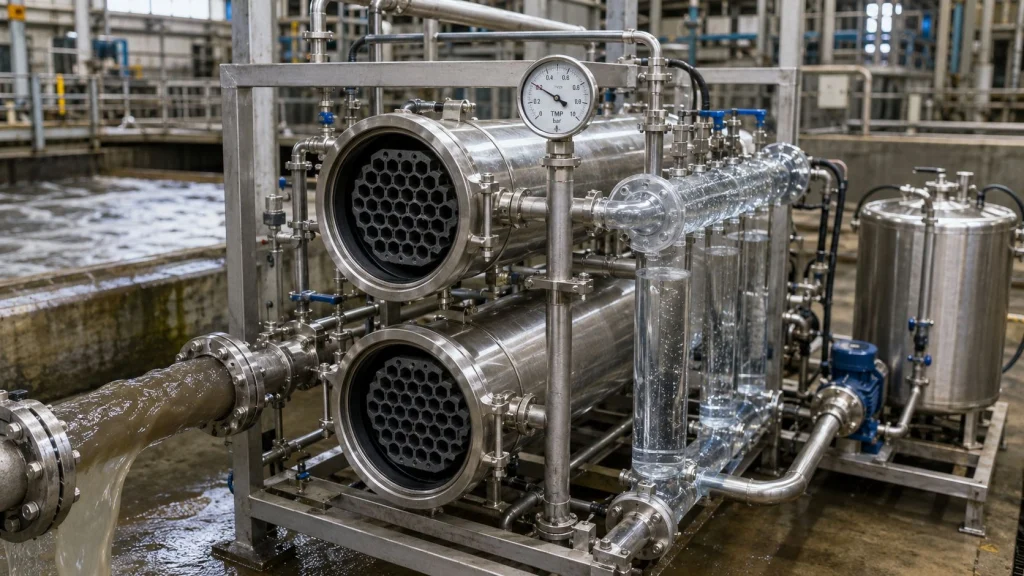
SiC ceramic membranes can offer superior recovery after fouling because their hydrophilic surface, chemical stability, mechanical robustness, and cleaning tolerance
SiC membranes are best used for oil and grease removal when the wastewater contains emulsified oil, fine droplets, variable chemistry,
Choose SiC membranes for industrial wastewater when the feed is too harsh for standard polymer membranes: oily, abrasive, high-solids, chemically
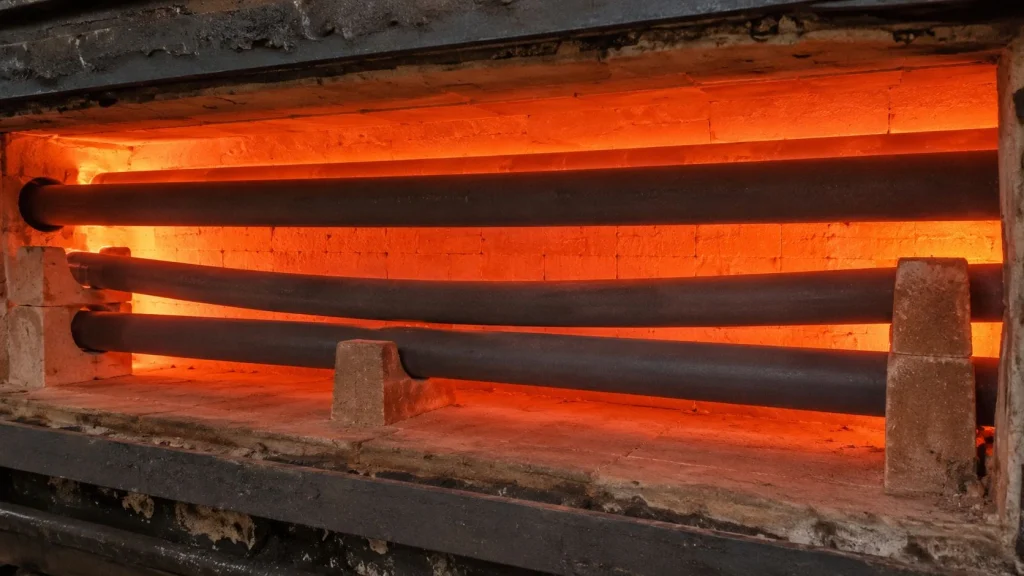
Recrystallized SiC tubes are suitable for ultra-high-temperature furnace service when the application needs high-purity SiC, thermal shock resistance, dimensional stability,
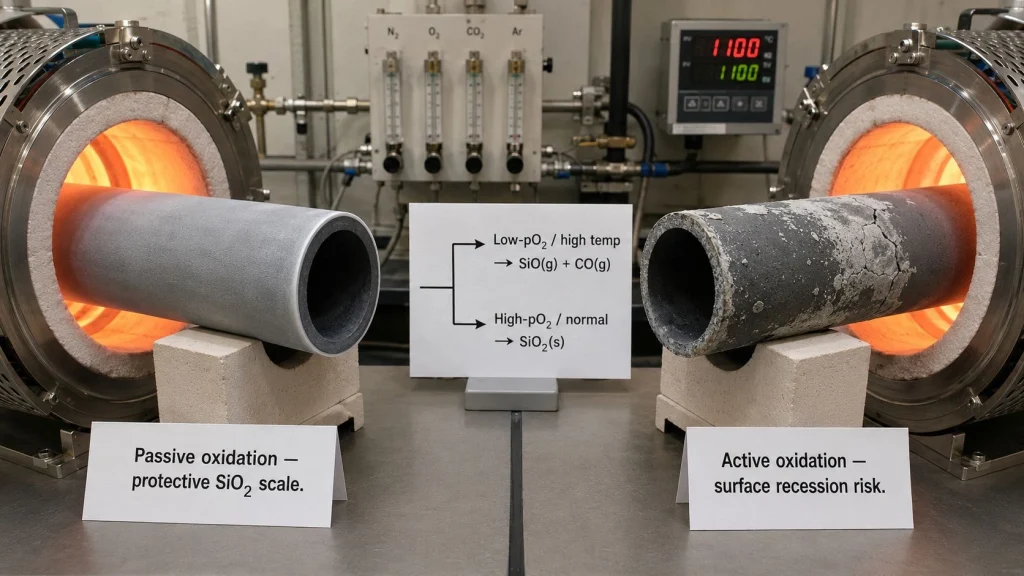
The engineers who get SiC oxidation wrong usually do not make a chemistry mistake — they make a classification mistake.
SiC membranes are best when the feed is chemically aggressive, oily, abrasive, high-fouling, high-temperature, or requires repeated harsh chemical cleaning.
SiC foam filters can be considered for aluminum casting only when the alloy, pouring temperature, thermal-shock duty, filter-box design, and
Silicon carbide liners are used in slurry transport when hard particles, high velocity, corrosive liquid chemistry, and repeated erosion make
Select SiC bearings for magnetic drive pumps when the internal bearing and shaft-support system must resist corrosion, sliding wear, chemical
Select SiC seal rings for chemical pumps when the seal face must resist corrosion, abrasive particles, high temperature, and rapid
Silicon carbide mechanical seals often outlast carbon, alumina ceramic, and many metal-based seal faces when the service involves abrasion, corrosive
Silicon carbide heat exchanger tubes are selected when corrosive, oxidizing, abrasive, or high-purity process fluids require better chemical resistance and
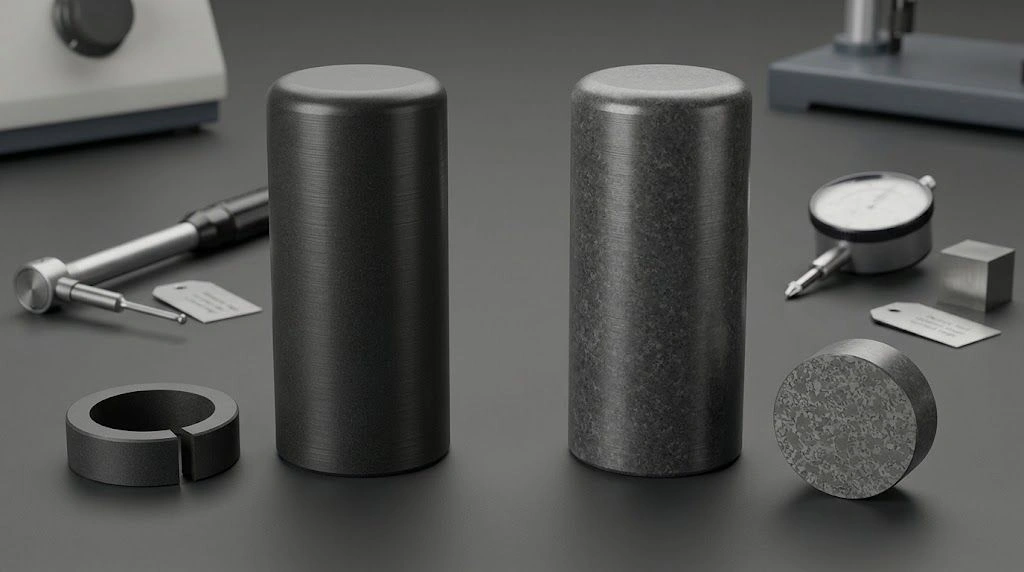
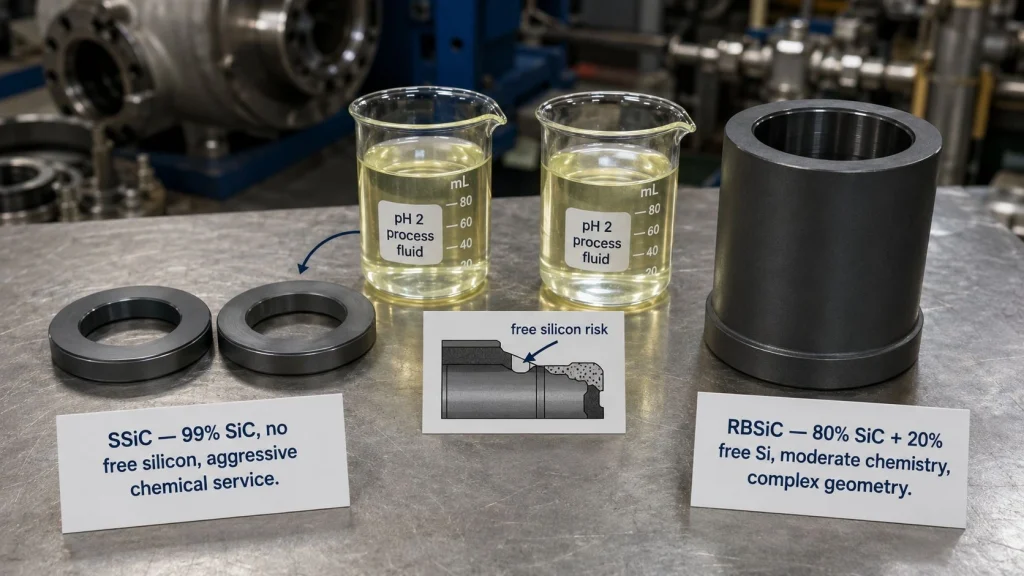
Choose SSiC when the application needs the highest SiC purity, dense microstructure, strong corrosion resistance, high-temperature stability, tight precision, or
SiC tubes cannot be simply welded like metal tubes because silicon carbide is a brittle covalent ceramic that does not
SiC tube wall thickness should be optimized by balancing tube-wall thermal resistance against pressure strength, thermal shock resistance, erosion and
SiC tubes are suitable for HF reactor service when the application requires a dense, non-metallic tube material with strong resistance
SiC tubes in Li battery cathode roller hearth kilns refer to several distinct functional ceramic components: roller tubes that transport
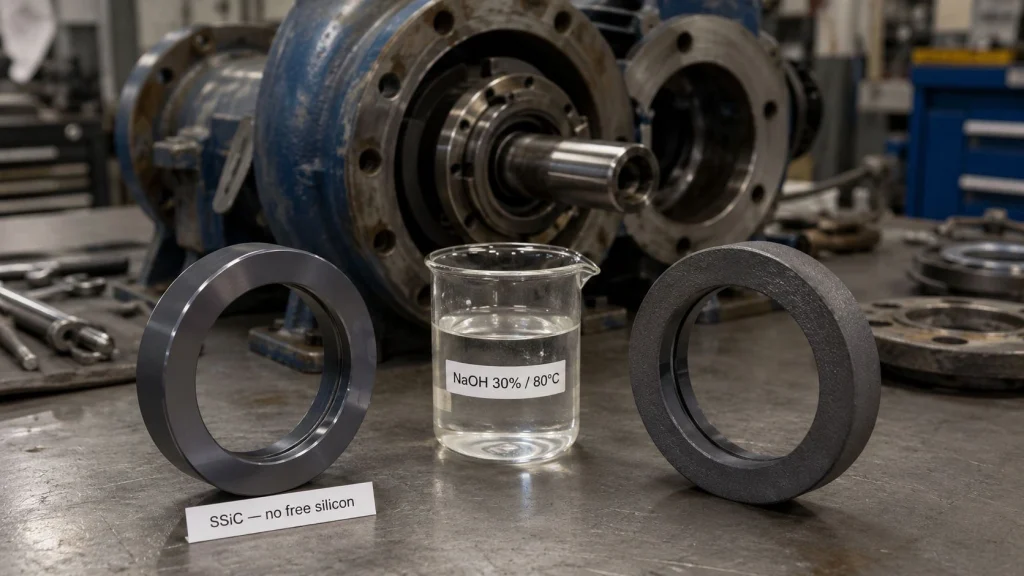
SSiC is usually the safer choice for chemical pump service when the fluid contains strong acids, strong alkalis, oxidizers, high-purity
Vertical diffusion tools do not have a single “SiC tube” problem. They have role problems—process tube (conditional), inner liner, boat,
SiC tubes can resist creep well at 1400°C when the applied stress, support span, tube diameter, wall thickness, atmosphere, and
Hexagonal boron nitride is a layered ceramic made of hexagonal sheets of boron and nitrogen atoms. That structure gives h-BN
SiC tubes are a strong choice in FGD heat exchangers when the unit must transfer heat in a sulfuric-acid-dew-point-risk environment
Component role mapping, material selection boundary, and RFQ specification guidance for process engineers evaluating ceramic tube routes in degassing units
Specifying a SiC tube as a hydrogen barrier in high-temperature service requires answering a question that most SiC tube product
Send your drawing, material requirement, dimensions, quantity, and working conditions — our engineering team reviews manufacturability before quotation.

WhatsApp us
The more details you provide, the faster we can quote.
*We respond within 24 hours. All inquiries are confidential.