Ceramic application guide articles connecting components to real service conditions: furnaces, laboratories, chemical processing, energy equipment, and industrial systems. For engineers validating whether a ceramic product fits their operating environment.
ADCERAX Ceramics Catalog
Materials, product forms, and capabilities in one PDF.
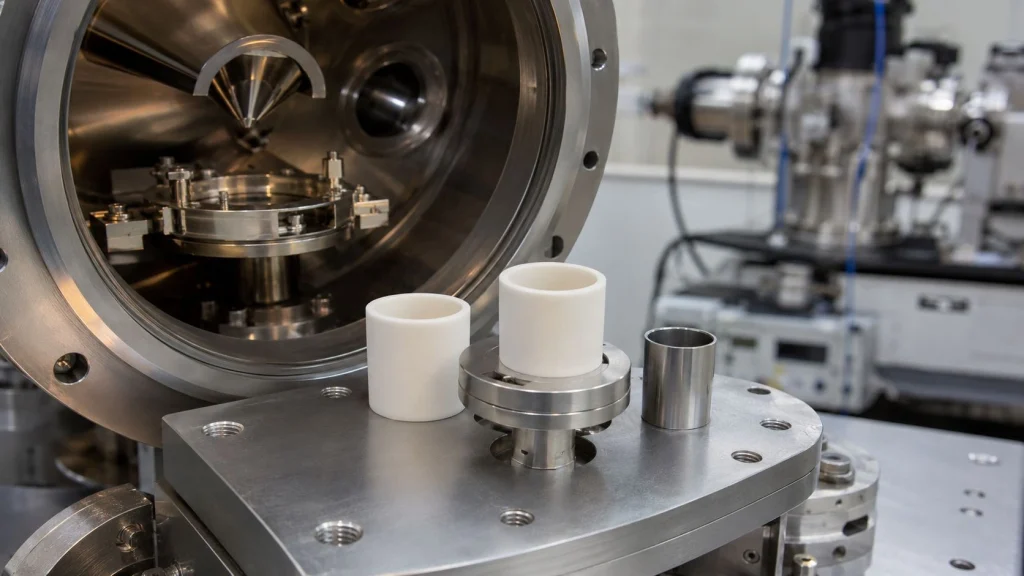
Alumina crucibles are suitable for semiconductor dopant evaporation when the evaporant is chemically compatible with Al₂O₃, the source temperature stays
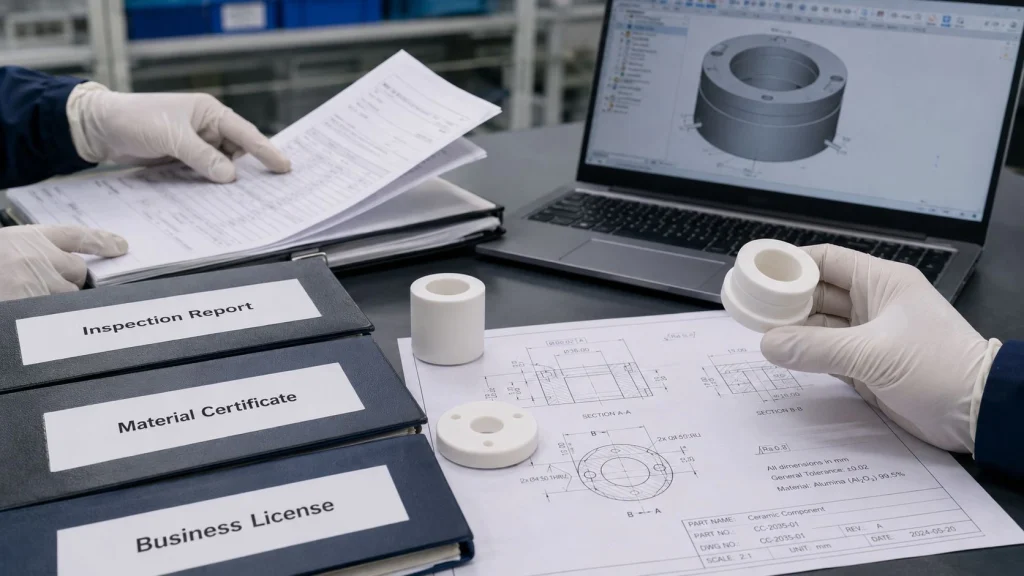
A Chinese advanced ceramic supplier should be qualified only after legal registration, manufacturing capability, ceramic process control, measurement capability, material
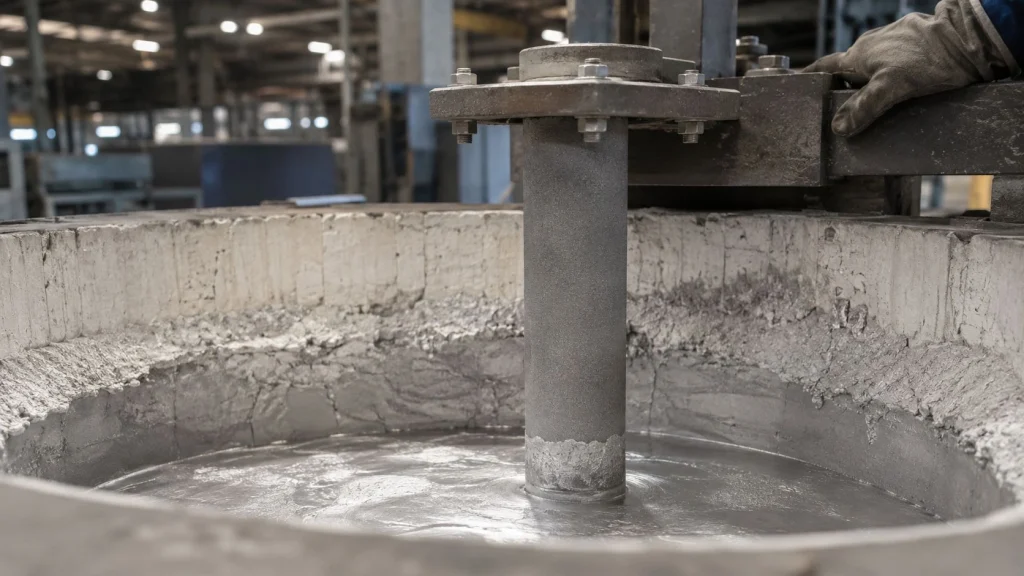
Engineers investigating aluminum alloy casting inclusions usually encounter two kinds of advice that do not quite connect. Foundry literature emphasizes
High-performance engineering systems often fail at the material–component interface; therefore, advanced ceramics increasingly define reliability limits in real industrial equipment.
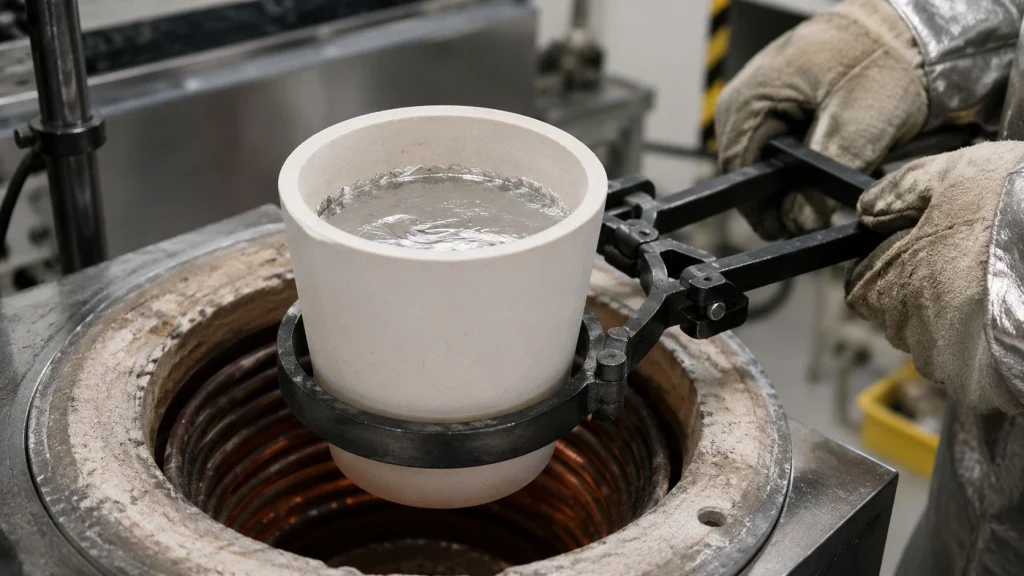
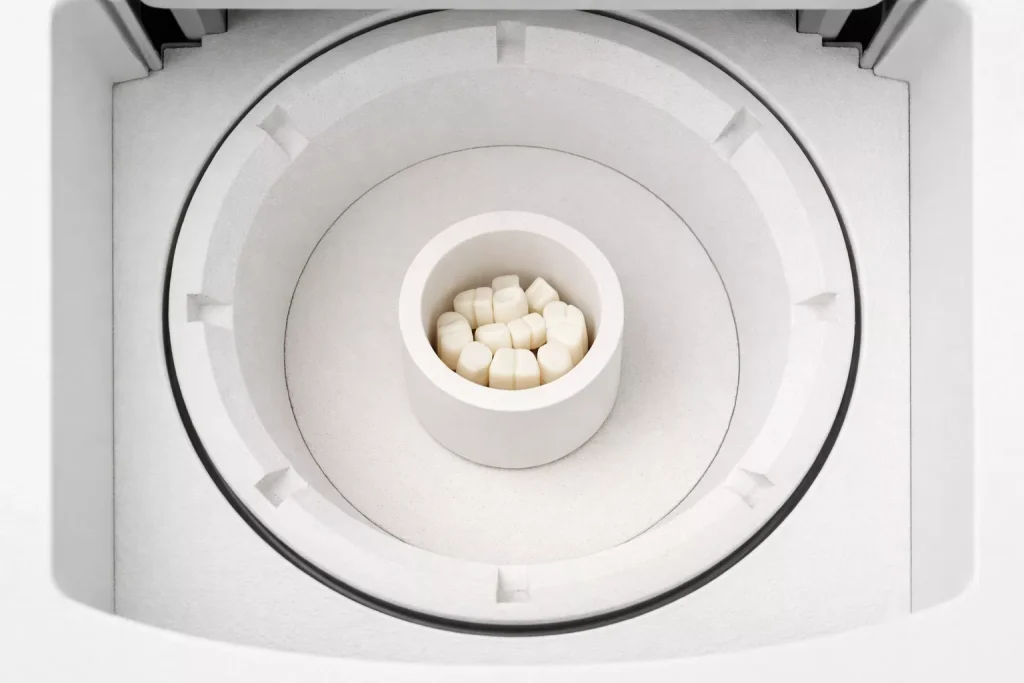
Material Safety Behavior of Zirconia Sintering Crucible High-temperature zirconia crucibles may appear inert; however, hidden material interactions can compromise furnace
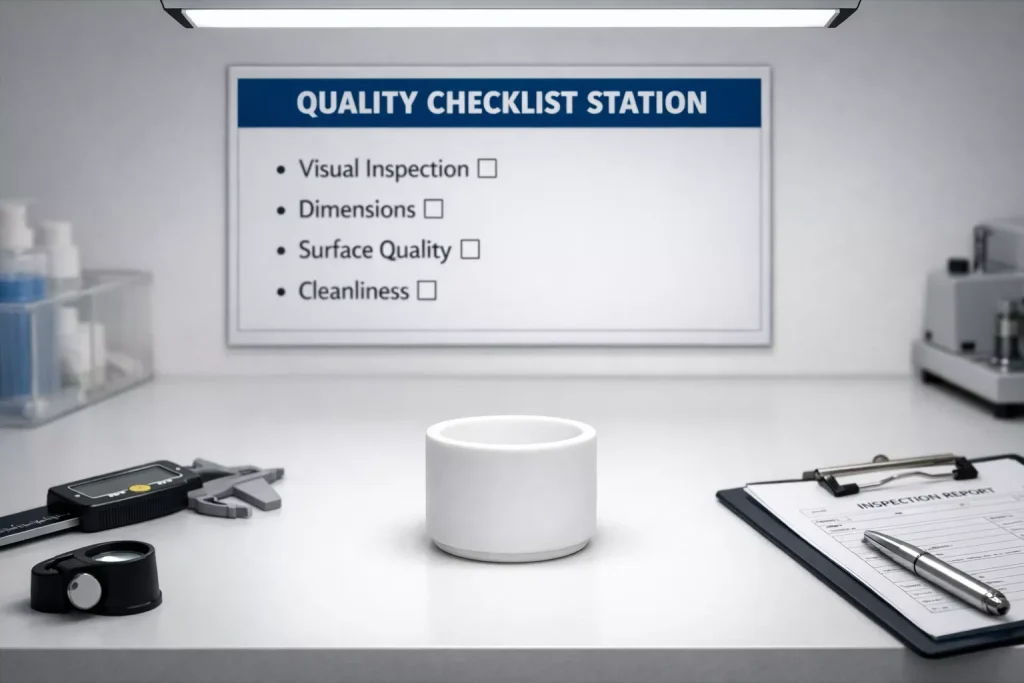
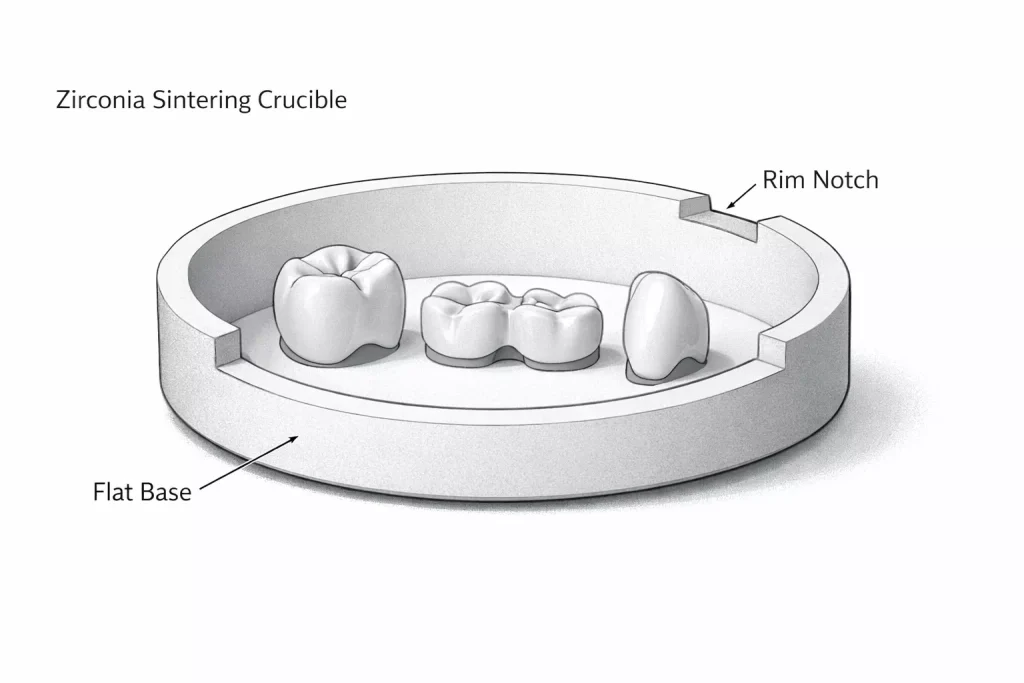
Unstable zirconia sintering results often originate from unnoticed crucible quality variation; consequently, surface defects, contamination, and dimensional drift accumulate until
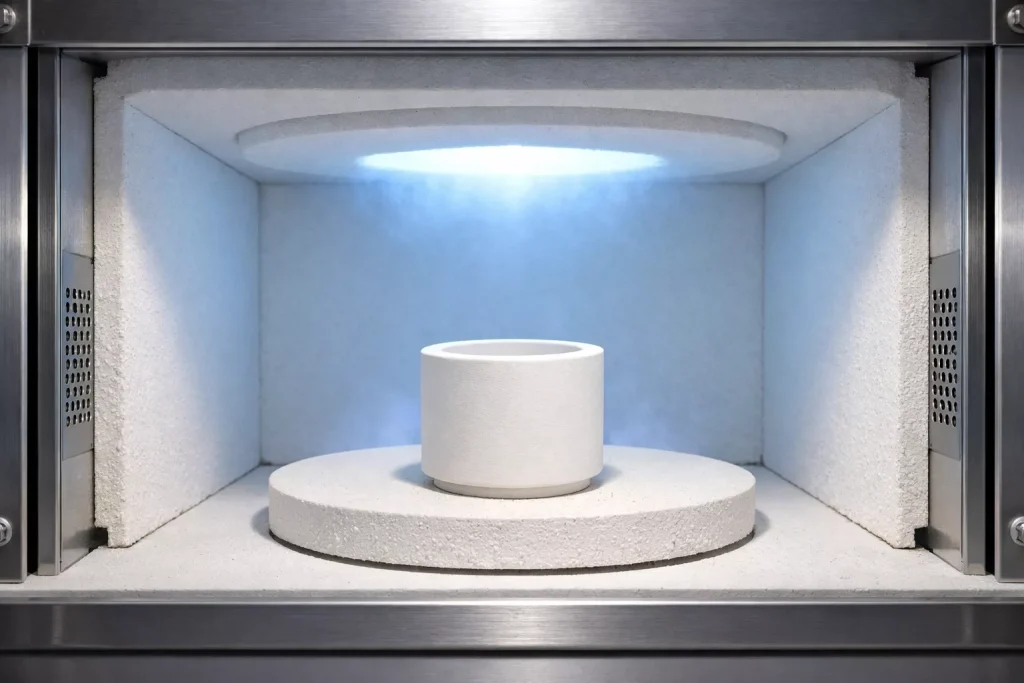
Poor sintering outcomes often originate before firing begins; consequently, unnoticed incompatibility between crucible and furnace quietly undermines dimensional accuracy, surface
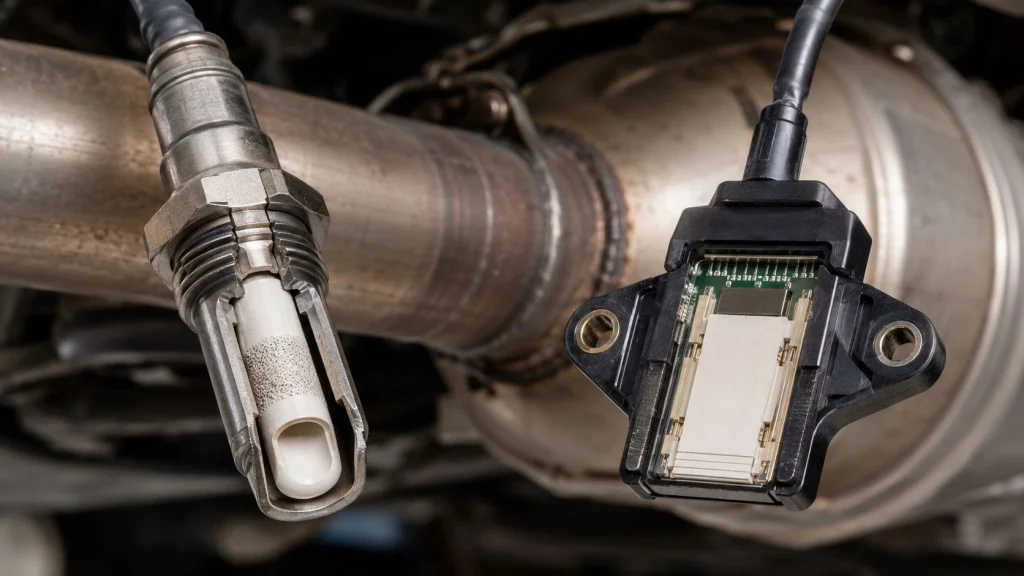
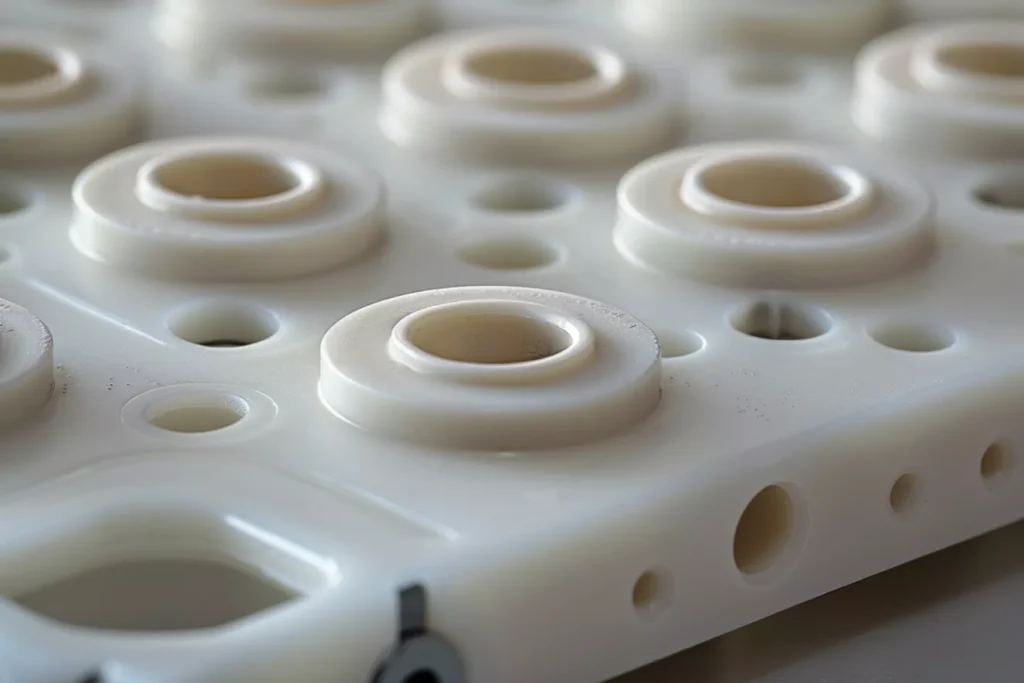
Alumina Ceramic Parts often fail quietly; meanwhile, thermal gradients, voltage stress, and corrosive vapors accumulate until downtime becomes unavoidable. Consequently,
Alumina Ceramic Parts often fail quietly before a machine alarms. Consequently, unchecked wear, contamination, and drift accumulate until throughput or
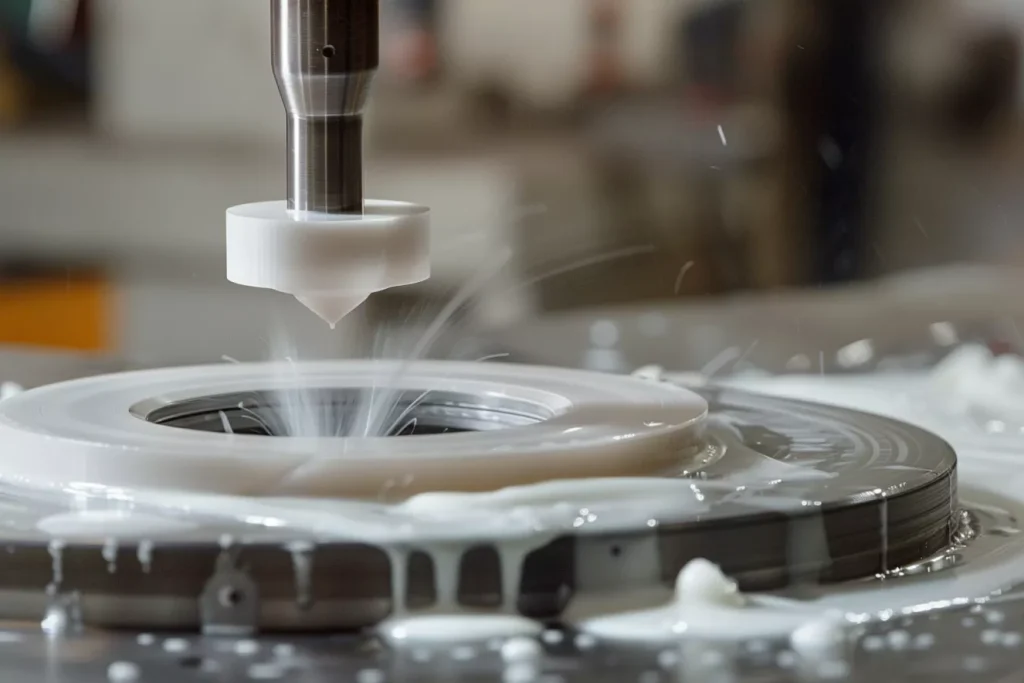
Alumina Ceramic Parts are frequently introduced into precision systems only after metals begin to compromise dimensional integrity, measurement repeatability, or
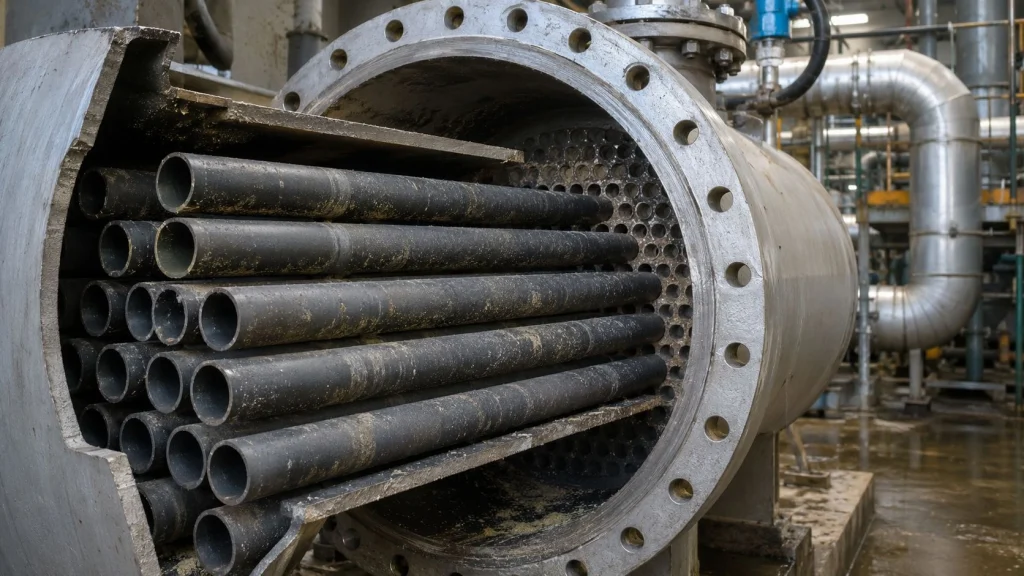
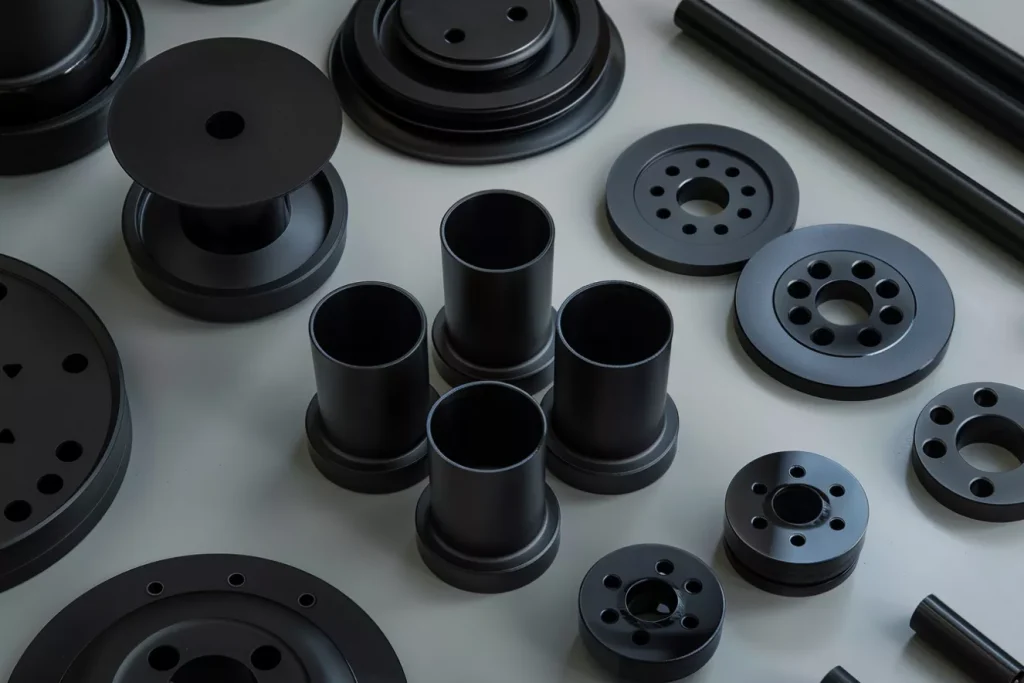
Black Alumina Ceramic is increasingly specified when chemical processing equipment faces thermal instability, corrosive attack, and electrical leakage, which collectively
Need help selecting the right ceramic for your application?
Send your drawing, material requirement, dimensions, quantity, and working conditions — our engineering team reviews manufacturability before quotation.