Home / RFQ Guide
TOPIC ARCHIVE
Ceramic RFQ guide articles: what drawings, dimensions, tolerances, material grades, quantities, and operating conditions to include so quotations are accurate the first time. ADCERAX reviews manufacturability before quotation for every custom ceramic inquiry.
Materials, product forms, and capabilities in one PDF.
Silicon carbide liners are used in slurry transport when hard particles, high velocity, corrosive liquid chemistry, and repeated erosion make
Select SiC bearings for magnetic drive pumps when the internal bearing and shaft-support system must resist corrosion, sliding wear, chemical
SiC tube wall thickness should be optimized by balancing tube-wall thermal resistance against pressure strength, thermal shock resistance, erosion and
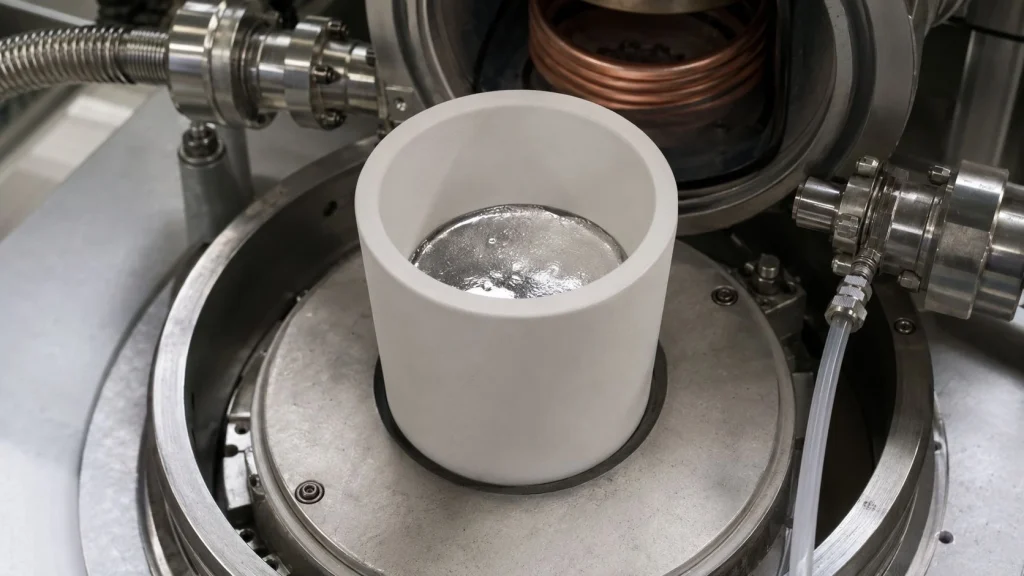
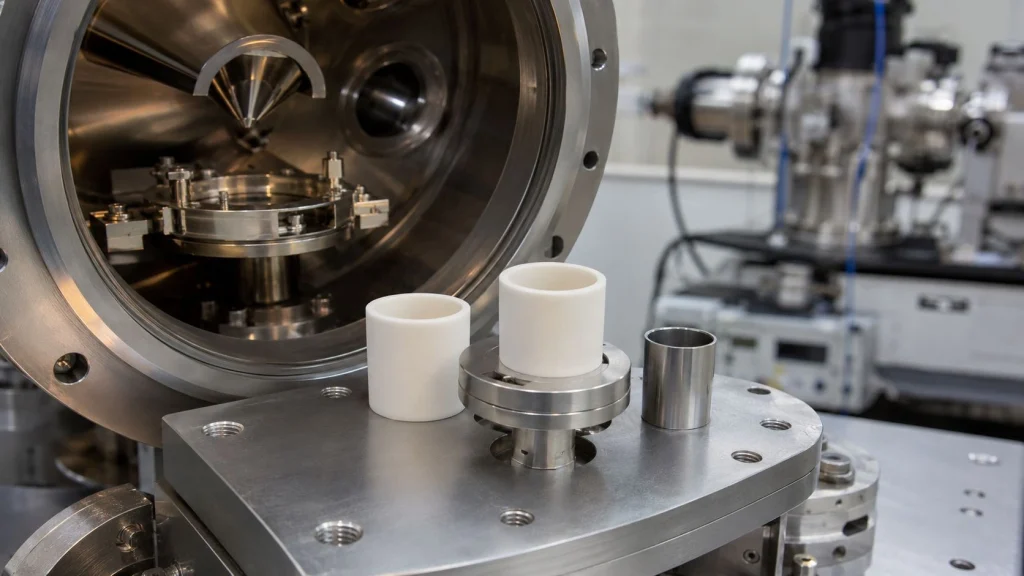
BN crucibles are useful in vacuum evaporation for mirror coating when the evaporation source requires a clean, thermally stable, low-wetting
SiC tubes in Li battery cathode roller hearth kilns refer to several distinct functional ceramic components: roller tubes that transport
BN crucibles are useful in nuclear-materials-adjacent research when the experiment requires a non-wetting, electrically insulating, high-temperature containment or interface material
Engineers are moving some advanced ceramic sourcing to China when projects need custom geometry, low MOQ for prototype and pilot
BN crucibles are a strong choice for rare earth metal purification when the step is really a clean melt-handling, remelting,
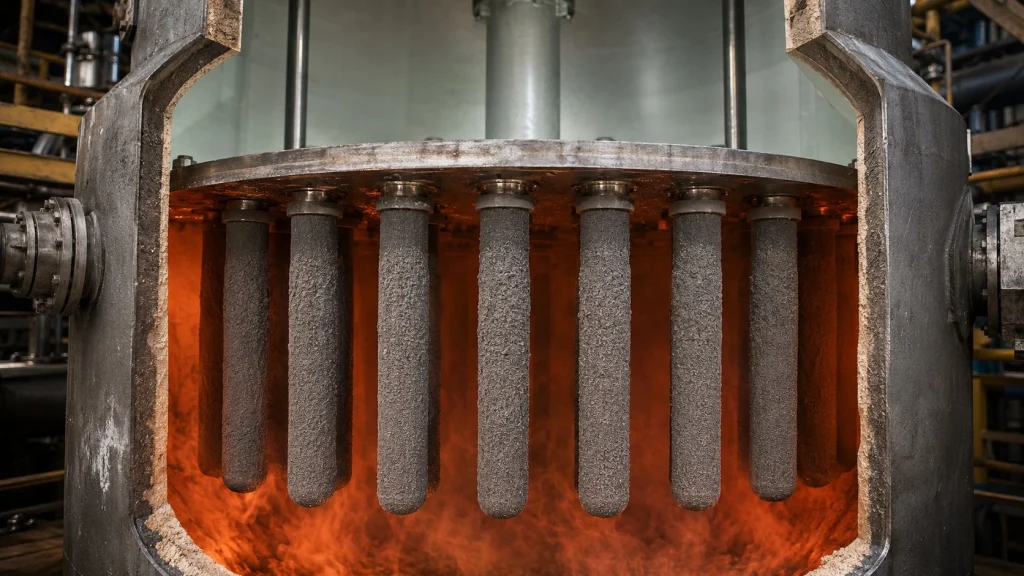
SiC tubes are suitable for high-temperature gas filtration when the component is designed as a porous filter tube or candle
Ash content in recrystallized alumina crucibles usually refers to the sample residue measured after ashing — the inorganic fraction left
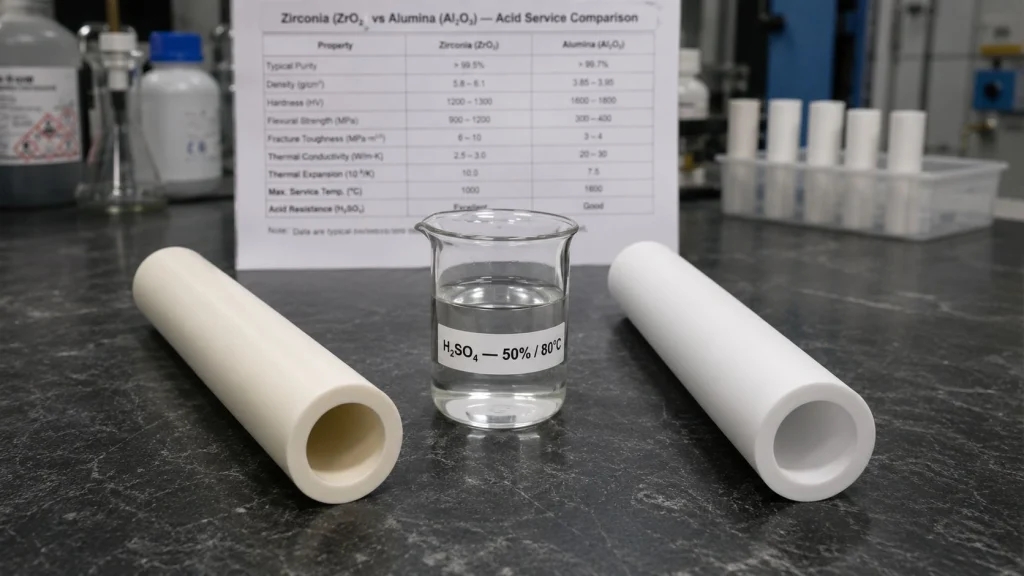
Zirconia tubes are usually preferred when acid exposure is combined with mechanical stress, thermal cycling, impact risk, acid/alkali cleaning cycles,
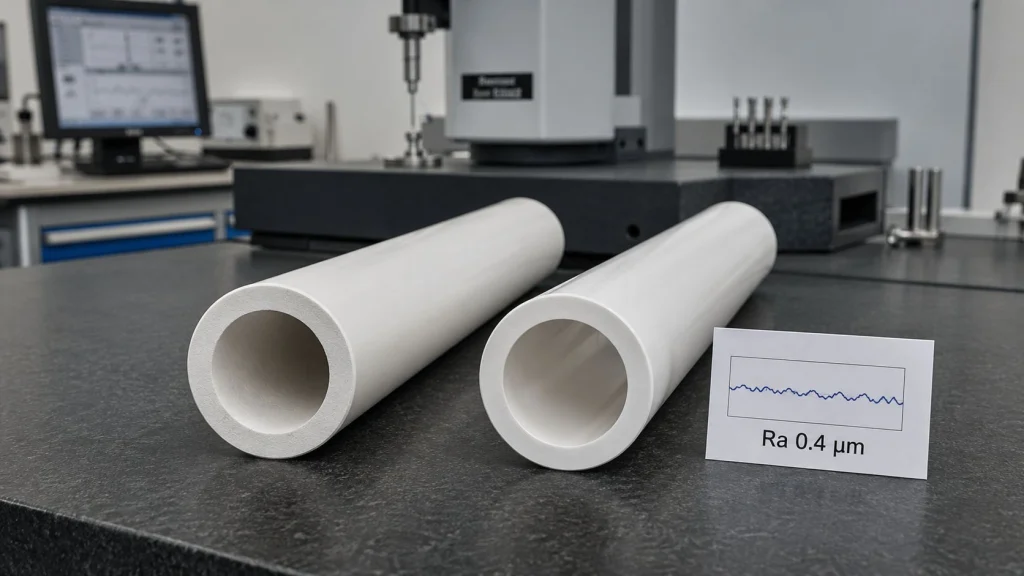
Alumina tube surface roughness affects gas flow mainly when the tube has small ID, long flow length, high velocity, turbulent
Ceramics for metal melting should be selected by melt chemistry, operating temperature, wetting behavior, flux or slag exposure, thermal cycling,
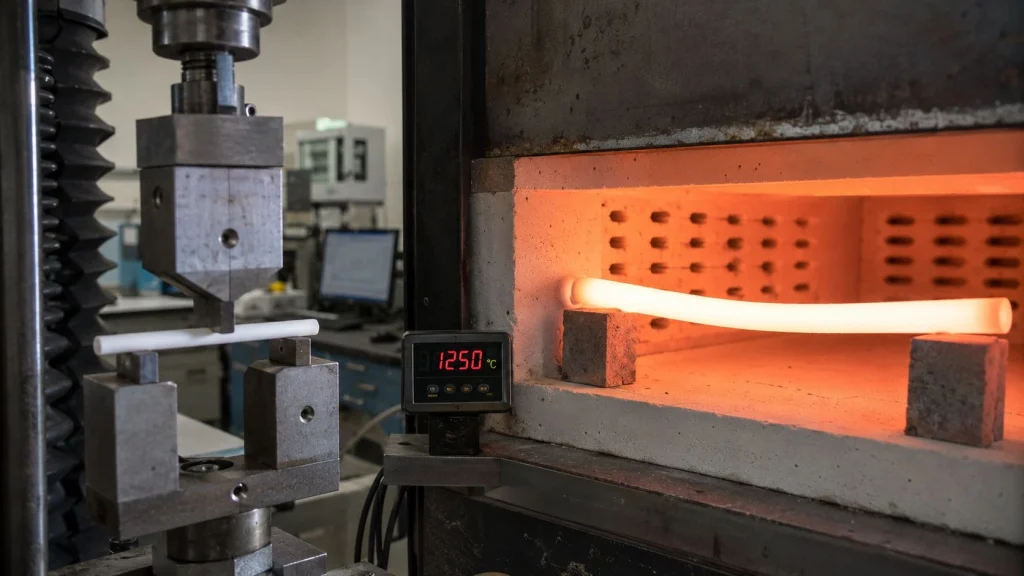
Alumina tube fracture above 1200°C becomes strain-rate sensitive when slow crack growth, creep deformation, grain-boundary phases, and high-temperature stress relaxation
Choose furnace ceramics by function first, not by maximum temperature alone. Use alumina when electrical insulation, oxide stability, and general
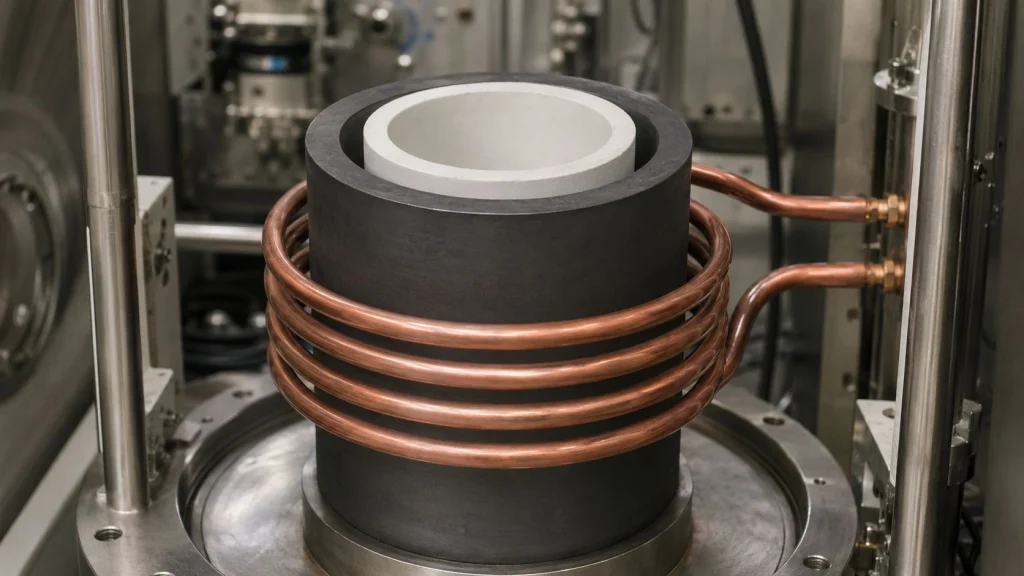
BN crucible shape should be optimized for induction heating when the crucible must isolate the melt, control wetting, improve release,
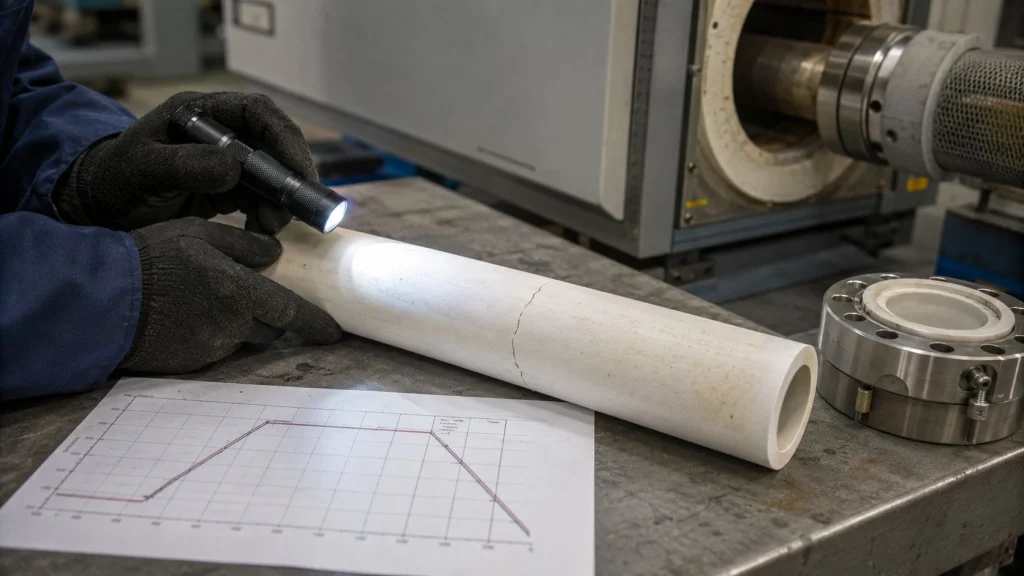
Alumina tubes crack in high-temperature furnaces when thermal gradients, restrained expansion, mechanical loading, or chemical attack create tensile stress above
Alumina crucibles are suitable for semiconductor dopant evaporation when the evaporant is chemically compatible with Al₂O₃, the source temperature stays
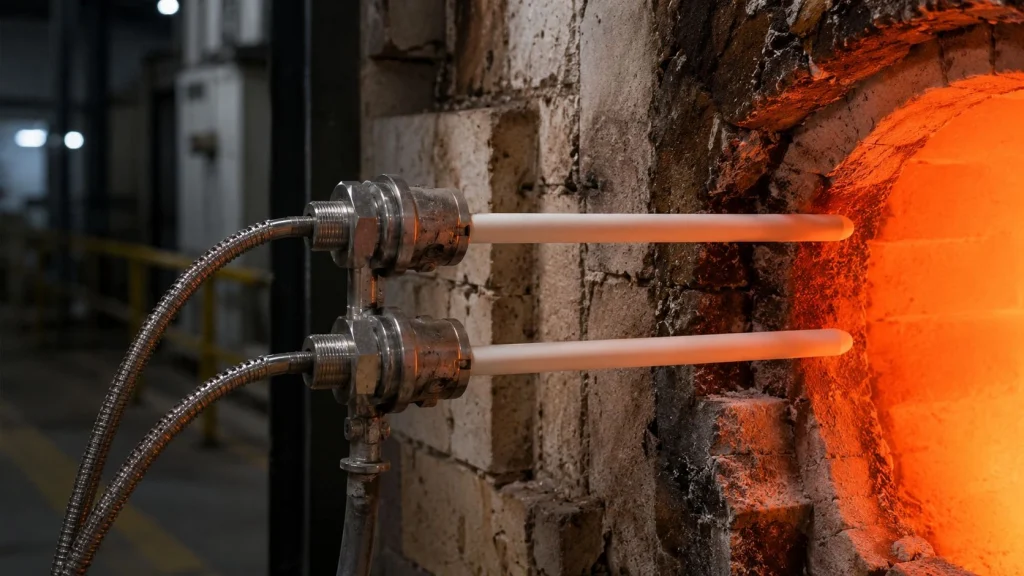
Alumina tubes are a strong baseline choice for glass melting temperature monitoring when the job is to protect a precious-metal
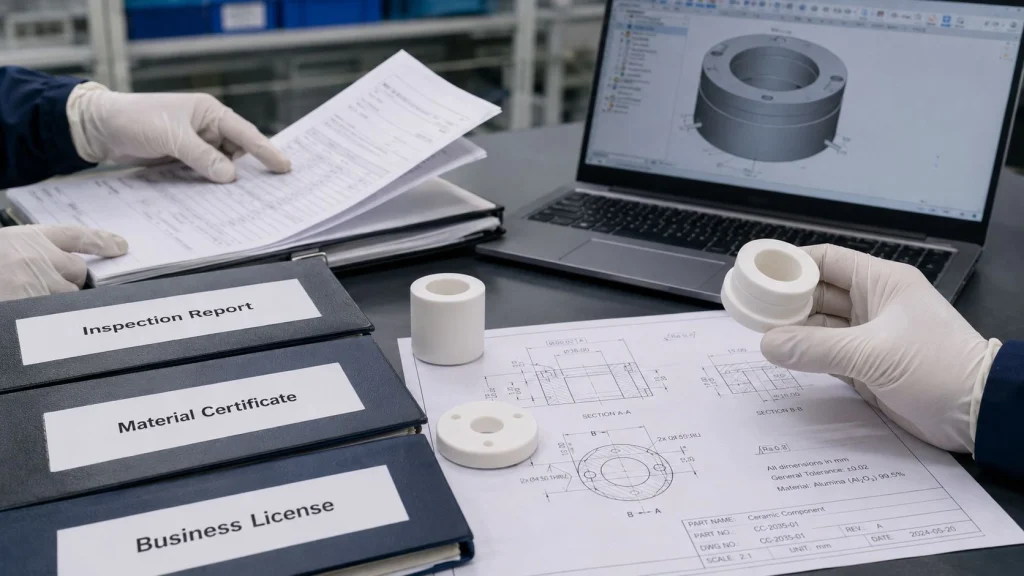
A Chinese advanced ceramic supplier should be qualified only after legal registration, manufacturing capability, ceramic process control, measurement capability, material
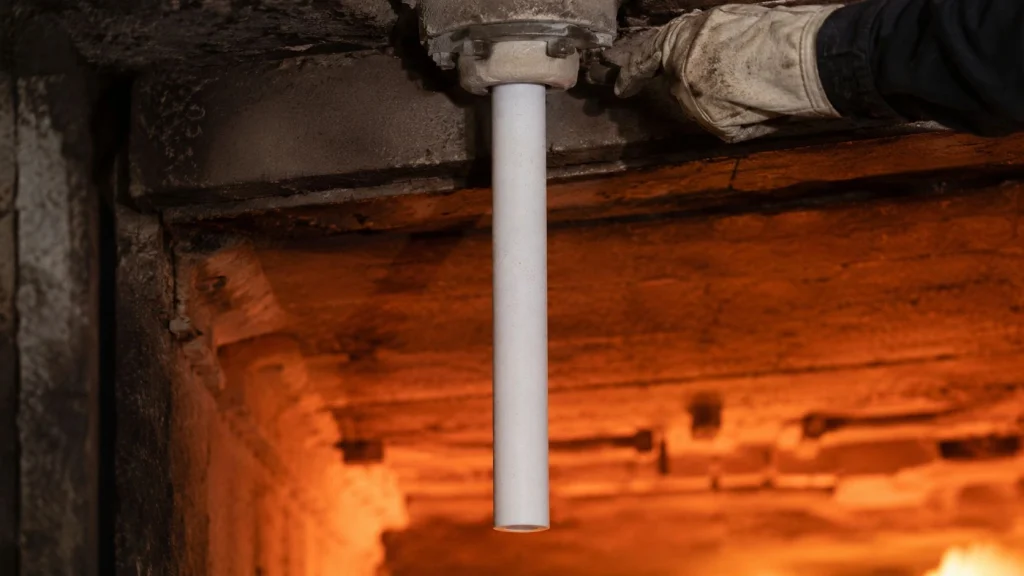
Measurement-point classification, route selection boundary, and operating-specification guidance for process engineers evaluating ceramic thermowell and protection-tube routes in cracking furnaces
Asking for "the most non-wetting ceramic" in molten-metal processing is a question that has at least four different correct answers
Alumina crucibles appear frequently in laboratory environments that handle platinum, palladium, and rhodium, but that does not mean they belong
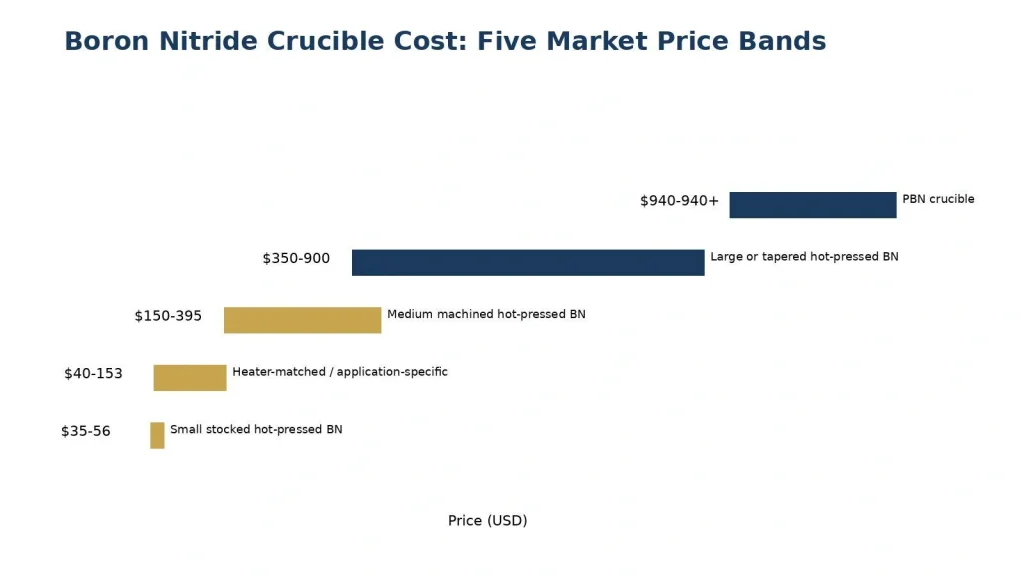
A buyer comparing boron nitride crucible quotes often sees prices from under $50 to near $1,000 on the same search
Send your drawing, material requirement, dimensions, quantity, and working conditions — our engineering team reviews manufacturability before quotation.
WhatsApp us
The more details you provide, the faster we can quote.
*All inquiries are confidential.