Ceramic application guide articles connecting components to real service conditions: furnaces, laboratories, chemical processing, energy equipment, and industrial systems. For engineers validating whether a ceramic product fits their operating environment.
ADCERAX Ceramics Catalog
Materials, product forms, and capabilities in one PDF.
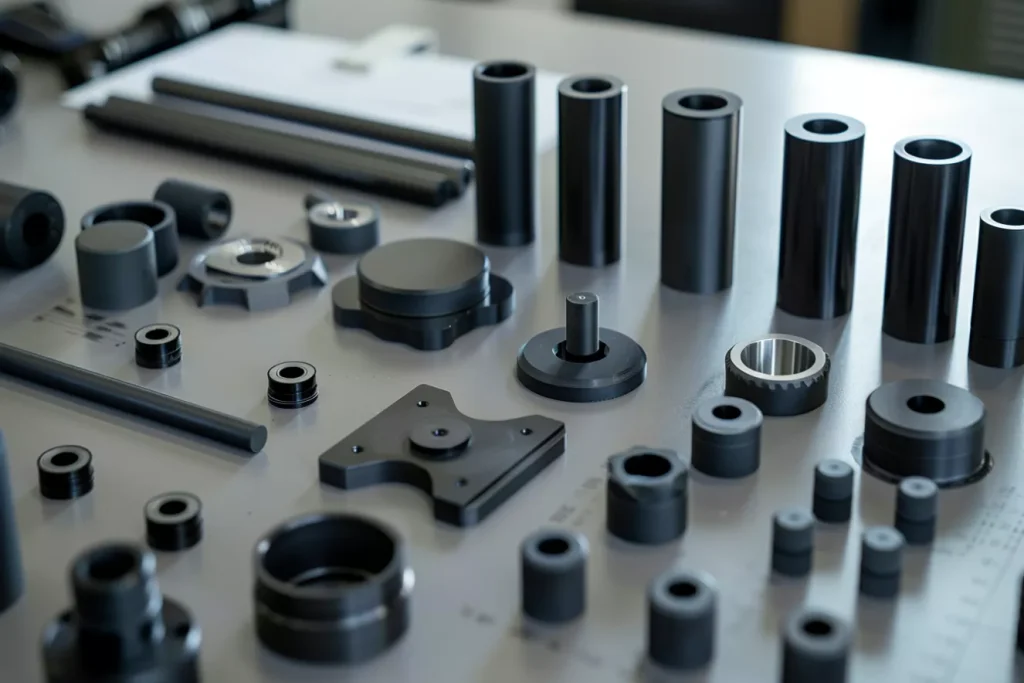
Industrial optical assemblies often fail electrically before they fail mechanically. Consequently, Black Alumina Ceramic becomes a decisive insulating material when
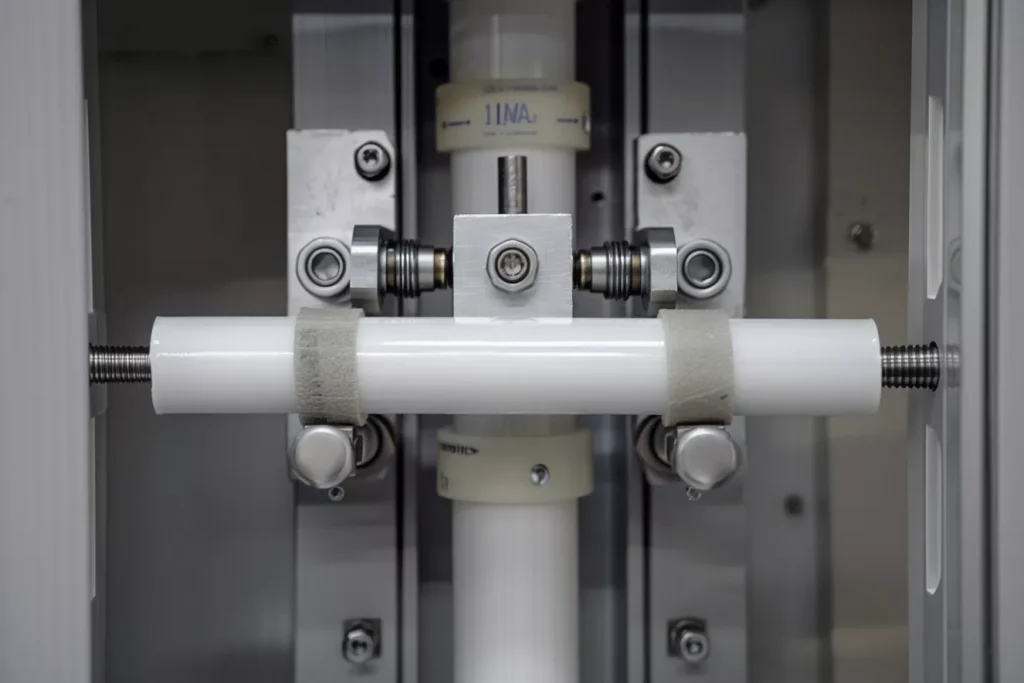
Alumina Rod failures in high-temperature equipment rarely occur suddenly; instead, they accumulate silently until thermal stability, insulation integrity, or structural
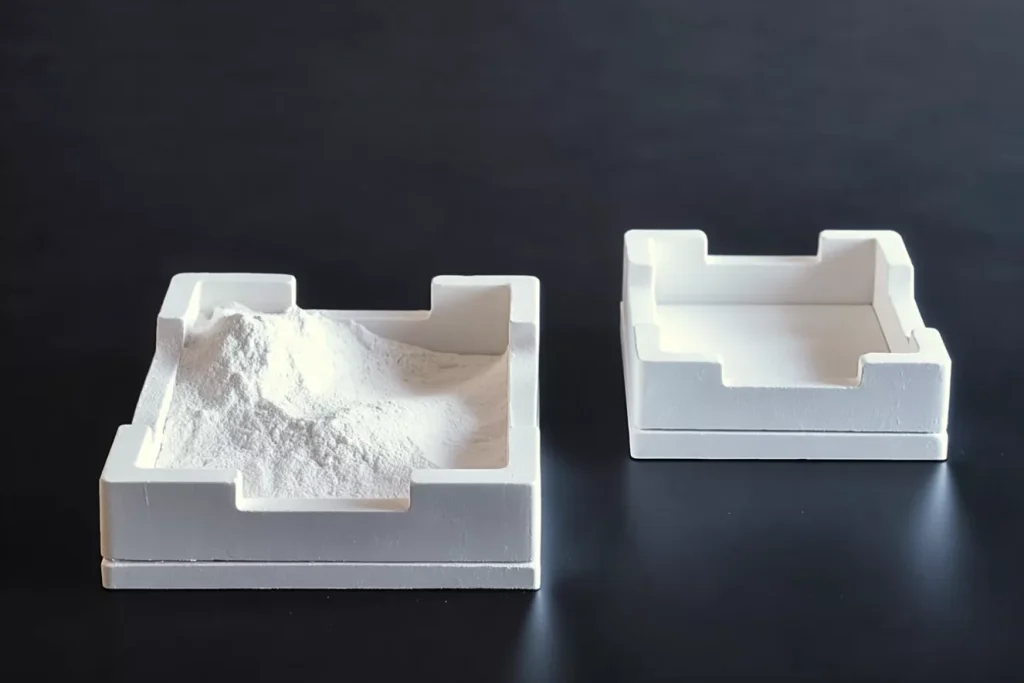
Alumina Trays are frequently introduced into thermal processes only after instability emerges. However, delayed material and geometry decisions often amplify
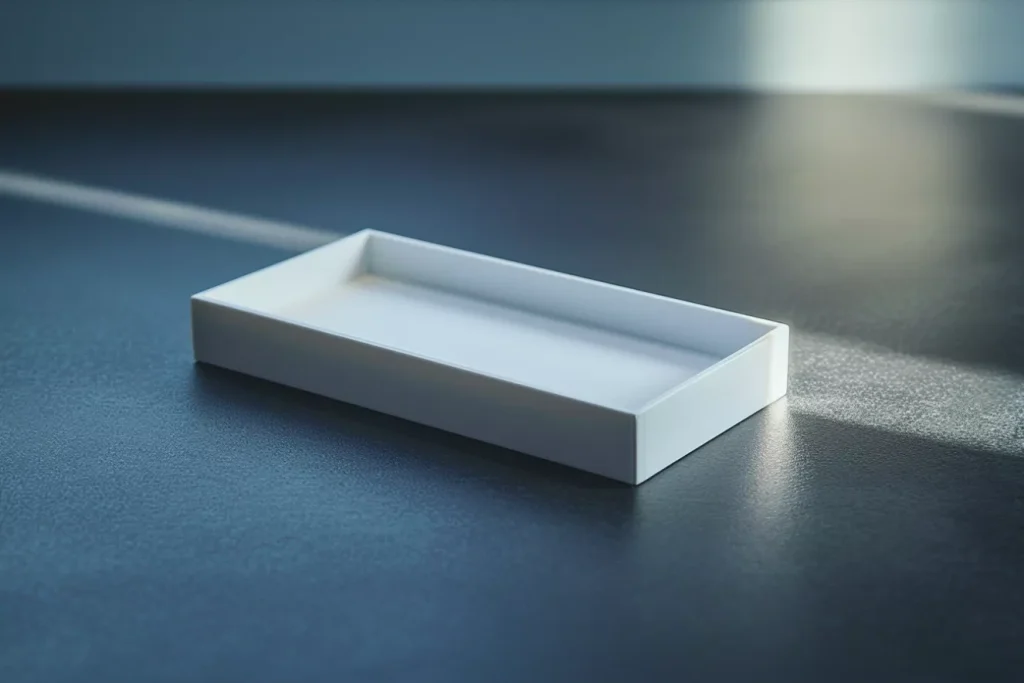
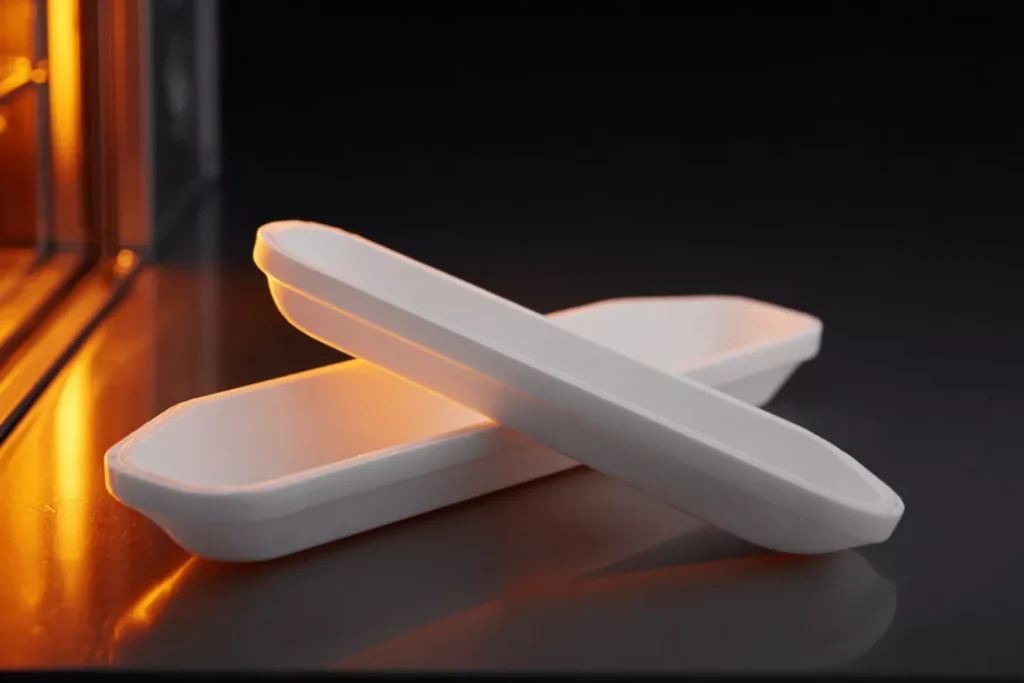
Alumina Trays fail quietly until warpage, contamination, or cracking disrupts runs. Consequently, engineers need Rectangular Alumina Trays that keep geometry
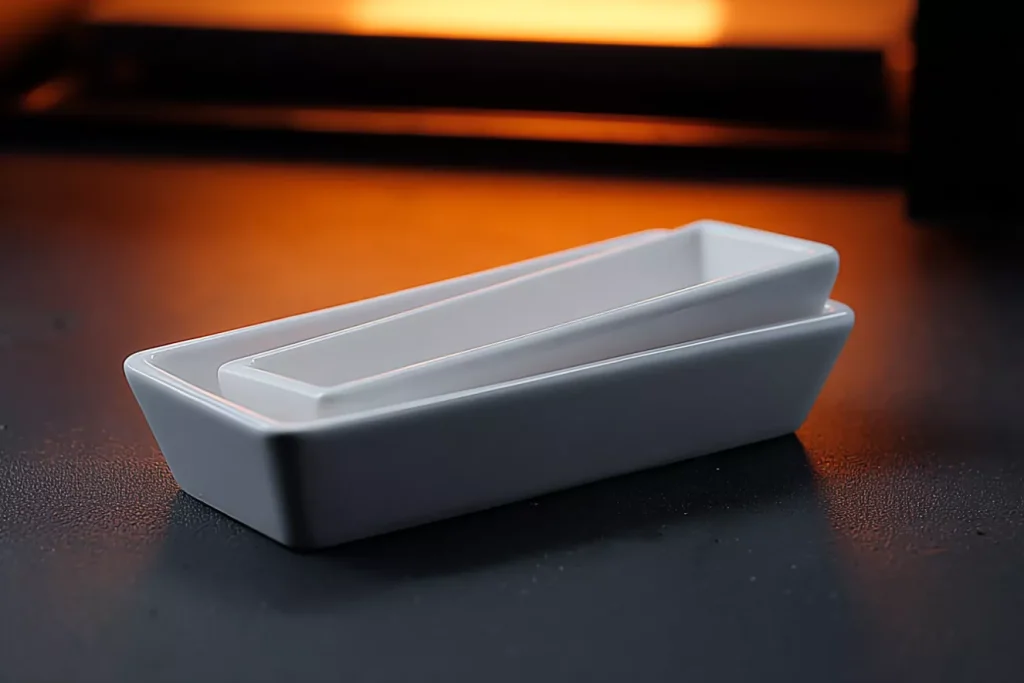
Alumina Ceramic Boat performance frequently becomes a silent variable in thermal material research, especially when unexpected phase deviations, incomplete reactions,
Alumina Plate mistakes can destabilize chemical and energy modules; consequently, sealing drift, corrosion carryover, and thermal misalignment appear long before
Alumina Plate failures can halt heating systems abruptly; consequently, OEM schedules and process qualification often collapse when plates warp, crack,
High-voltage vacuum systems frequently fail not because of circuit flaws, but because insulation structures degrade under coupled electrical, thermal, and
Alumina Plate linings often fail too early; consequently, abrasion, impact, and corrosion accelerate downtime, while maintenance teams struggle with recurring
Alumina Plate choices often look interchangeable; however, hidden material and geometry mismatches can escalate thermal stress, dielectric drift, and rework
Alumina substrate etching is a surface-engineering step used when metallization adhesion, bonding anchorage, microstructuring, or rework cleanup needs a controlled
In advanced thin-film manufacturing, the alumina substrate serves as the foundational platform upon which electrical, thermal, and mechanical behaviors are
Alumina Substrate decisions often begin under uncertainty, where material failure risks, thermal limits, and long-term stability remain unclear during early
As communication systems push toward higher frequencies, tighter integration, and longer duty cycles, material-induced instability increasingly undermines signal reliability and
Alumina Ceramic has become inseparable from modern lithium battery manufacturing, where microscopic contamination, process drift, and equipment instability can directly
Alumina Ceramic is frequently selected when photovoltaic production faces instability caused by thermal distortion, mechanical fatigue, or inconsistent component lifetimes
Alumina Ceramic is frequently selected to stabilize semiconductor processes where microscopic deviations translate directly into yield loss and tool instability.
Need help selecting the right ceramic for your application?
Send your drawing, material requirement, dimensions, quantity, and working conditions — our engineering team reviews manufacturability before quotation.