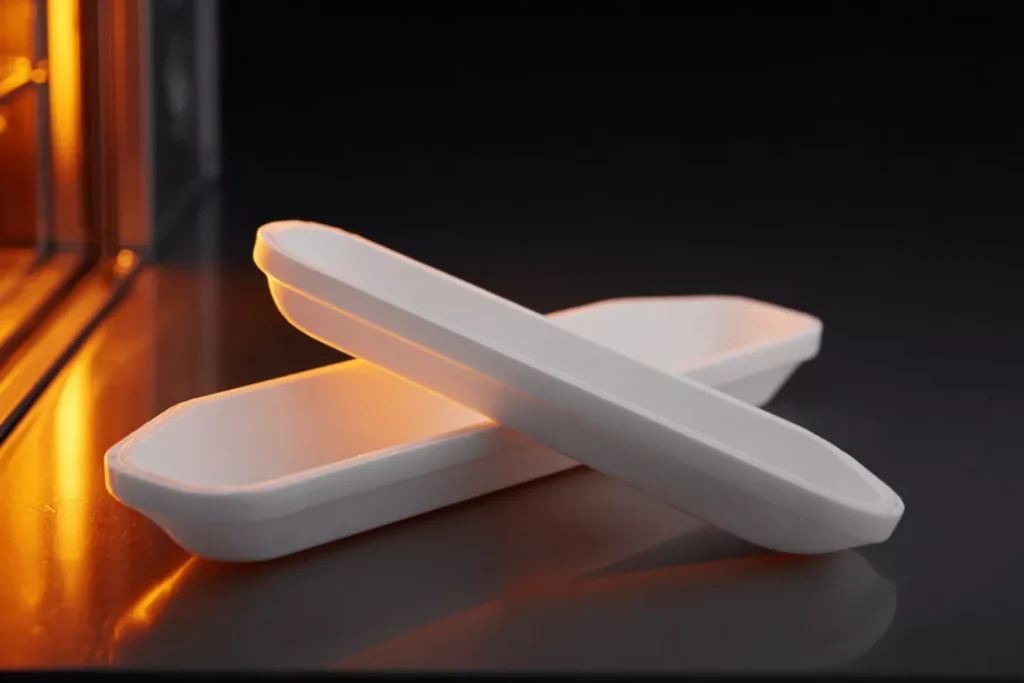
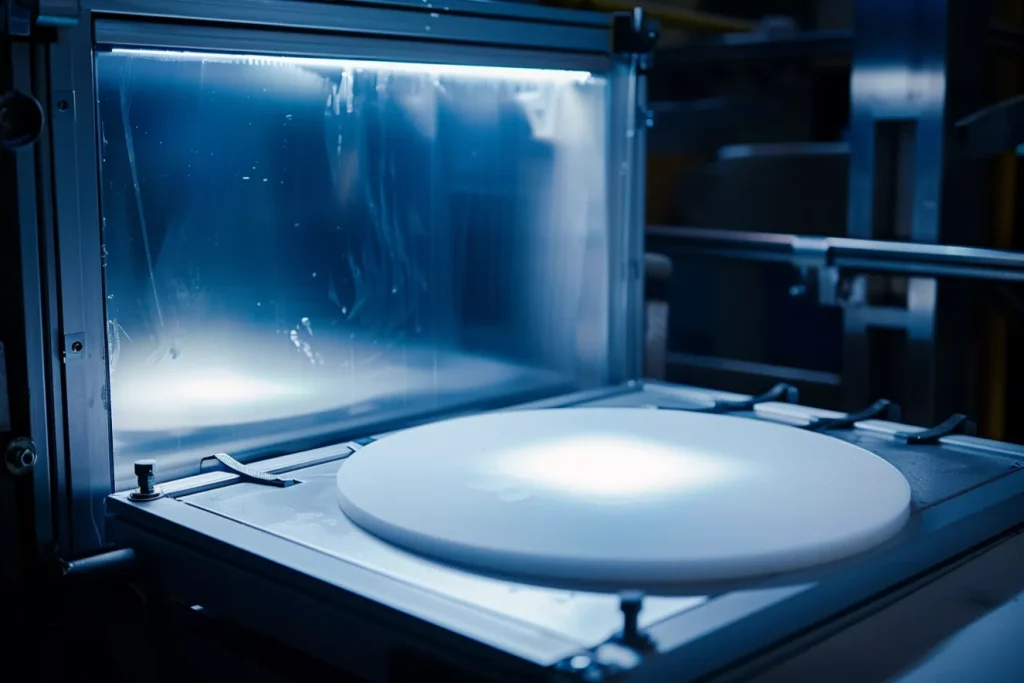
Alumina Plate mistakes can destabilize chemical and energy modules; consequently, sealing drift, corrosion carryover, and thermal misalignment appear long before
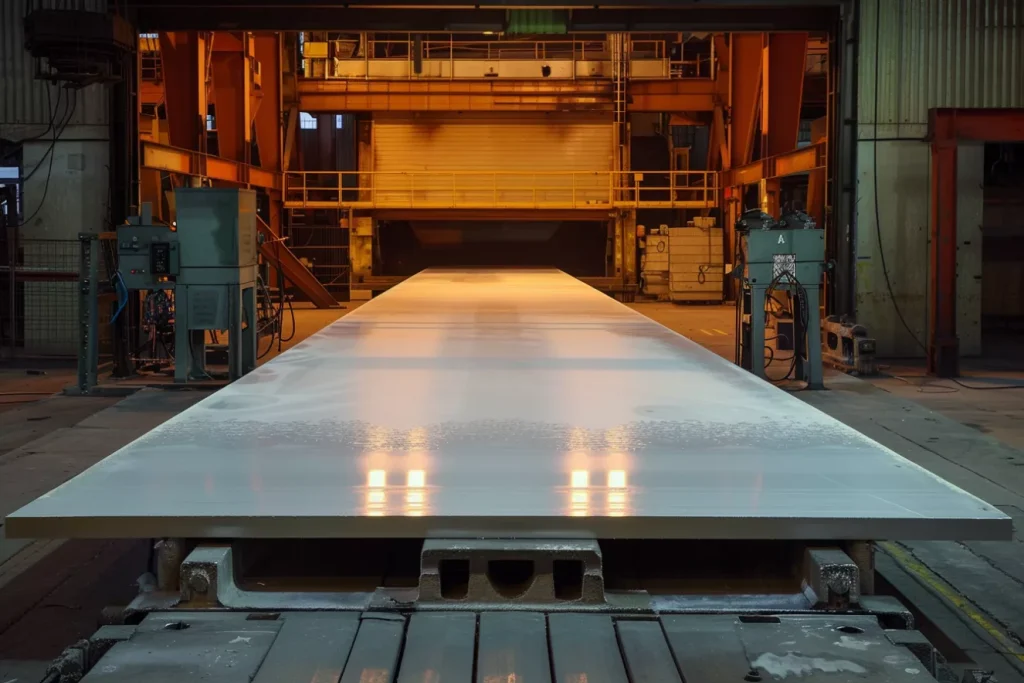
Alumina Plate failures can halt heating systems abruptly; consequently, OEM schedules and process qualification often collapse when plates warp, crack,
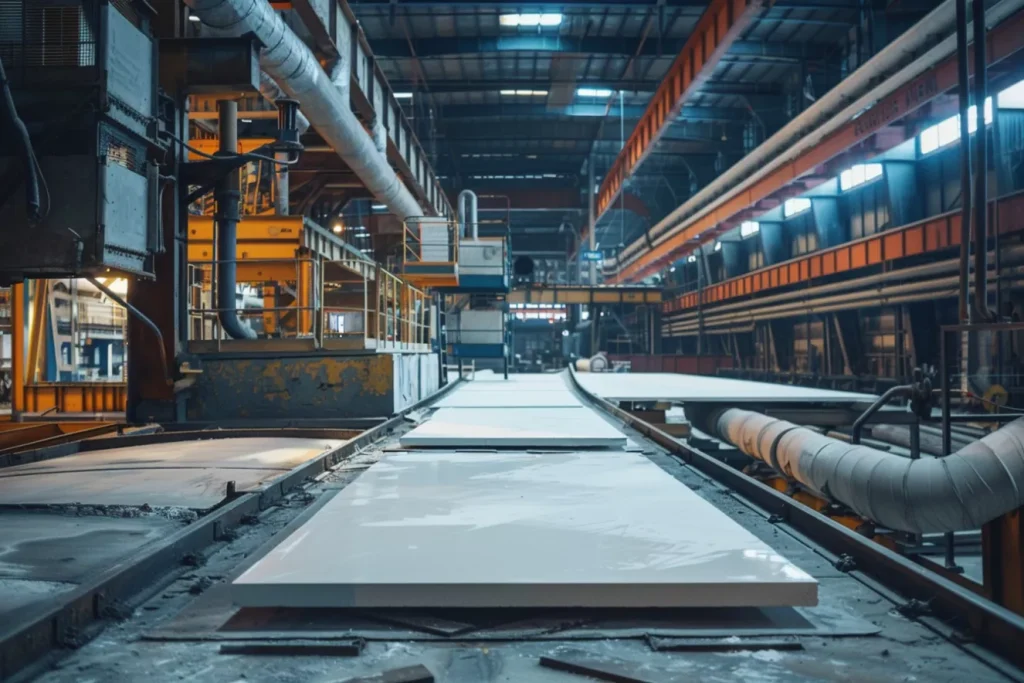
Alumina Plate linings often fail too early; consequently, abrasion, impact, and corrosion accelerate downtime, while maintenance teams struggle with recurring
Alumina Plate choices often look interchangeable; however, hidden material and geometry mismatches can escalate thermal stress, dielectric drift, and rework
Alumina Substrate choices often surface when FR4 begins to saturate thermal headroom, insulation margins, or lifetime targets. Consequently, this comparison
In advanced thin-film manufacturing, the alumina substrate serves as the foundational platform upon which electrical, thermal, and mechanical behaviors are
Alumina Substrate decisions often begin under uncertainty, where material failure risks, thermal limits, and long-term stability remain unclear during early
Alumina Substrate Properties define whether electronic systems endure thermal stress or fail prematurely. Consequently, overlooking material behavior often results in
Alumina Ceramic components are often selected to solve heat, wear, or insulation problems; however, misinterpreted properties repeatedly cause premature failure,
As communication systems push toward higher frequencies, tighter integration, and longer duty cycles, material-induced instability increasingly undermines signal reliability and
Alumina Ceramic has become inseparable from modern lithium battery manufacturing, where microscopic contamination, process drift, and equipment instability can directly
Alumina Ceramic is frequently selected when photovoltaic production faces instability caused by thermal distortion, mechanical fatigue, or inconsistent component lifetimes
Alumina Ceramic is frequently selected to stabilize semiconductor processes where microscopic deviations translate directly into yield loss and tool instability.
Alumina Ceramic is increasingly selected when electronic systems demand long-term stability rather than short-term performance. However, insulation failure heat accumulation
Alumina Ceramic is often selected when metallurgical processes face instability, deformation, or contamination. However, extreme heat and reactive slag frequently
Alumina Ceramic is frequently selected when experimental accuracy is at risk. However, laboratory users often face inconsistent results. Therefore, material
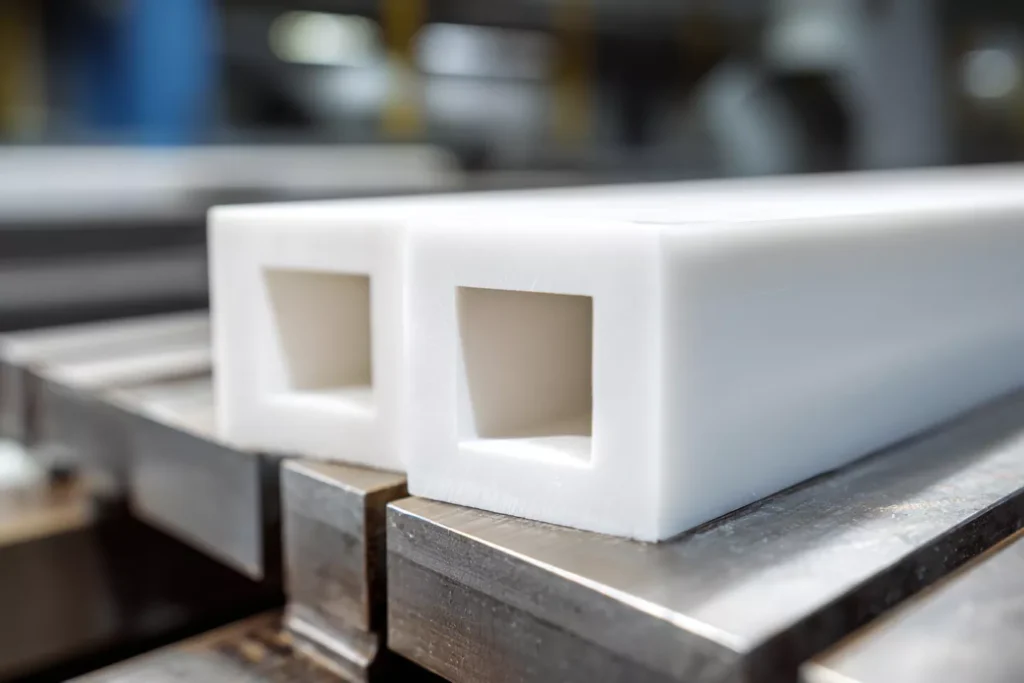
Corundum square tubes are square or rectangular alumina ceramic tubes used in industrial systems where electrical insulation, structural support, high-temperature
In pharmaceutical DSC analysis, abnormal peaks, drifting baselines, or missing transitions often appear even when standard procedures are followed. Consequently,
Need help selecting the right ceramic for your application?
Send your drawing, material requirement, dimensions, quantity, and working conditions — our engineering team reviews manufacturability before quotation.