Home / Knowledge Base
TOPIC ARCHIVE
Evergreen ceramics knowledge base articles across alumina, zirconia, silicon carbide, and boron nitride: definitions, material basics, properties, and manufacturing concepts. A reference layer for engineers building understanding before product selection.
Materials, product forms, and capabilities in one PDF.
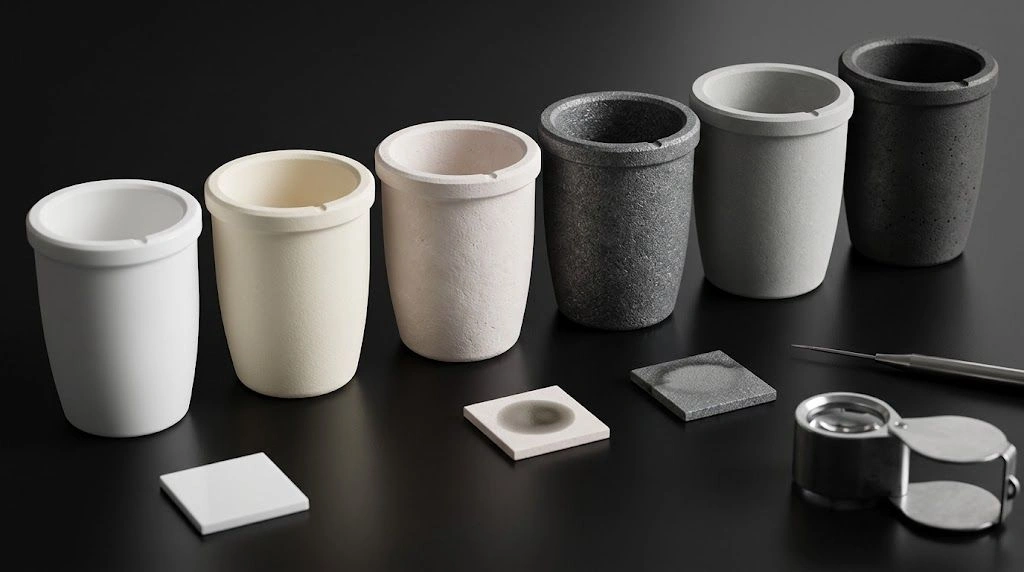
BN crucibles can support silicon ingot growth only when purity, melt interaction, temperature window, and crucible geometry are matched to
Alumina tube helium leak testing should be specified by test method, not by the phrase "helium leak tested" alone. ISO
Hexagonal boron nitride is a layered ceramic made of hexagonal sheets of boron and nitrogen atoms. That structure gives h-BN
High-temperature systems frequently fail when heat transfer assumptions deviate from real material behavior, particularly once ceramics are expected to perform
High-performance systems often fail prematurely when material chemistry is misjudged under aggressive media. Misalignment between environment and material stability remains
High-performance zirconia components often fail to meet expectations because density assumptions are oversimplified or incorrectly generalized across stabilized systems. Zirconia
Unexpected frictional behavior remains one of the most frequent causes of premature ceramic component failure, especially when zirconia parts are
High mechanical loads, brittle failure risks, and long-term reliability often limit material choices in demanding engineering systems. Consequently, zirconia ceramic
High-performance ceramics frequently fail when property assumptions oversimplify real conditions; consequently, zirconia ceramics demand a precise property-level understanding to avoid
Ceramic components can fail abruptly under heat and stress; consequently, zirconia demanded decades of scientific corrections before dependable service became
High-duty industrial systems frequently fail when conventional materials reach mechanical, thermal, or chemical limits. Consequently, zirconia ceramic material emerges where
High-performance ceramics often appear complex and inaccessible; however, zirconia ceramic bridges natural mineral origins with engineered reliability. Consequently, understanding its
Alumina Substrate Etching often emerges when reliable surfaces suddenly fail to bond, pattern, or endure service stresses, thereby disrupting downstream
Al2O3 Substrate Cleaning often begins only after process failures appear; however, delayed intervention typically magnifies adhesion loss, electrical instability, and
Alumina Substrate Properties define whether electronic systems endure thermal stress or fail prematurely. Consequently, overlooking material behavior often results in
Alumina Substrate selection often determines whether a PCB can withstand heat, electrical stress, and long-term operation. However, many electronic failures
Alumina Ceramic components are often selected to solve heat, wear, or insulation problems; however, misinterpreted properties repeatedly cause premature failure,
TGA alumina crucibles can trap iron residues; consequently, TGA curves drift and repeatability degrades. Therefore, this guide delivers safe removal
tga alumina crucibles are critical consumables in thermogravimetric analysis, where microgram-level mass stability directly affects baseline accuracy, repeatability, and data
Figure 1: Adcerax engineers high-performance Zirconia solutions for extreme environments. Zirconia ceramic (ZrO₂) is widely regarded as one of the
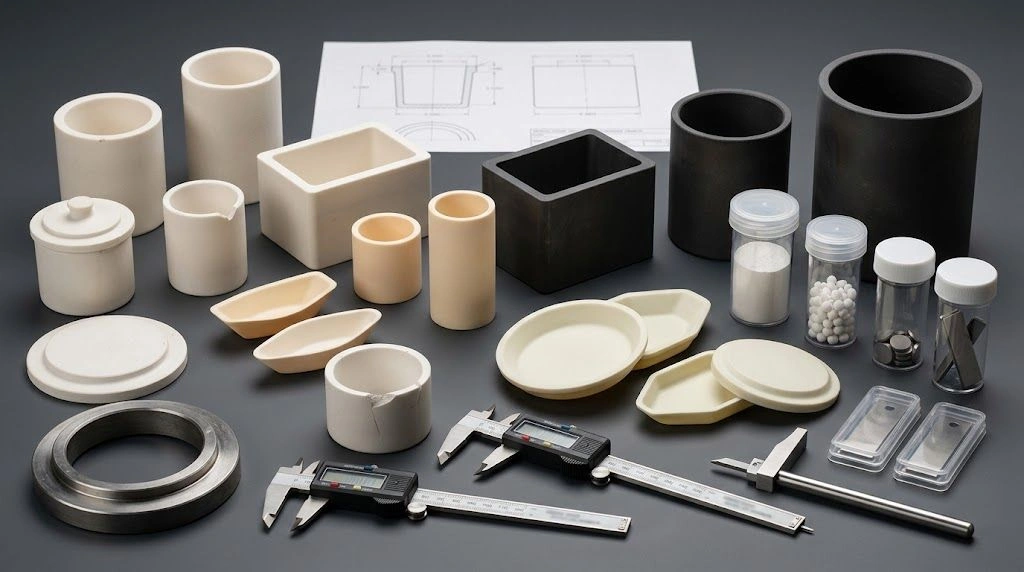
Alumina crucibles are essential tools in high-temperature laboratory and industrial environments. However, incorrect selection often results in sample loss, contamination,
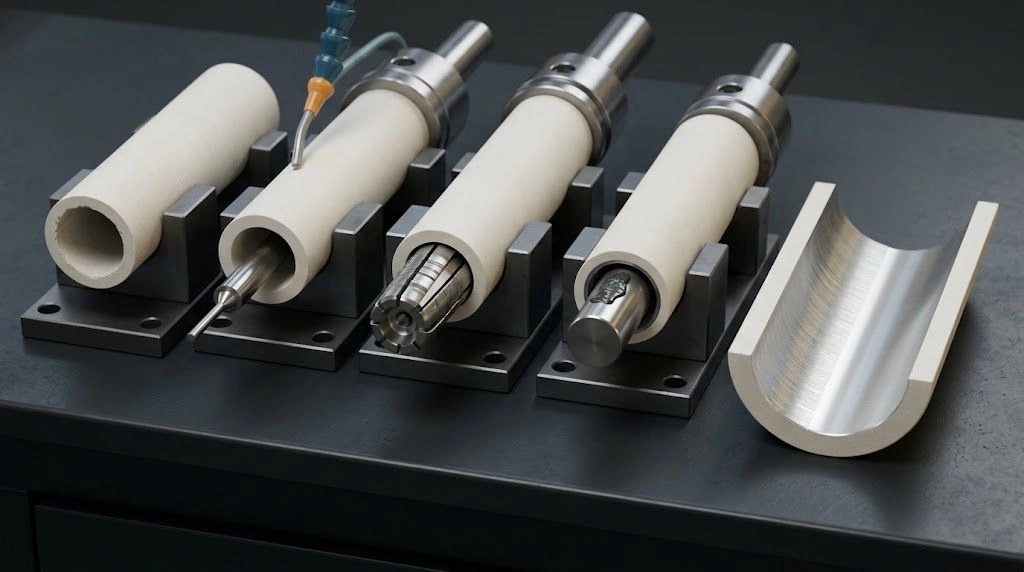
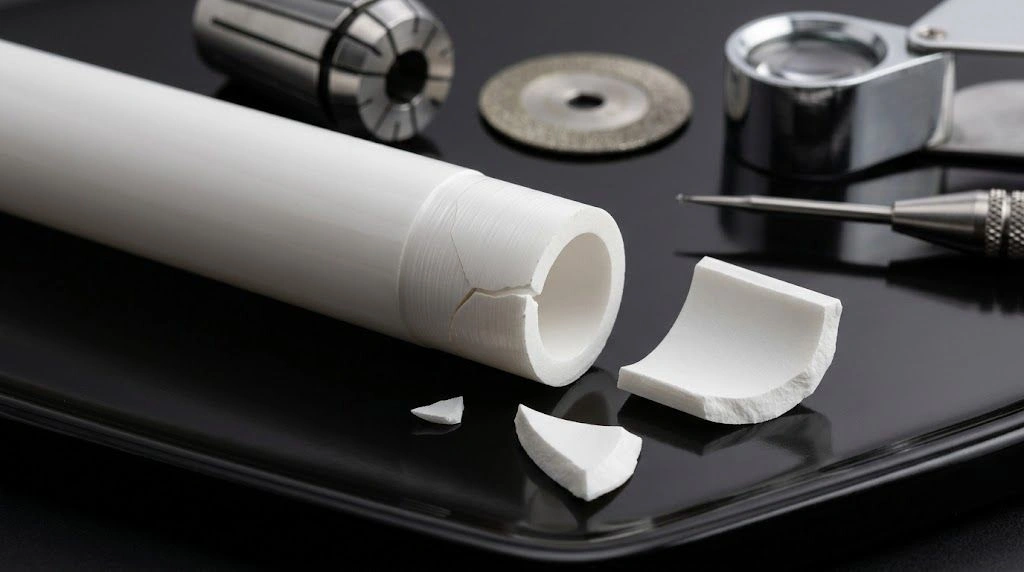
Cutting an alumina tube often leads to cracks, dimensional errors, or thermal shock when done without proper tooling and technique.
Alumina crucible performance becomes inconsistent when material preparation or forming steps lack precision, creating defects that compromise thermal reliability. This
Laboratory Alumina Crucible performance determines the reliability, purity, and repeatability of advanced laboratory workflows. This guide offers a detailed technical
Send your drawing, material requirement, dimensions, quantity, and working conditions — our engineering team reviews manufacturability before quotation.

WhatsApp us
The more details you provide, the faster we can quote.
*We respond within 24 hours. All inquiries are confidential.