Ceramic comparison guide articles: material vs material, grade vs grade, and geometry vs geometry. For engineers weighing alumina against SiC, BN against graphite, or substrate options against organic laminates before specifying.
ADCERAX Ceramics Catalog
Materials, product forms, and capabilities in one PDF.
Define the component by construction, pressure responsibility, operating exposure, and mounting before selecting a temperature-sensor protection route. A thermowell and
Separate leakage performance, breakdown characterization, and withstand acceptance when reviewing ceramic insulators and supplier test reports. Dielectric strength vs insulation
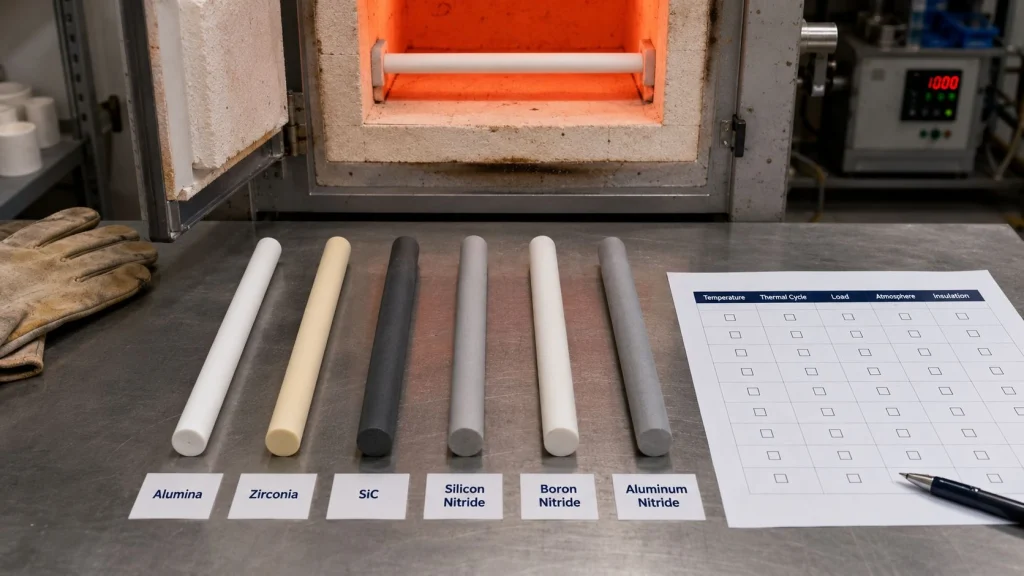
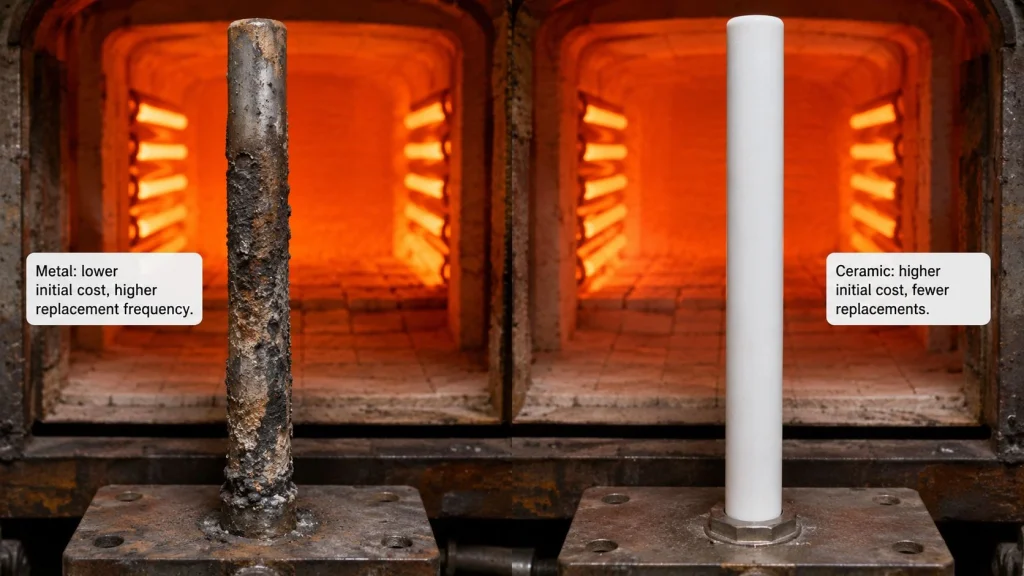
Select ceramic rod material for high-temperature service by matching the rod’s operating temperature, thermal cycling frequency, load type, atmosphere, electrical
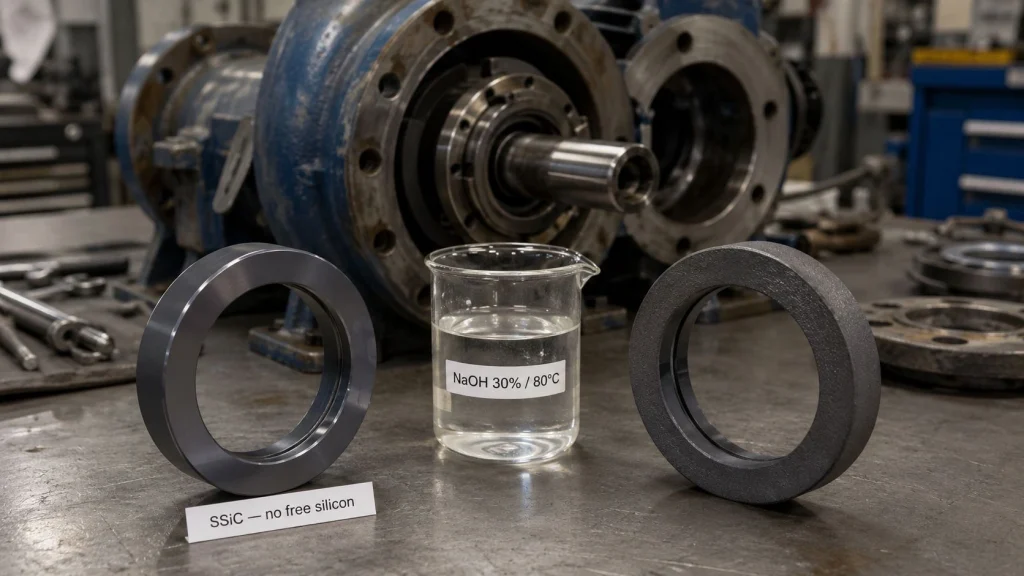
Choose SSiC when the application needs the highest SiC purity, dense microstructure, strong corrosion resistance, high-temperature stability, tight precision, or
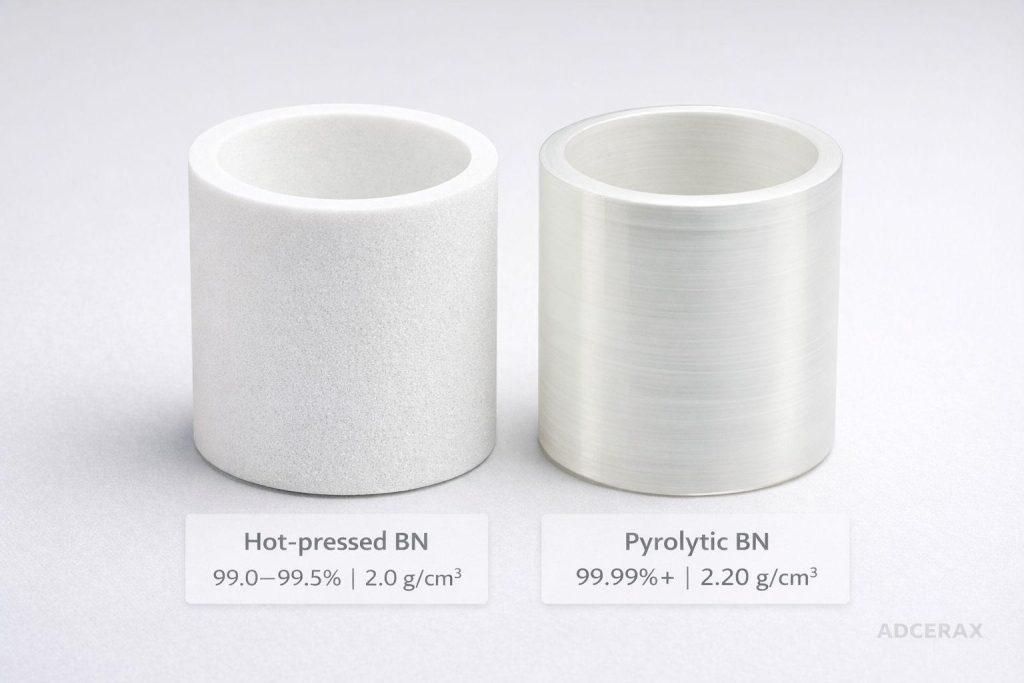
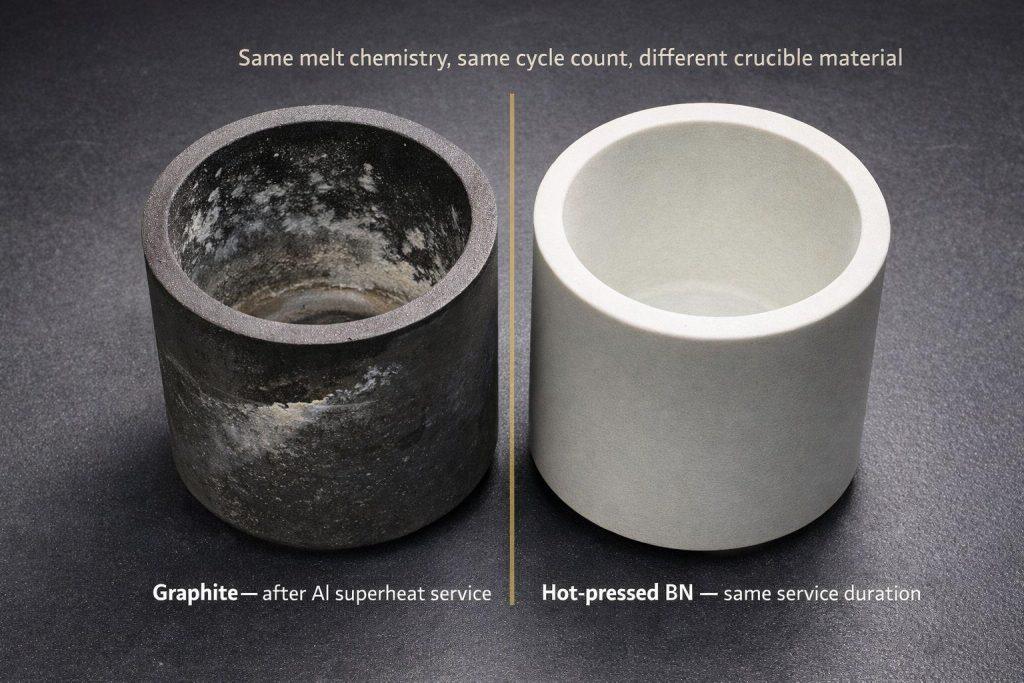
BN coatings on graphite outperform bare graphite when the application needs a non-wetting, chemically inert surface while keeping graphite’s machinability,
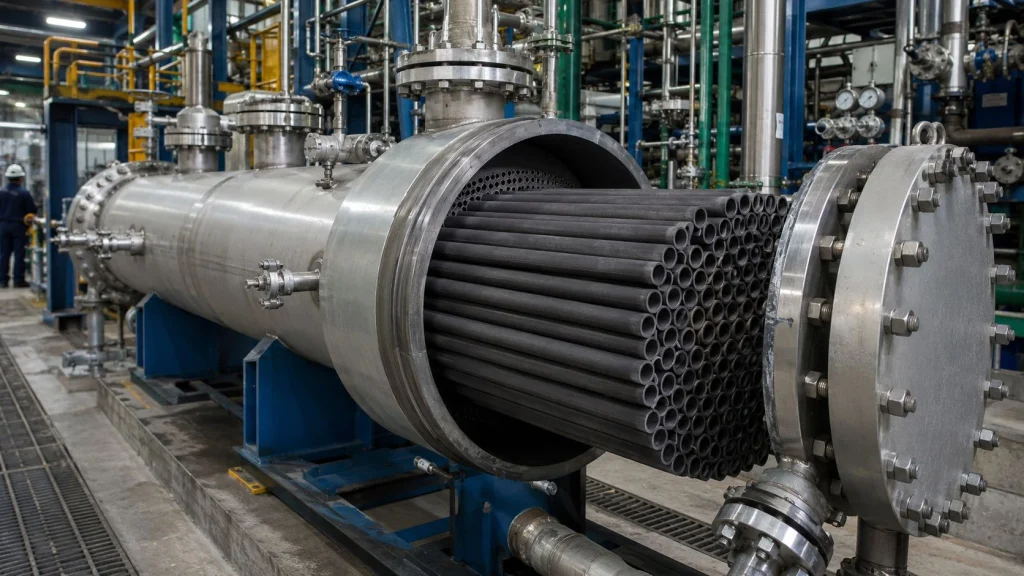
The grade decision for a silicon carbide tube — pressureless sintered (SSiC), reaction-bonded (RBSC, also written RBSiC/SiSiC), or nitride-bonded (NBSC,
Alumina Substrate choices often surface when FR4 begins to saturate thermal headroom, insulation margins, or lifetime targets. Consequently, this comparison
DSC alumina pans (lidded crucibles) are introduced only after aluminum pans begin to distort pharmaceutical DSC results. Consequently, unresolved variability,
Need help selecting the right ceramic for your application?
Send your drawing, material requirement, dimensions, quantity, and working conditions — our engineering team reviews manufacturability before quotation.