Engineering Guides for Advanced Ceramic Components
Practical articles on material selection, operating conditions, failure prevention, and RFQ preparation for alumina, zirconia, silicon carbide, and boron nitride ceramics — written for engineers and industrial buyers.
Content reviewed by the ADCERAX engineering team
Product catalog
Download the ADCERAX Ceramics Catalog
Materials, product forms, and manufacturing capabilities in one PDF — a quick reference for material selection and RFQ preparation.
Zirconia crucibles often fail not because of material limits, but because thermal and operational conditions exceed implicit assumptions. Consequently, failure
Alumina Ceramic Parts often fail quietly; meanwhile, thermal gradients, voltage stress, and corrosive vapors accumulate until downtime becomes unavoidable. Consequently,
Alumina Ceramic Parts often fail quietly before a machine alarms. Consequently, unchecked wear, contamination, and drift accumulate until throughput or
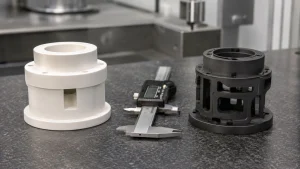
Alumina Ceramic Parts are frequently introduced into precision systems only after metals begin to compromise dimensional integrity, measurement repeatability, or
Black Alumina Ceramic is increasingly specified when chemical processing equipment faces thermal instability, corrosive attack, and electrical leakage, which collectively
Industrial optical assemblies often fail electrically before they fail mechanically. Consequently, Black Alumina Ceramic becomes a decisive insulating material when
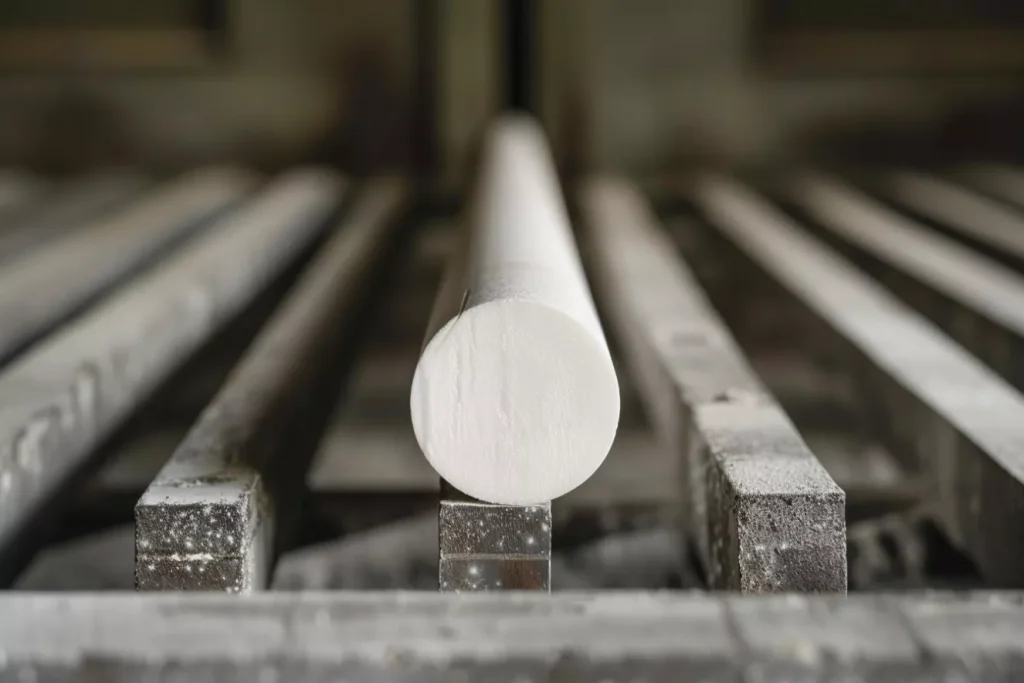
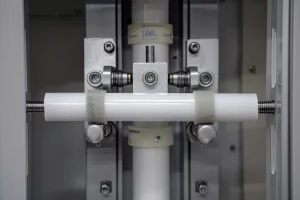
Alumina Rod failures in high-temperature equipment rarely occur suddenly; instead, they accumulate silently until thermal stability, insulation integrity, or structural
Alumina Trays are frequently introduced into thermal processes only after instability emerges. However, delayed material and geometry decisions often amplify
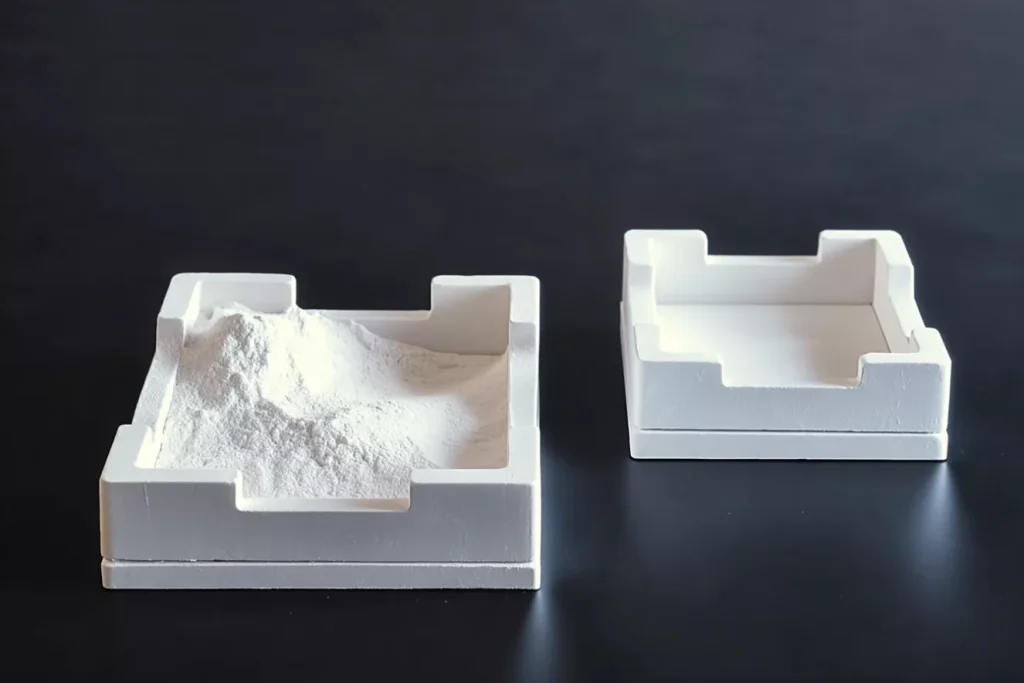
Alumina Trays fail quietly until warpage, contamination, or cracking disrupts runs. Consequently, engineers need Rectangular Alumina Trays that keep geometry
Alumina Ceramic Boat performance frequently becomes a silent variable in thermal material research, especially when unexpected phase deviations, incomplete reactions,
Alumina Plate mistakes can destabilize chemical and energy modules; consequently, sealing drift, corrosion carryover, and thermal misalignment appear long before
Alumina Plate failures can halt heating systems abruptly; consequently, OEM schedules and process qualification often collapse when plates warp, crack,
High-voltage vacuum systems frequently fail not because of circuit flaws, but because insulation structures degrade under coupled electrical, thermal, and
Alumina Plate linings often fail too early; consequently, abrasion, impact, and corrosion accelerate downtime, while maintenance teams struggle with recurring
Alumina Plate choices often look interchangeable; however, hidden material and geometry mismatches can escalate thermal stress, dielectric drift, and rework
Alumina substrate etching is a surface-engineering step used when metallization adhesion, bonding anchorage, microstructuring, or rework cleanup needs a controlled
Alumina Substrate choices often surface when FR4 begins to saturate thermal headroom, insulation margins, or lifetime targets. Consequently, this comparison
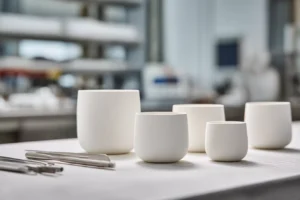
Alumina crucibles are essential tools in high-temperature laboratory and industrial environments. However, incorrect selection often results in sample loss, contamination,...
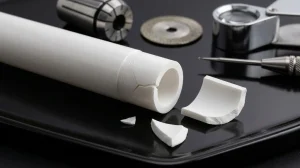
A precision length alumina tube is a core component in high-temperature assemblies requiring dimensional accuracy, controlled flatness, and minimal warpage....
Send your drawing, material requirement, dimensions, tolerance, and working conditions. Our engineering team reviews manufacturability before quotation.