Engineering Guides for Advanced Ceramic Components
Practical articles on material selection, operating conditions, failure prevention, and RFQ preparation for alumina, zirconia, silicon carbide, and boron nitride ceramics — written for engineers and industrial buyers.
Content reviewed by the ADCERAX engineering team
Product catalog
Download the ADCERAX Ceramics Catalog
Materials, product forms, and manufacturing capabilities in one PDF — a quick reference for material selection and RFQ preparation.
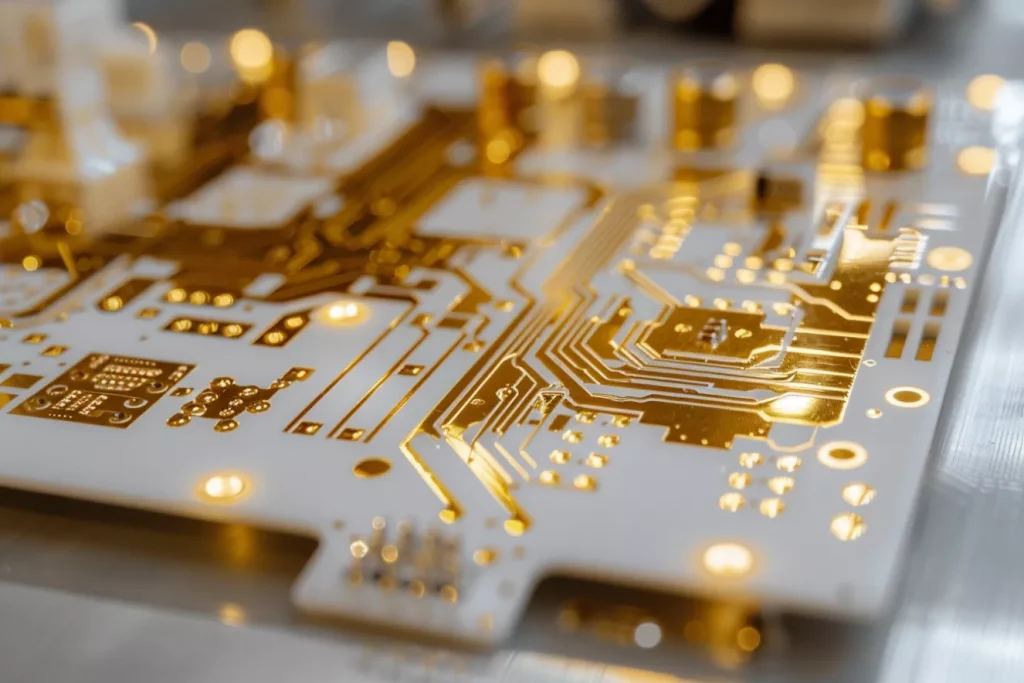
In advanced thin-film manufacturing, the alumina substrate serves as the foundational platform upon which electrical, thermal, and mechanical behaviors are
Alumina Substrate decisions often begin under uncertainty, where material failure risks, thermal limits, and long-term stability remain unclear during early
Alumina Substrate Properties define whether electronic systems endure thermal stress or fail prematurely. Consequently, overlooking material behavior often results in
Alumina Ceramic components are often selected to solve heat, wear, or insulation problems; however, misinterpreted properties repeatedly cause premature failure,
As communication systems push toward higher frequencies, tighter integration, and longer duty cycles, material-induced instability increasingly undermines signal reliability and
Alumina Ceramic has become inseparable from modern lithium battery manufacturing, where microscopic contamination, process drift, and equipment instability can directly
Alumina Ceramic is frequently selected when photovoltaic production faces instability caused by thermal distortion, mechanical fatigue, or inconsistent component lifetimes
Alumina Ceramic is frequently selected to stabilize semiconductor processes where microscopic deviations translate directly into yield loss and tool instability.
Alumina Ceramic is increasingly selected when electronic systems demand long-term stability rather than short-term performance. However, insulation failure heat accumulation
Alumina Ceramic is often selected when metallurgical processes face instability, deformation, or contamination. However, extreme heat and reactive slag frequently
Alumina Ceramic is frequently selected when experimental accuracy is at risk. However, laboratory users often face inconsistent results. Therefore, material
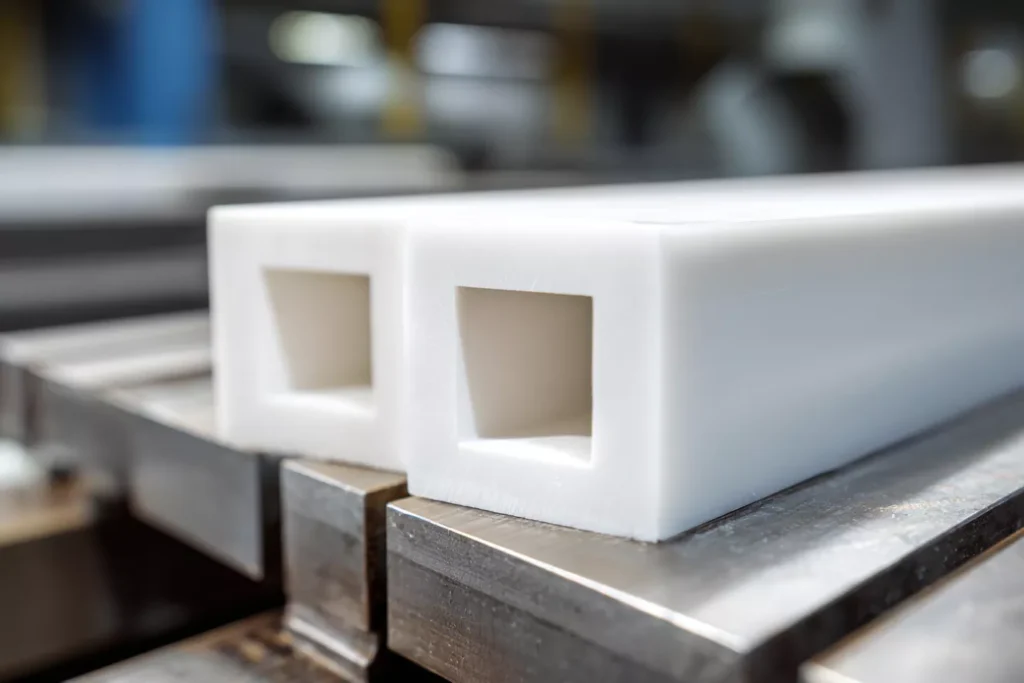
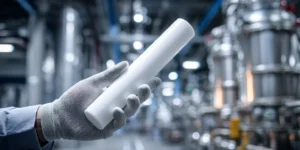
Corundum square tubes are square or rectangular alumina ceramic tubes used in industrial systems where electrical insulation, structural support, high-temperature
In pharmaceutical DSC analysis, abnormal peaks, drifting baselines, or missing transitions often appear even when standard procedures are followed. Consequently,
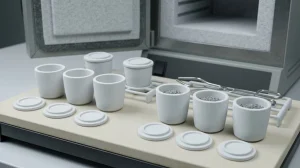
DSC alumina pans (lidded crucibles) are introduced only after aluminum pans begin to distort pharmaceutical DSC results. Consequently, unresolved variability,
DSC alumina crucibles operate at μW-level sensitivity; therefore, even minor material variability can distort weak thermal signals. However, conventional crucibles
DSC alumina crucibles are often treated as neutral consumables in laboratory workflows; however, small and overlooked differences can silently compromise
High strength alumina tube defines the performance foundation for modern industrial machinery operating under high thermal, mechanical, and vibrational stress....
Technical ceramics (also called advanced / engineering ceramics) are high-purity, engineered ceramic materials—oxides such as alumina and zirconia, non-oxides such...
Alumina tubes for chemical reactors provide unmatched performance in highly corrosive environments where metals fail within months. These advanced ceramic...
Send your drawing, material requirement, dimensions, tolerance, and working conditions. Our engineering team reviews manufacturability before quotation.