Cross-material knowledge base articles on advanced ceramics: material families, key differences from traditional ceramics, and industrial application overviews. A starting point before choosing alumina, zirconia, silicon carbide, or boron nitride.
ADCERAX Ceramics Catalog
Materials, product forms, and capabilities in one PDF.
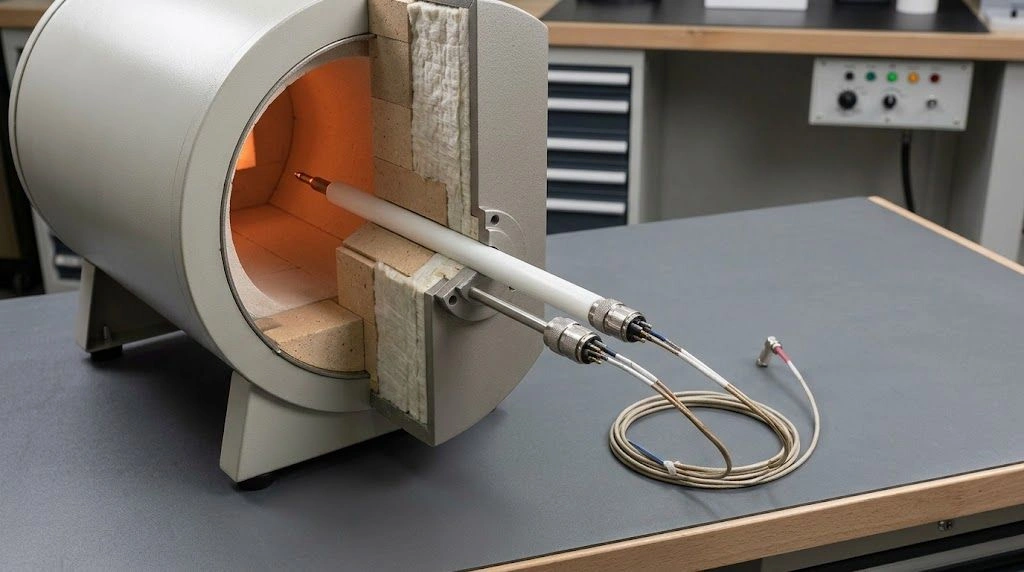
Thermocouple shunting is an electrical measurement error caused by unintended conductive paths through insulation. At high temperature, insulation resistivity can
Define the component by construction, pressure responsibility, operating exposure, and mounting before selecting a temperature-sensor protection route. A thermowell and
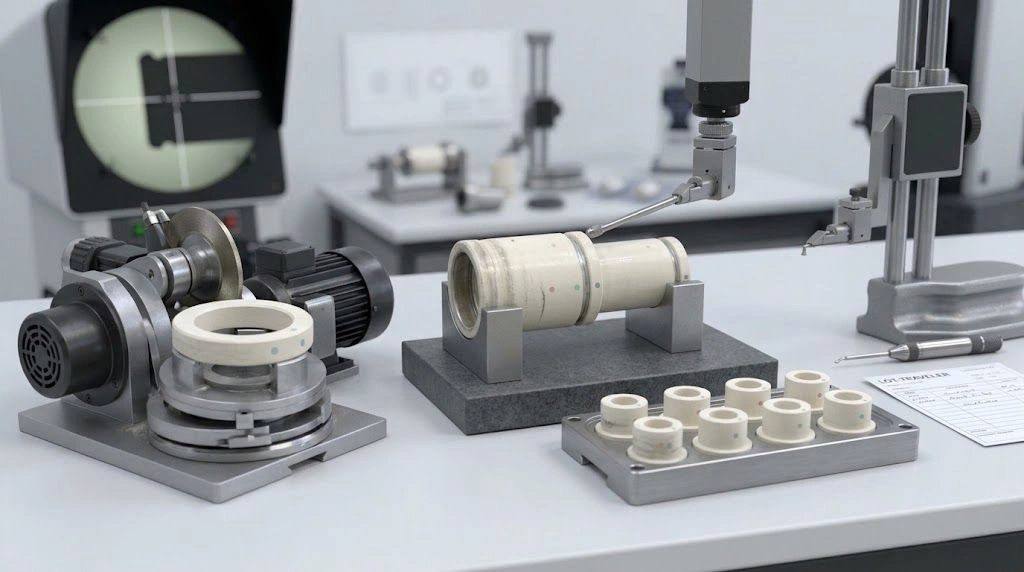
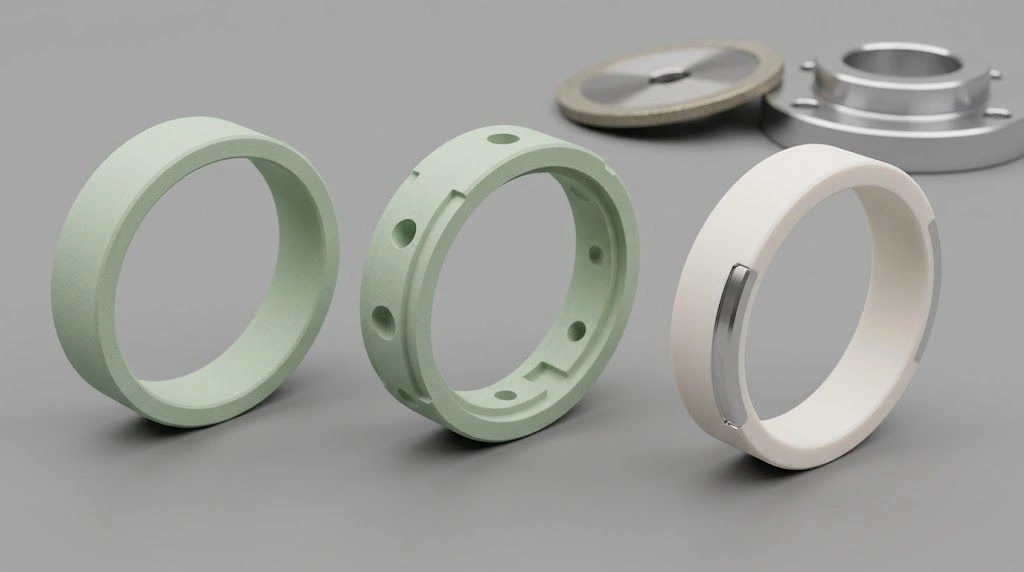
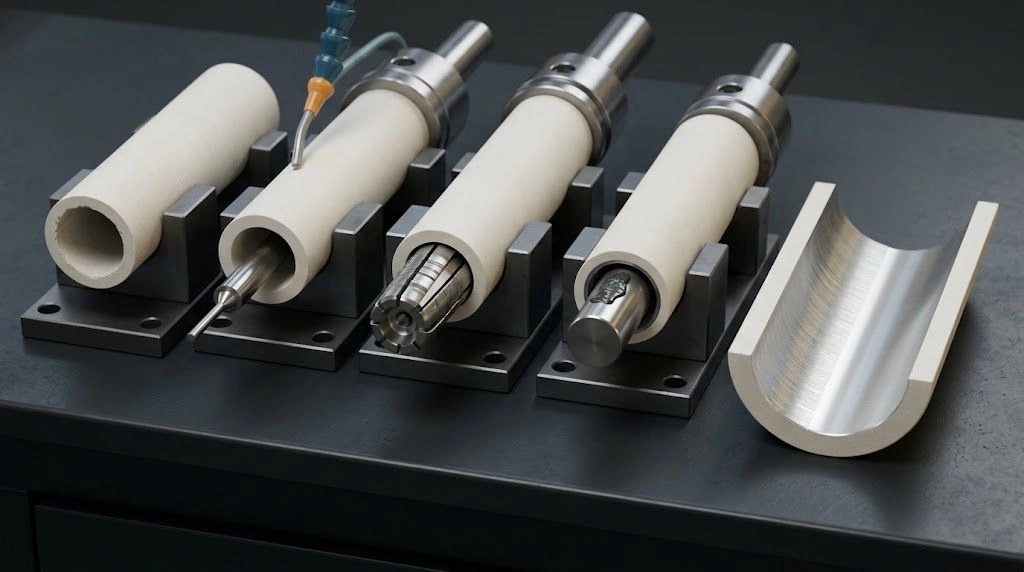
Separate material behavior, manufacturing stage, and feature acceptance before choosing a ceramic machining route. Why some ceramics are machinable depends
Separate leakage performance, breakdown characterization, and withstand acceptance when reviewing ceramic insulators and supplier test reports. Dielectric strength vs insulation
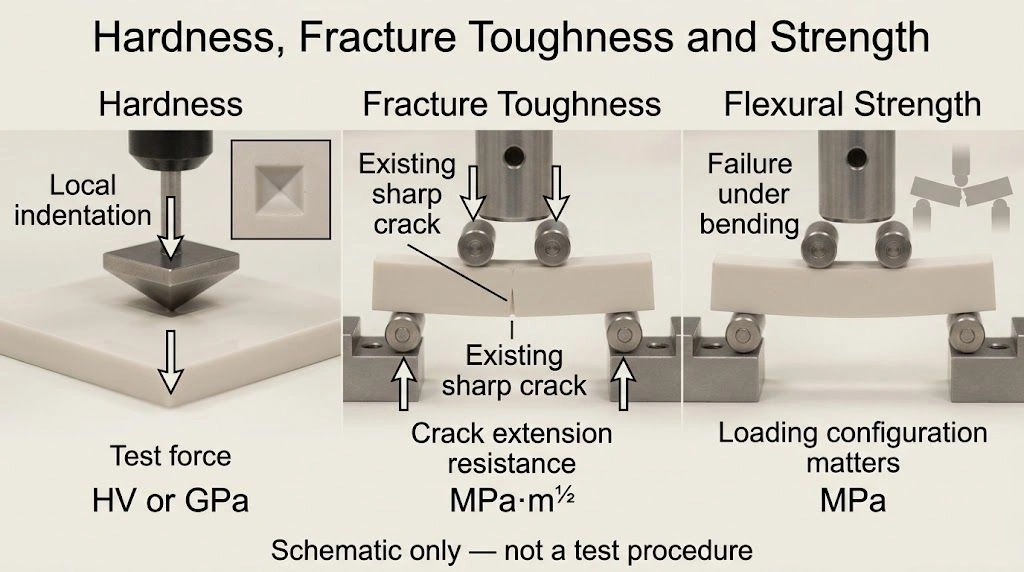
Match mechanical-property evidence to surface damage, crack growth, and component loading before changing ceramic grades. Hardness vs toughness vs strength
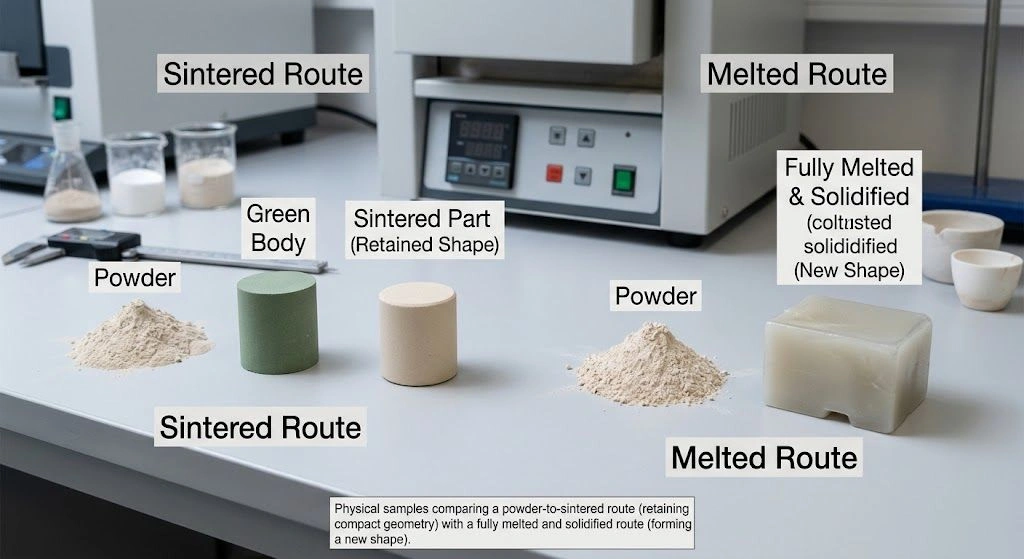
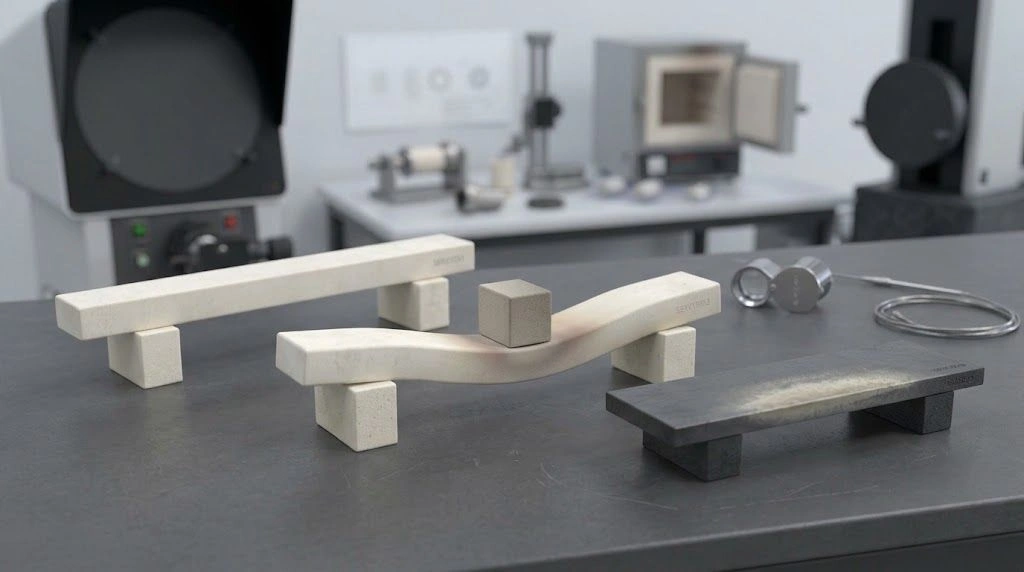
A ceramic’s melting point is not its maximum service temperature. Melting—or decomposition, dissociation, sublimation, or softening for some ceramics—is a
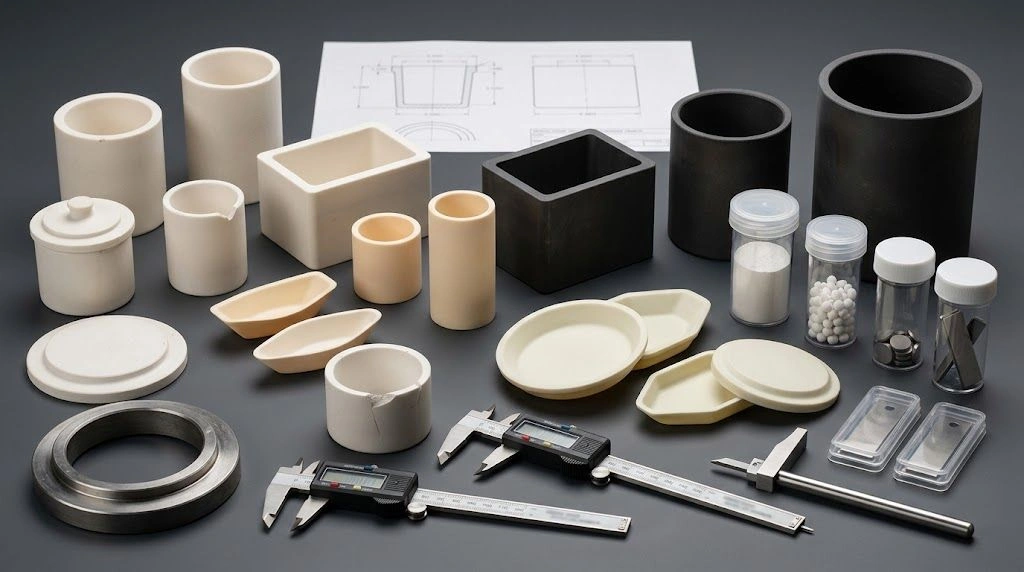
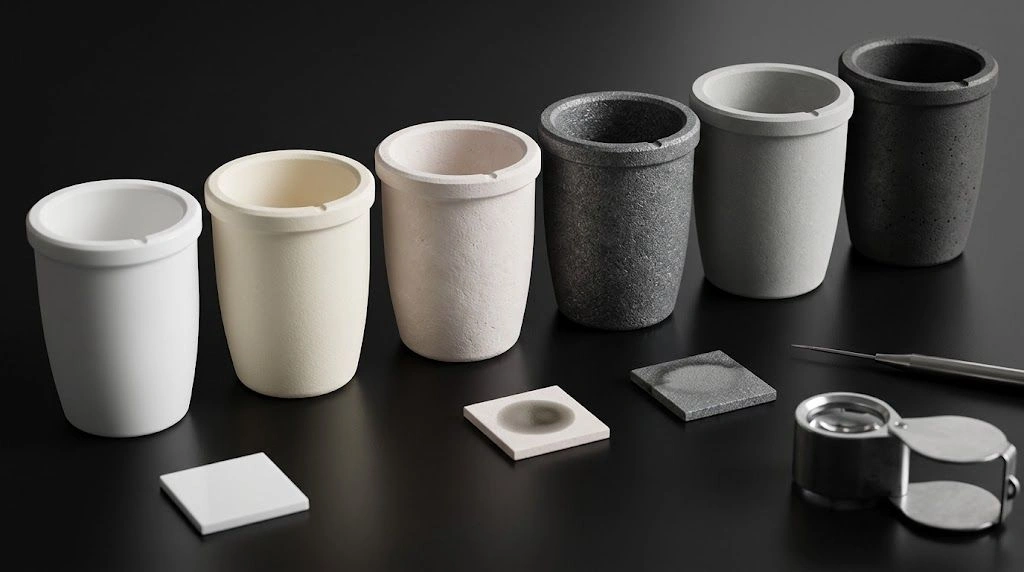
For an initial custom-crucible quote, provide the application, contained material, normal and peak temperatures, furnace atmosphere, preferred material or required
Choose alumina for a wear sleeve when abrasion resistance, dimensional stability, temperature capability, and cost control dominate—and the assembly avoids
Need help selecting the right ceramic for your application?
Send your drawing, material requirement, dimensions, quantity, and working conditions — our engineering team reviews manufacturability before quotation.