Material Reliability Across Food Processing
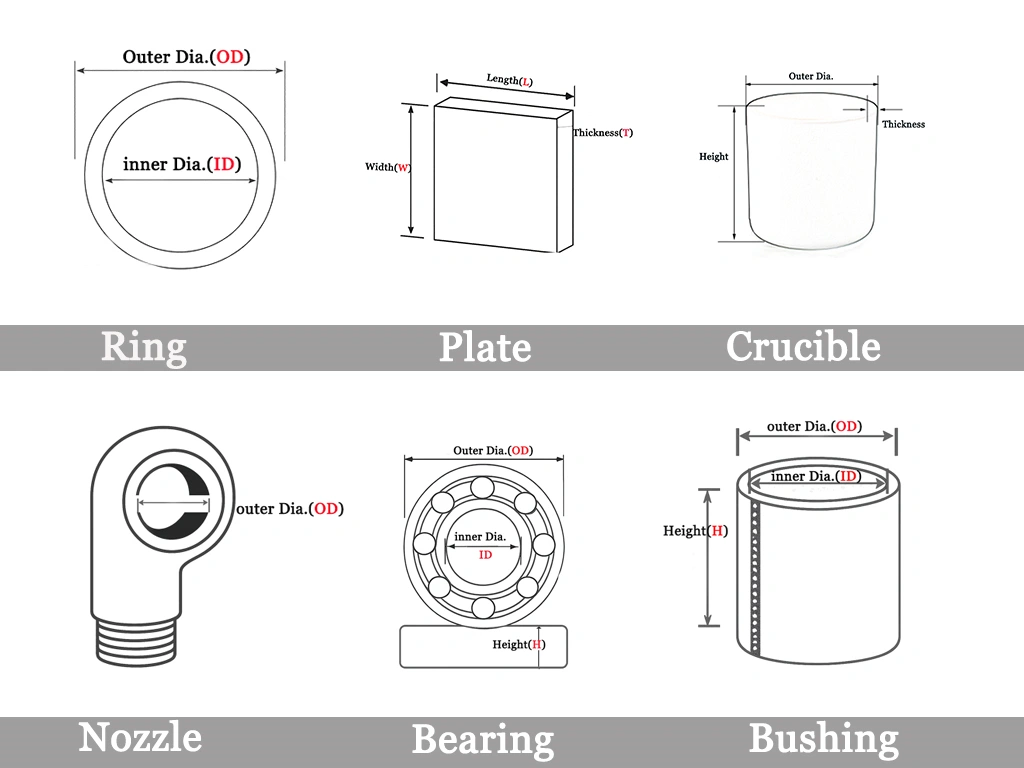
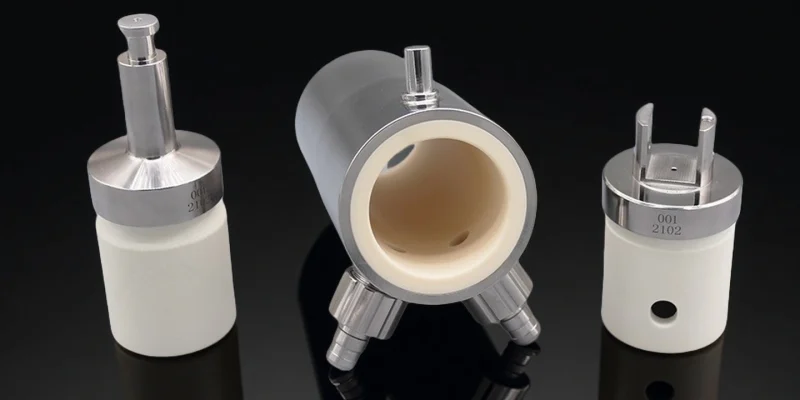
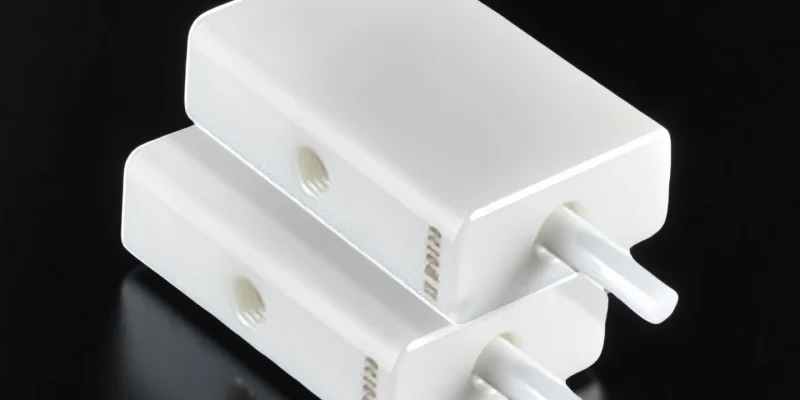
Engineering ceramic parts for food, dairy, beverage, plant-protein, brewing, condiment, filling and cutting equipment: ceramic membrane elements and modules, hygienic pump and valve components (valve cores and sleeves, plungers, pump cylinders), zirconia cutting blades, and wear-resistant liners, nozzles and seals. Material routes across alumina, zirconia, silicon carbide, silicon nitride and ZTA – matched to your equipment, process and drawing at RFQ.
- Parts, not full systems: we supply engineering ceramic components for your food-processing equipment – we do not deliver complete membrane skids, complete filling lines or complete cutting machines.
- Four component families: ceramic membranes; hygienic pump and valve components (valve cores and sleeves, plungers, pump cylinders); zirconia cutting blades; and hygienic wear liners, nozzles and seals.
- Made to your drawing: material route (Al2O3 / ZrO2 / SiC / Si3N4 / ZTA), geometry, tolerances, surface finish, CIP/SIP duty and food-contact documentation are confirmed by engineering review at RFQ.
Physicochemical Performance of ADCERAX Food-Grade Ceramics
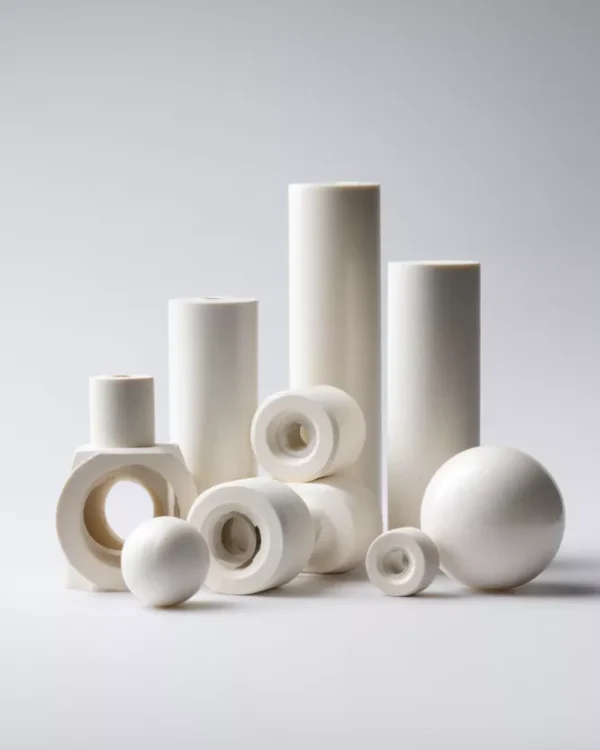
Material selection in Food Processing Engineering Ceramics is guided by measurable thermal, electrical, chemical, and mechanical limits that directly affect hygiene, reliability, and service life in food operations.
Thermal Properties
| Material | Maximum Continuous Service Temperature | Thermal Conductivity | Coefficient of Thermal Expansion | Test Conditions |
|---|---|---|---|---|
| Alumina (Al₂O₃ ≥99%) | 1,600 °C | 25–30 W/m·K | 7.5–8.5 × 10⁻⁶ /K | Air atmosphere, steady state |
| Zirconia (Y-TZP) | 1,000 °C | 2.0–2.5 W/m·K | 10–11 × 10⁻⁶ /K | Air atmosphere, steady state |
| Silicon Carbide (SiC) | 1,650 °C | 150-190 W/m·K | 4.0–4.5 × 10⁻⁶ /K | Air atmosphere, steady state |
Electrical Properties
| Material | Volume Resistivity | Dielectric Strength | Relative Permittivity | Test Conditions |
|---|---|---|---|---|
| Alumina (Al₂O₃ ≥99%) | ≥10¹⁴ Ω·cm | 12–15 kV/mm | 9.5–10 | 25 °C, dry |
| Zirconia (Y-TZP) | ≥10¹² Ω·cm | 8–10 kV/mm | 25–30 | 25 °C, dry |
| Silicon Carbide (SiC) | 10³–10⁵ Ω·cm | 2–3 kV/mm | 9–10 | 25 °C, dry |
Chemical Stability
| Material | pH Resistance Range | Acid Resistance | Alkali Resistance | Test Conditions |
|---|---|---|---|---|
| Alumina (Al₂O₃ ≥99%) | pH 1–13 | Stable in HNO₃, H₂SO₄ | Stable up to NaOH 10% | 80 °C immersion |
| Zirconia (Y-TZP) | pH 1–14 | Stable in most organic acids | Stable up to NaOH 10% | 80 °C immersion |
| Silicon Carbide (SiC) | pH 0–14 | Stable in strong acids | Stable in strong alkalis | 90 °C immersion |
Mechanical Properties
| Material | Flexural Strength | Compressive Strength | Hardness | Test Conditions |
|---|---|---|---|---|
| Alumina (Al₂O₃ ≥99%) | 300–400 MPa | ≥2,000 MPa | 15–17 GPa | 3-point bending, RT |
| Zirconia (Y-TZP) | 900–1,200 MPa | ≥2,500 MPa | 12–13 GPa | 3-point bending, RT |
| Silicon Carbide (SiC) | 350–450 MPa | ≥3,000 MPa | 22–25 GPa | 3-point bending, RT |
ADCERAX Food Processing Engineering Ceramics Applications
Food processing operations rely on Food Processing Engineering Ceramics where hygiene, durability, and process stability must be maintained across continuous production cycles and repeated cleaning regimes.
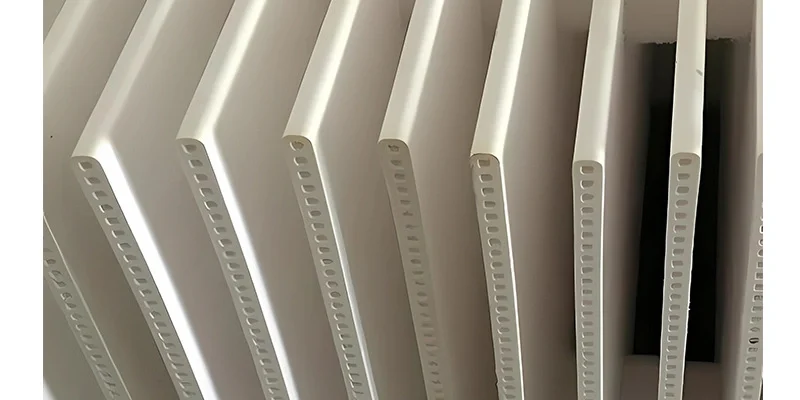
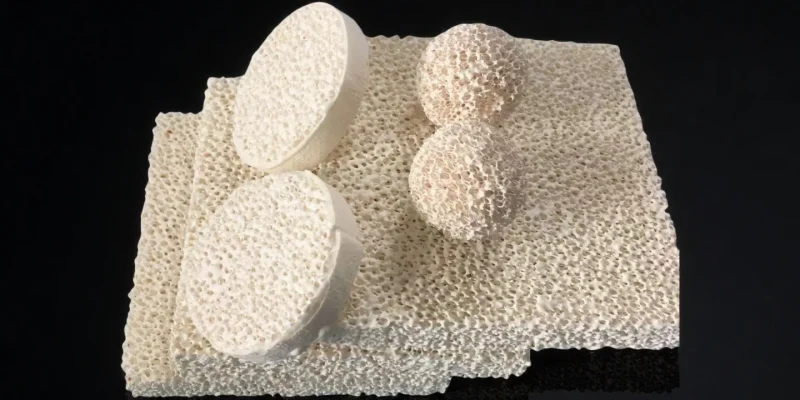
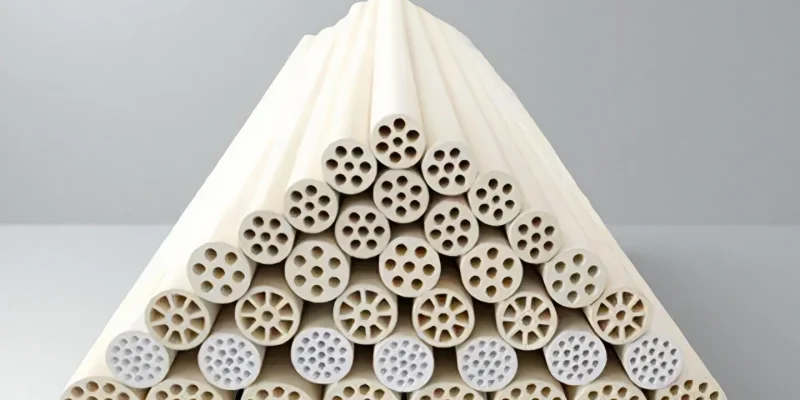
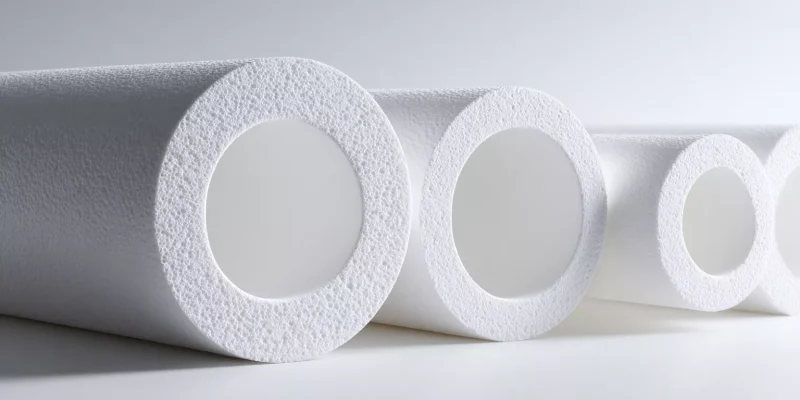
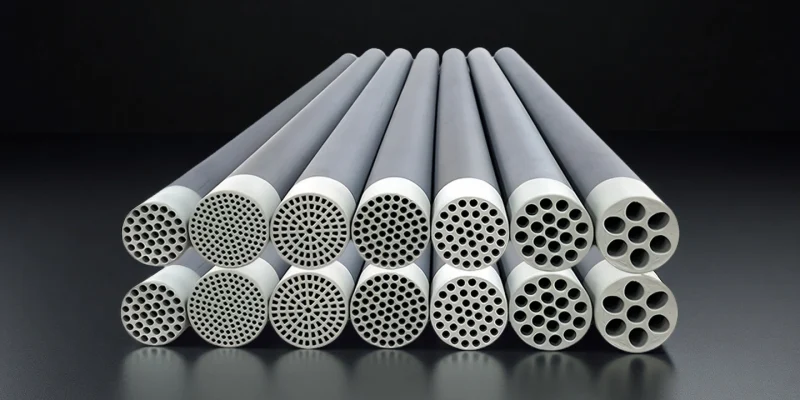
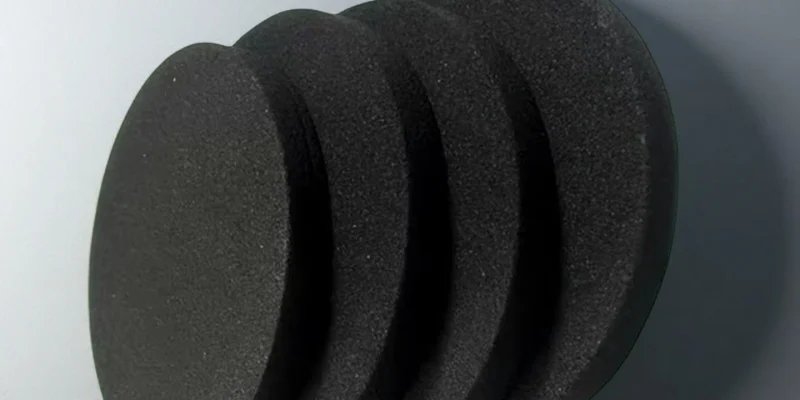
Filtration and Separation Systems
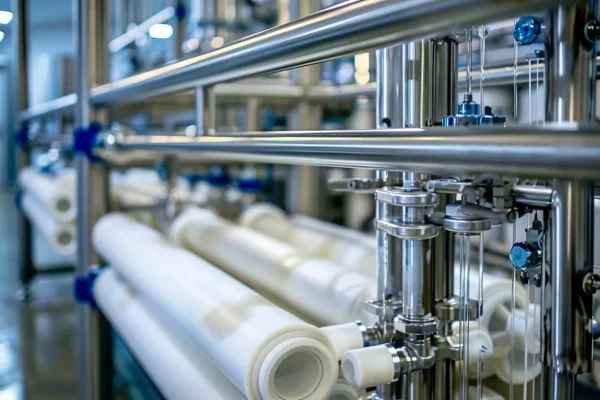
Ceramic filtration plays a central role in liquid clarification, particle removal, and process stabilization across food and beverage production lines.
- Chemical inertness allows stable operation under aggressive CIP cleaning agents and elevated temperatures.
- Pore structure consistency supports predictable filtration performance and reproducible product quality.
- Long service life reduces consumable replacement frequency and operating cost volatility.
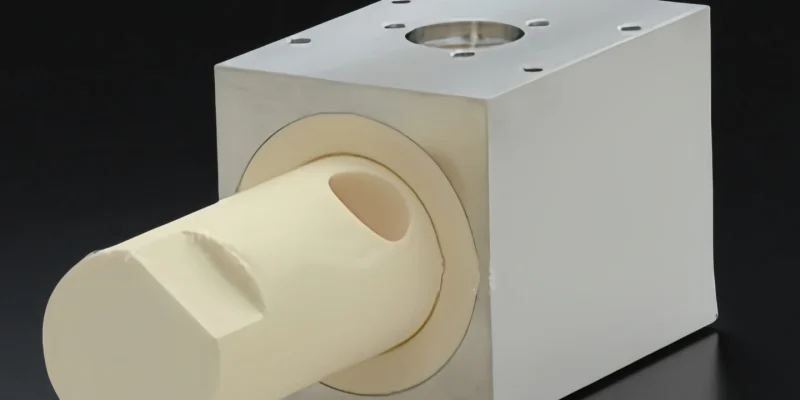
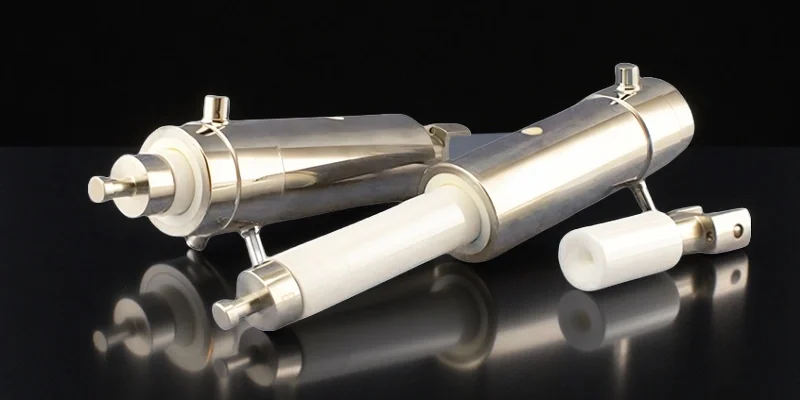
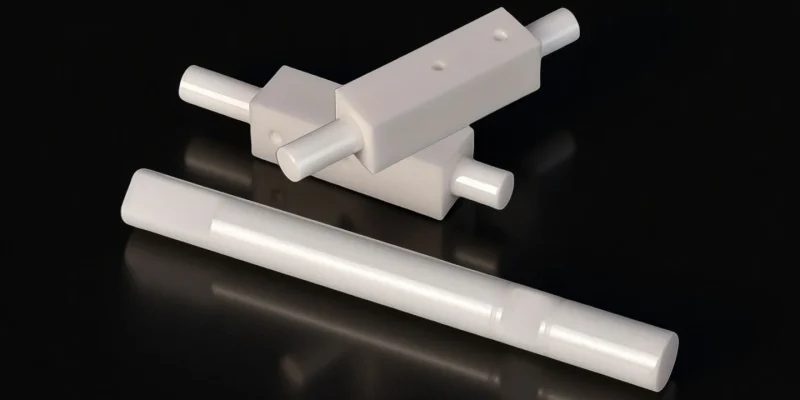
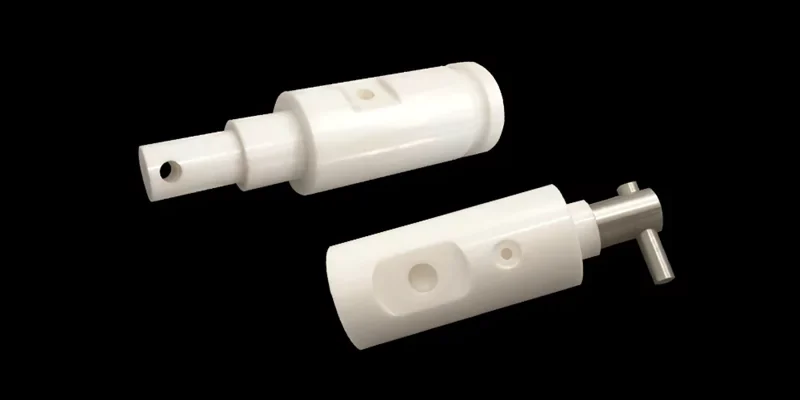
Pumping and Metering Units
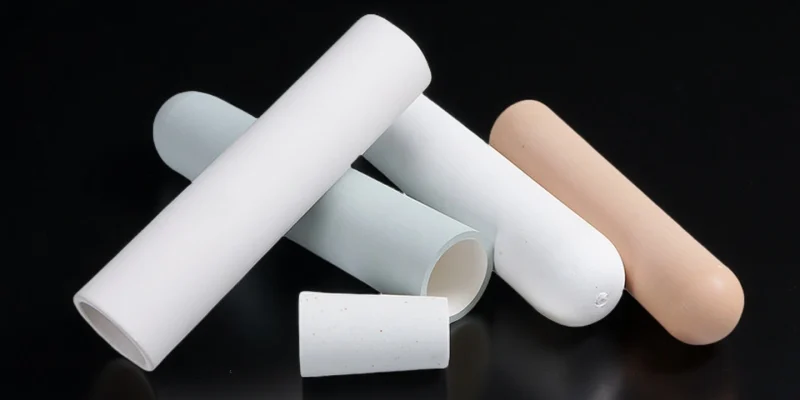
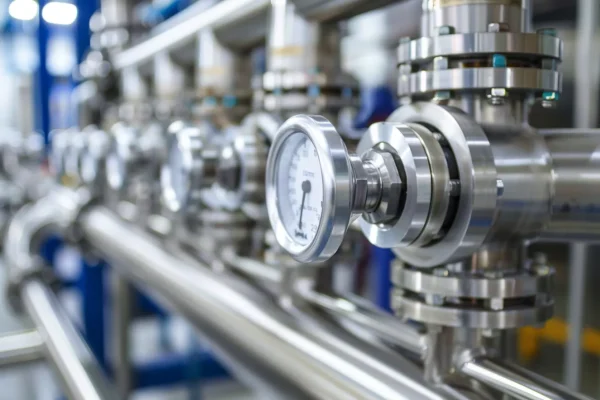
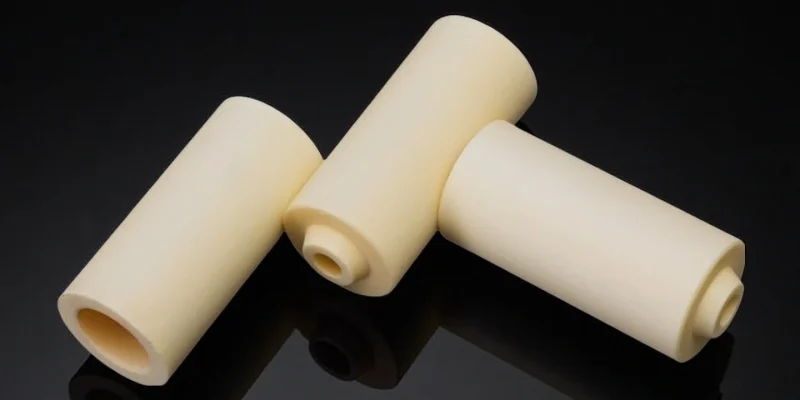
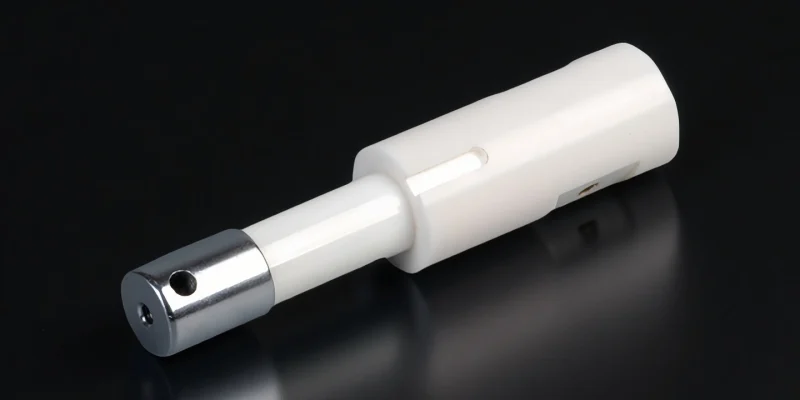
Ceramic pump components support stable flow control and precise dosing in food processes involving abrasion, viscosity variation, and frequent sanitation.
- Wear resistance maintains dimensional accuracy under continuous reciprocating motion.
- Low contamination risk minimizes metal ion release into sensitive food products.
- Surface stability enables consistent sealing during long-term operation.
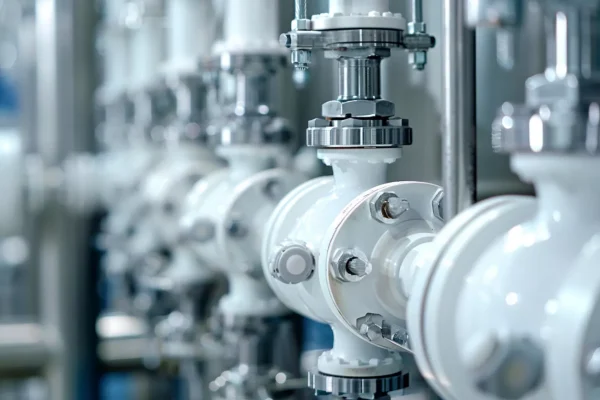
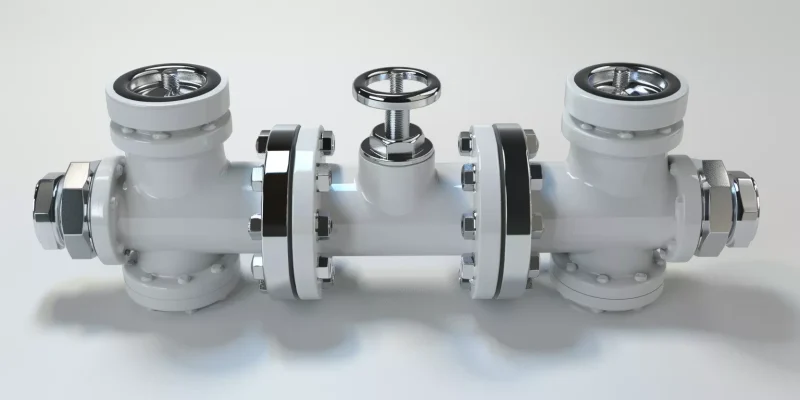
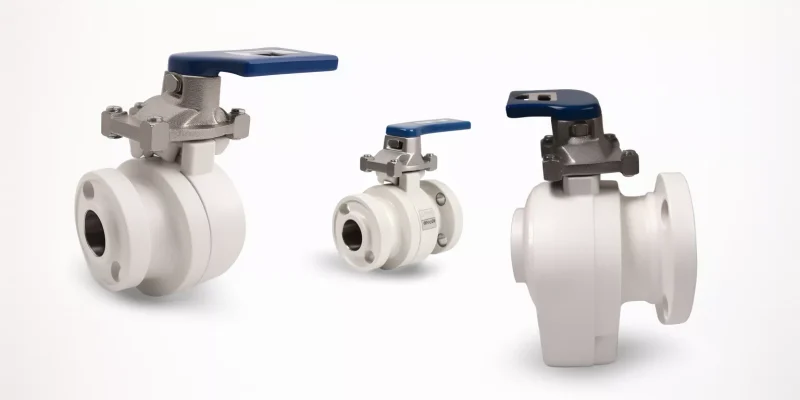
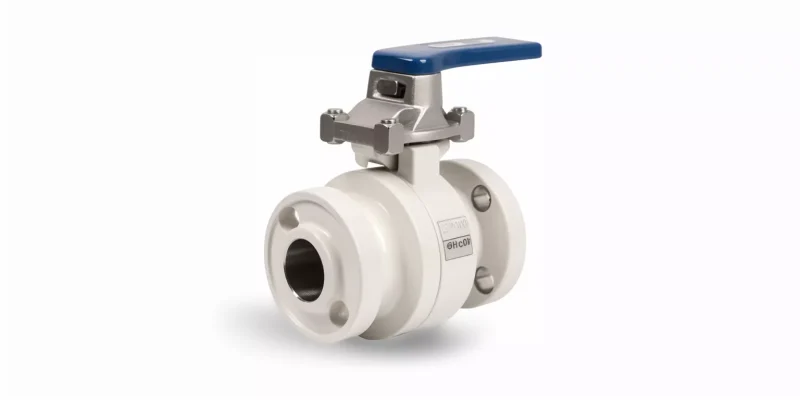
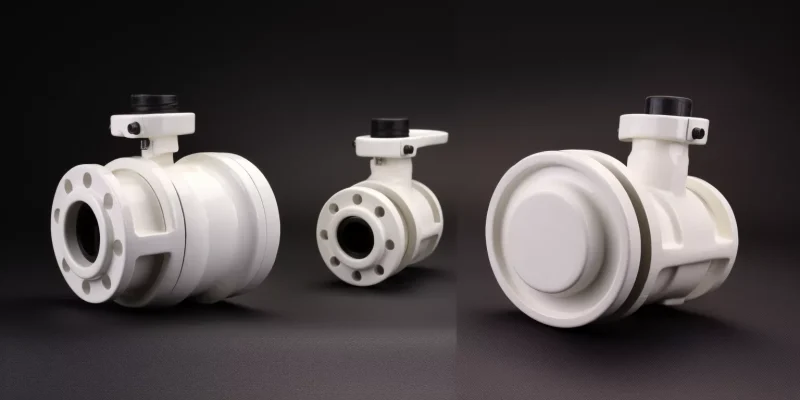
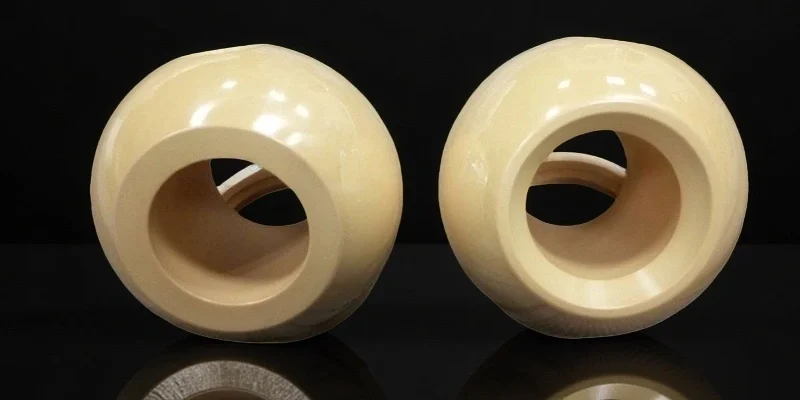
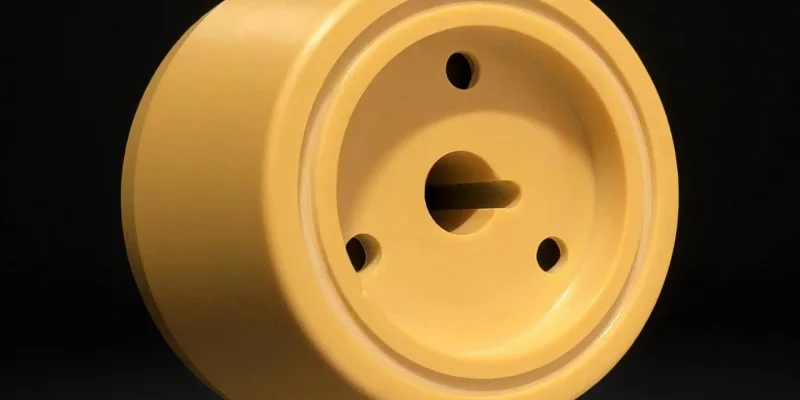
Valve and Flow Control Assemblies
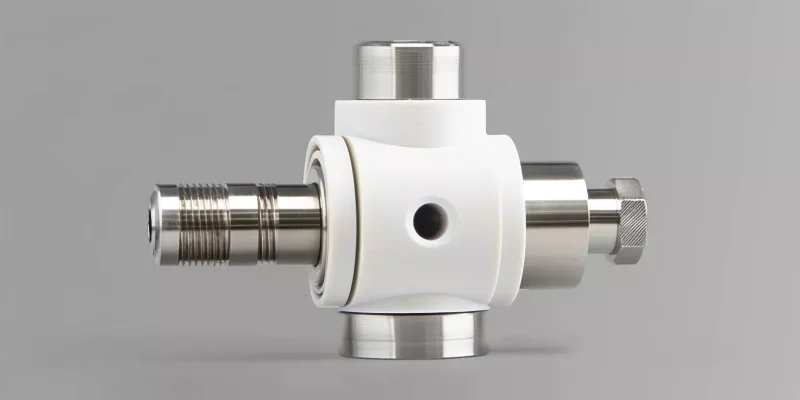
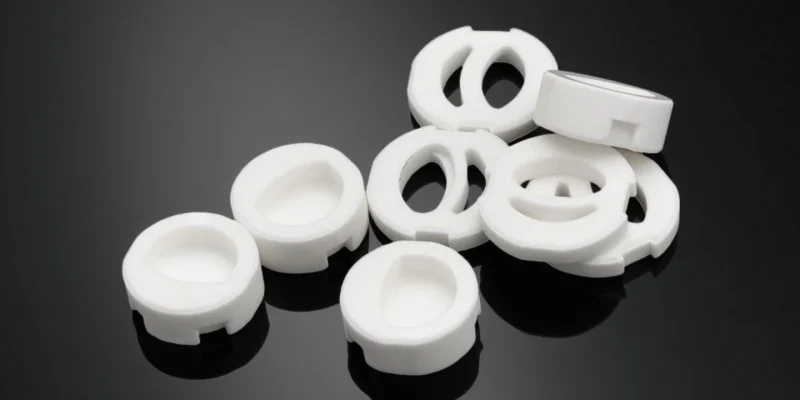
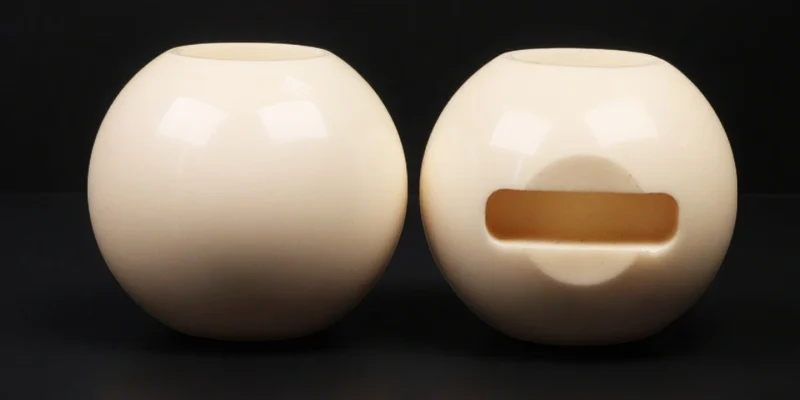
Ceramic valve components are applied where hygienic flow regulation, repeatable sealing, and resistance to aggressive cleaning cycles are required in food processing lines.
- Dimensional stability ensures sealing accuracy under frequent opening and closing cycles.
- Chemical resistance maintains integrity during alkaline and acidic CIP cleaning.
- Wear durability extends service life in particulate or high-viscosity media.
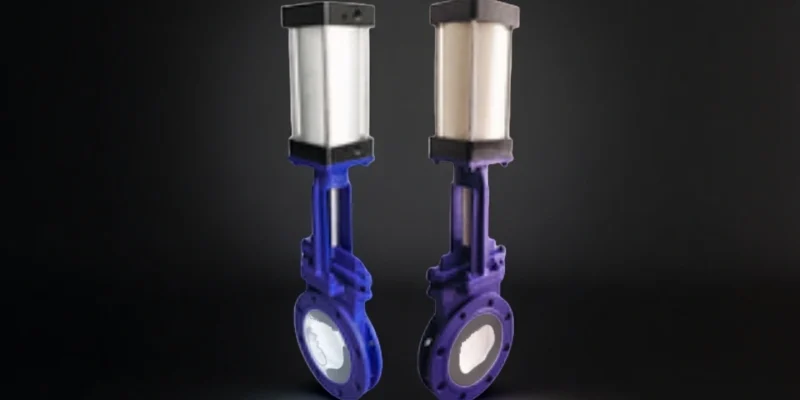
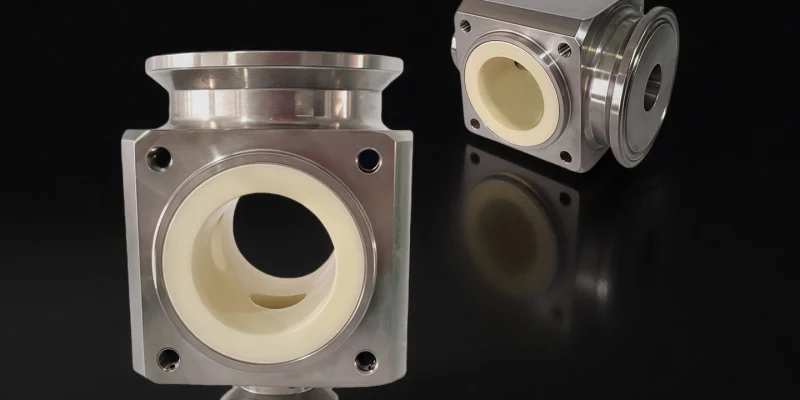
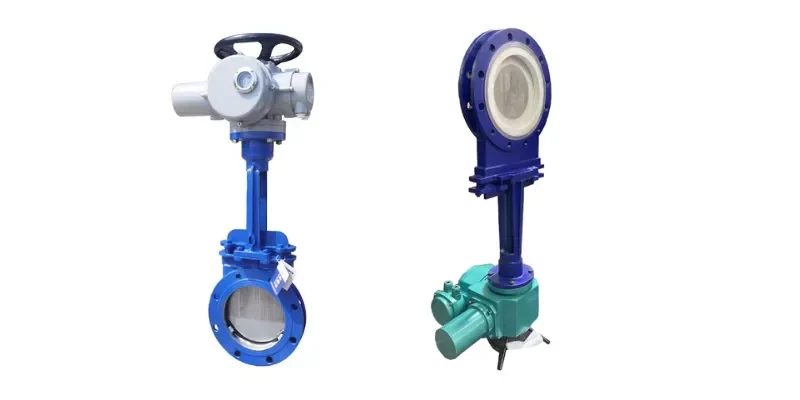
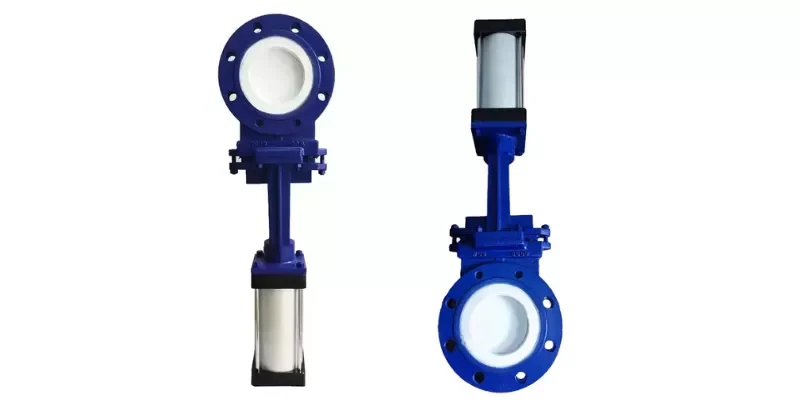
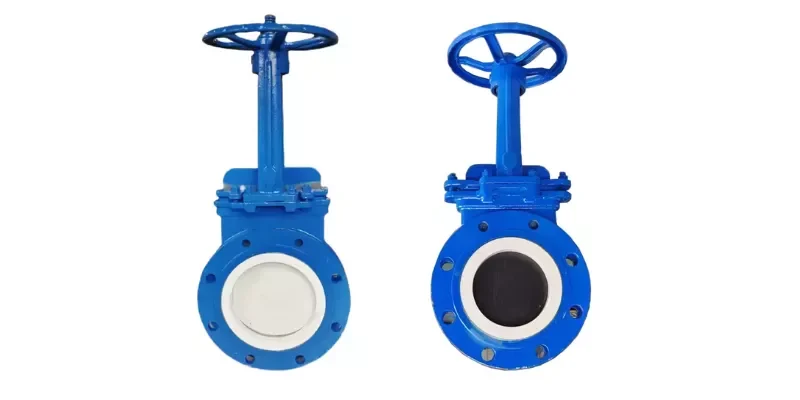
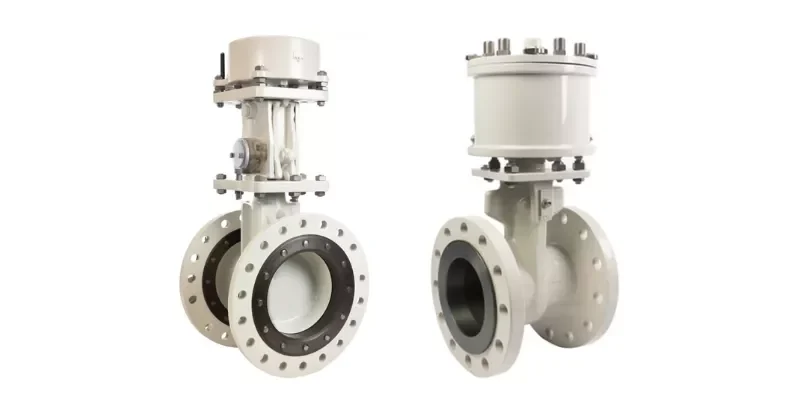
Balanced sealing under high differential pressure
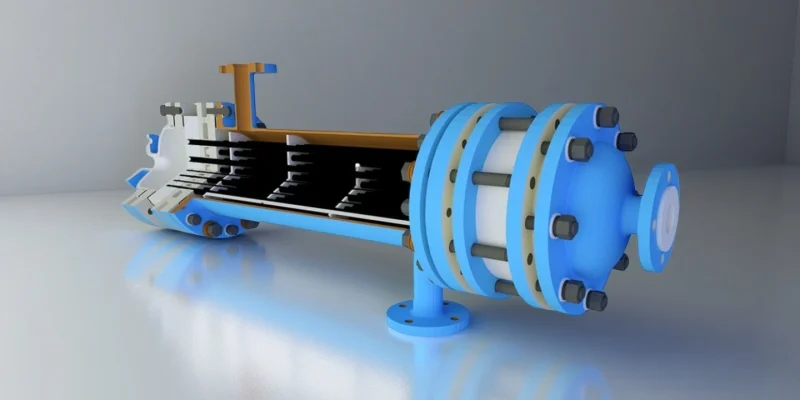
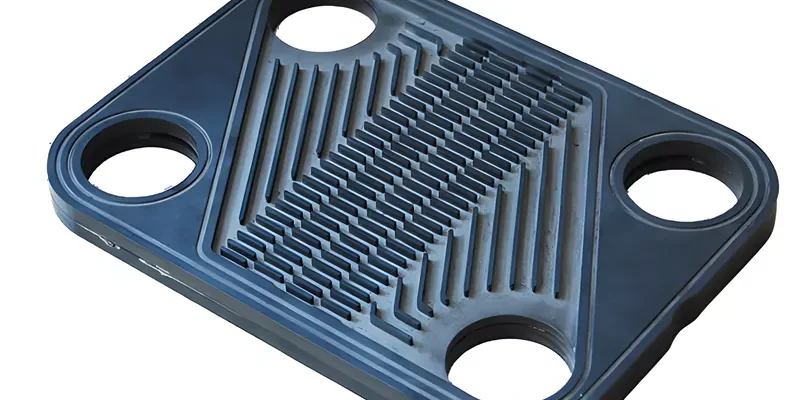
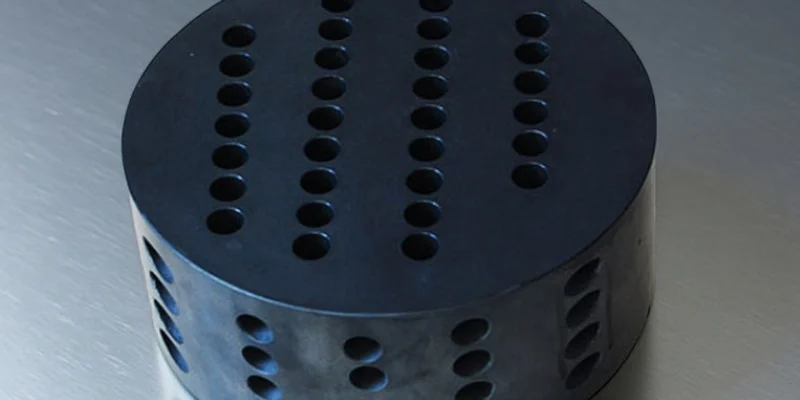
Heat Exchange and Thermal Control
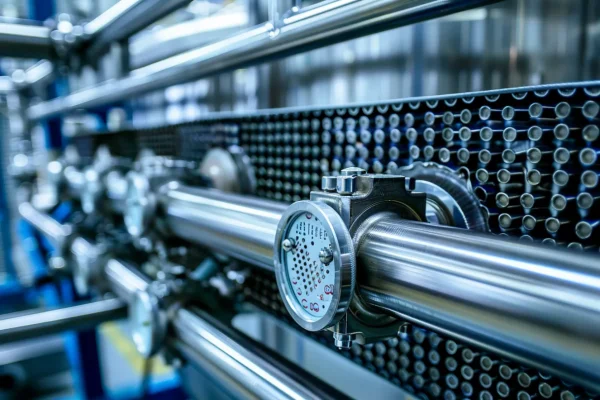
Ceramic heat exchange components manage thermal transfer in food processes where corrosion, fouling, and temperature cycling limit metallic solutions.
- High thermal conductivity supports efficient heat transfer with compact designs.
- Corrosion resistance ensures compatibility with acidic and alkaline media.
- Thermal shock tolerance maintains integrity during rapid temperature changes.
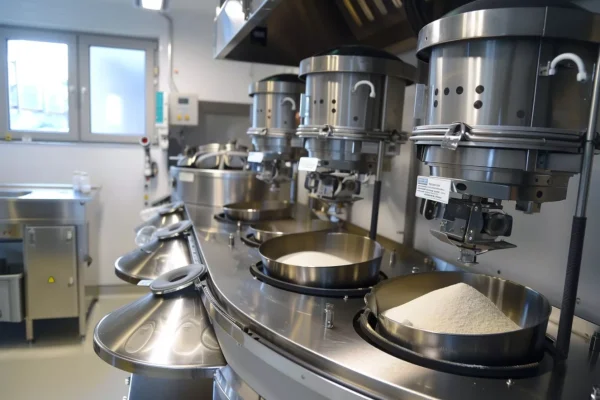
Grinding, Mixing and Cutting Operations
Ceramic grinding and cutting components enable precise size reduction and material handling while limiting wear debris and contamination.
- Hardness stability preserves cutting edges and grinding efficiency.
- Low wear debris protects product purity in sensitive formulations.
- Mechanical reliability supports consistent batch-to-batch processing.
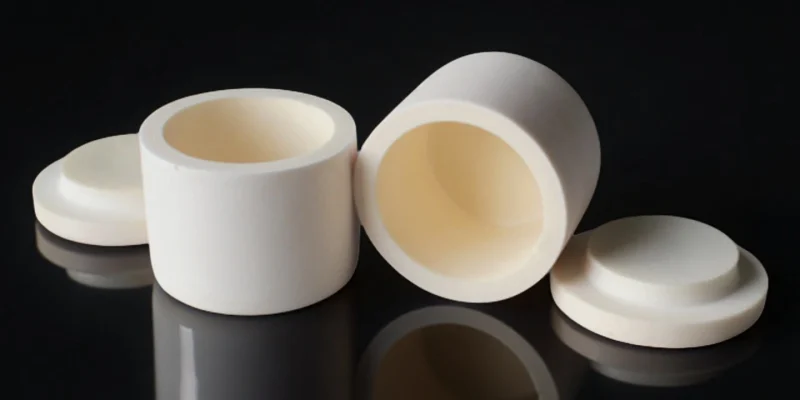
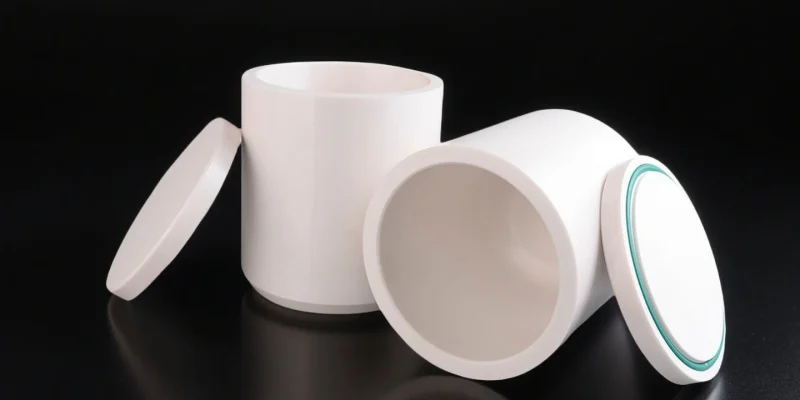
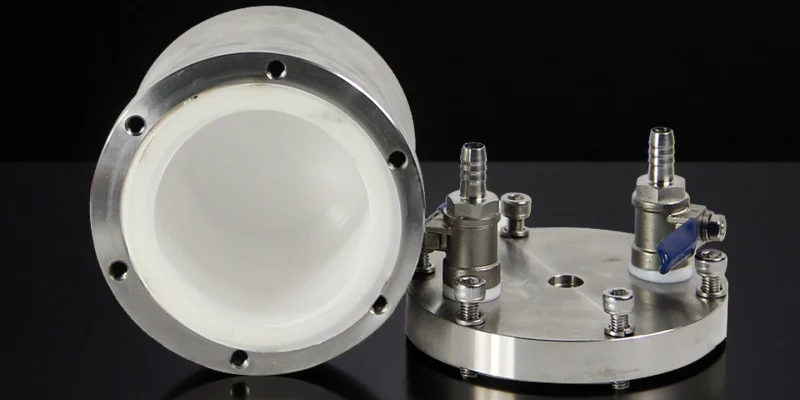
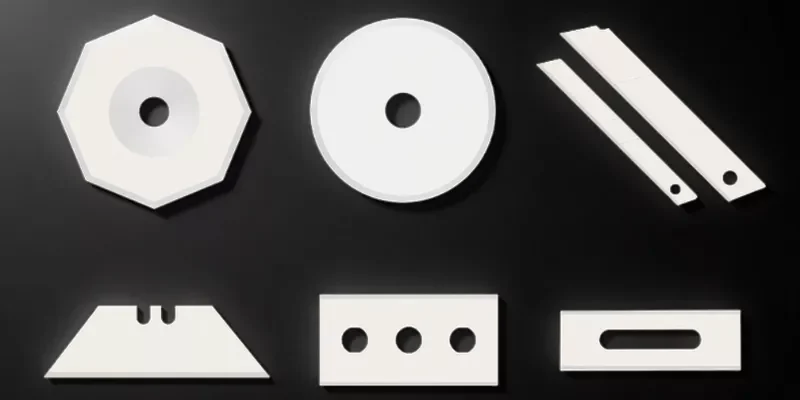
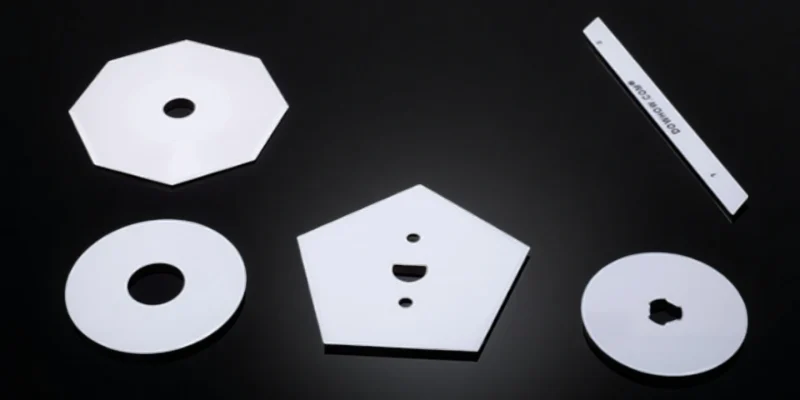
Food Processing Engineering Ceramics for Critical Process Zones
Food Processing Engineering Ceramics are applied in zones exposed to abrasion, corrosion, and repeated sanitation cycles.
These ceramic solutions maintain structural stability and surface integrity across demanding food processing operations.
ADCERAX Ceramic Categories for Hygienic Food Processing Systems
These categories organize food processing ceramics by material behavior, helping engineers quickly match performance characteristics with specific process units and hygiene requirements.

Alumina Ceramic
Alumina-based components serve as stable, cost-effective solutions for wear, filtration, cutting, and pumping tasks in food operations.

Zirconia Ceramic
Zirconia ceramics are applied where higher toughness, impact resistance, and precision control are required in hygienic environments.
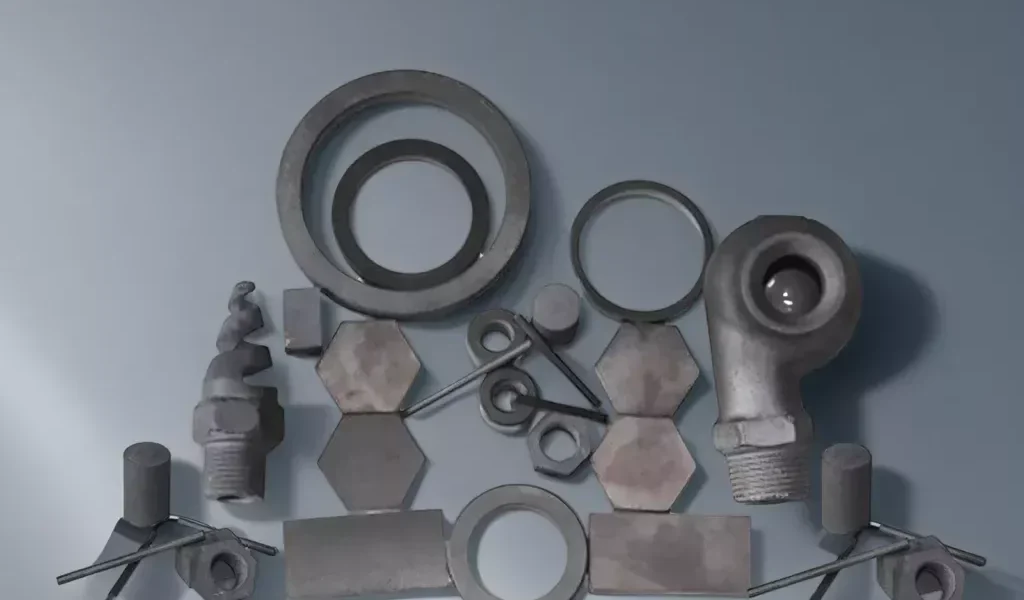
Silicon Carbide Ceramics
Silicon carbide ceramics address extreme thermal and chemical demands within heat exchange and filtration systems.
Integrated Manufacturing Services for Food Processing Ceramics
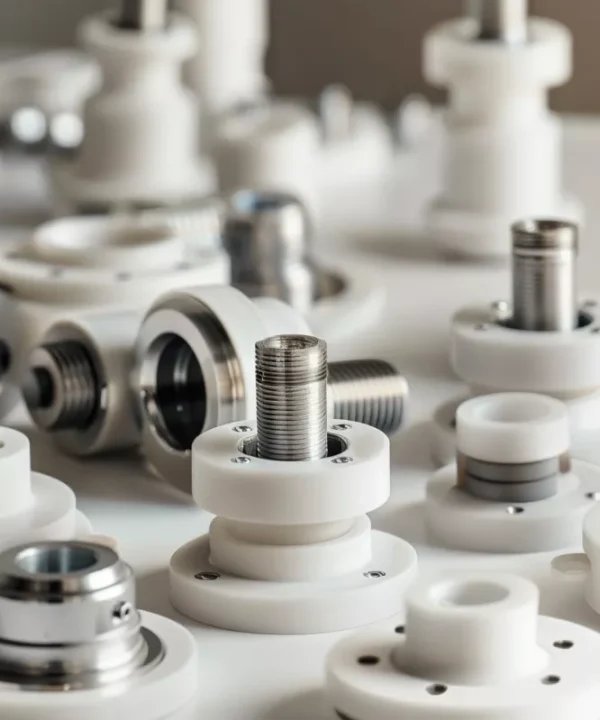
ADCERAX provides a unified manufacturing workflow covering material shaping, precision machining, and functional finishing for ceramic components used in food processing equipment.
As a ceramic parts manufacturer for food industry, ADCERAX focuses on machining accuracy, material control, and process reproducibility rather than generic outsourcing steps.
dry pressing or extrusion forming up to ±0.5% dimensional repeatability
CNC shaping on unfired bodies reducing post-sinter tolerance loss
controlled firing up to 1,650 °C for alumina and SiC
final tolerances down to ±0.01 mm on functional surfaces
Ra 0.4–0.8 µm achievable for hygienic contact areas
ceramic-to-metal or ceramic-to-ceramic fit verification on request
ADCERAX Precision Ceramic Processing Capabilities for Food Industry Applications
High-Temperature Sintering Control
Controlled sintering defines final density, grain structure, and chemical stability for food-grade ceramics.
temperature uniformity within ±5 °C across load
sustained sintering up to 1,650 °C
bulk density exceeding 99.5% theoretical
CNC Grinding and Finishing
Post-sinter grinding ensures functional tolerances and hygienic surface performance in critical contact areas.
dimensional tolerances down to ±0.01 mm
Ra 0.4–0.8 µm on sealing faces
roundness and flatness below 0.005 mm
Green Body Machining
Green machining enables complex geometries while minimizing stress and material loss after firing.
machining efficiency improved by over 30%
shrinkage deviation limited within ±0.3%
internal channels and thin walls achievable
Custom Ceramic Solutions for Food Processing Equipment
ADCERAX addresses common food processing pain points such as rapid wear, CIP-related corrosion, and non-standard interfaces by delivering custom ceramic components for food processing matched to real operating conditions.
As an experienced ceramic parts manufacturer, ADCERAX translates drawings or samples into reliable ceramic solutions that reduce replacement frequency and process risk.
ADCERAX Technical FAQs for Food Processing Engineering Ceramics
In critical wear, corrosion and abrasion zones, engineering ceramics typically show better resistance to CIP-cycle chemistry and particulate abrasion than stainless steel by material and duty. Ceramic surfaces do not form pitting or ion-leaching corrosion products the way certain steel grades can under specific media. The final material choice between ceramic and steel is confirmed during engineering review based on process, media and cost target.
Alumina, zirconia, silicon carbide and ZTA components typically retain their structural integrity across the pH range and elevated temperatures used in common CIP protocols. Unlike some metals, ceramics do not form significant corrosion products after repeated cleaning cycles by grade. The exact CIP window is confirmed against your protocol at RFQ.
Typical high hardness and stable microstructure by material give engineering ceramics good resistance to abrasive particles in slurries, dosing pumps and grinding stages. Actual wear-life against a specific abrasive medium is confirmed by testing or reference application data at RFQ.
Ceramic membrane elements typically retain their pore geometry under thermal and chemical stress by material and grade. Unlike some polymer membranes, pore collapse and swelling are limited under standard CIP duty. Actual flux and MWCO stability are confirmed at RFQ against your feed.
Engineering ceramics combine typical hardness with smooth surface finishes by grade, which limits particle embedding and abrasive scoring common in metal components. Flow stability under long duty depends on part geometry, pump interface and duty cycle, confirmed at RFQ.
Alumina, zirconia and silicon carbide typically remain stable in oxidizing, acidic and alkaline environments across common CIP formulations by grade. Material properties do not degrade under standard cleaning protocols. Compatibility with your specific CIP formulation is confirmed at RFQ.
Smooth ceramic sealing surfaces support hygienic design; typical low surface porosity limits residue adhesion by material and finish. Microbial and residue control depend on CIP/SIP protocol, part geometry and process validation by the customer's food-safety program.
Silicon carbide ceramic parts within heat exchanger assemblies offer typical high thermal conductivity by grade combined with corrosion resistance, which supports stable heat transfer under aggressive cleaning chemistry. Actual thermal design is confirmed at RFQ.
Engineering ceramic grinding media and jars (alumina, zirconia, ZTA) typically produce low wear debris by material, which helps limit metal contamination during grinding or dispersion of food ingredients. Particle-size and contamination targets are confirmed at RFQ.
Some engineering ceramics tolerate rapid temperature changes better than others - zirconia and SiC by grade typically show good thermal-shock behavior for common CIP hot/cold cycles. Actual thermal-shock margin is confirmed at RFQ against your temperature swing.
Discuss Your Food Processing Ceramic Component Requirements
To review your food processing ceramic component, please share:
- The equipment type and process position (filtration, dosing, filling, flow control, cutting or wear-critical area)
- The component name and function; a drawing, sample or old-part photo
- The current material, failure issue, critical dimensions, tolerances and mating interface
- The process medium and operating conditions (temperature, pressure, pH, solids content and CIP/SIP cycle)
- Application-specific requirements, quantity or annual demand, and any required food-contact documentation
ADCERAX will review the material route, geometry, manufacturing feasibility, mating interface and inspection requirements. If no drawing is available, send clear photos, key dimensions, operating conditions and the observed failure issue.
*Our team will answer your inquiries within 24 hours.
*Your information will be kept strictly confidential.
info@adcerax.com
Tel:+86-0731-84428843
WhatsApp:+86 19311583352
Within 24 hours