TOPIC ARCHIVE

Article: Haber Ma

With 15 years of hands-on experience in technical ceramics, I specialize in the R&D and application of advanced ceramic materials, with particular expertise in developing ceramic solutions for precision mechanical components, electronic insulating parts, and related fields. Having delivered customized ceramic products and technical support to clients across Europe, North America, Australia, and beyond, I empower enterprises to reduce procurement costs and resolve complex material application challenges.

ADCERAX Ceramics Catalog

Materials, product forms, and capabilities in one PDF.

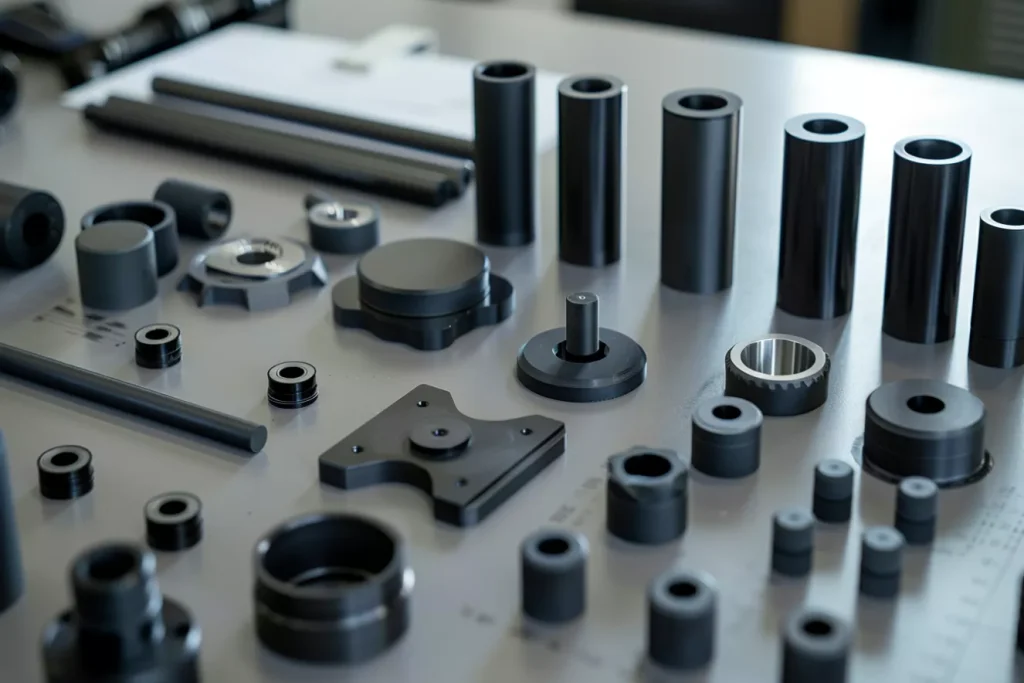
Black Alumina Ceramic is increasingly specified when chemical processing equipment faces thermal instability, corrosive attack, and electrical leakage, which collectively

Industrial optical assemblies often fail electrically before they fail mechanically. Consequently, Black Alumina Ceramic becomes a decisive insulating material when

Black Alumina Ceramic components are frequently introduced only after conventional materials begin to limit precision, stability, or service life. As

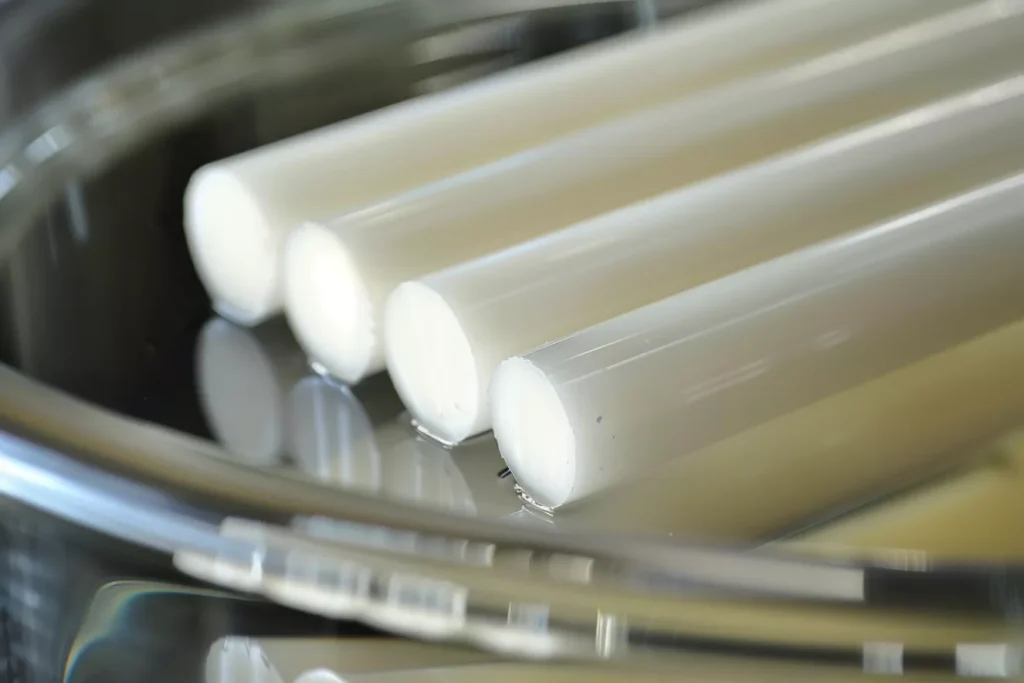
Alumina Rod failures in corrosive fixtures often start quietly as residue buildup or edge chipping; consequently, small defects can escalate

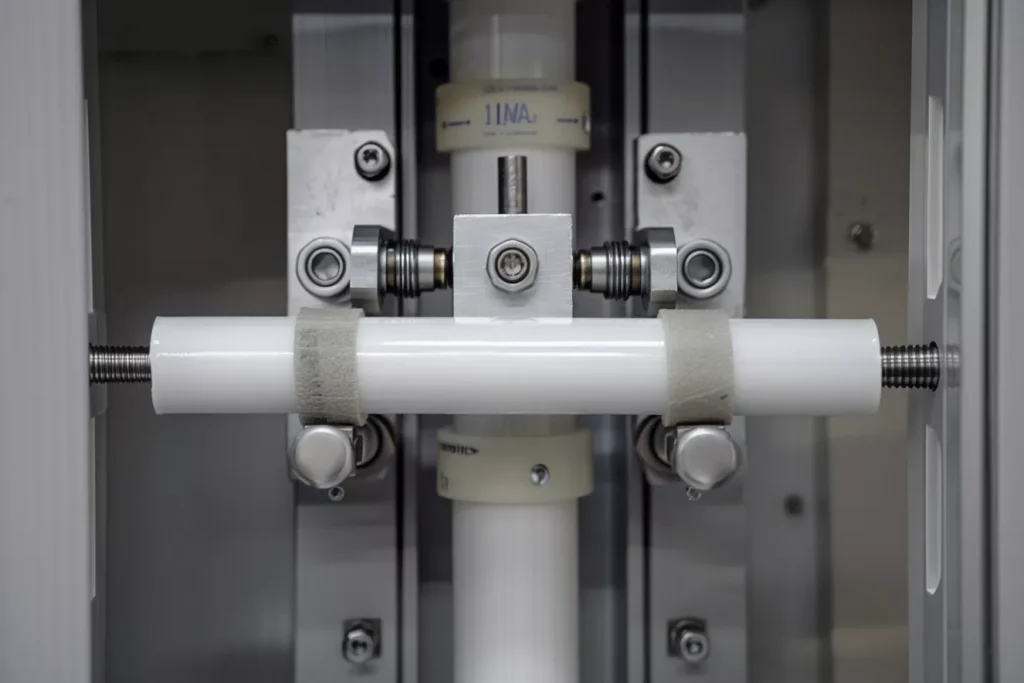
Alumina Rod breakdown in high-voltage insulation often begins as microscopic leakage or edge damage; consequently, small defects can escalate into

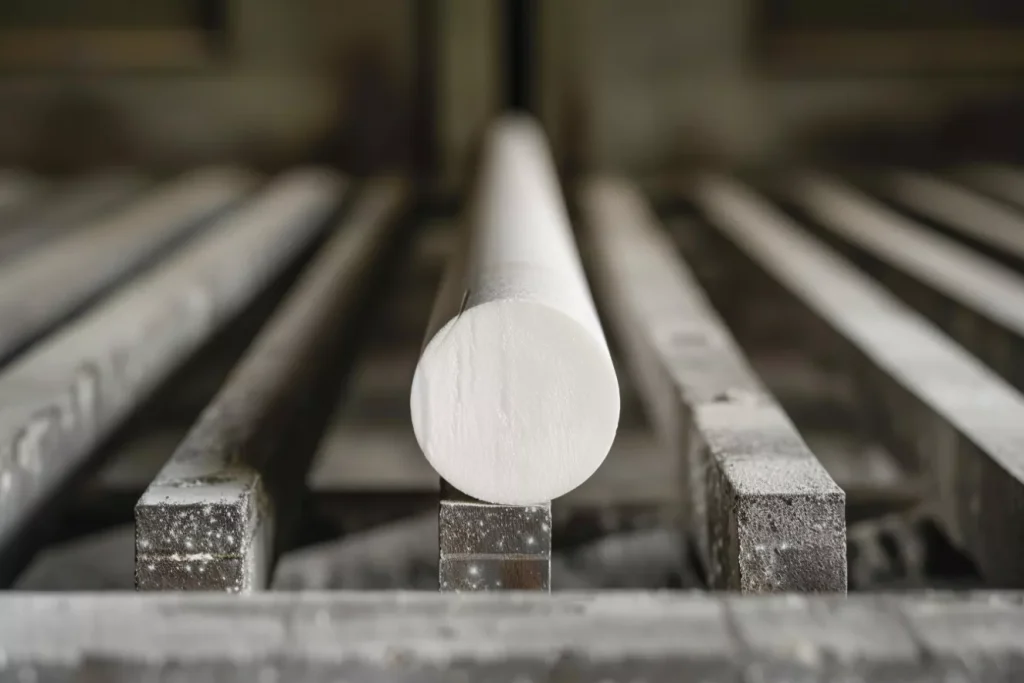
Alumina Rod failures in high-temperature equipment rarely occur suddenly; instead, they accumulate silently until thermal stability, insulation integrity, or structural

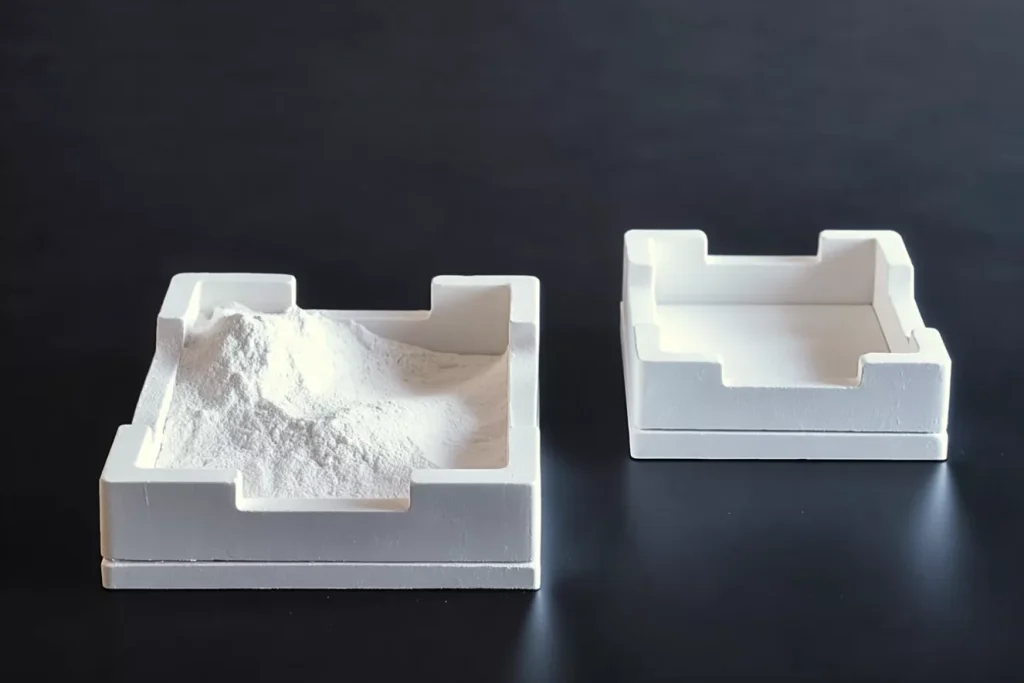
Alumina Trays are often treated as simple containers, yet hidden failures inside powder-based thermal lines repeatedly erode yield, stability, and

Alumina Trays are frequently introduced into thermal processes only after instability emerges. However, delayed material and geometry decisions often amplify

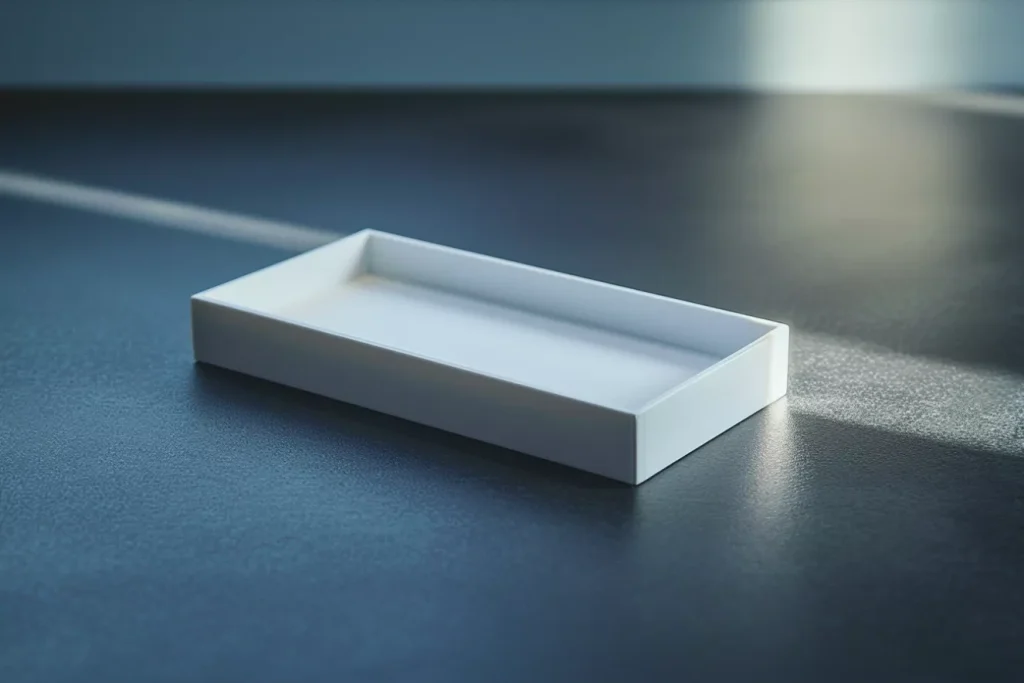
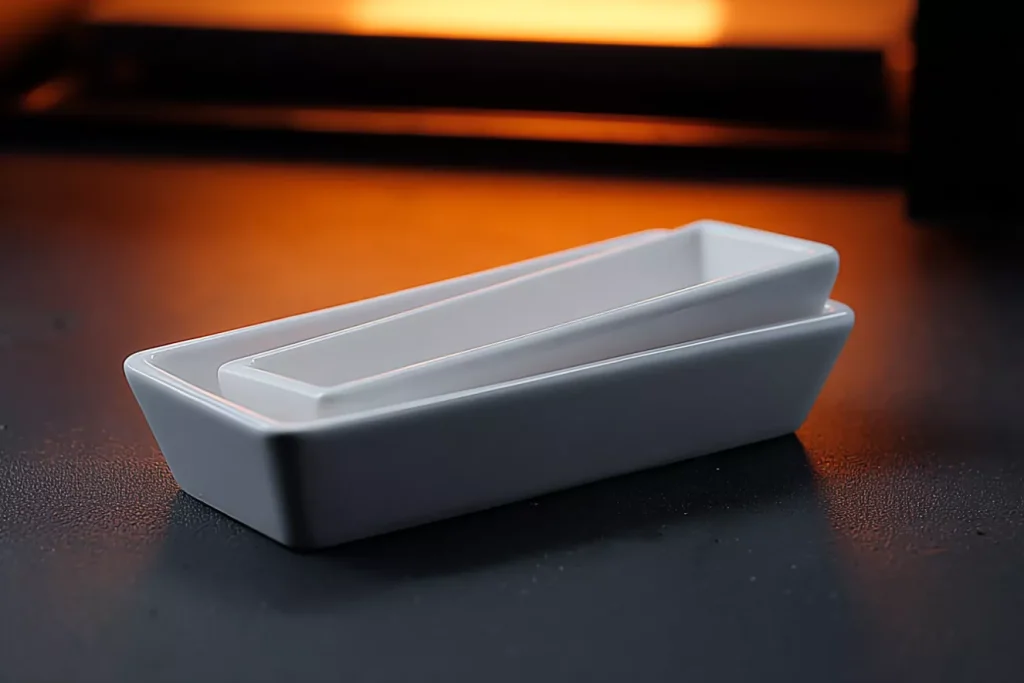
Alumina Trays fail quietly until warpage, contamination, or cracking disrupts runs. Consequently, engineers need Rectangular Alumina Trays that keep geometry

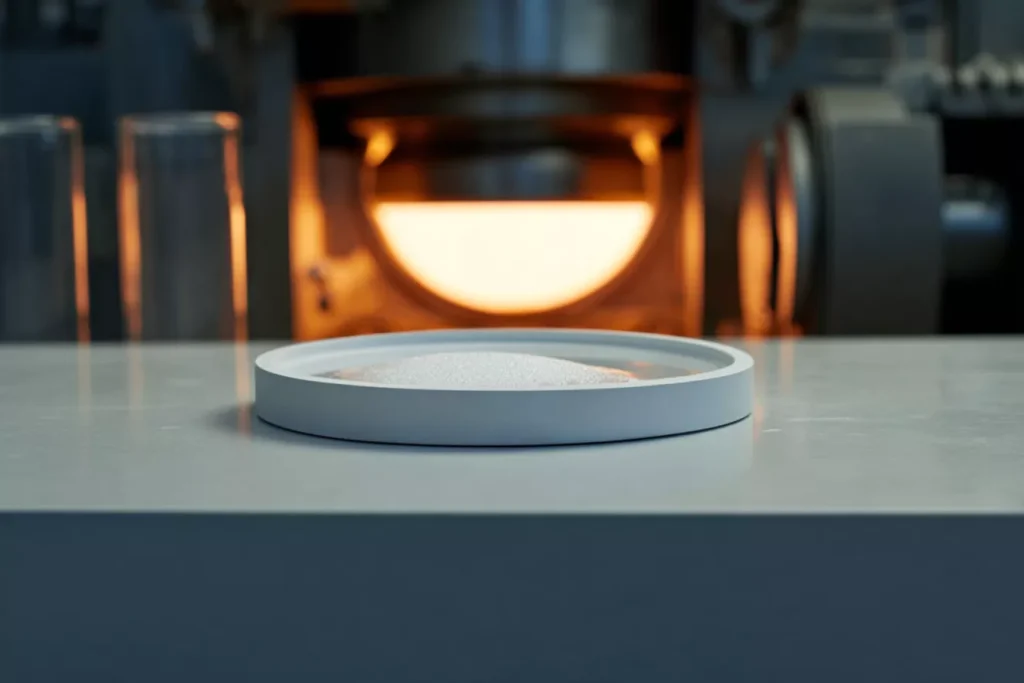
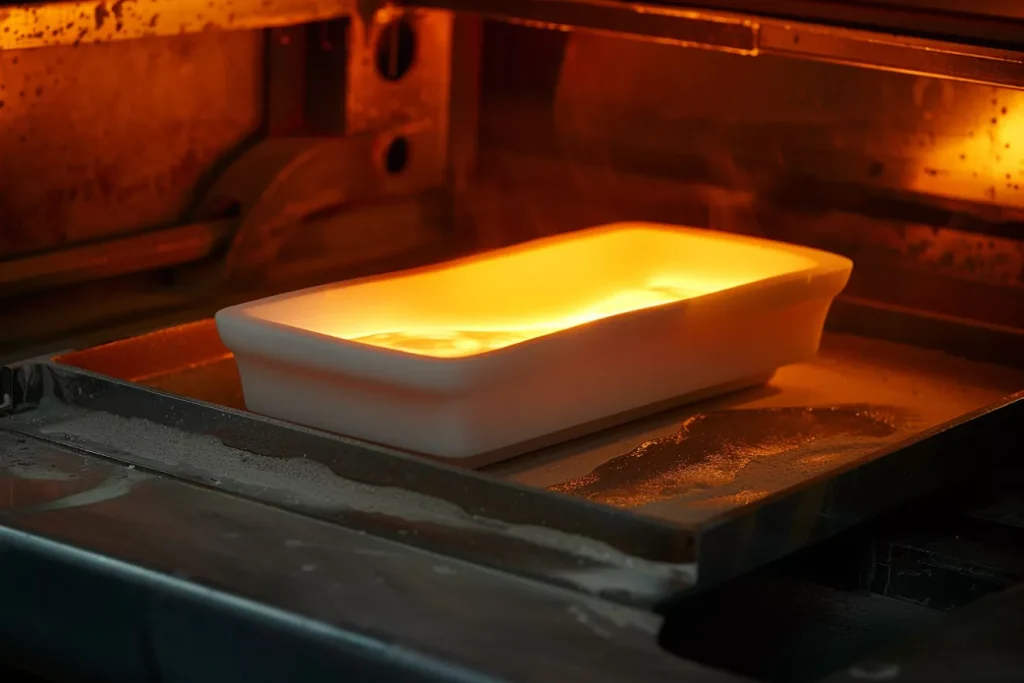
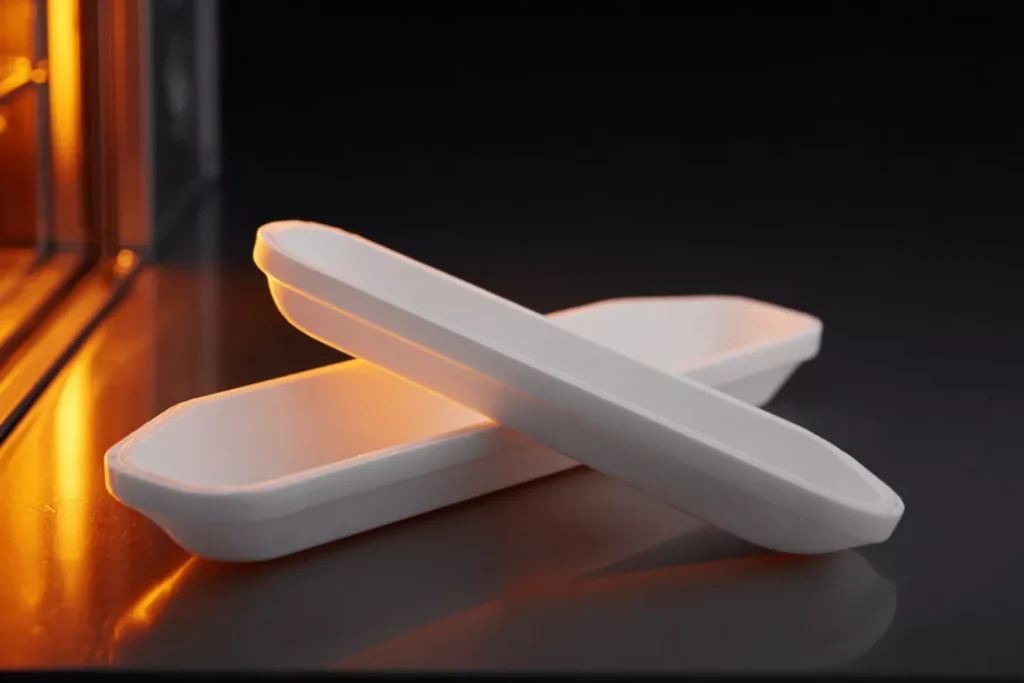
Alumina Ceramic Boat performance often becomes the hidden limiter of kiln stability, especially when warpage, uneven burnoff, or unexpected scrap

Alumina Ceramic Boat performance frequently becomes a silent variable in thermal material research, especially when unexpected phase deviations, incomplete reactions,

Alumina Ceramic Boat performance often becomes the hidden variable behind inconsistent LOI and ashing results. When data drift, rework, or

Alumina Plate mistakes can destabilize chemical and energy modules; consequently, sealing drift, corrosion carryover, and thermal misalignment appear long before

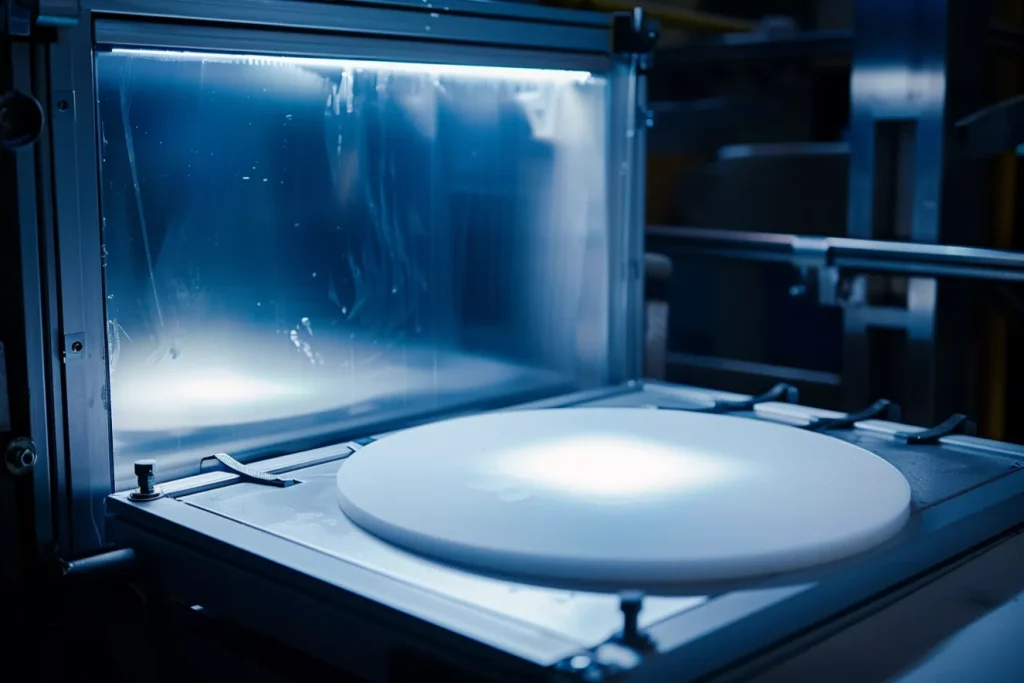
Alumina Plate failures can halt heating systems abruptly; consequently, OEM schedules and process qualification often collapse when plates warp, crack,

High-voltage vacuum systems frequently fail not because of circuit flaws, but because insulation structures degrade under coupled electrical, thermal, and

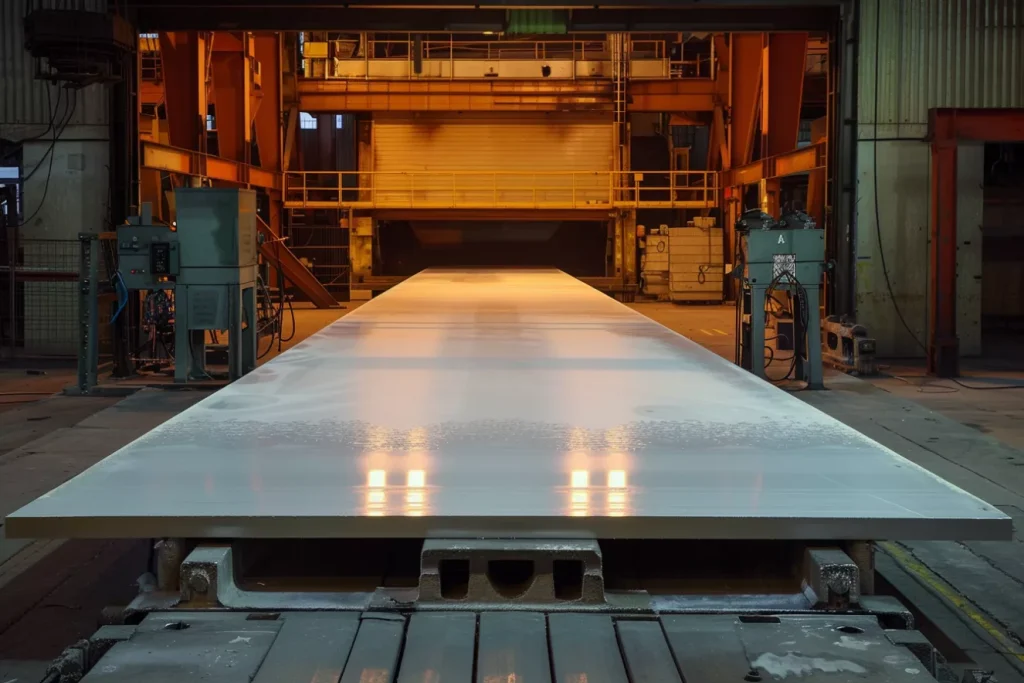
Alumina Plate linings often fail too early; consequently, abrasion, impact, and corrosion accelerate downtime, while maintenance teams struggle with recurring

Alumina Plate choices often look interchangeable; however, hidden material and geometry mismatches can escalate thermal stress, dielectric drift, and rework

Alumina Substrate Etching often emerges when reliable surfaces suddenly fail to bond, pattern, or endure service stresses, thereby disrupting downstream

Alumina Substrate choices often surface when FR4 begins to saturate thermal headroom, insulation margins, or lifetime targets. Consequently, this comparison

Al2O3 Substrate Cleaning often begins only after process failures appear; however, delayed intervention typically magnifies adhesion loss, electrical instability, and

In advanced thin-film manufacturing, the alumina substrate serves as the foundational platform upon which electrical, thermal, and mechanical behaviors are

Alumina Substrate decisions often begin under uncertainty, where material failure risks, thermal limits, and long-term stability remain unclear during early

Alumina Substrate thickness is often selected too late in design cycles; consequently, hidden electrical and mechanical risks emerge. Therefore, early

Alumina Substrate Properties define whether electronic systems endure thermal stress or fail prematurely. Consequently, overlooking material behavior often results in

Tagged posts

0

Related Products

Need help selecting the right ceramic for your application?

Send your drawing, material requirement, dimensions, quantity, and working conditions — our engineering team reviews manufacturability before quotation.

Quick Quote

The more details you provide, the faster we can quote.

*We respond within 24 hours. All inquiries are confidential.

Download Catalog