Ceramic failure analysis articles: thermal shock, creep, cracking, delamination, chemical attack, and prevention measures. For engineers diagnosing field failures and specifying replacements that avoid repeat failure.
ADCERAX Ceramics Catalog
Materials, product forms, and capabilities in one PDF.
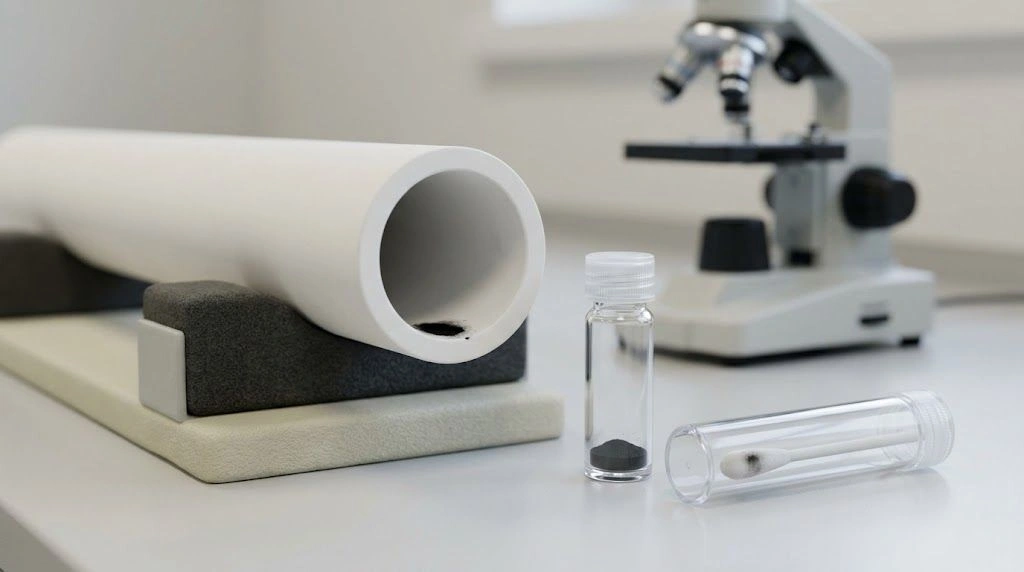
Thermocouple shunting is an electrical measurement error caused by unintended conductive paths through insulation. At high temperature, insulation resistivity can
SiC ceramic membranes can offer superior recovery after fouling because their hydrophilic surface, chemical stability, mechanical robustness, and cleaning tolerance
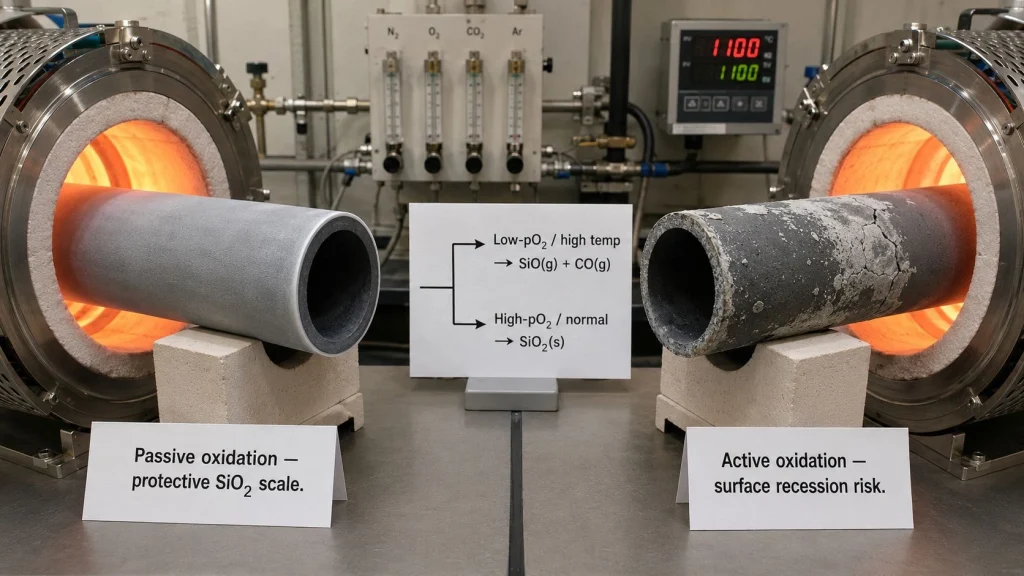
Unexpected surface roughening and strength loss can arrive quietly; consequently, unrecognized degradation triggers microcracking, performance drift, and premature fracture in
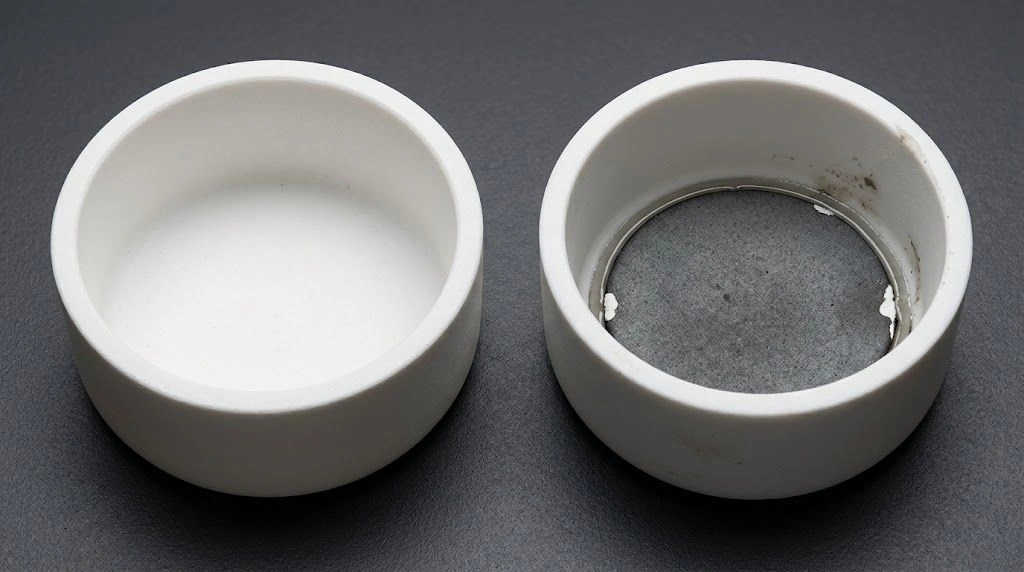
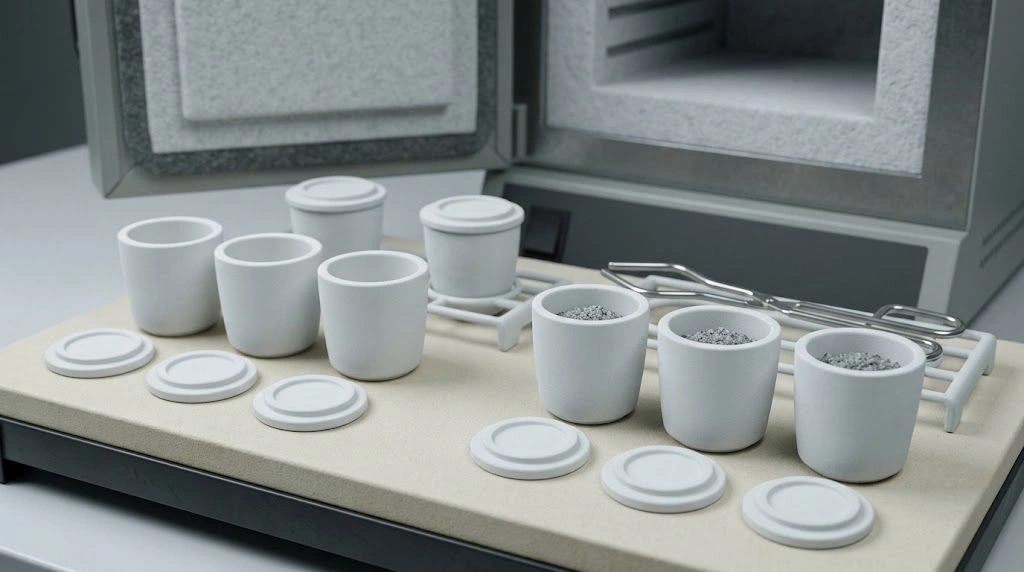
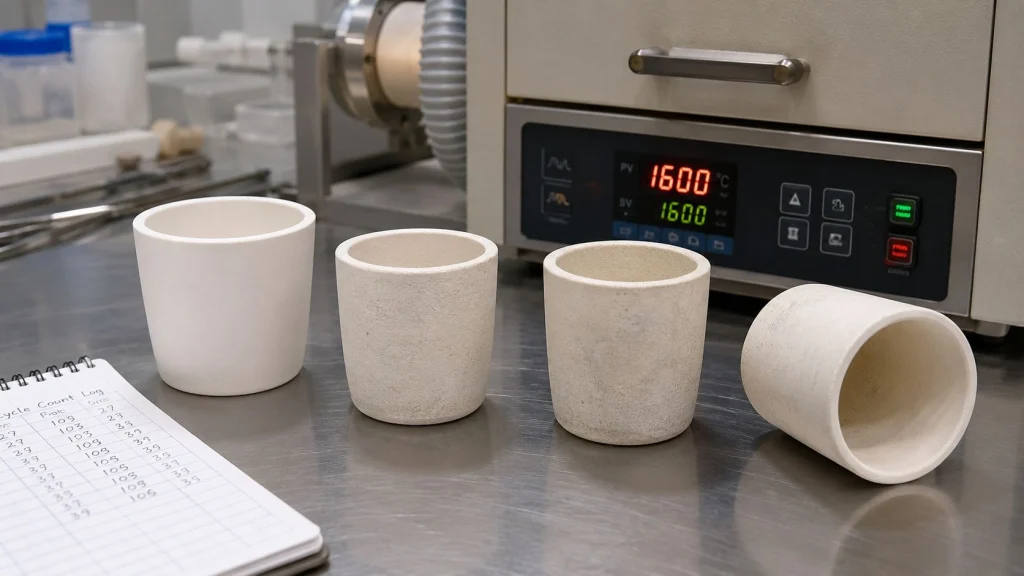
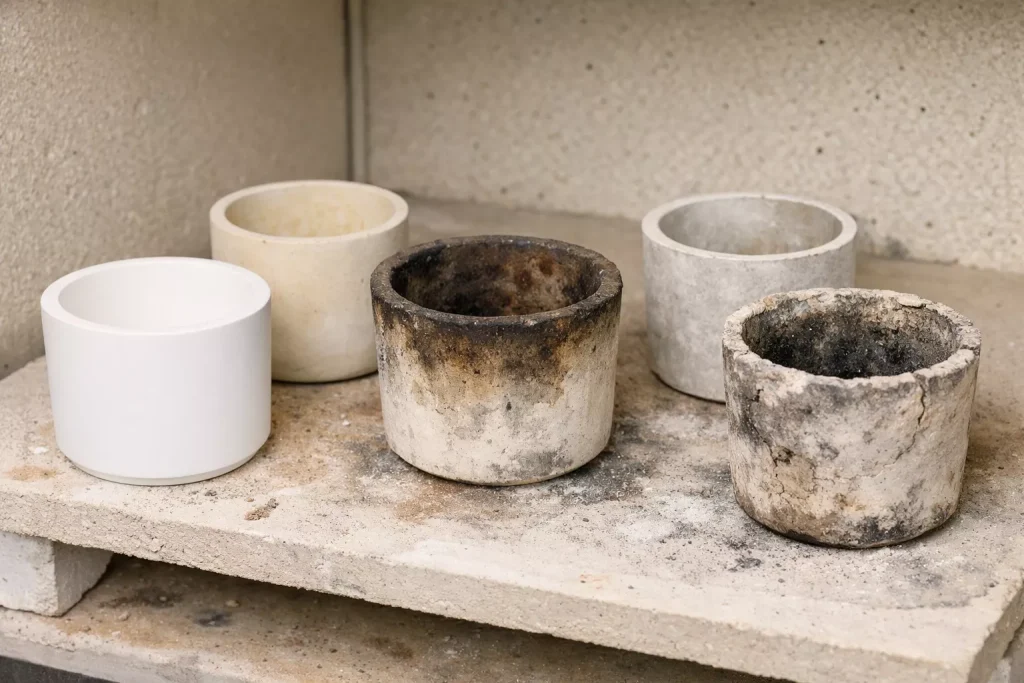
High-temperature zirconia sintering crucibles often appear durable during early use; however, progressive degradation silently accumulates until sudden failure disrupts furnace
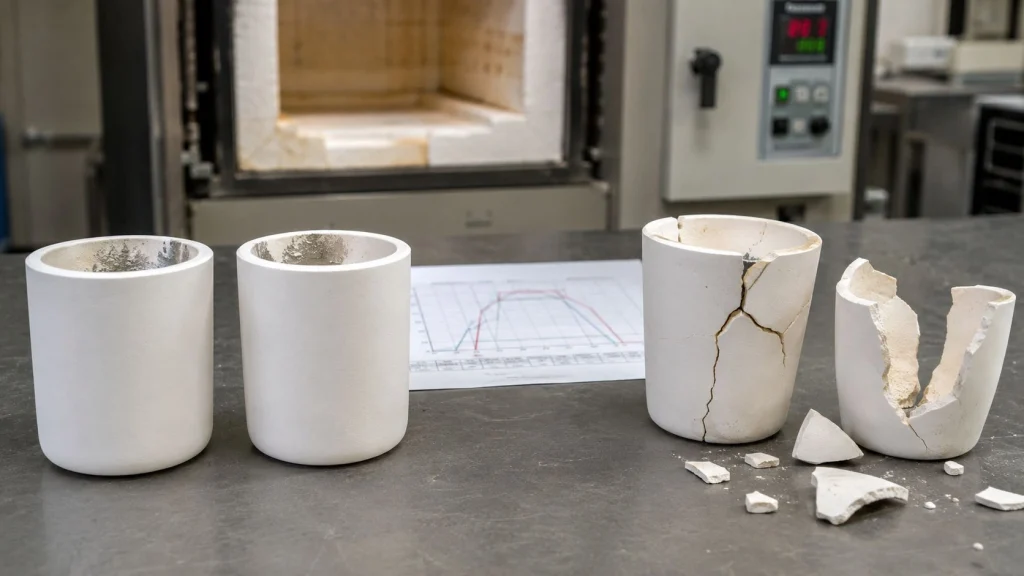
Unexpected defects in zirconia firing often appear without warning; consequently, yield drops, rework increases, and root causes remain disputed across
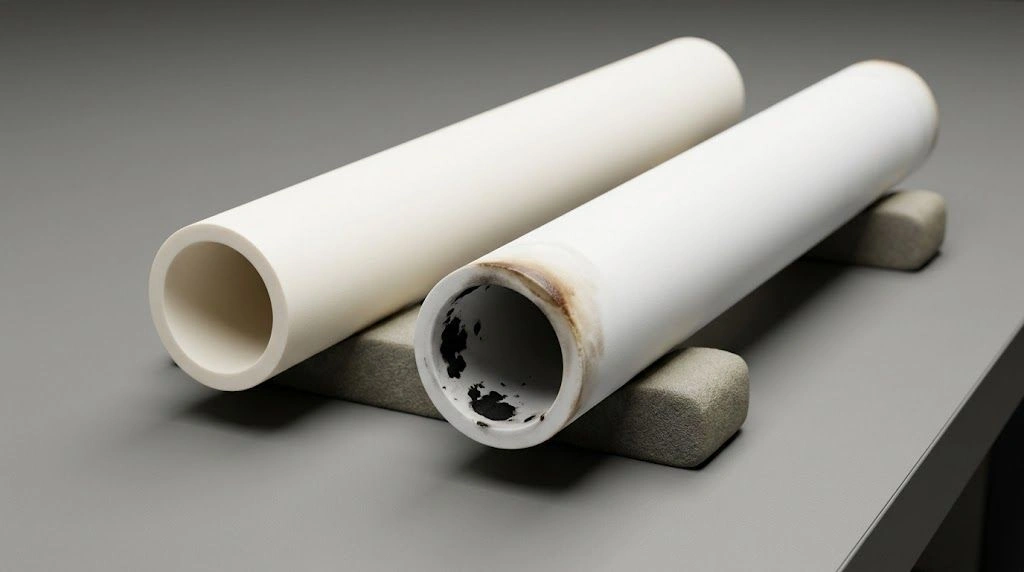
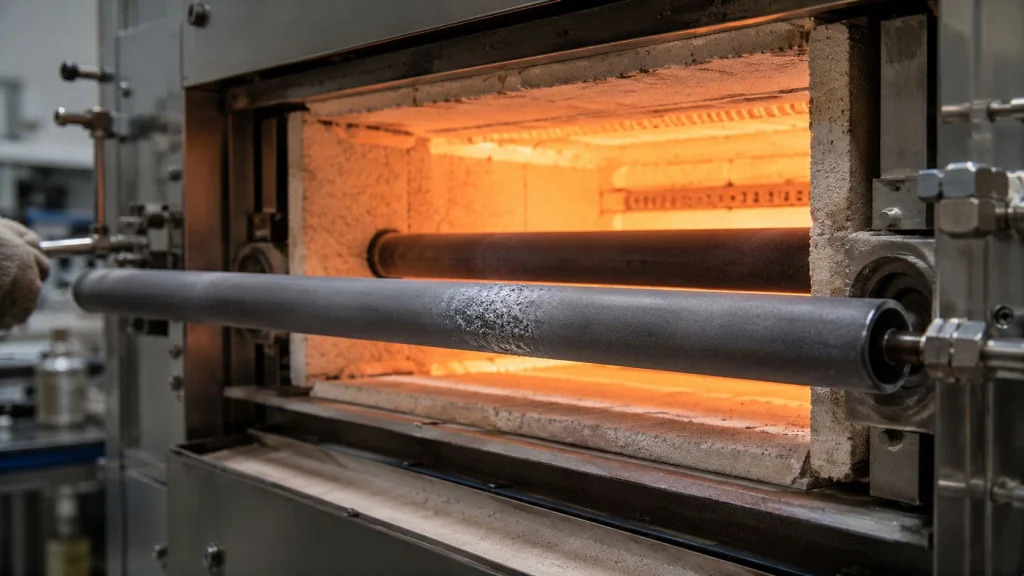
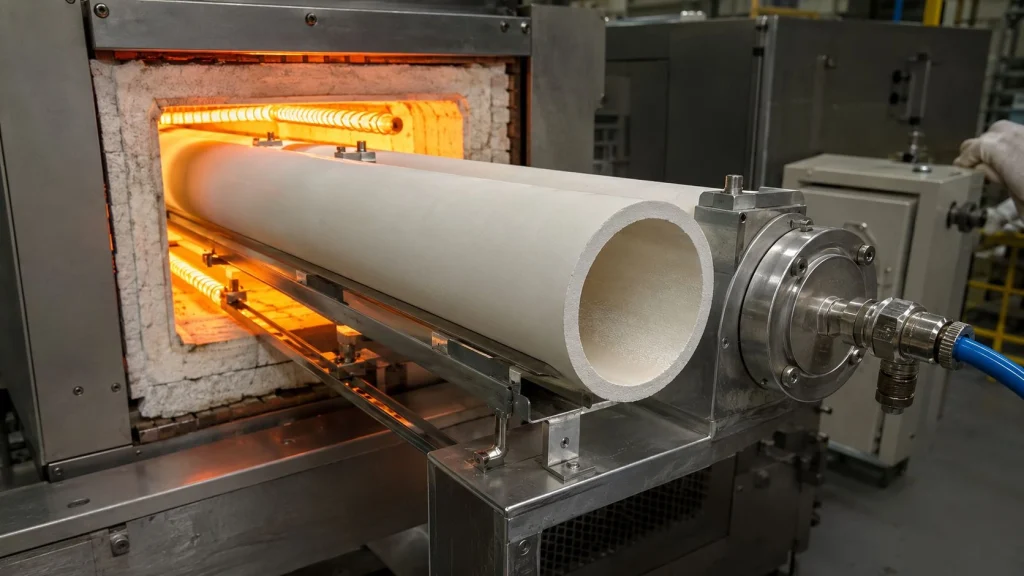
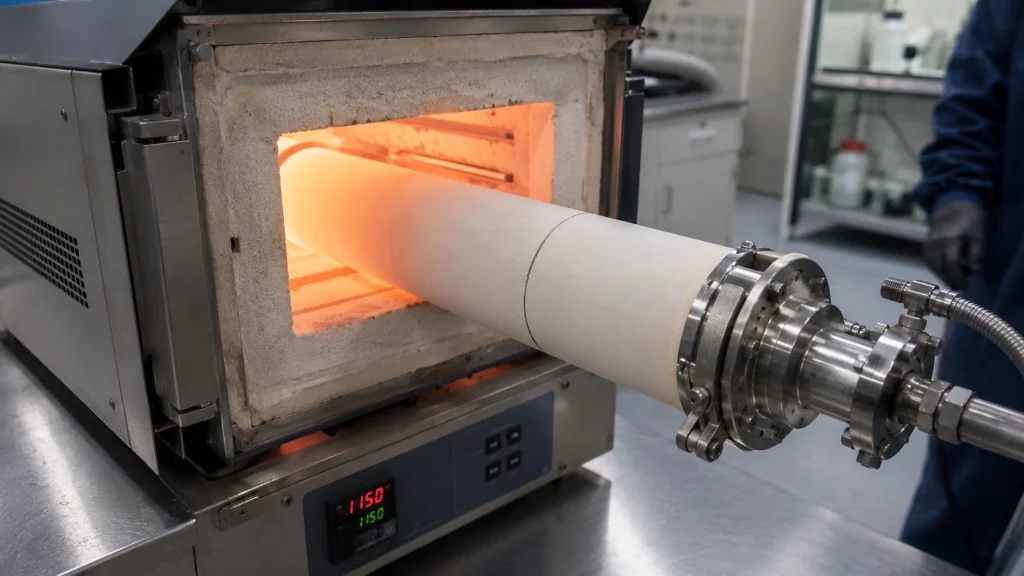
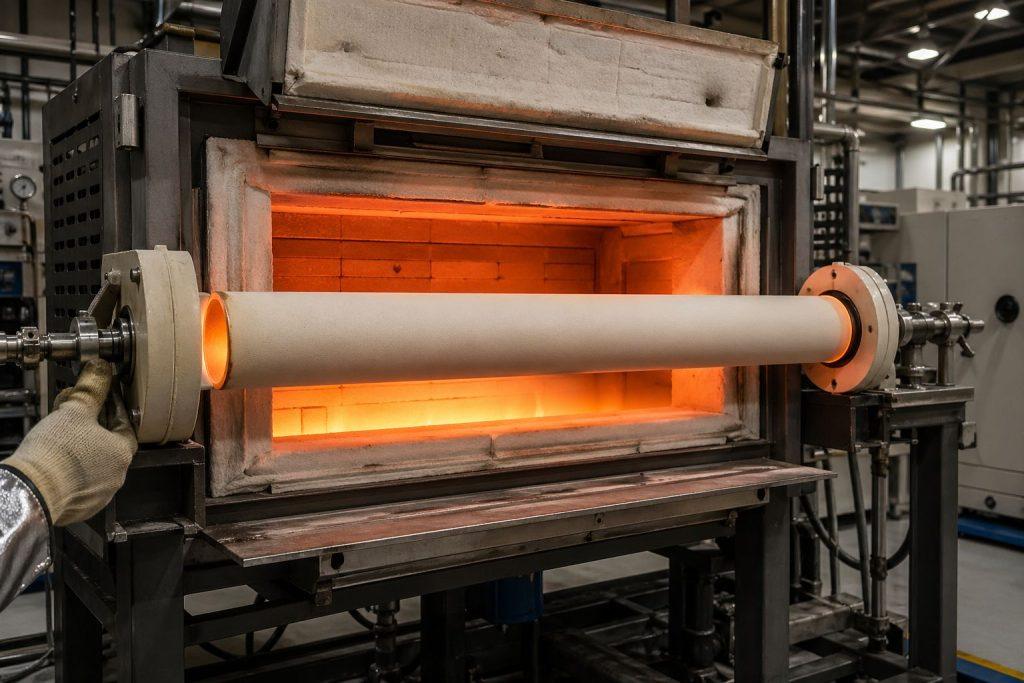
Alumina tubes for reactors experience high thermal gradients that generate tensile stresses, leading to circumferential cracks and premature failure in
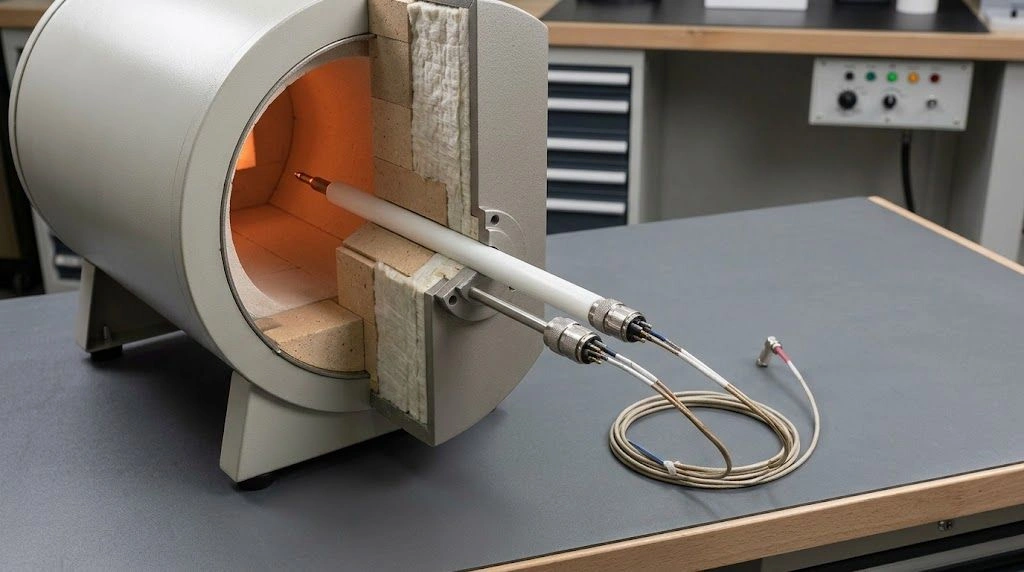
alumina furnace tube reliability depends on thermal management, chemical resistance, and mechanical precision in design and operation. When these parameters
Need help selecting the right ceramic for your application?
Send your drawing, material requirement, dimensions, quantity, and working conditions — our engineering team reviews manufacturability before quotation.