
Material Reliability Across Food Processing

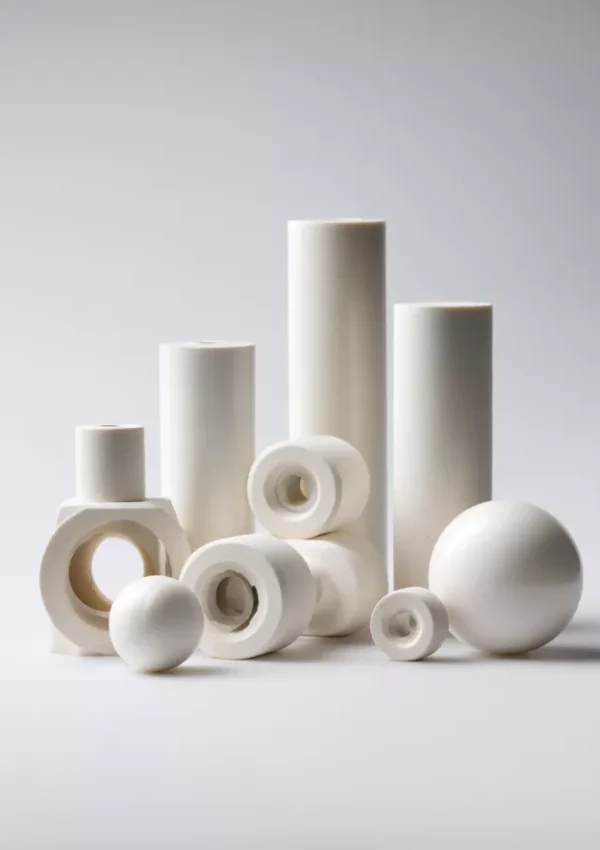
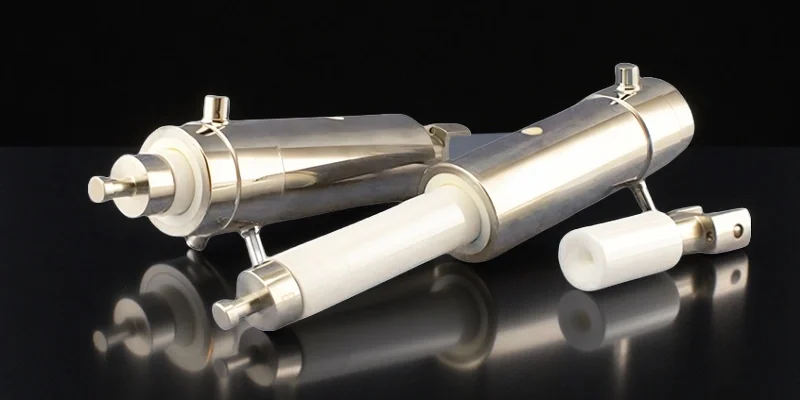
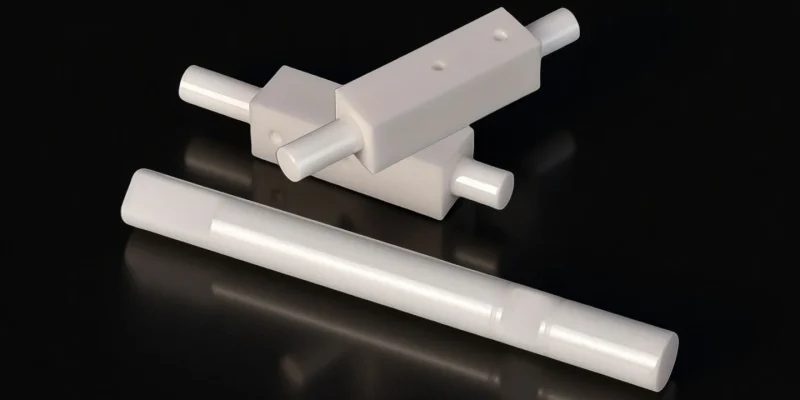
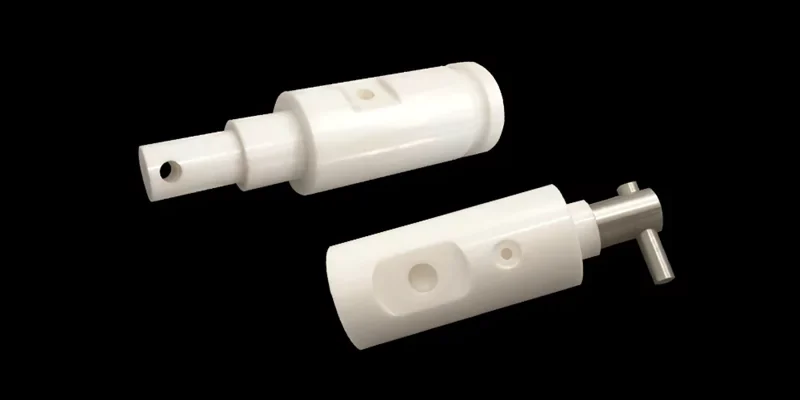
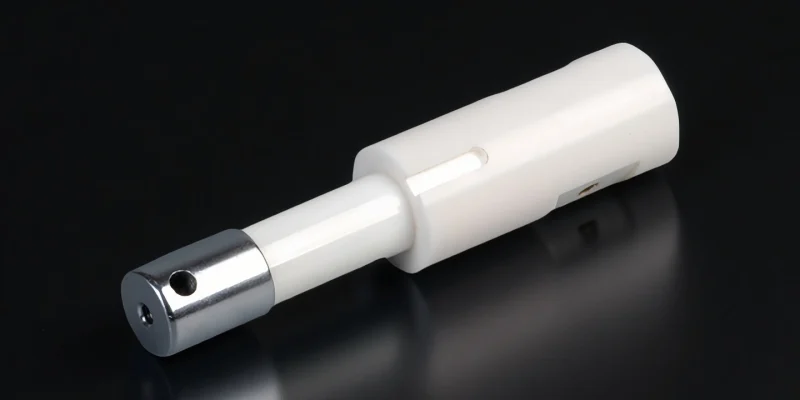
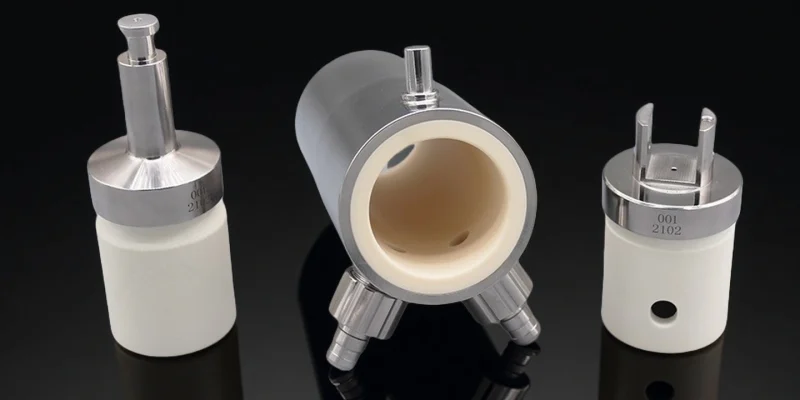
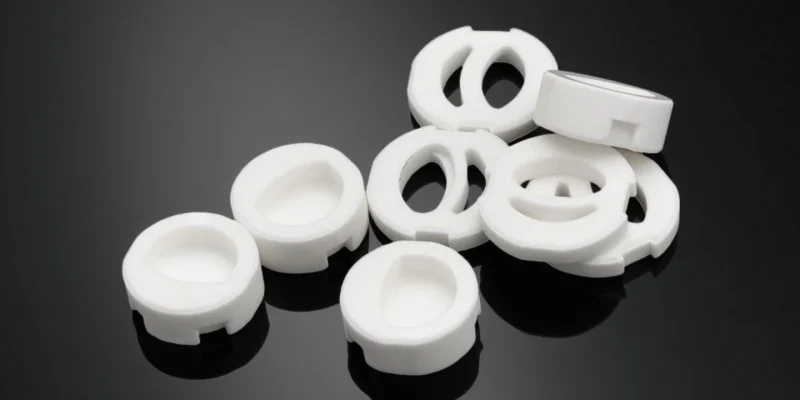
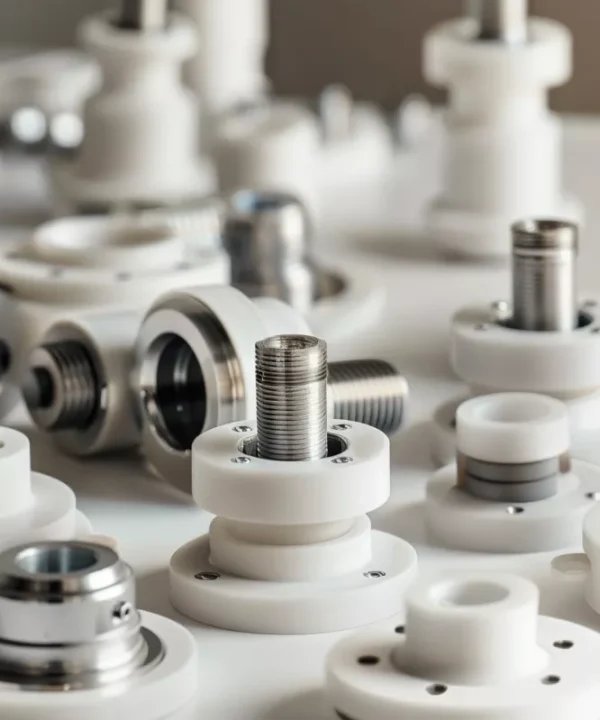
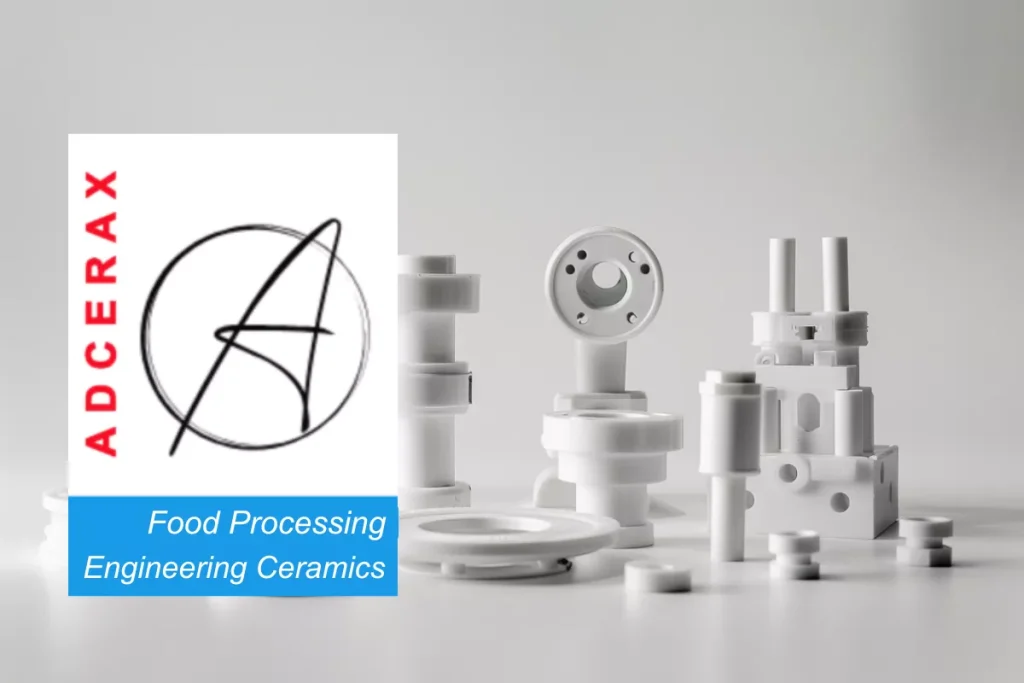
Food Processing Engineering Ceramics refer to industrial ceramics applied as functional components within hygienic, thermal, and mechanically demanding food operations rather than as structural equipment shells.

In food plants, these food processing ceramic components are selected where metals or polymers struggle with wear, corrosion, or repeated CIP exposure under production conditions.
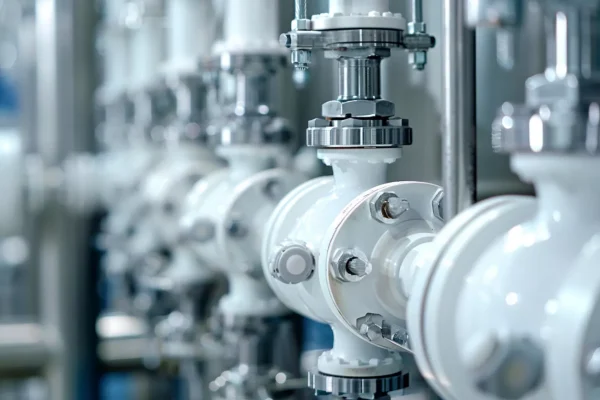
Moreover, ceramics for food processing equipment provide stable performance in filtration, pumping, valve control, heat exchange, grinding, and cutting, where dimensional stability and surface cleanliness directly affect yield and safety.

As a result, technical ceramics for food industry are increasingly used as critical contact and wear parts in modern food and beverage processing lines.

Thermal stability:

Withstands continuous heat and thermal cycling safely

Chemical inertness:

Resists CIP acids alkalis and oxidizing agents

Electrical insulation:

Prevents stray currents and electrochemical effects

Mechanical durability:

Maintains precision under abrasion and pressure

Material Reliability Across Food Processing

Physicochemical Performance of ADCERAX® Food-Grade Ceramics

Material selection in Food Processing Engineering Ceramics is guided by measurable thermal, electrical, chemical, and mechanical limits that directly affect hygiene, reliability, and service life in food operations.

Thermal Properties

MaterialMaximum Continuous Service TemperatureThermal ConductivityCoefficient of Thermal ExpansionTest Conditions
Alumina (Al₂O₃ ≥99%)1,600 °C25–30 W/m·K7.5–8.5 × 10⁻⁶ /KAir atmosphere, steady state
Zirconia (Y-TZP)1,000 °C2.0–2.5 W/m·K10–11 × 10⁻⁶ /KAir atmosphere, steady state
Silicon Carbide (SiC)1,650 °C120–160 W/m·K4.0–4.5 × 10⁻⁶ /KAir atmosphere, steady state

Electrical Properties

MaterialVolume ResistivityDielectric StrengthRelative PermittivityTest Conditions
Alumina (Al₂O₃ ≥99%)≥10¹⁴ Ω·cm12–15 kV/mm9.5–1025 °C, dry
Zirconia (Y-TZP)≥10¹² Ω·cm8–10 kV/mm25–3025 °C, dry
Silicon Carbide (SiC)10³–10⁵ Ω·cm2–3 kV/mm9–1025 °C, dry

Chemical Stability

MaterialpH Resistance RangeAcid ResistanceAlkali ResistanceTest Conditions
Alumina (Al₂O₃ ≥99%)pH 1–13Stable in HNO₃, H₂SO₄Stable up to NaOH 10%80 °C immersion
Zirconia (Y-TZP)pH 1–14Stable in most organic acidsStable up to NaOH 10%80 °C immersion
Silicon Carbide (SiC)pH 0–14Stable in strong acidsStable in strong alkalis90 °C immersion

Mechanical Properties

MaterialFlexural StrengthCompressive StrengthHardnessTest Conditions
Alumina (Al₂O₃ ≥99%)300–400 MPa≥2,000 MPa15–17 GPa3-point bending, RT
Zirconia (Y-TZP)900–1,200 MPa≥2,500 MPa12–13 GPa3-point bending, RT
Silicon Carbide (SiC)350–450 MPa≥3,000 MPa22–25 GPa3-point bending, RT

ADCERAX® Food Processing Engineering Ceramics Applications

Food processing operations rely on Food Processing Engineering Ceramics where hygiene, durability, and process stability must be maintained across continuous production cycles and repeated cleaning regimes.

Ceramic Membrane Filtration Systems for Food Processing Applications

Filtration and Separation Systems

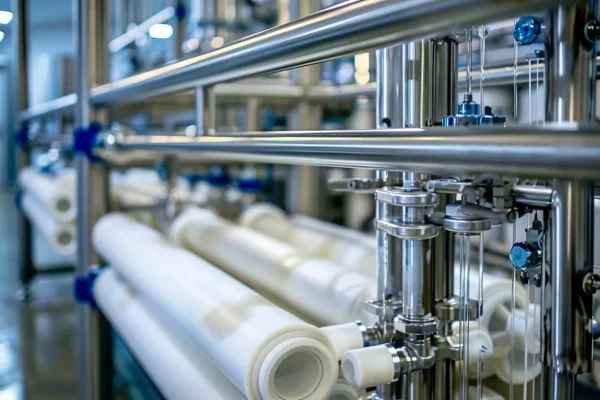
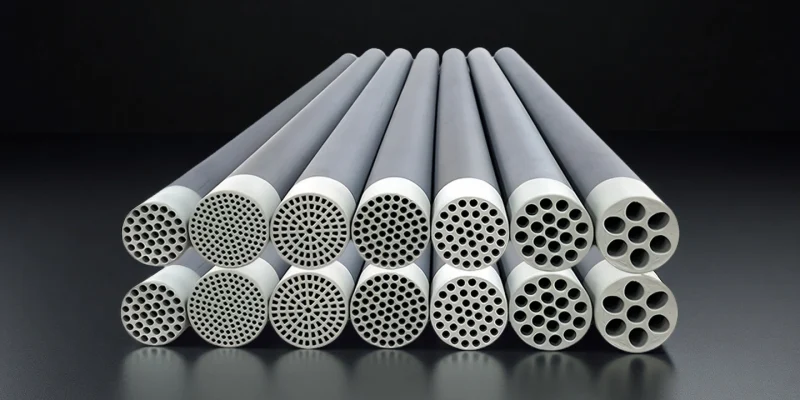
Ceramic filtration plays a central role in liquid clarification, particle removal, and process stabilization across food and beverage production lines.

Product Ranges

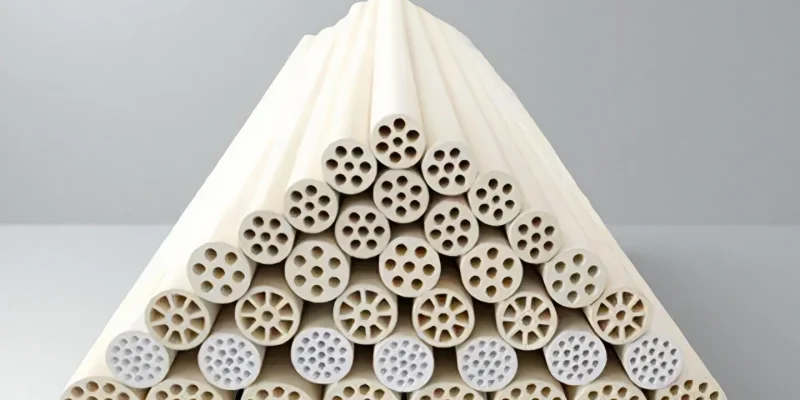
Crossflow filtration for hygienic liquid processing

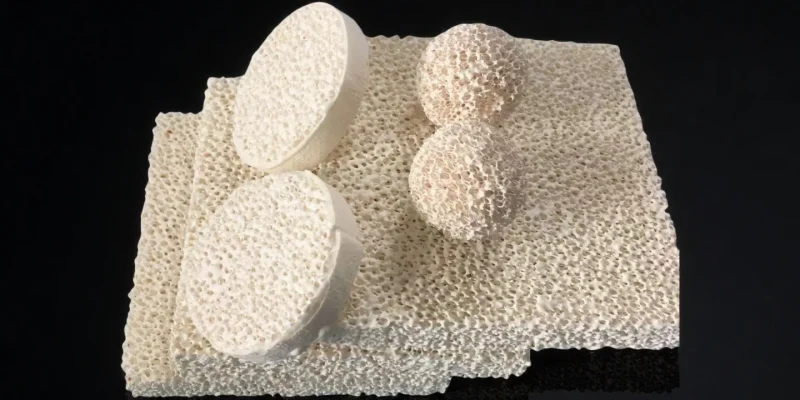
Modular filtration media for compact systems

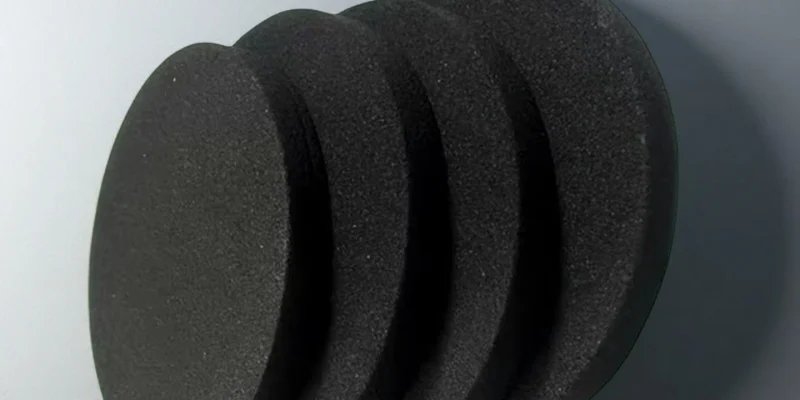
Depth filtration for particulate removal

High-strength membrane for filtration duties

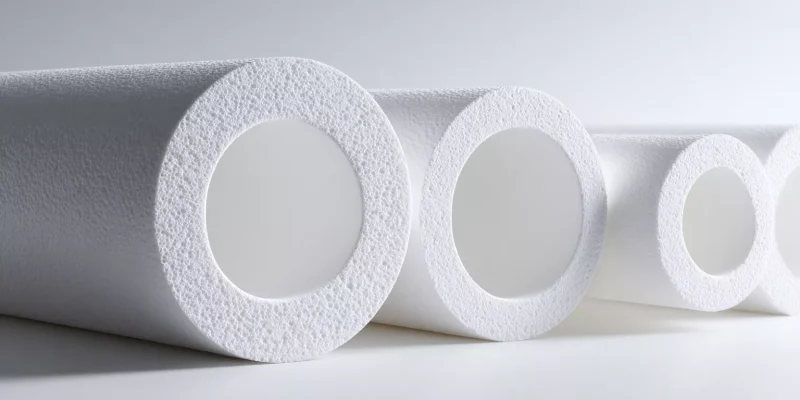
Uniform pore structure for stable liquid separation

High-flux membrane under thermal stress

Robust filtration in corrosive environments

Food Processing Ceramic Pumping and Dosing Systems

Pumping and Metering Units

Ceramic pump components support stable flow control and precise dosing in food processes involving abrasion, viscosity variation, and frequent sanitation.

Product Ranges

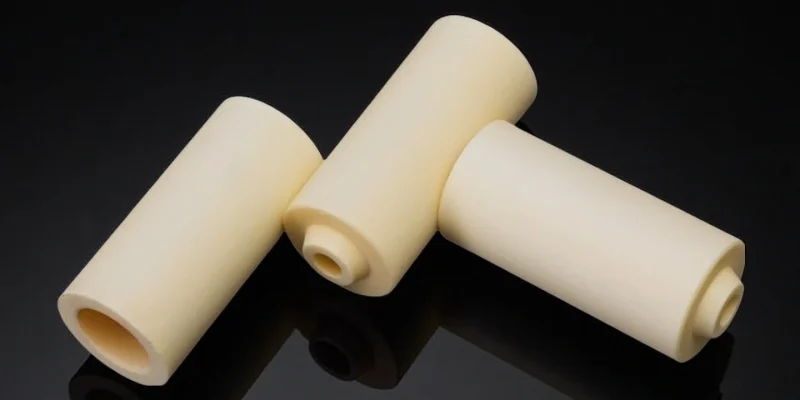
Wear-resistant plunger as pump components

Hygienic pump for controlled liquid filling

Accurate dosing pump for food ingredients

High-toughness plunger for dynamic loads

Durable pump for abrasive food media

High-pressure pumping for viscous products

Precision flow control for ingredient dosing

Clean filling pump for aseptic operations

Repeatable micro-dosing in food processing

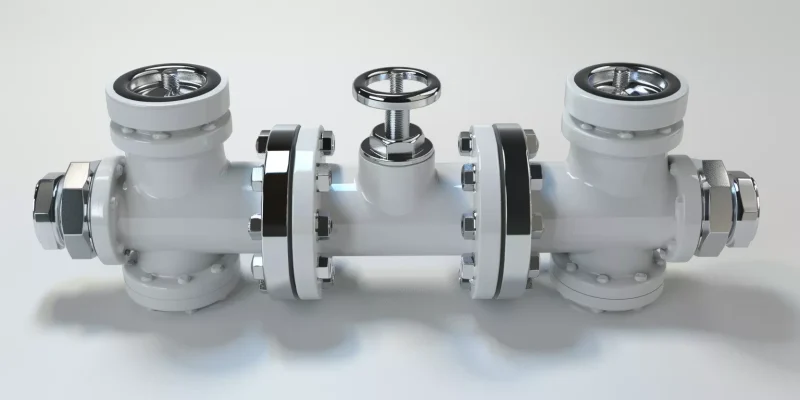
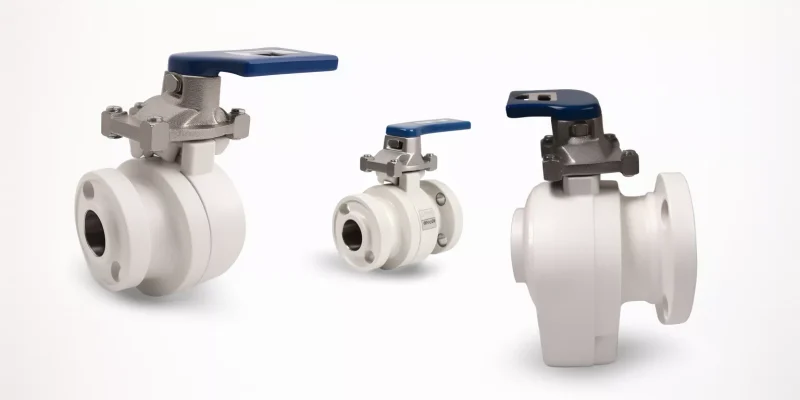
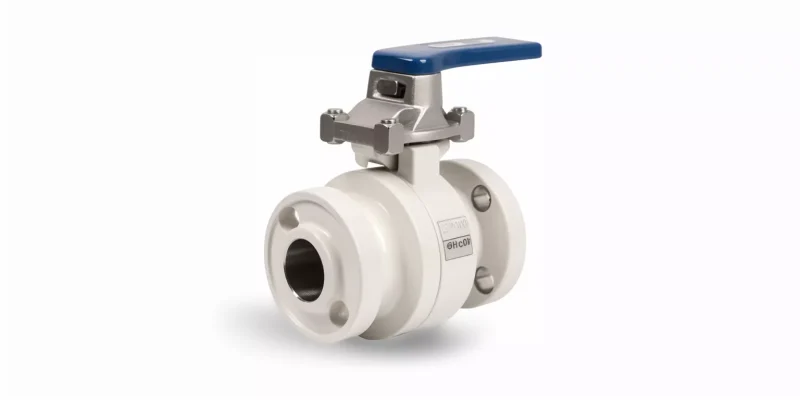
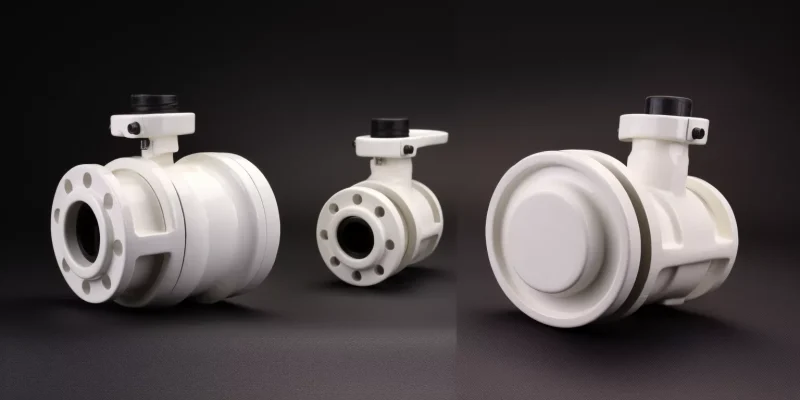
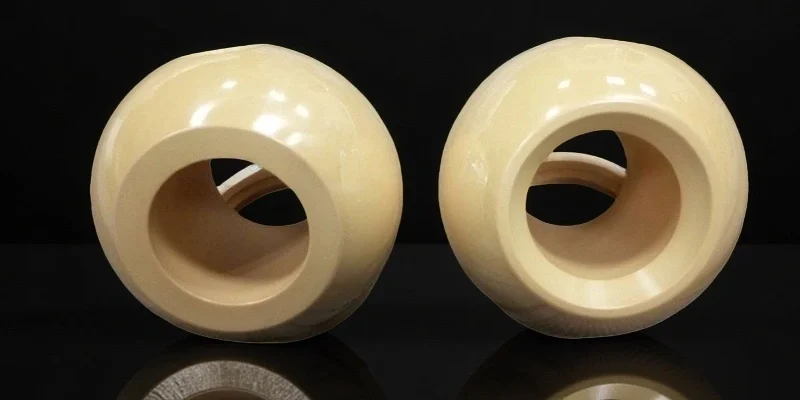
Hygienic Ceramic Valve Systems in Food Processing Equipment

Valve and Flow Control Assemblies

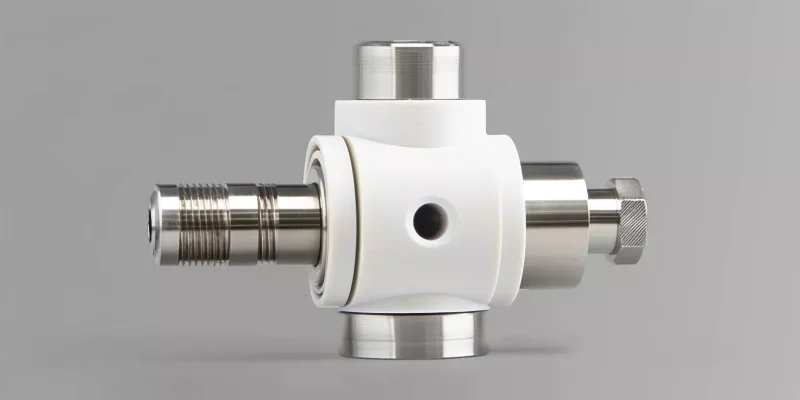
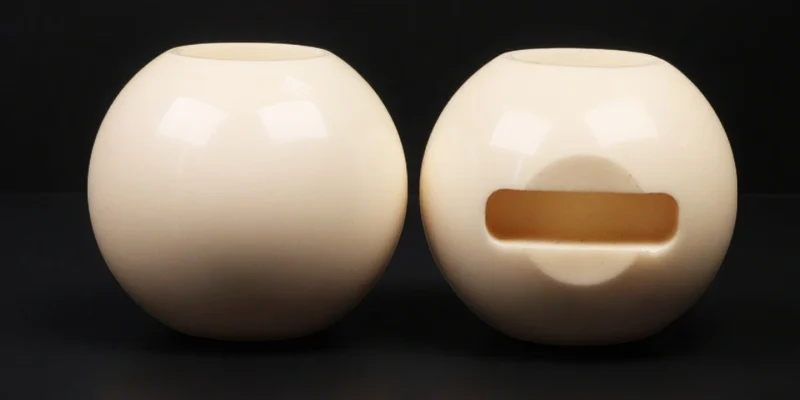
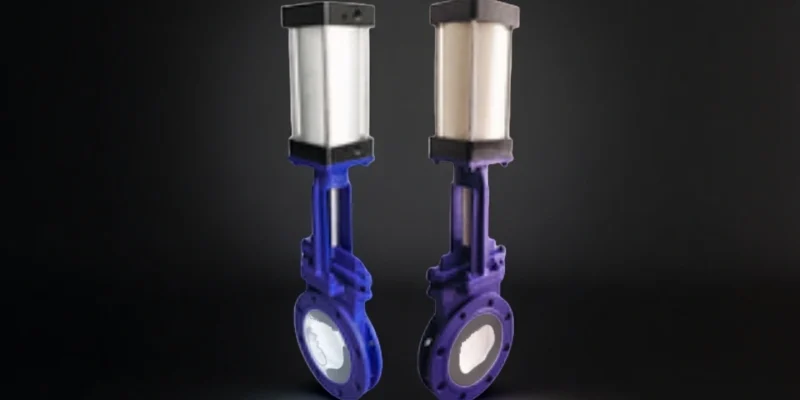
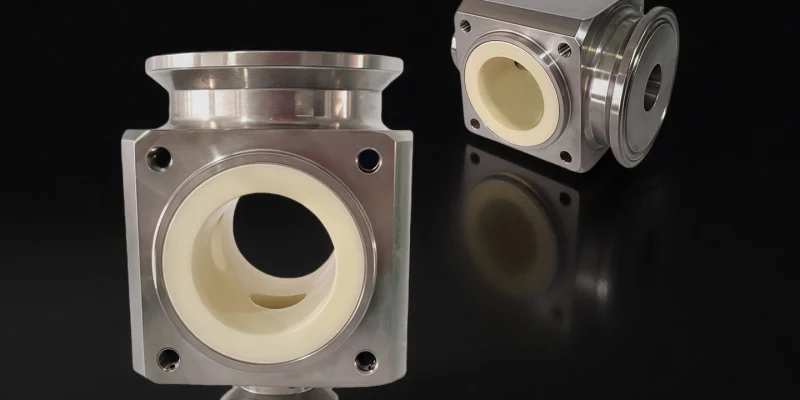
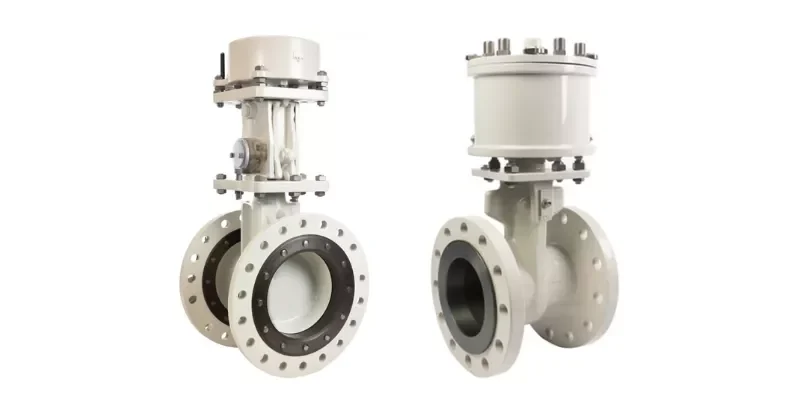
Ceramic valve components are applied where hygienic flow regulation, repeatable sealing, and resistance to aggressive cleaning cycles are required in food processing lines.

Product Ranges

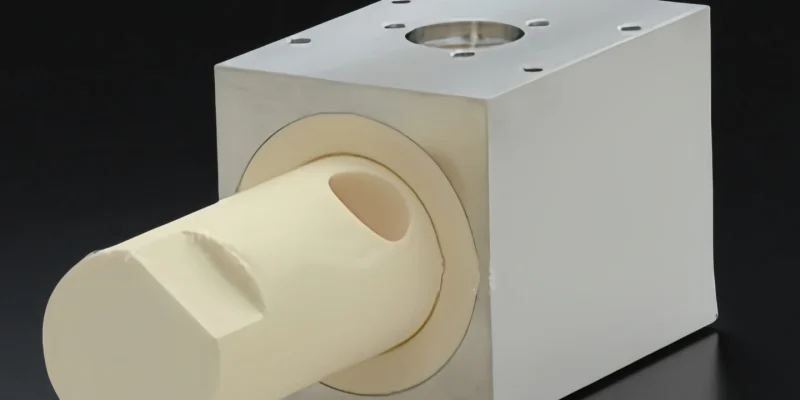
Stable sealing surface for hygienic valve assemblies

Corrosion-resistant valve for food fluid control

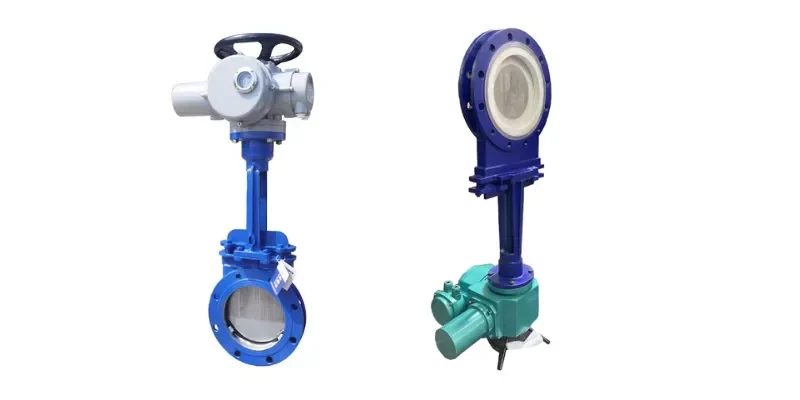
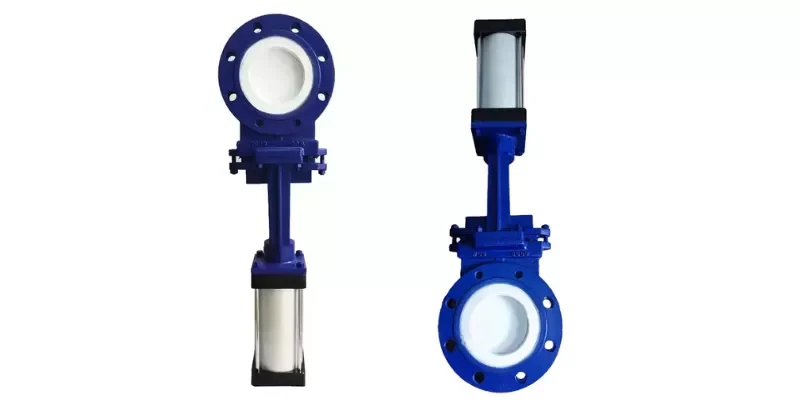
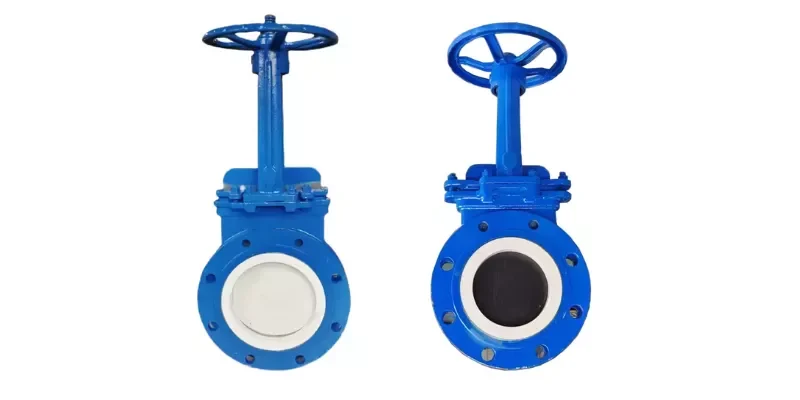
Wear-resistant gate valve for process isolation

Precise flow control in hygienic filling lines

High-toughness plunger for dynamic loads

Fast-response valve for production line automation

Reliable hand-operated valve for food systems

Balanced sealing under high differential pressure

Stable shutoff for abrasive food media

Accurate flow modulation for dosing applications

Optimized flow profile for viscous liquids

Full-bore design for minimal pressure loss

High-temperature stability for demanding processes

Durable sealing element for extended service life

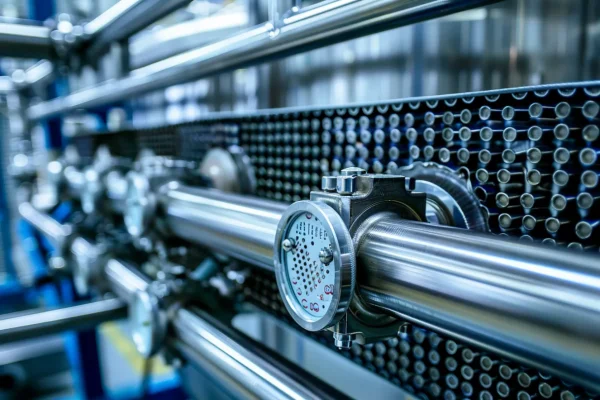
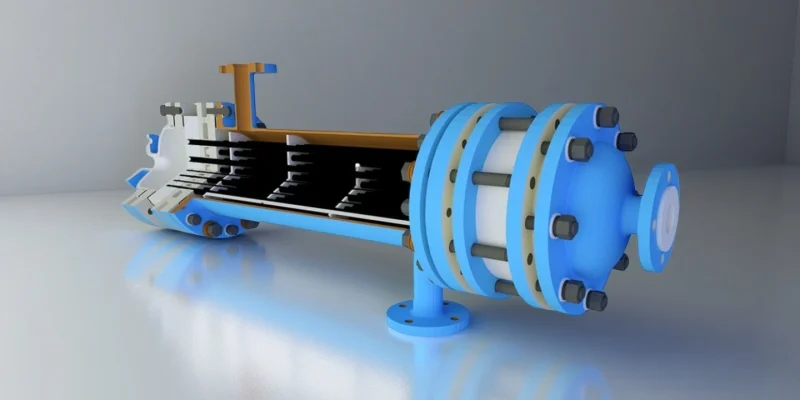
Ceramic Heat Exchange Solutions in Food Processing Facilities

Heat Exchange and Thermal Control

Ceramic heat exchange components manage thermal transfer in food processes where corrosion, fouling, and temperature cycling limit metallic solutions.

Product Ranges

Tubular heat transfer for corrosive fluids

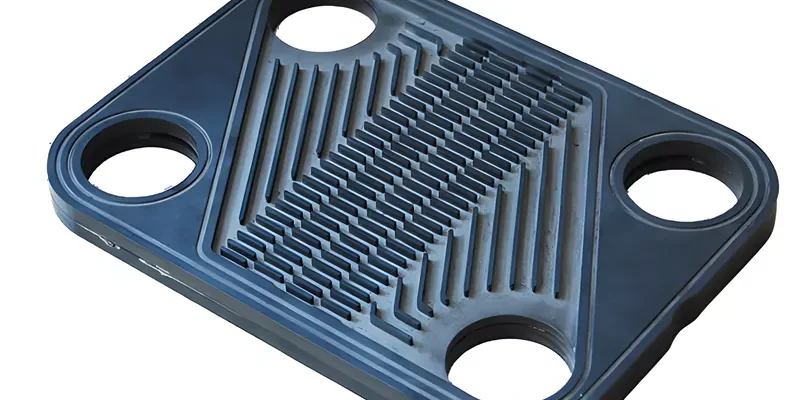
Compact plate-based thermal exchange units

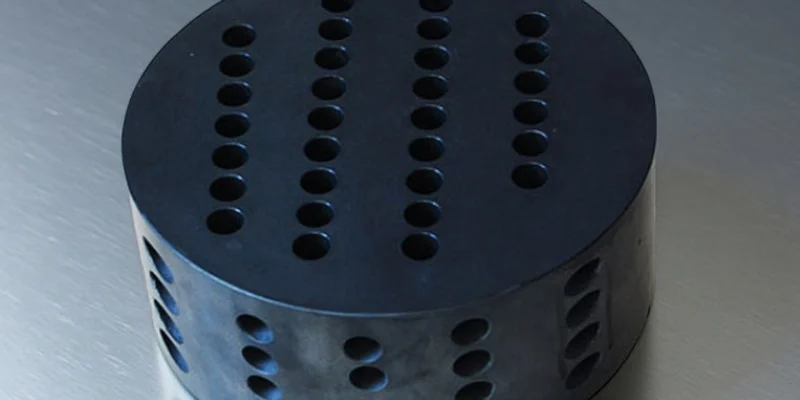
Block-type exchanger for CIP-compatible systems

Ceramic Grinding and Mixing Equipment for Food Processing

Grinding, Mixing and Cutting Operations

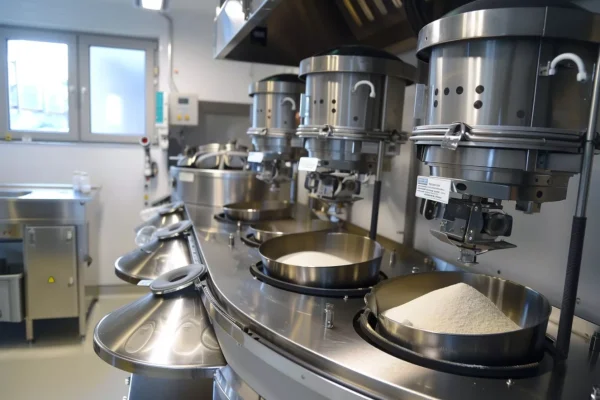
Ceramic grinding and cutting components enable precise size reduction and material handling while limiting wear debris and contamination.

Product Ranges

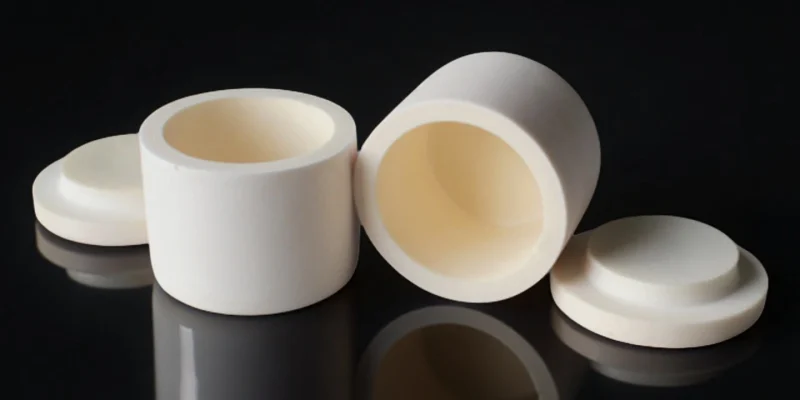
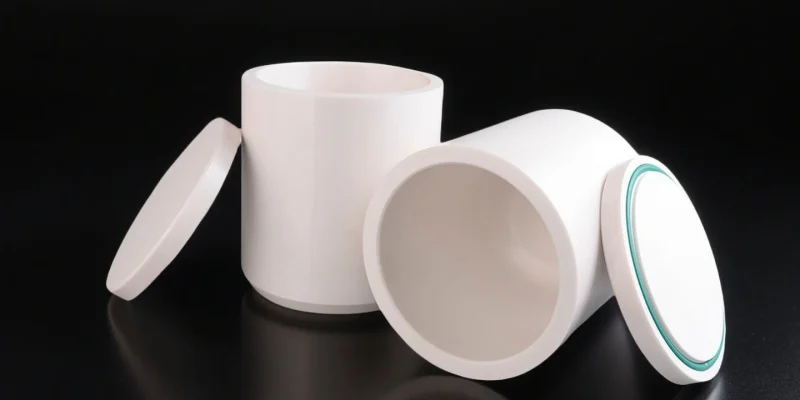
Durable jar for food additive milling

Low-contamination jar for fine grinding

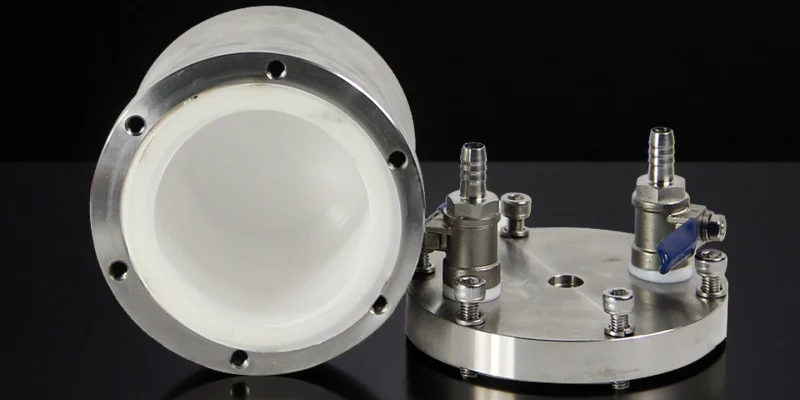
Controlled atmosphere for sensitive materials

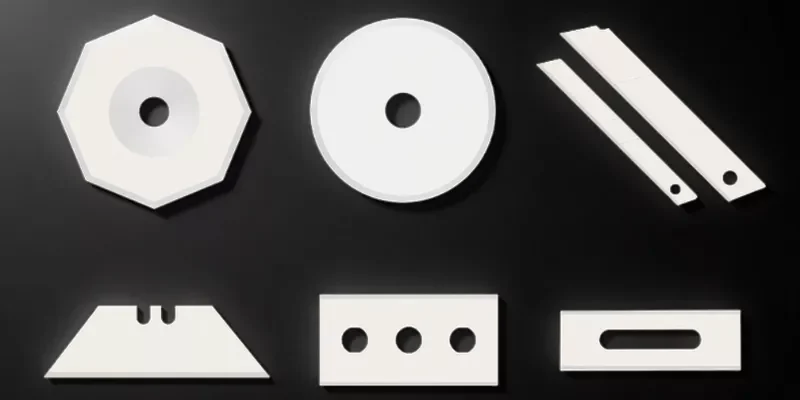
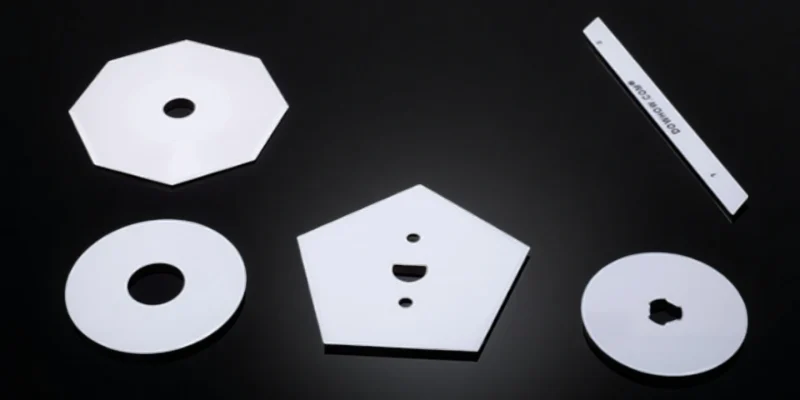
Wear-resistant blade for hygienic cutting

High-toughness blades for precision food cutting

Food Processing Engineering Ceramics for Critical Process Zones

Food Processing Engineering Ceramics are applied in zones exposed to abrasion, corrosion, and repeated sanitation cycles.
These ceramic solutions maintain structural stability and surface integrity across demanding food processing operations.

ADCERAX® Ceramic Categories for Hygienic Food Processing Systems

These categories organize food processing ceramics by material behavior, helping engineers quickly match performance characteristics with specific process units and hygiene requirements.

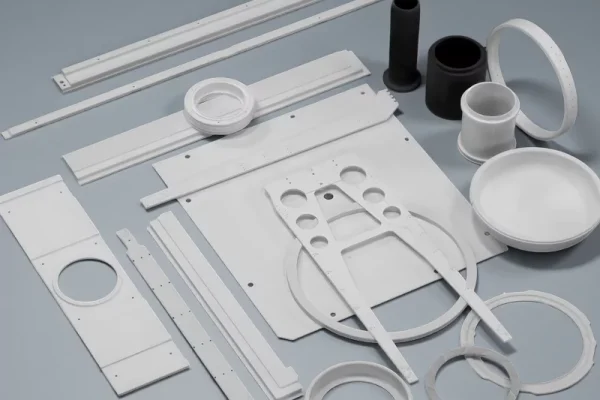
alumina ceramic parts 99.7% purity

Alumina Ceramics

Alumina-based components serve as stable, cost-effective solutions for wear, filtration, cutting, and pumping tasks in food operations.

- Consistent wear resistance in abrasive media
- Stable surfaces under frequent CIP cycles
- Suitable for high-volume standardized components
View Alumina Range
Industrial-Grade Zirconia Ceramics for Precision Applications

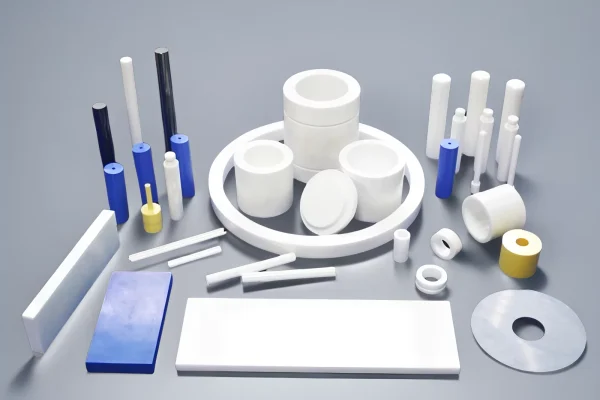
Zirconia Ceramics

Zirconia ceramics are applied where higher toughness, impact resistance, and precision control are required in hygienic environments.

- Enhanced fracture toughness for dynamic loads
- Smooth surfaces for hygienic sealing interfaces
- Extended service life in precision components
Explore Zirconia Options
Silicon Carbide SiC Ceramic Built for High-Temperature Environment

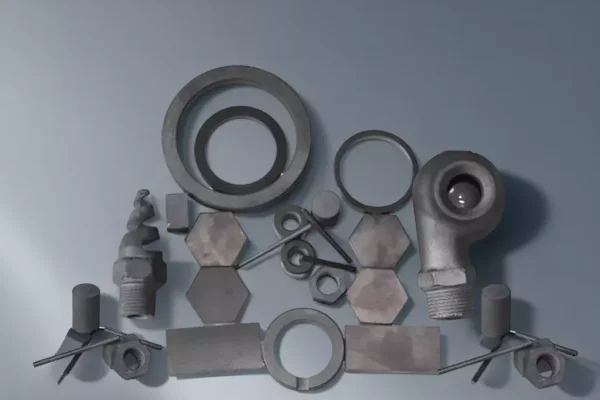
Silicon Carbide Ceramics

Silicon carbide ceramics address extreme thermal and chemical demands within heat exchange and filtration systems.

- Exceptional corrosion resistance in aggressive fluids
- High thermal conductivity for efficient heat transfer
- Structural stability under pressure and temperature
Browse SiC Solutions

Integrated Manufacturing Services for Food Processing Ceramics

Integrated Manufacturing Services for Food Processing Ceramics

ADCERAX® provides a unified manufacturing workflow covering material shaping, precision machining, and functional finishing for ceramic components used in food processing equipment.

As a ceramic parts manufacturer for food industry, ADCERAX® focuses on machining accuracy, material control, and process reproducibility rather than generic outsourcing steps.

Material Forming:

dry pressing or extrusion forming up to ±0.5% dimensional repeatability

Green Machining:

CNC shaping on unfired bodies reducing post-sinter tolerance loss

High-Temperature Sintering:

controlled firing up to 1,650 °C for alumina and SiC

Precision Grinding:

final tolerances down to ±0.01 mm on functional surfaces

Surface Finishing:

Ra 0.4–0.8 µm achievable for hygienic contact areas

Assembly Fitting:

ceramic-to-metal or ceramic-to-ceramic fit verification on request

ADCERAX® Precision Ceramic Processing Capabilities for Food Industry Applications

High-Temperature Sintering Control

Controlled sintering defines final density, grain structure, and chemical stability for food-grade ceramics.

Kiln Control Systems:

temperature uniformity within ±5 °C across load

Peak Firing Capability:

sustained sintering up to 1,650 °C

Microstructure Development:

bulk density exceeding 99.5% theoretical

CNC Grinding and Finishing

Post-sinter grinding ensures functional tolerances and hygienic surface performance in critical contact areas.

CNC Grinding Centers:

dimensional tolerances down to ±0.01 mm

Surface Roughness Control:

Ra 0.4–0.8 µm on sealing faces

Profile Accuracy:

roundness and flatness below 0.005 mm

Green Body Machining

Green machining enables complex geometries while minimizing stress and material loss after firing.

Unfired CNC Shaping:

machining efficiency improved by over 30%

Dimensional Pre-Control:

shrinkage deviation limited within ±0.3%

Complex Geometry Capability:

internal channels and thin walls achievable

Custom Ceramic Solutions for Food Processing Equipment

ADCERAX® addresses common food processing pain points such as rapid wear, CIP-related corrosion, and non-standard interfaces by delivering custom ceramic components for food processing matched to real operating conditions.

As an experienced ceramic parts manufacturer, ADCERAX® translates drawings or samples into reliable ceramic solutions that reduce replacement frequency and process risk.

ADCERAX® Technical FAQs for Food Processing Engineering Ceramics

Food Processing Engineering Ceramics outperform stainless steel in abrasion, corrosion, and chemical stability under repeated CIP cycles.
Ceramic surfaces do not suffer from pitting or ion leaching when exposed to alkaline or acidic cleaning agents.
This stability reduces contamination risk and extends service life in filtration, pumping, and valve systems.

Food Processing Engineering Ceramics maintain structural integrity across wide pH ranges and elevated cleaning temperatures.
Unlike metals, ceramic materials do not form corrosion products after repeated CIP exposure.
This property allows predictable cleaning cycles without progressive material degradation.

High hardness and microstructural stability give Food Processing Engineering Ceramics superior resistance to abrasive particles.
Wear rates remain low even in slurry transport, dosing pumps, and valve sealing surfaces.
This reduces dimensional drift that commonly causes leakage or metering inaccuracies.

Ceramic membranes used in Food Processing Engineering Ceramics retain pore geometry under thermal and chemical stress.
Unlike polymer membranes, pore collapse and swelling are minimized.
This ensures consistent flux and separation efficiency across long operating cycles.

Food Processing Engineering Ceramics combine hardness with smooth surface finishes.
This reduces particle embedding and abrasive scoring common in metal components.
As a result, flow stability and sealing performance are preserved under challenging media conditions.

Food Processing Engineering Ceramics remain stable in oxidizing, acidic, and alkaline environments.
Material properties do not degrade under standard CIP formulations.
This ensures long-term compatibility with modern sanitation protocols.

Yes, Food Processing Engineering Ceramics provide smooth, non-reactive sealing surfaces.
This limits residue adhesion and microbial retention at valve interfaces.
The result is improved hygienic reliability compared to metallic sealing materials.

Silicon carbide components within Food Processing Engineering Ceramics offer high thermal conductivity with corrosion resistance.
Heat transfer efficiency remains stable even under aggressive cleaning conditions.
This prevents efficiency loss caused by scaling or chemical attack on metal exchangers.

Food Processing Engineering Ceramics exhibit high hardness with low wear debris generation.
This prevents metal contamination during grinding or dispersion of food ingredients.
Particle size consistency is easier to maintain across batches.

Many Food Processing Engineering Ceramics tolerate rapid temperature changes without cracking.
Controlled microstructures reduce thermal stress accumulation.
This is critical in systems combining hot processing and cold CIP rinsing.

Get in touch with us

We believe that Adcerax will become your best partner!
Please fill in your contact information in the form or call us.

Food Processing Engineering Ceramics - Get Catalogue

*Our team will answer your inquiries within 24 hours.

*Your information will be kept strictly confidential.


Quick Quote

The more details you provide, the faster we can quote.

*We respond within 24 hours. All inquiries are confidential.

Get Your Custom Sulution

The more details you provide, the faster we can respond.

customize size

*We respond within 24 hours. All inquiries are confidential.

Download Catalog

Download Catalog
