
Industrial Ceramics in Petrochemical Applications
In petrochemical operations, industrial ceramics refer to engineered ceramic parts used where heat, pressure, and aggressive media exceed the limits of metals and polymers.
These components are commonly applied as liners, seals, tubes, bearings, and structural interfaces that must remain stable during long production cycles.
In contrast to metallic alloys, ceramic materials do not rely on surface coatings to resist attack, which reduces uncertainty in corrosive service.
As a result, ceramic components for petrochemical industry are selected to ensure predictable performance in critical process equipment.
maintains shape under sustained high temperatures
prevents current leakage in harsh environments
resists acids, alkalis, and reactive media
withstands wear, load, and cyclic stress
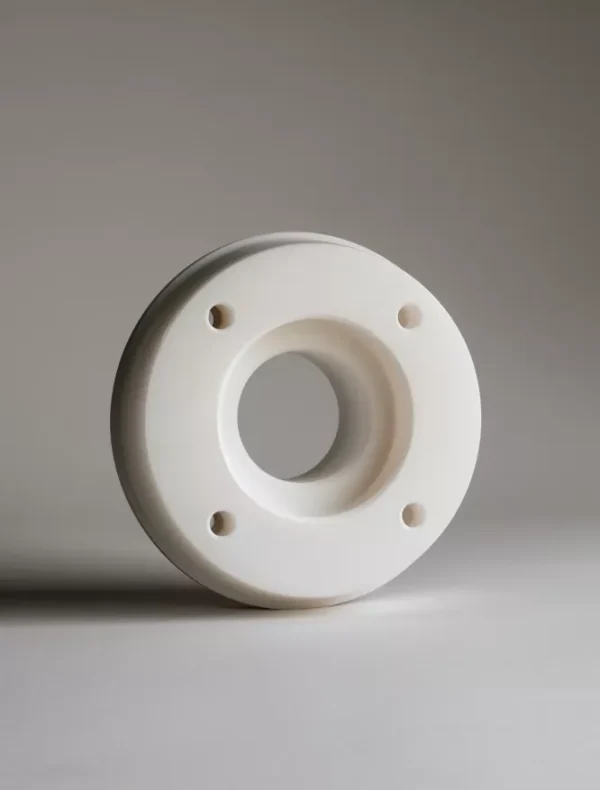
Key Properties of ADCERAX Petrochemical Ceramics
This section translates how petrochemical ceramics behave under heat, electricity, chemistry, and mechanical load into measurable properties that guide material selection in real operating environments.
Thermal Properties of Petrochemical Ceramics
| Material | Max Continuous Temperature (°C) | Thermal Conductivity (W/m·K) | CTE (×10⁻⁶ /K, 25–800 °C) | Test Conditions |
|---|---|---|---|---|
| Alumina (99%) | 1600 | 25–30 | 8.0 | Air, static |
| ZTA | 1550 | 18–22 | 8.5 | Air, static |
| Zirconia (Y-TZP) | 1400 | 2.5–3.0 | 10.5 | Air, static |
| Silicon Carbide (SSiC) | 1650 | 120–150 | 4.2 | Inert, static |
| Boron Nitride (h-BN) | 900 | 30–60 (anisotropic) | 1.0–2.0 | Inert, static |
| Silicon Nitride | 1400 | 20–30 | 3.2 | Air, static |
| Aluminum Nitride | 1000 | 140–180 | 4.5 | Air, static |
| Magnesia (MgO) | 1700 | 40–60 | 13.0 | Air, static |
| Boron Carbide | 1600 | 30–40 | 5.6 | Inert, static |
| Transparent Ceramics (Sapphire) | 1700 | 30–35 | 7.5 | Air, static |
| Beryllium Oxide | 1000 | 250–300 | 7.0 | Air, static |
| Glass-Ceramics | 800 | 1.5–2.5 | 0–2.0 | Air, static |
Electrical Properties of Petrochemical Ceramics
| Material | Volume Resistivity (Ω·cm) | Dielectric Strength (kV/mm) | Dielectric Constant (1 MHz) | Test Conditions |
|---|---|---|---|---|
| Alumina (99%) | 10¹⁴ | 12–15 | 9.5 | 25 °C, dry |
| ZTA | 10¹³ | 10–12 | 10.0 | 25 °C, dry |
| Zirconia (Y-TZP) | 10⁸–10⁹ | 8–10 | 25–30 | 25 °C, dry |
| Silicon Carbide (SSiC) | 10³–10⁵ | 3–5 | 9–10 | 25 °C, dry |
| Boron Nitride (h-BN) | 10¹³ | 6–8 | 4.0 | 25 °C, dry |
| Silicon Nitride | 10¹⁴ | 12–15 | 7.5 | 25 °C, dry |
| Aluminum Nitride | 10¹² | 15–18 | 8.5 | 25 °C, dry |
| Magnesia (MgO) | 10¹⁴ | 12–15 | 9.8 | 25 °C, dry |
| Boron Carbide | 10²–10⁴ | 2–4 | 6–7 | 25 °C, dry |
| Transparent Ceramics (Sapphire) | 10¹⁴ | 13–16 | 9.4 | 25 °C, dry |
| Beryllium Oxide | 10¹³ | 10–12 | 6.8 | 25 °C, dry |
| Glass-Ceramics | 10¹⁰–10¹² | 6–10 | 4–6 | 25 °C, dry |
Chemical Properties of Petrochemical Ceramics
| Material | Acid Resistance (pH) | Alkali Resistance (pH) | Oxidation Stability (°C) | Test Conditions |
|---|---|---|---|---|
| Alumina (99%) | 1–14 (except HF) | 1–14 | 1200 | Aqueous |
| ZTA | 1–14 (except HF) | 1–14 | 1200 | Aqueous |
| Zirconia (Y-TZP) | 1–14 | 1–14 | 1000 | Aqueous |
| Silicon Carbide (SSiC) | 1–14 | 1–14 | 1400 | Aqueous |
| Boron Nitride (h-BN) | 2–12 | 2–12 | 900 | Inert |
| Silicon Nitride | 2–12 | 2–12 | 1200 | Aqueous |
| Aluminum Nitride | 4–10 | 4–10 | 800 | Aqueous |
| Magnesia (MgO) | 7–14 | 7–14 | 1500 | Aqueous |
| Boron Carbide | 2–14 | 2–14 | 1200 | Aqueous |
| Transparent Ceramics (Sapphire) | 1–14 | 1–14 | 1400 | Aqueous |
| Beryllium Oxide | 2–12 | 2–12 | 1000 | Aqueous |
| Glass-Ceramics | 3–10 | 3–10 | 700 | Aqueous |
Mechanical Properties of Petrochemical Ceramics
| Material | Flexural Strength (MPa) | Fracture Toughness (MPa·m¹ᐟ²) | Hardness (HV) | Test Conditions |
|---|---|---|---|---|
| Alumina (99%) | 300–350 | 3.5–4.0 | 1500 | 25 °C |
| ZTA | 450–600 | 5.0–6.5 | 1400 | 25 °C |
| Zirconia (Y-TZP) | 800–1000 | 7.0–10.0 | 1250 | 25 °C |
| Silicon Carbide (SSiC) | 380–420 | 3.0–4.0 | 2500 | 25 °C |
| Boron Nitride (h-BN) | 30–60 | 2.0–3.0 | 100 | 25 °C |
| Silicon Nitride | 800–1000 | 6.0–7.5 | 1600 | 25 °C |
| Aluminum Nitride | 300–350 | 2.5–3.5 | 1100 | 25 °C |
| Magnesia (MgO) | 150–200 | 2.0–2.5 | 900 | 25 °C |
| Boron Carbide | 350–400 | 2.5–3.0 | 3000 | 25 °C |
| Transparent Ceramics (Sapphire) | 400–450 | 3.0–4.0 | 2000 | 25 °C |
| Beryllium Oxide | 250–300 | 2.5–3.0 | 1200 | 25 °C |
| Glass-Ceramics | 90–150 | 1.5–2.0 | 600 | 25 °C |
Functional Application Domains of ADCERAX Petrochemical Ceramics
Petrochemical ceramics are deployed across industrial sectors according to dominant process risks such as heat, corrosion, abrasion, and chemical reactivity rather than by individual component forms.
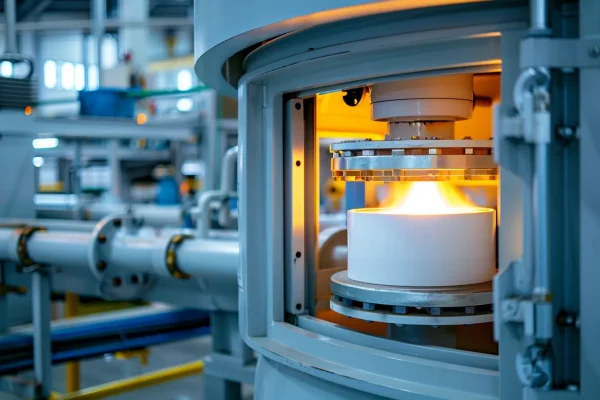
High-Temperature Chemical Processing
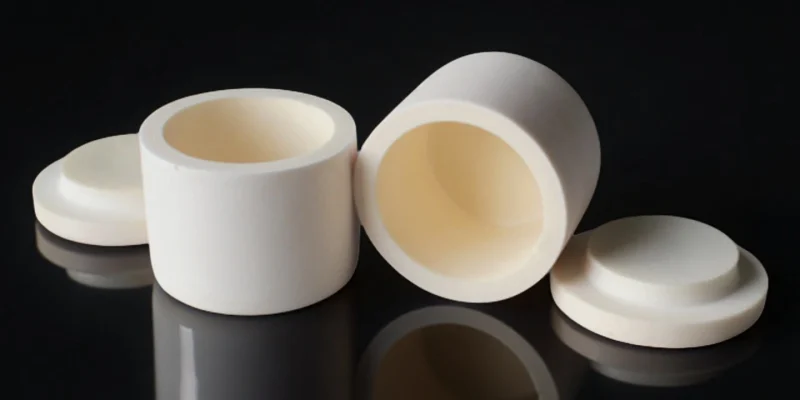
Ceramic materials applied in high-temperature chemical processing maintain structural and chemical stability when prolonged heat exposure and reactive atmospheres exceed metallic limits.
- Alumina, zirconia, and silicon carbide preserve dimensional stability during continuous thermal cycles, ensuring consistent reaction conditions.
- Chemical inertness of alumina- and zirconia-based ceramics prevents process contamination in high-temperature reactions and material handling stages.
- Resistance to thermal shock in silicon carbide and glass-ceramics reduces failure risk during startup and shutdown phases.
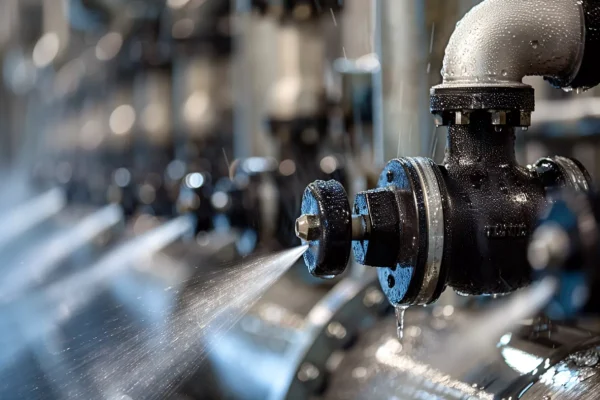
Corrosive Fluid Transport and Control
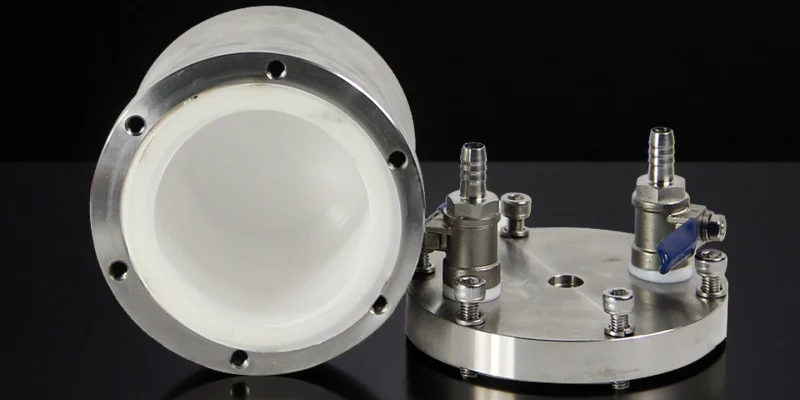
In corrosive fluid transport systems, ceramic materials protect equipment integrity where aggressive chemicals rapidly degrade metals and polymers.
- Alumina, zirconia, and silicon carbide exhibit sustained corrosion resistance across acidic and alkaline process media.
- Stable ceramic geometries support flow consistency under combined pressure and temperature fluctuations.
- Wear-resistant ceramic surfaces extend service intervals in continuous petrochemical circulation systems.
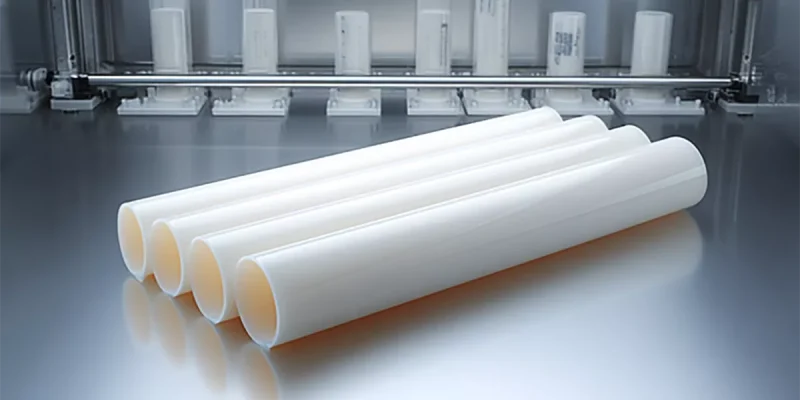
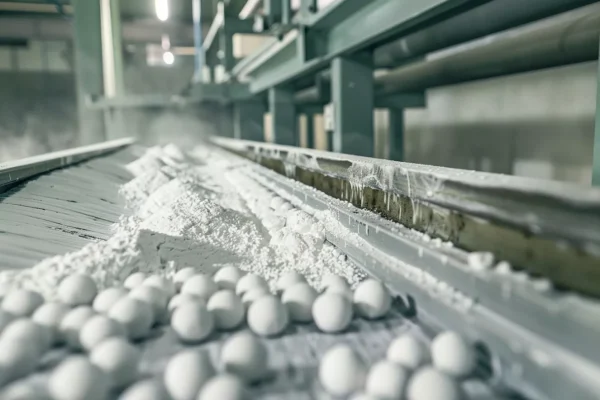
Abrasive Slurry and Powder Handling
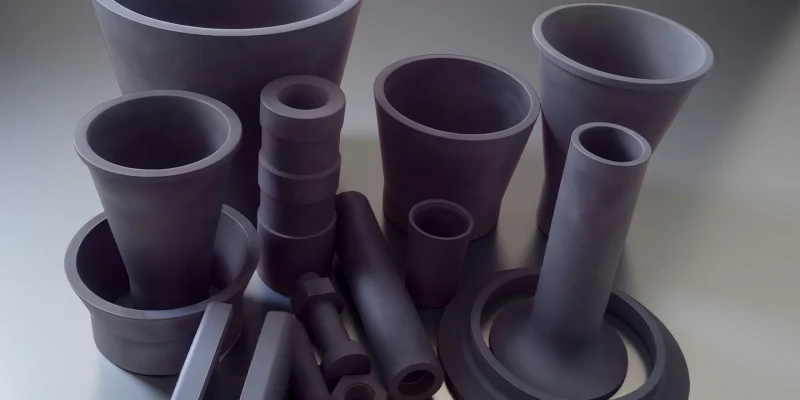
Ceramic materials used in abrasive slurry and powder handling environments resist mechanical degradation caused by particle impact and friction.
- High hardness in alumina, zirconia, and boron carbide minimizes abrasive wear during milling and dispersion processes.
- Stable microstructures in zirconia and silicon carbide support energy efficiency in grinding and mixing operations.
- Predictable wear behavior of ceramic media enables maintenance planning without unexpected shutdown events.
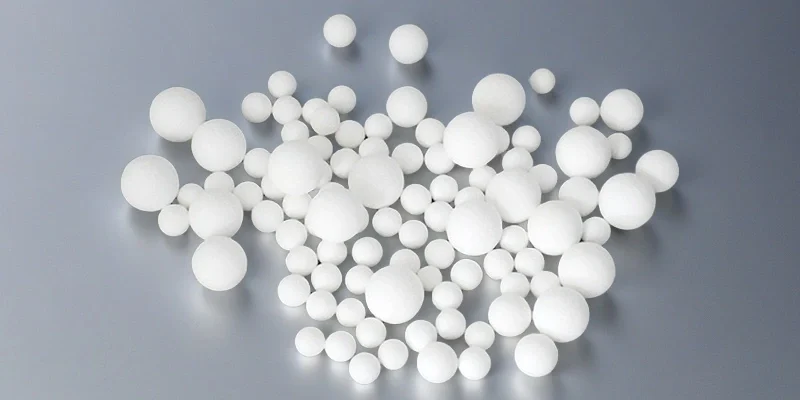
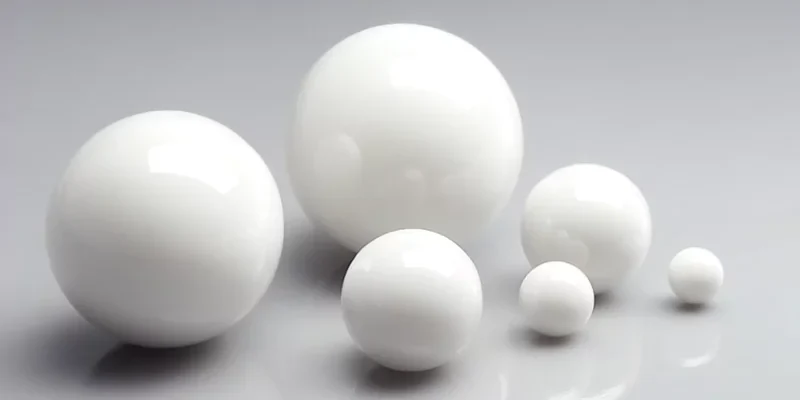
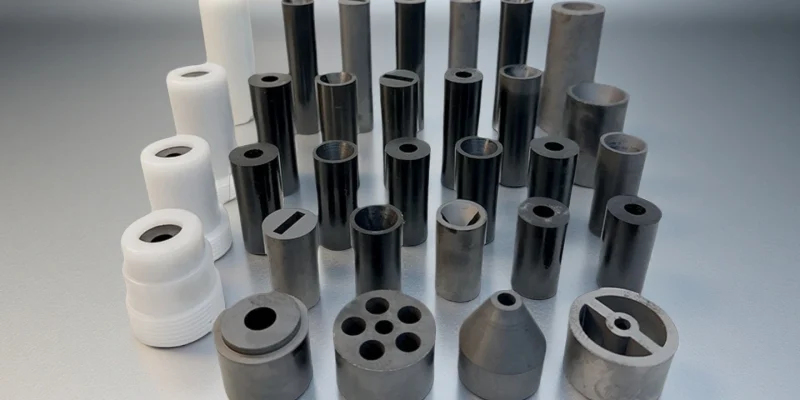


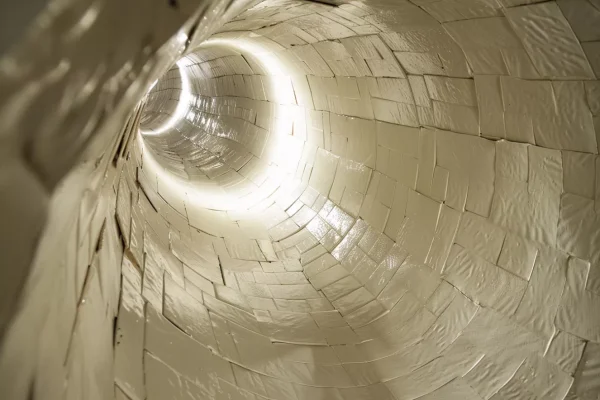
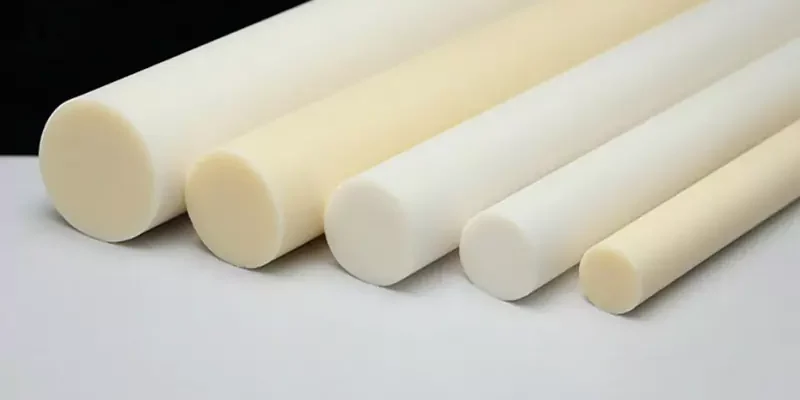
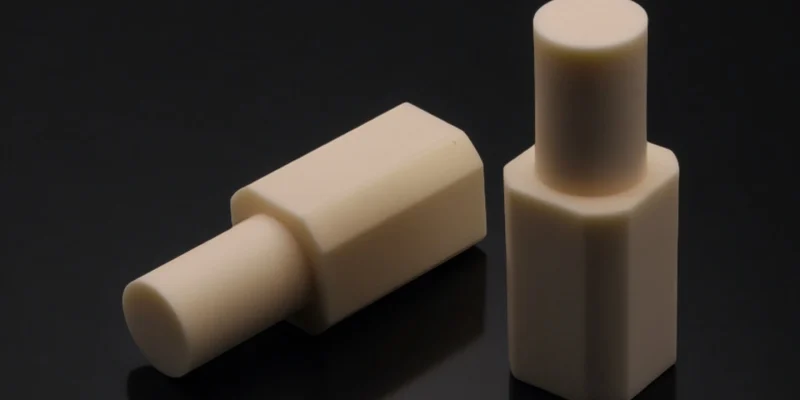
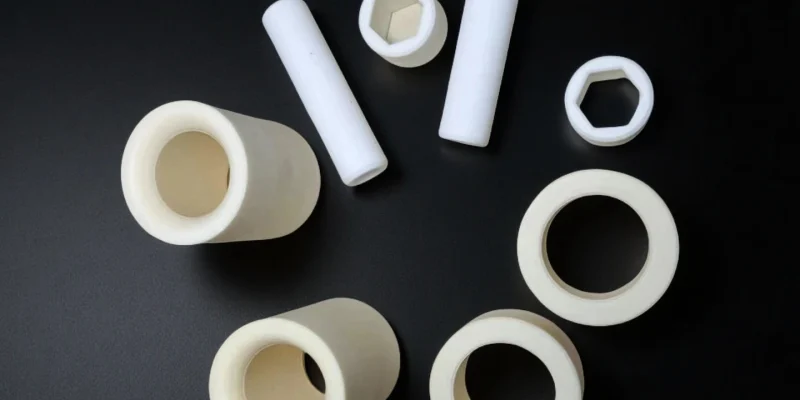
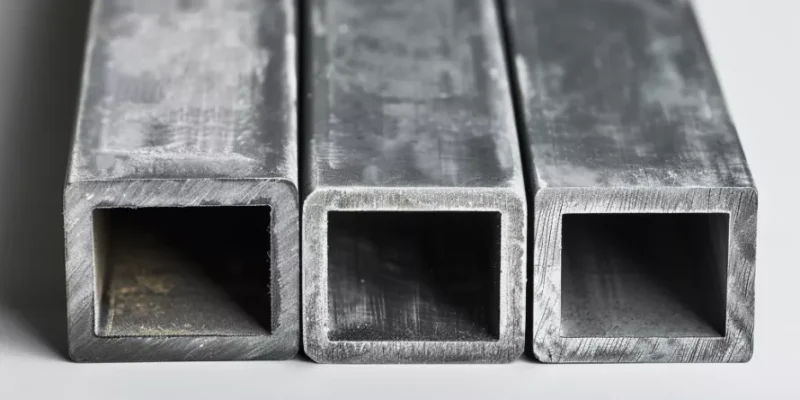
Structural Protection and Equipment Lining
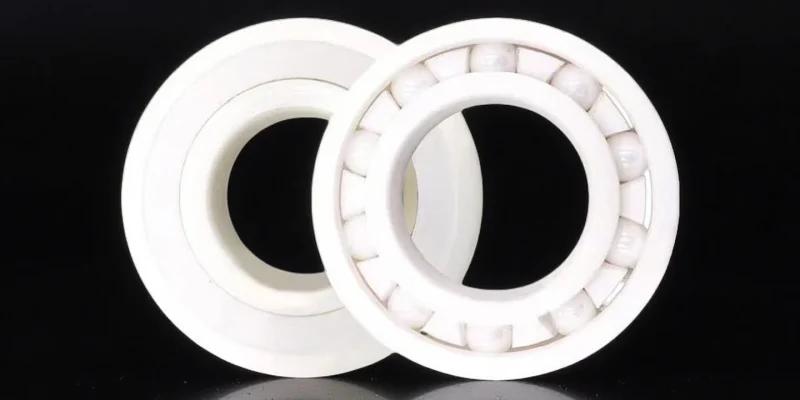
Structural ceramic solutions reinforce petrochemical equipment exposed to combined mechanical load, heat, and chemical attack.
- Alumina, ZTA, and silicon carbide maintain geometric accuracy where metallic liners deform or corrode.
- High elastic modulus of structural ceramics supports load-bearing stability in reactors and furnaces.
- Long-term resistance to creep and deformation improves system reliability under continuous operation.
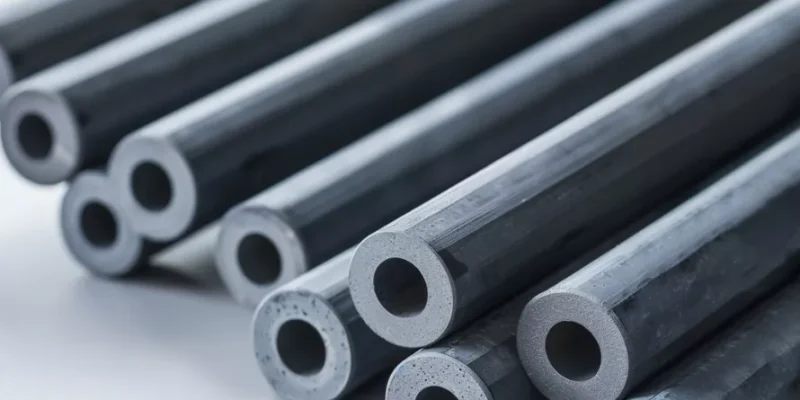
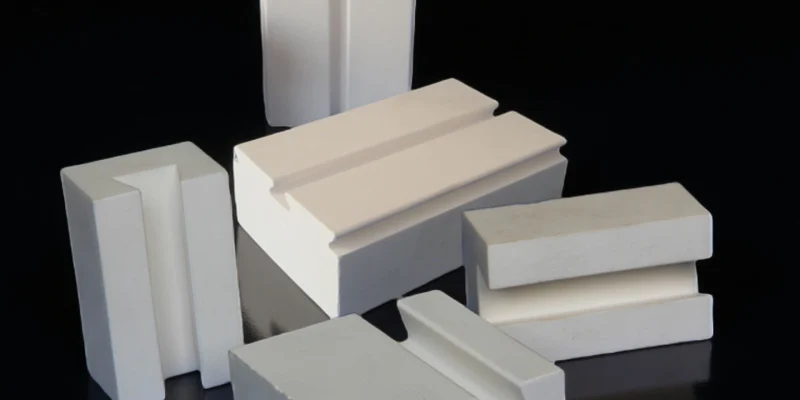
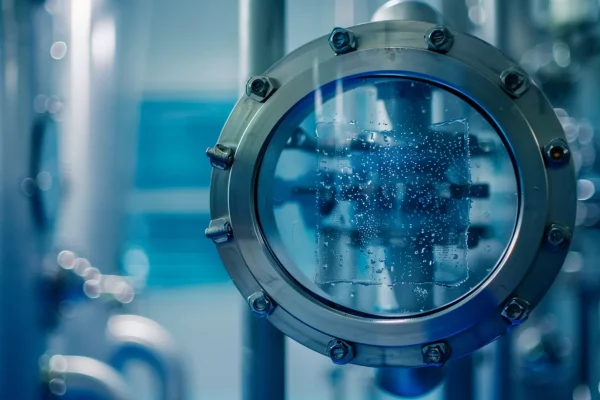
Process Monitoring and Functional Integration
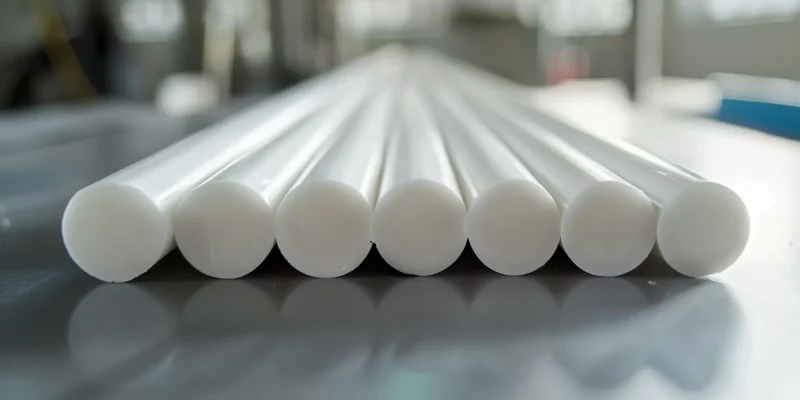
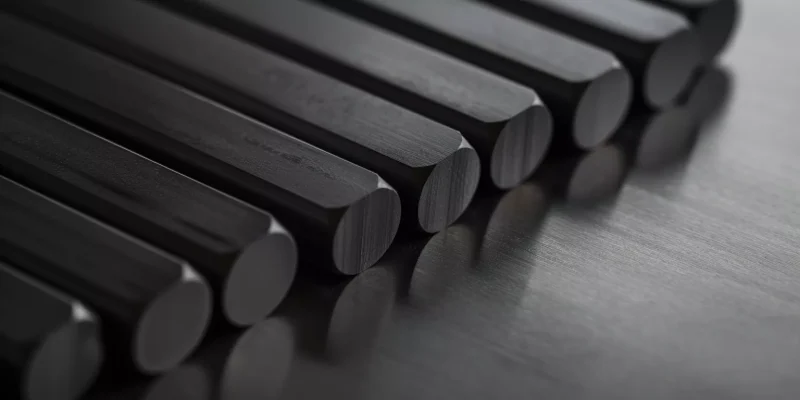
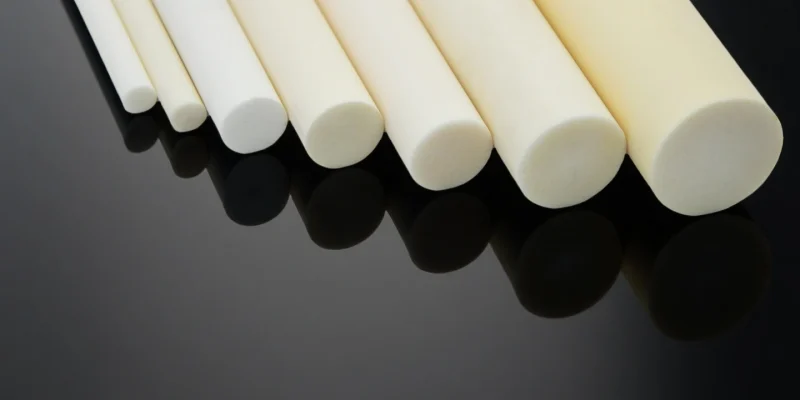
Functional ceramics enable sensing, filtration, insulation, and observation within sealed petrochemical systems.
- Aluminum nitride and silicon nitride maintain signal stability under combined thermal and chemical stress.
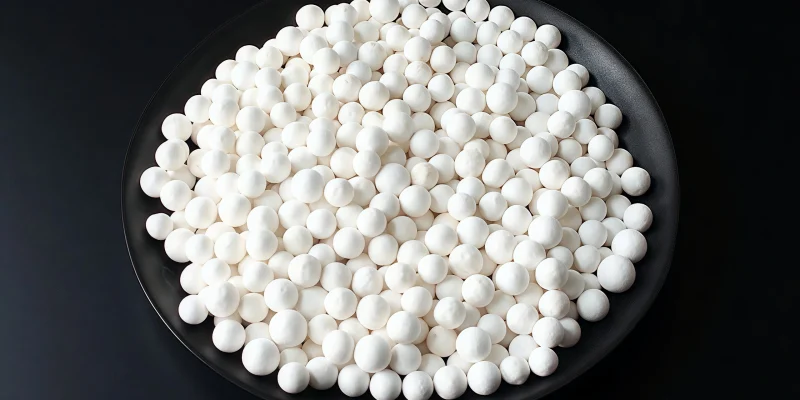
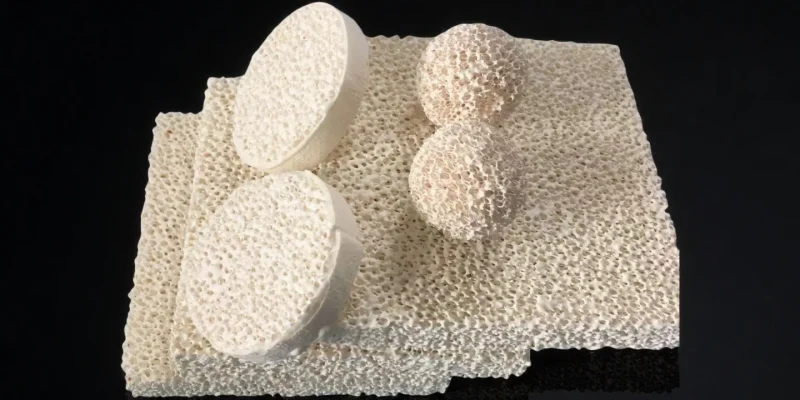
- Porous alumina and silicon carbide structures allow controlled media interaction without compromising containment integrity.
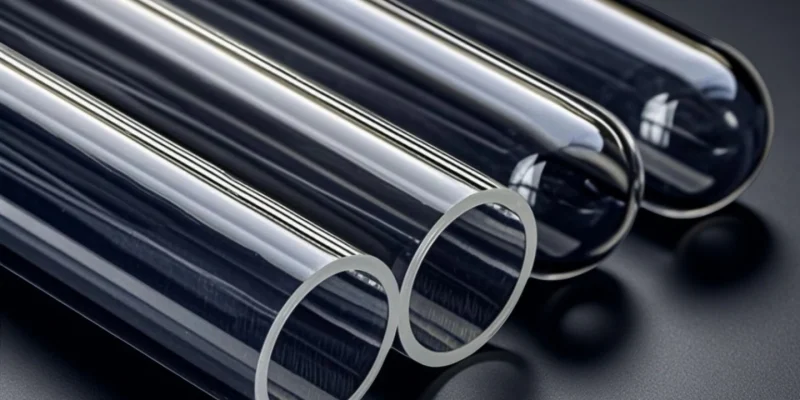
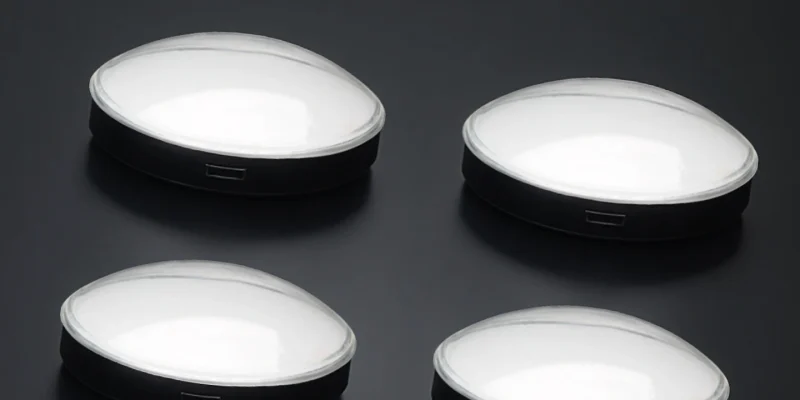
- Sapphire and yttria-based transparent ceramics enable visual monitoring in pressurized and corrosive environments.


Petrochemical Ceramic Component Families
Pump & Mechanical Seal Components
SiC Mechanical Seal Ring
Pump sealing and sliding interfaces
Representative products:
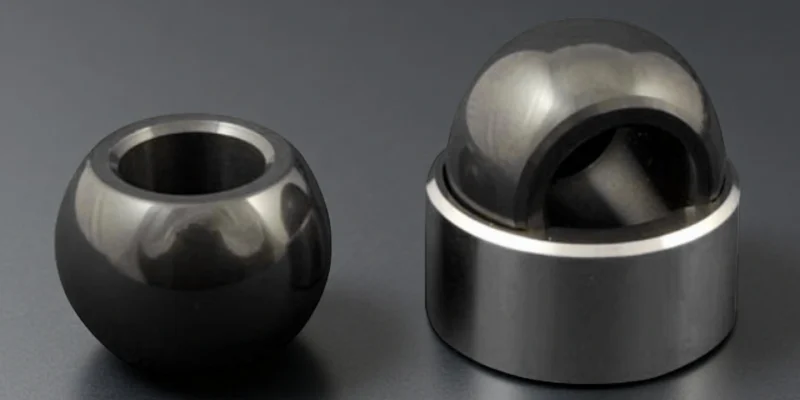
Valve & Flow-Control Components
Silicon Carbide Ball Valve
Chemical and particle-containing flow control
Representative products:
Shafts, Sleeves & Bushings
Alumina Shaft Sleeve
Shaft protection and sliding interfaces
Representative products:
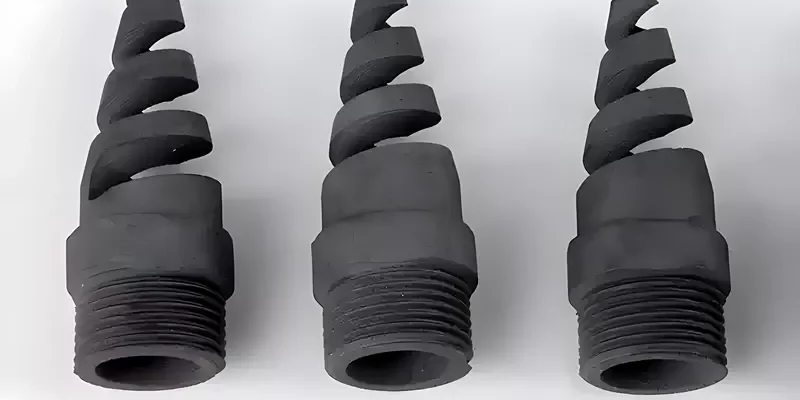
Ceramic Nozzles
SiC Spiral Nozzle
Abrasive fluid and spray applications
Representative products:
Liners & Wear Inserts
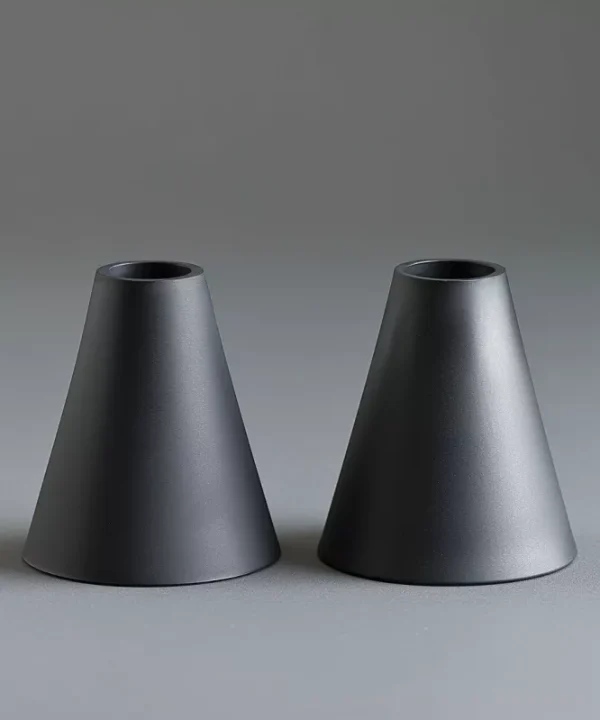
SiC Cyclone Cone Liner
Abrasive slurry and particle handling
Representative products:
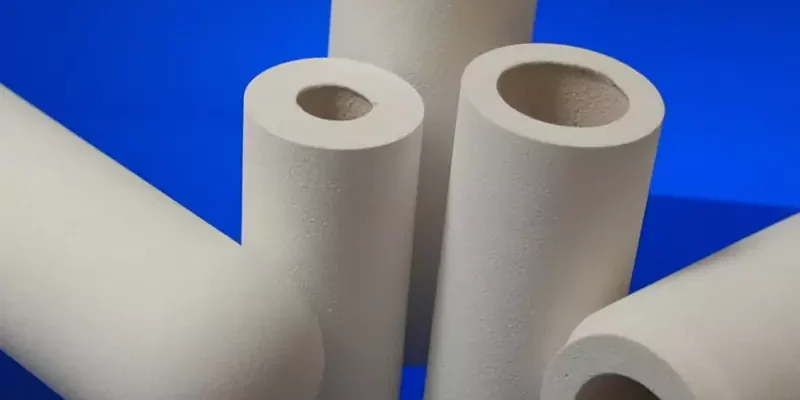
Ceramic Tubes
ZTA Ceramic Tube
Wear and process-protection applications
Representative products:
Align Ceramic Performance with Your Process Conditions
Petrochemical systems impose combined demands of temperature, corrosion, and mechanical stress that cannot be addressed by generic materials. ADCERAX supports engineers in matching ceramic material behavior to real operating conditions before component selection.
ADCERAX Ceramic Material Systems Serving Petrochemical Operations
Material selection within kiln environments is commonly organized by ceramic composition, as different materials respond differently to temperature limits, operating cycles, and functional demands inside furnace systems.

Alumina Ceramic
Alumina ceramics serve as foundational industrial ceramic components chemical industry for petrochemical equipment.

Zirconia Ceramic
Zirconia ceramics are chosen for precision and sealing reliability in dynamic systems.
Silicon Carbide Ceramics
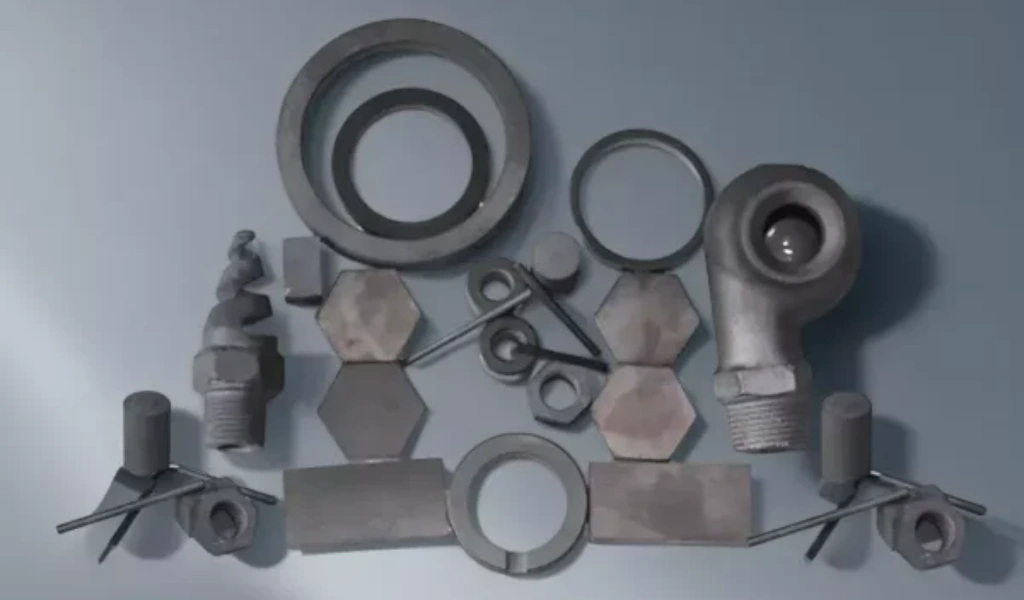
Silicon carbide is a core ceramic solutions for corrosive environments in petrochemical systems.
ZTA Ceramics
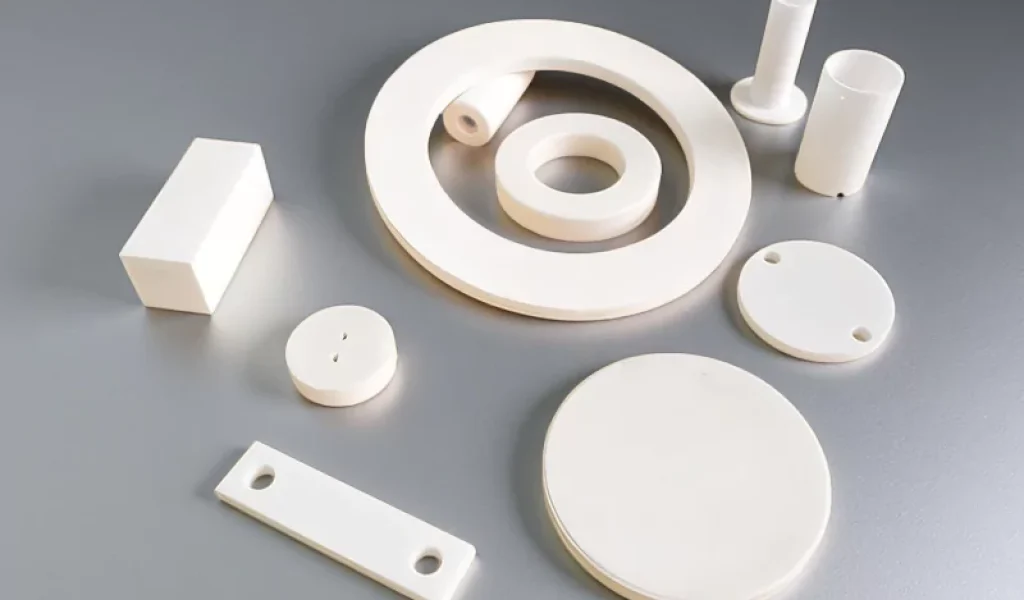
Zirconia Toughened Alumina improves fracture resistance in abrasive petrochemical environments.
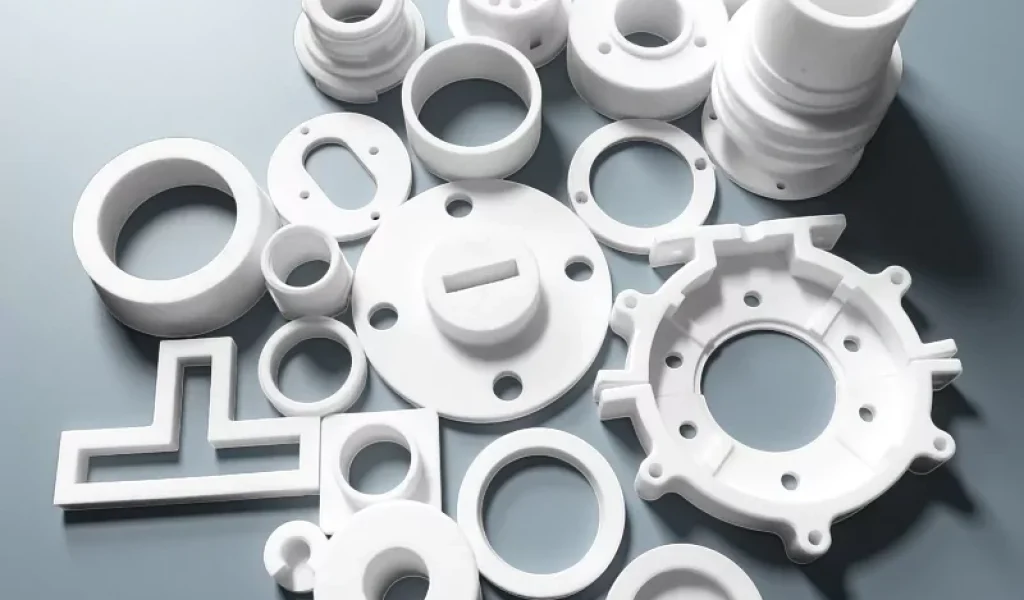
Boron Nitride Ceramics
Boron nitride ceramics provide non-wetting and insulating behavior in specialized equipment.
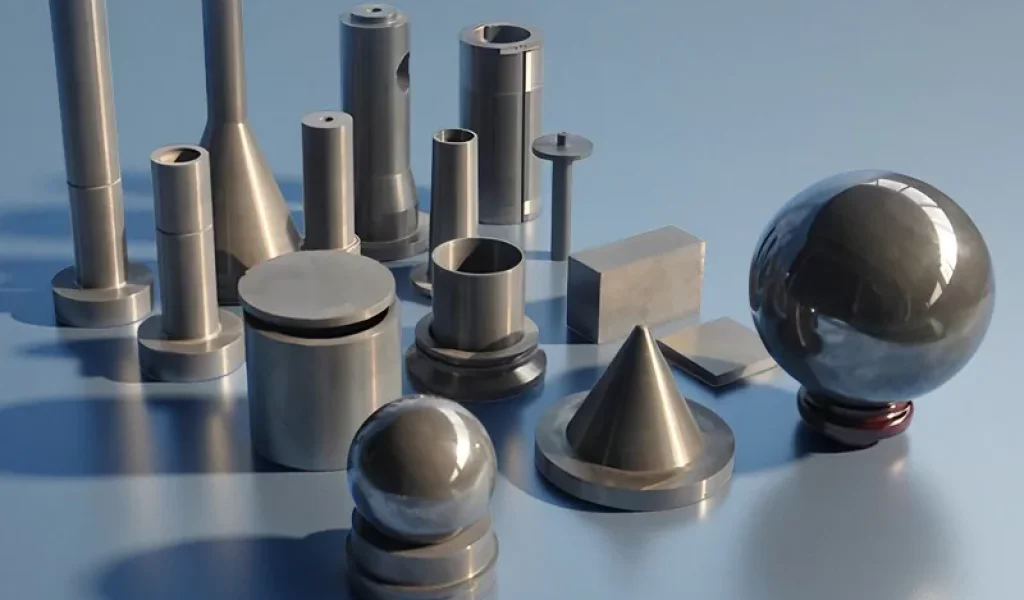
Silicon Nitride Ceramics
Silicon nitride ceramics support mechanically demanding petrochemical applications.

Aluminum Nitride Ceramics
Aluminum nitride ceramics combine thermal conductivity with electrical insulation.
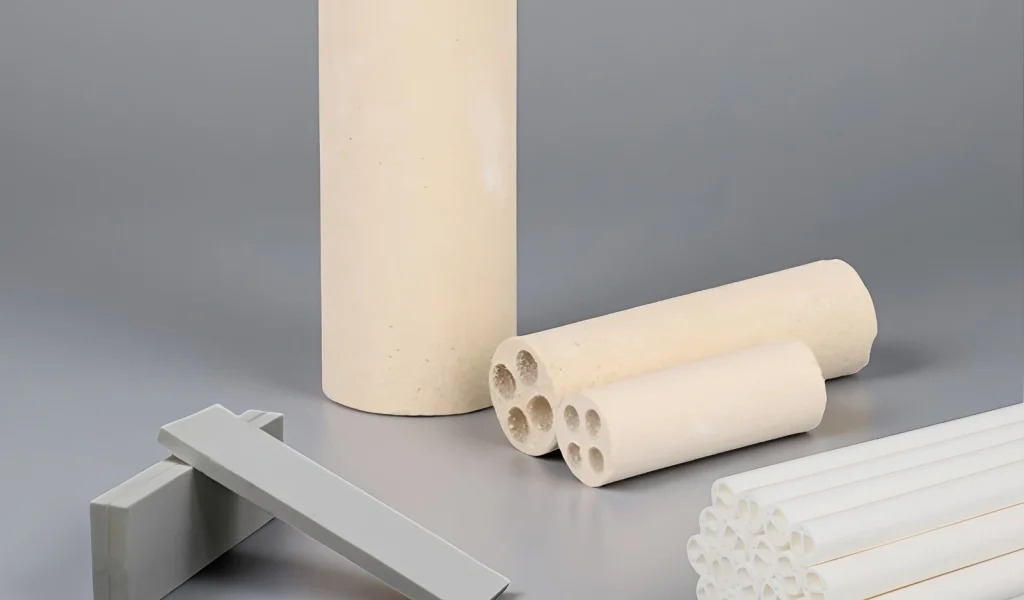
Magnesium Oxide Ceramics
Magnesia ceramics perform reliably in strongly alkaline petrochemical environments.
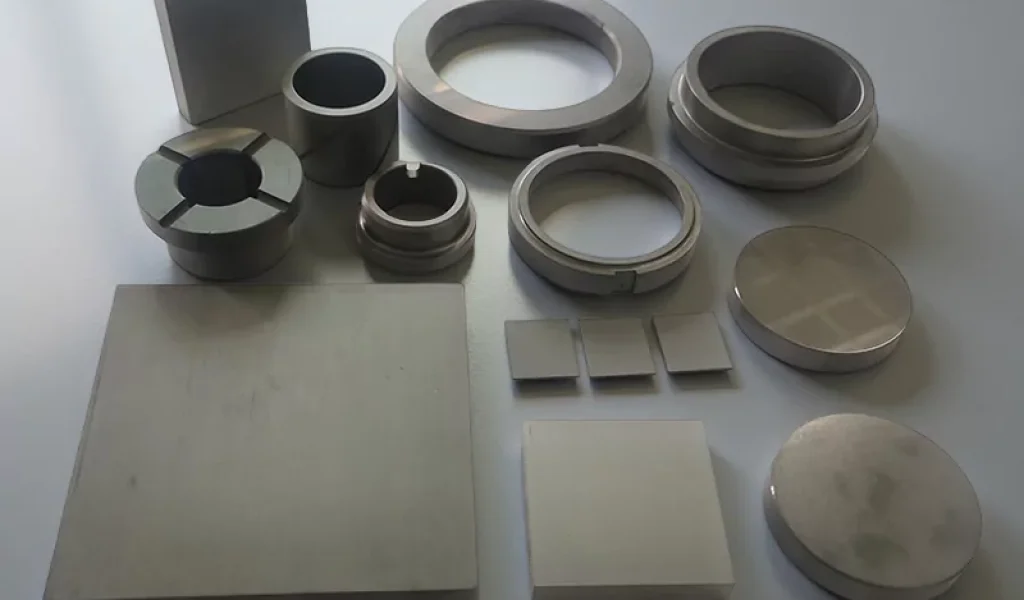
Boron Carbide Ceramics
Boron carbide ceramics address extreme wear in abrasive petrochemical processes.
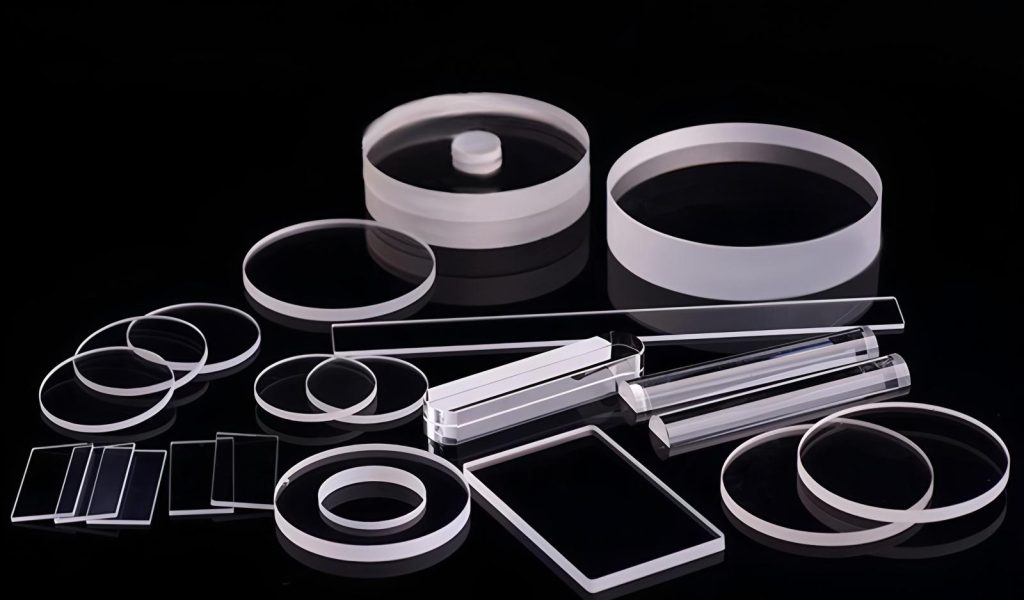
Transparent Ceramics
Transparent ceramics enable visual monitoring within harsh petrochemical systems.

Beryllium Oxide Ceramics
Beryllium oxide ceramics support high thermal conductivity applications with strict controls.
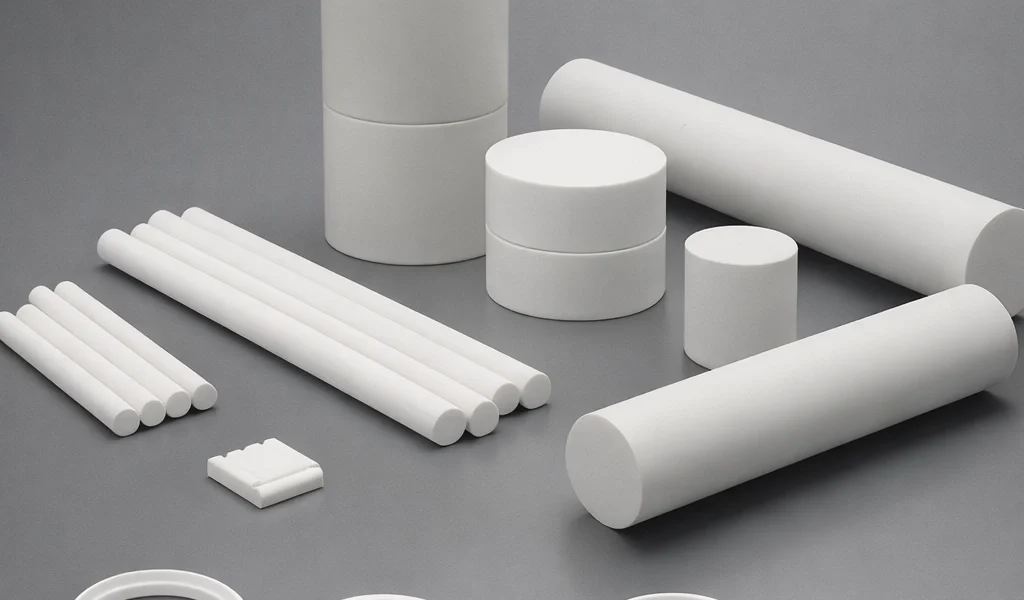
Glass Ceramics
Glass ceramics provide dimensional stability under thermal cycling conditions.
One-Stop Ceramic Manufacturing Services for Petrochemical Applications
ADCERAX provides end-to-end manufacturing support for petrochemical ceramics, covering the full lifecycle from material selection to finished component delivery.
Each service stage is aligned with real petrochemical operating conditions to ensure performance consistency and dimensional reliability.
Defined according to petrochemical process conditions
Custom shaping for application-specific component geometry
Tight tolerance machining for complex ceramic parts
Controlled densification under high-temperature conditions
Dimensional verification and critical defect control
Functional surface preparation for service environments
ADCERAX Petrochemical Ceramic Manufacturing Capabilities
Precision Green Machining
Green-state machining enables complex ceramic geometries to be formed efficiently before sintering, reducing scrap risk.
CNC green machining centers up to ±0.15 mm
Complex internal features formed before densification
Reduced post-sinter machining by 30–40%
Temperature Controlled Sintering
Controlled sintering determines final density, strength, and thermal stability of industrial ceramic components.
High-temperature furnaces operating up to 1800 °C
Density levels reaching ≥99.5% theoretical
Dimensional shrinkage controlled within ±0.8%
Diamond Precision Machining
Post-sinter diamond machining ensures tight tolerances and surface quality for advanced ceramic parts for chemical processing.
CNC diamond grinding achieving ±0.02 mm tolerances
Surface roughness controlled to Ra ≤0.4 μm
Reliable fitting in pumps, valves, and seals
Customized Ceramic Solutions for Petrochemical Operations
Petrochemical applications impose unique combinations of temperature, corrosion, and mechanical load that standard ceramic components rarely satisfy.
ADCERAX supports application-specific ceramic customization by aligning material composition, geometry, and tolerance control with real operating conditions.
Begin a technical discussion with ADCERAX engineers to define ceramic solutions aligned with your process.
ADCERAX Petrochemical Ceramics FAQs
Common components include seal faces and rings, shaft sleeves, bushings, shafts, valve seats and balls, plungers, nozzles, liners and tubes. Final suitability depends on the operating conditions, interfaces and drawing requirements.
Alumina is often considered for wear and chemical stability; zirconia for toughness; ZTA for wear with improved crack resistance; silicon carbide for abrasive, corrosive or sliding service; and silicon nitride for selected fatigue or thermal-shock conditions.
Silicon carbide is often considered for corrosive, abrasive and sliding interfaces. The grade and component design must be reviewed against the medium, solids, speed, pressure, temperature and lubrication conditions.
They may be suitable when wear and particle erosion are the main concerns. Selection depends on particle size, concentration, flow velocity, impact angle, chemical medium, temperature and connection design.
Yes. Send the drawing, photos or measured dimensions with the current material, operating conditions and failure pattern. The review may recommend a different material, geometry or assembly method.
Provide the equipment and part position, process medium, temperature, pressure, particles, operating cycle and failure mode. Include a drawing or photo, key dimensions, tolerances, quantity and inspection requirements when available.
Yes. Prototype, low-MOQ and small-batch requirements can be reviewed according to the material, geometry, tooling, tolerances, quantity and inspection plan.
Critical dimensions, surface finish, sealing faces, mating interfaces and required documents are reviewed against the drawing before quotation. Achievable values depend on the material, size, geometry and process route.
Discuss Your Petrochemical Ceramic Component Requirements
Tell us the equipment position, process medium and current failure mode. A drawing, worn-part photo or key dimensions are enough to begin an engineering review.
- Equipment and part position: pump, valve, mechanical seal, nozzle, liner, tube, bushing or shaft sleeve
- Process medium, concentration, particles and cleaning method
- Temperature, pressure, flow and operating cycle
- Current material and failure mode: corrosion, wear, leakage, cracking or fouling
- Drawing or photo, critical dimensions, quantity and target date
Drawings are preferred for fit-critical parts. If unavailable, send clear photos, key dimensions and failure details for an initial review.
*Our team will answer your inquiries within 24 hours.
*Your information will be kept strictly confidential.
info@adcerax.com
Tel:+86-0731-84428843
WhatsApp:+86 19311583352
Within 24 hours
