SiC foam filters can be considered for aluminum casting only when the alloy, pouring temperature, thermal-shock duty, filter-box design, and supplier data confirm compatibility with the specific process. In many aluminum foundries, alumina ceramic foam filters are the preferred default because they match common molten aluminum filtration practice and the chemistry of typical oxide inclusions. The best practice for either material depends on correct PPI selection, filter area sizing, uniform preheating, perimeter sealing, placement in a stable flow zone, and avoidance of first-contact metal freezing or bypass around the filter. Selecting SiC without confirming these fundamentals risks misattributing process problems to the wrong variable.
The silicon carbide ceramic foam filters and alumina ceramic foam filters at ADCERAX — available across 10–60 ppi, standard foundry dimensions, and custom sizes — provide the product context for the material-selection and best-practice decisions described in this guide. The parent silicon carbide ceramics range covers the full SiC material family for context.

Ceramic foam filter best practices for aluminum casting include: confirming alumina as the default material for most aluminum alloys, selecting PPI by cleanliness and flow restriction balance, preheating uniformly before first metal contact, sealing the filter perimeter against bypass, and placing the filter in a stable flow zone.
Are SiC foam filters suitable for aluminum casting?
This is the material boundary question that must be answered before selecting PPI, sizing, and installation parameters — because selecting SiC without confirming it is appropriate for the specific aluminum casting process risks misunderstanding both the material's limitations and the alternatives.
[CITE: ADCERAX's published alumina ceramic foam filter product data explicitly states that alumina foam filters are preferred for aluminum and brass casting applications, while SiC foam filters are positioned for gray cast iron filtration service — and ADCERAX's SiC ceramic foam filter product documentation positions those filters for high-temperature foundry filtration conditions near 1500°C service, confirming that the designed operating temperature of SiC foam filters targets higher-temperature ferrous casting rather than the 750–800°C range typical of most aluminum casting.]
Use SiC only when the process justifies the material shift. SiC foam filters can be appropriate in aluminum casting when the foundry has a specific, supplier-documented reason: higher thermal-shock resistance is needed than alumina provides in the specific filter-box geometry, the alloy or process temperature is at the upper range of non-ferrous casting and SiC has been supplier-qualified for aluminum compatibility, or the filter-box design has been validated with SiC foam filter geometry. A published comparison of foam filter materials for different metal families confirms the pattern: alumina is the primary filter material for aluminum and aluminum alloys, SiC is listed for cast iron, copper, bronze, and brass service, and zirconia is reserved for steel and superalloy applications. In the absence of a specific process reason for SiC, alumina is the more defensible choice.
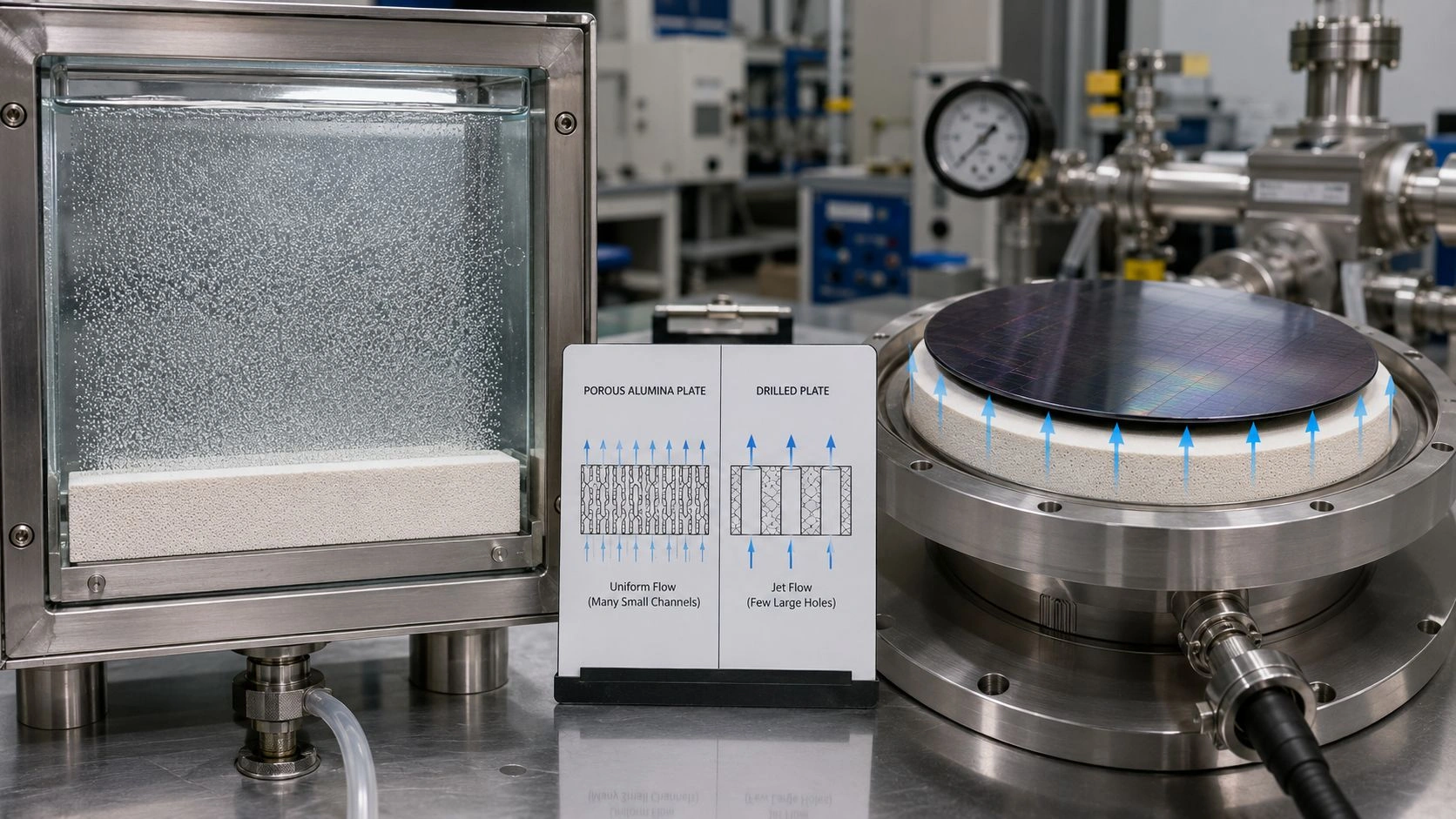
Use alumina when standard molten aluminum filtration is the main need. For most aluminum alloy foundry operations — gravity casting, sand casting, low-pressure casting, and semi-permanent mold — alumina ceramic foam filters matched to the alloy and melt temperature provide reliable inclusion removal with established supplier support and standard filter-box compatibility. The filtration mechanism — tortuous flow path, deep-bed inclusion capture, and cake formation — works equally well in alumina as in SiC for aluminum at normal operating temperatures.
What best practices control filter performance in aluminum casting?
After confirming the correct filter material, the operating parameters that determine whether the filter performs well or fails on the first pour must be systematically addressed.
[CITE: Published ScienceDirect review research on open-cell ceramic foam filters used in aluminum filtration confirms that molten aluminum is typically filtered around 750–800°C and that ceramic foam filters for aluminum casting commonly span 20 to 70 ppi — and hydraulic characterization research published in PMC confirms that ceramic foam filter geometry and melt flow behavior through the porous structure both matter during aluminum filtration, establishing that PPI selection, filter area, and flow design are independent variables that must all be correctly specified rather than any single parameter dominating filter performance.]
Choose PPI by cleanliness target and allowable pressure drop. PPI — pores per inch — is the filter's primary filtration fineness specification. Lower PPI (20–30) provides lower flow restriction and is appropriate for larger inclusions, moderate cleanliness requirements, and applications where maintaining flow rate is a priority. Higher PPI (40–60 or above) captures finer inclusions but adds flow restriction and increases the risk of premature clogging if the melt contains significant dross or the filter area is undersized. The general principle is to use the lowest PPI that achieves the required casting cleanliness, rather than selecting the finest filter available.
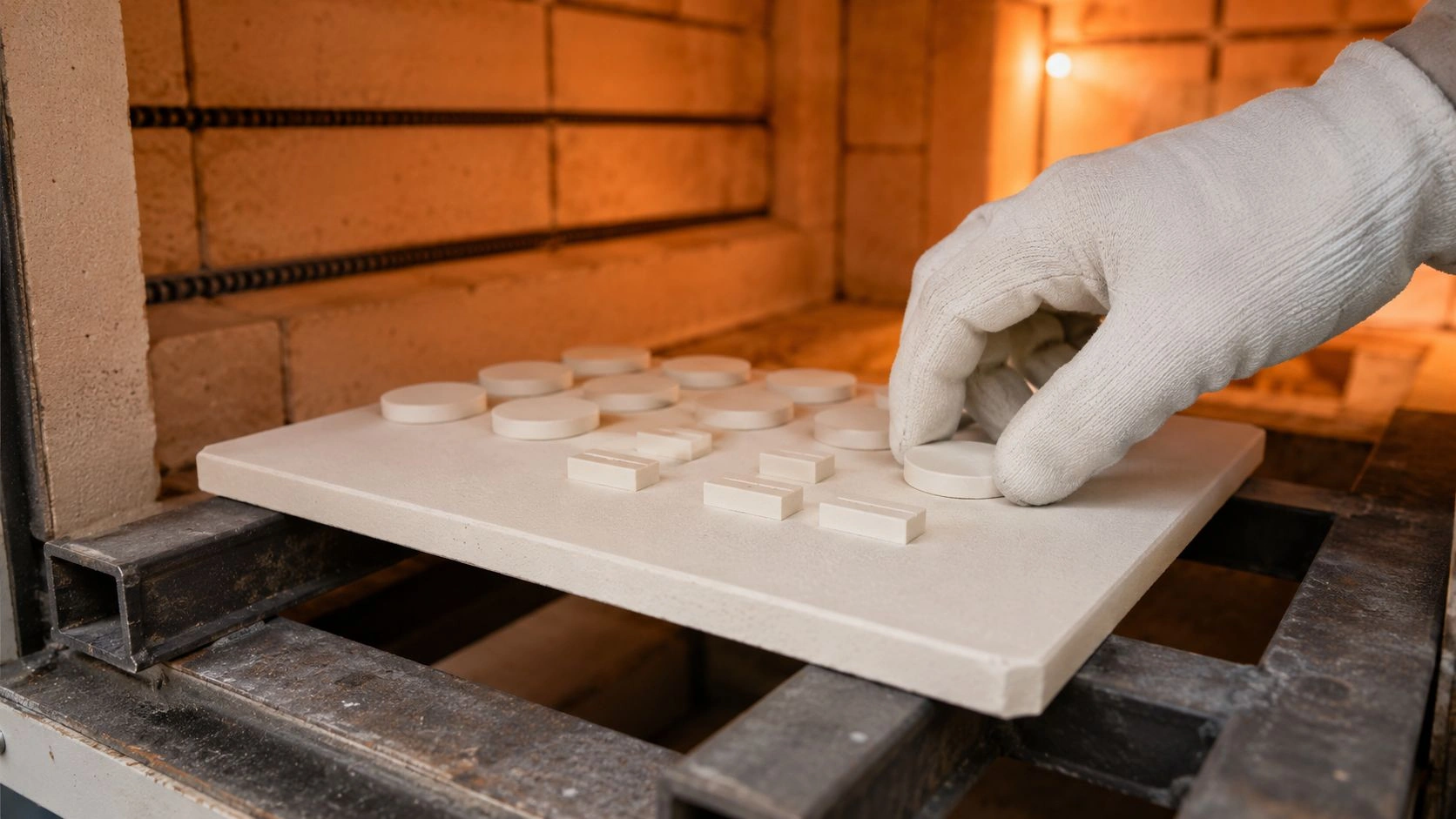
Preheat and seal the filter before first metal contact. First-contact freezing — where molten aluminum solidifies in the pores of the filter when the cold ceramic surface draws heat from the metal — is one of the most common and avoidable failure modes in ceramic foam filter use. Pyrotek's published installation guidance recommends preheating aluminum oxide foam filters, particularly those with expansion gaskets, to 350–400°C before casting. Published foundry installation guidance similarly confirms that insufficient preheating allows molten aluminum to solidify in pores during first contact, blocking the filter before filtration can begin. Uniform preheating is as important as reaching the target temperature: a filter that is hot in the center but cold at the edges will have bypassed or frozen zones that undermine the filtration function. The perimeter of the filter must be sealed with a compatible gasket or refractory fiber mat to prevent unfiltered metal from flowing around rather than through the filter — bypass around the filter is the single largest contributor to filtration system failure when the filter geometry and sealing are not managed correctly.
The Best-Practice Parameters for Aluminum Casting Foam Filters table maps the operating controls:
| Parameter | Best-practice direction | Why it matters |
|---|---|---|
| Filter material | Alumina first for most aluminum; SiC only with justification | Prevents wrong material selection |
| PPI | Match cleanliness target and allowable flow restriction | Finer pores increase inclusion capture but raise pressure drop |
| Filter area | Size larger than throttling requirement | Prevents choking and early clogging |
| Preheating | Uniform preheat before first metal contact | Reduces pore freezing and thermal shock risk |
| Gasket/edge seal | Seal the perimeter against bypass | Prevents unfiltered metal from flowing around the filter |
| Placement | Use stable flow zone, not high-turbulence entry | Improves inclusion capture and reduces re-entrainment |
| Handling | Avoid dust, chips, cracks, and rough insertion | Fragile foam structure can shed particles or crack |
| Lot traceability | Track PPI, batch, supplier, and casting defects | Supports quality troubleshooting |
Filter area, throttling ratio, and flow design. The filter must be sized so that the flow area through the porous filter is larger than the runner cross-section feeding it. An undersized filter becomes the most restrictive element in the gating system, reducing fill rate and increasing metallostatic head in ways that were not planned in the gating design. Published ceramic foam filter production and application literature confirms that filter performance depends on matching the hydraulic behavior of the filter to the gating system design, not treating the filter as a simple insert that can be dropped into any gating geometry.
What problems occur when ceramic foam filters are misused?
Even the correctly specified filter — correct material, correct PPI, correct size — can fail to provide effective filtration if installation and handling practices create avoidable problems.
First-contact freezing, clogging, and pressure-drop rise. First-contact freezing is caused by a cold filter drawing heat from the first wave of molten aluminum; preheating is the standard preventive measure. Premature clogging occurs when PPI is too fine for the melt cleanliness, filter area is too small for the flow rate, or the metal temperature is too low to maintain flow through the filter pores. Progressive pressure-drop rise during a pour is normal as inclusions build a filter cake on the upstream face; excessive pressure rise indicates clogging from dross-loaded melt or filter undersizing.
Bypass, gasket failure, edge leakage, and turbulent placement. A cracked or chipped filter edge, a poorly compressed gasket, or a filter that is placed in a zone where the metal enters with high turbulence can all allow unfiltered metal to reach the casting cavity. Bypass may not be visible in the filter itself — it leaves no distinctive mark on the filter after the pour — but it produces casting defects that look exactly like unfiltered inclusions because that is what they are. Turbulent metal placement after the filter — if the filter is not in the last-in-line position before the ingate — can re-entrain inclusions that were already captured and carry them into the casting.
The Ceramic Foam Filter Misdiagnosis Matrix maps observed problems to better questions:
| Observed problem | Common wrong diagnosis | Better engineering question |
|---|---|---|
| Metal freezes at filter face | ""SiC filter is unsuitable"" | Was the filter uniformly preheated and sized for the pour? |
| Inclusions remain after filtration | ""Need finer PPI only"" | Is metal bypassing around the filter or re-turbulizing after filtration? |
| Filter clogs too early | ""Filter quality is poor"" | Is PPI too fine, filter area too small, or melt cleanliness too low? |
| Filter cracks during pour | ""Material strength is too low"" | Was there thermal shock, mechanical damage, or poor support? |
| Flow becomes unstable | ""Need larger filter only"" | Is the gating/filter box creating turbulence or uneven head pressure? |
| SiC underperforms in aluminum | ""All SiC filters are bad"" | Was SiC actually the correct material versus alumina for this alloy and process? |
Diagnosis should include inspection of the used filter (upstream face deposit pattern, edge condition, bypass evidence) before changing filter material or PPI.
When should alumina, SiC, zirconia, or multi-stage filtration be selected?
After diagnosing the failure mode, the material and system selection can be made based on real process evidence rather than generic material preference.
The Foam Filter Material Selection Matrix maps the main options:
| Filter option | Best fit | Why | When not to use |
|---|---|---|---|
| Alumina foam filter | Standard aluminum and aluminum-alloy filtration | Strong match to common molten aluminum filtration practice | Not ideal if thermal-shock or temperature margin is insufficient for the specific filter box |
| SiC foam filter | Supplier-qualified aluminum duty or higher thermal-shock non-ferrous | Higher thermal robustness for selected severe conditions | Do not use as default for aluminum without compatibility and process validation |
| Zirconia foam filter | Steel, superalloy, and higher-temperature aggressive melt filtration | Higher refractory capability for hotter melts | Usually unnecessary and uneconomical for ordinary aluminum casting |
| Multi-stage filtration | High-cleanliness aluminum casting | Can combine coarse capture and fine filtration stages | Adds pressure drop and requires flow design review |
| Mesh/screen filter | Lower-cost coarse inclusion control | Simple and easy to place | Does not provide the same deep-bed filtration as ceramic foam |
Values indicative. Verify with alloy, melt temperature, filter supplier data, and foundry process trials.

For aluminum casting, alumina foam filters remain the standard default, while SiC should be treated as a conditional option requiring thermal-shock or temperature justification and supplier-qualified aluminum compatibility.
Alumina for standard aluminum filtration. The published aluminum casting filtration literature and major filter manufacturers consistently identify alumina as the primary filter material for aluminum and aluminum-alloy casting. SiC, zirconia, and other materials exist in the filtration product range for specific higher-temperature or alloy-specific reasons, but they are not the default replacement for alumina in a standard aluminum foundry without a process-specific reason.
SiC only when justified. The conditions where SiC foam filter consideration is defensible in an aluminum casting context are limited: the filter-box geometry creates higher thermal shock than alumina can reliably tolerate, the operating temperature of the specific application is at the upper range of the non-ferrous casting spectrum, a filter supplier has validated SiC compatibility for the specific alloy and process parameters, or comparative foundry trials have demonstrated a specific performance advantage over alumina in the process.
The aluminum silicate filter box at ADCERAX provides the complementary filter-box context for molten aluminum filtration system design. The SiC porous ceramic category covers the broader SiC porous component range for filtration and flow-control applications.

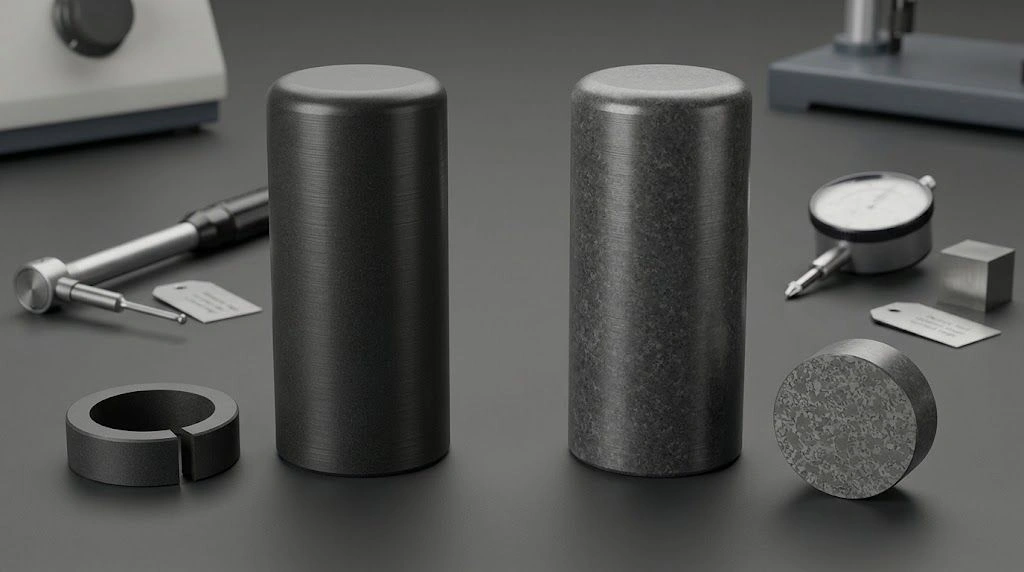
This product view helps distinguish the standard alumina foam filter route for aluminum and aluminum-alloy casting from the SiC route more often associated with gray iron or high-temperature service, while also showing the filter-box assembly used in actual aluminum casting filtration setups.
What RFQ data should be sent for aluminum casting foam filters?
A foam filter RFQ for aluminum casting must give the supplier enough information to confirm material suitability, PPI compatibility, and dimensional fit before supply.
Required RFQ fields: alloy family and nominal composition, melt temperature range, casting process type, filter material preference with justification if SiC is requested, PPI range, filter dimensions and thickness, filter shape (square, round, or custom), gasket requirement, filter-box design or drawing, calculated filter area, gating throttling area, expected flow rate, total pour weight per filter, filtration stage (primary or secondary), preheating method and capability, target casting cleanliness level, current defect description with photos if available, and whether the foundry has prior experience or validation data for the requested filter material in this alloy.
Ask the supplier to confirm: filter material composition, PPI tolerance, open porosity, compressive strength, dimensional tolerance, thermal-shock guidance, recommended preheat temperature range, packaging method to prevent handling damage, lot traceability, and certificate of conformance for quality-system-controlled foundries.
Selecting ceramic foam filters for aluminum casting? Share your alloy, melt temperature, casting process, filter material preference, PPI, dimensions, filter-box design, flow rate, pour weight, preheating method, current inclusion problem, and defect photos. ADCERAX can review whether alumina or SiC foam filters best match your process parameters and propose filter specifications with material certification.
Frequently Asked Questions
Are SiC foam filters the default choice for aluminum casting?
No. Alumina foam filters are the usual default for aluminum and aluminum-alloy casting. ADCERAX's own product data confirms that alumina filters are preferred for aluminum and brass, while SiC filters are positioned for gray cast iron service. SiC should be considered for aluminum casting only when specific process conditions and supplier data justify it.
When can SiC foam filters be considered for aluminum casting?
SiC can be considered when the process has higher thermal-shock demand than alumina can meet in the specific filter-box design, when the pouring temperature is at the upper range of non-ferrous casting, when a filter supplier has qualified the SiC formulation for the specific alloy and process, or when comparative trials confirm a specific performance advantage. It should not be selected only because SiC sounds more robust.
What PPI should be used for aluminum casting filters?
Published research confirms that ceramic foam filters for aluminum casting commonly span 20 to 70 ppi. Lower PPI improves flow and reduces clogging risk; higher PPI captures finer inclusions but increases pressure drop. Select the lowest PPI that achieves the required casting cleanliness for the specific alloy and gating design.
Should ceramic foam filters be preheated before aluminum pouring?
Yes. Preheating reduces first-contact freezing and thermal shock. Pyrotek's published guidance recommends preheating aluminum oxide foam filters, particularly those with expansion gaskets, to 350–400°C before casting. Filter preheating temperature and uniformity should follow the filter supplier's guidance and the foundry's validated procedure.
Why does molten aluminum freeze or clog at the filter?
First-contact freezing is caused by a cold filter drawing heat from the first metal wave. Clogging can result from PPI too fine for the melt cleanliness level, filter area too small for the pour flow rate, low melt superheat, high dross load, or poor melt preparation. The filter material is usually not the root cause of these problems.
How do ceramic foam filters remove inclusions from molten aluminum?
Ceramic foam filters remove inclusions through a tortuous open-cell structure that forces molten metal through narrow, changing-direction flow paths. Inclusions are captured through mechanical interception, surface adhesion, cake formation on the upstream face, and deep-bed filtration within the pore network as the pour progresses.
What should be included in a foam filter RFQ for aluminum casting?
Include alloy family, melt temperature range, casting process, filter material preference, PPI, filter dimensions and thickness, gasket requirement, filter-box design, flow rate, pour weight, preheating method, cleanliness target, current defect description with photos, and lot-traceability requirement."