Materials, product forms, and capabilities in one PDF.
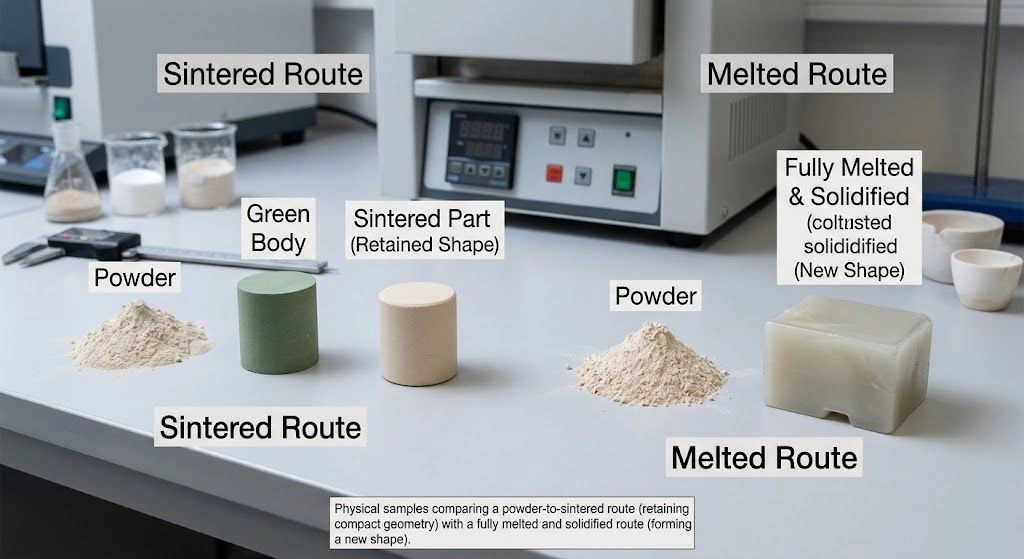
Sintering turns powder into a solid part by bonding neighboring particles. Heating increases atomic or ionic mobility, particle contacts grow
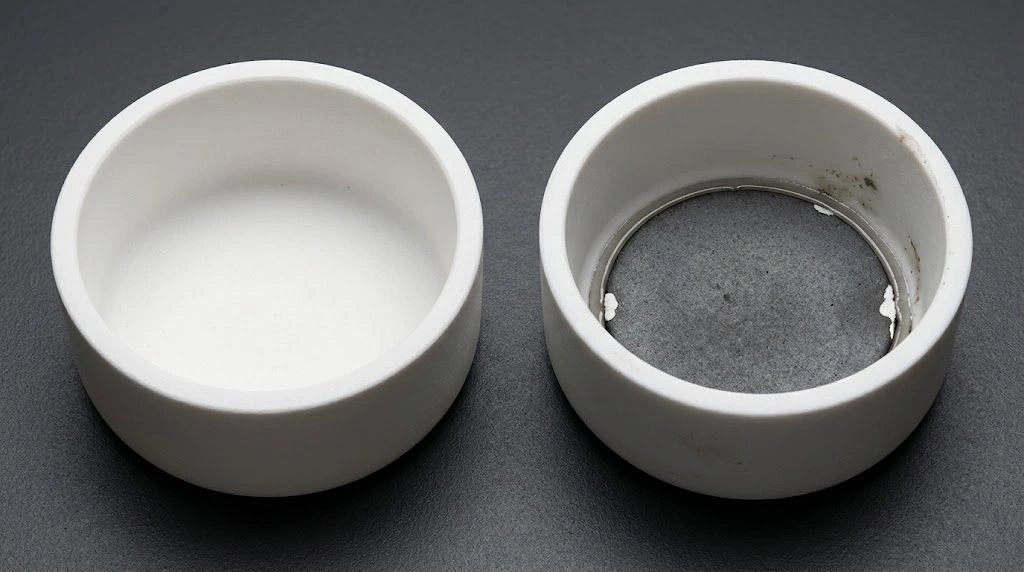
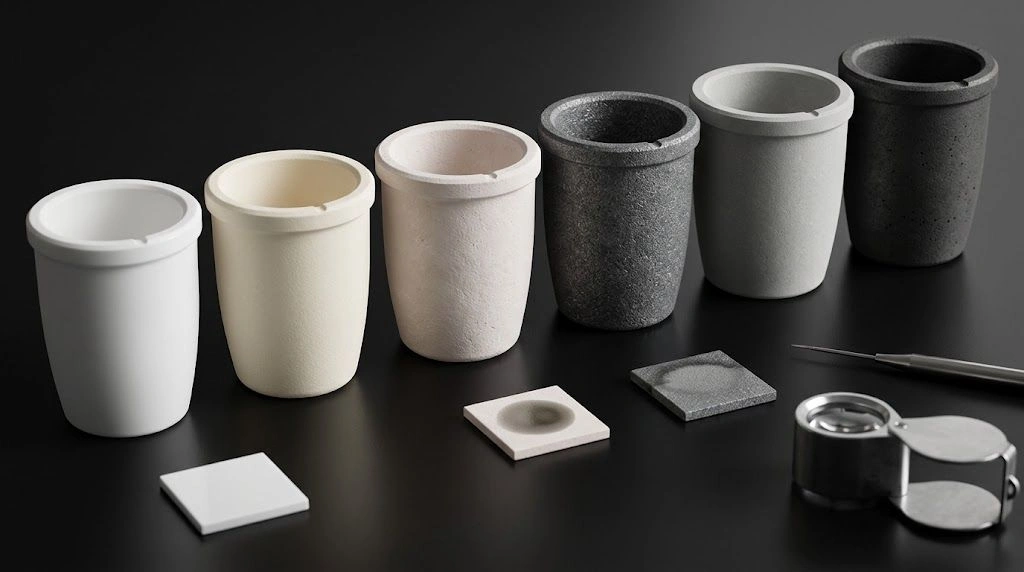
Samples stick to alumina crucibles when the heated material wets, reacts with or penetrates the ceramic surface. A powder or
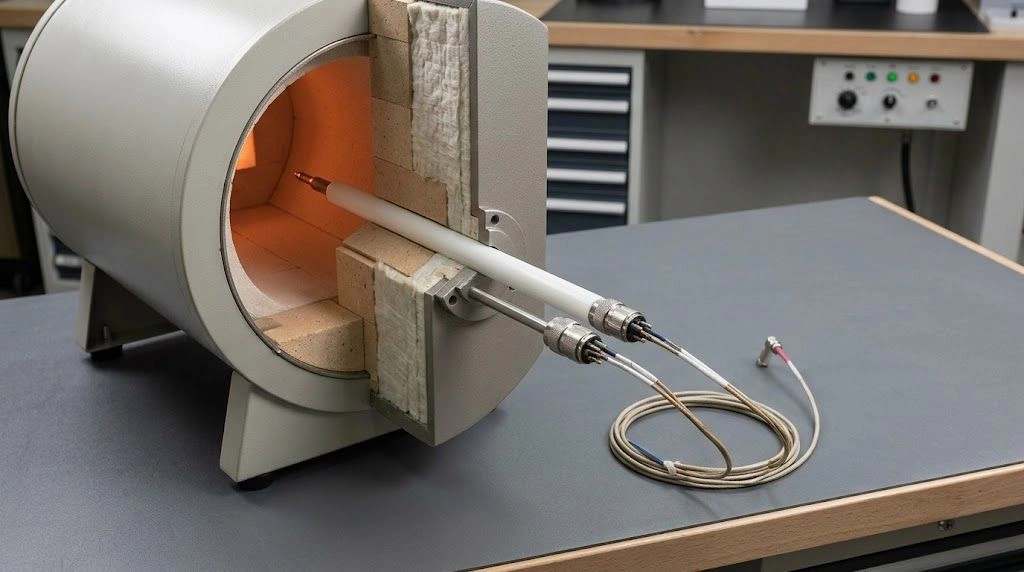
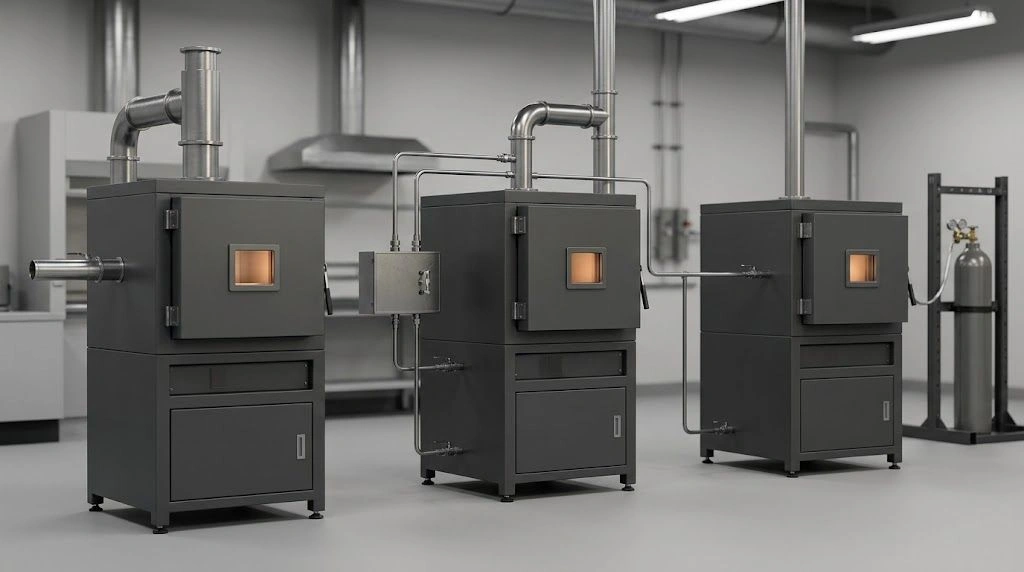
Tube furnace end seals must stay cool because their O-rings, lubricants, valves and feedthroughs usually have much lower temperature limits
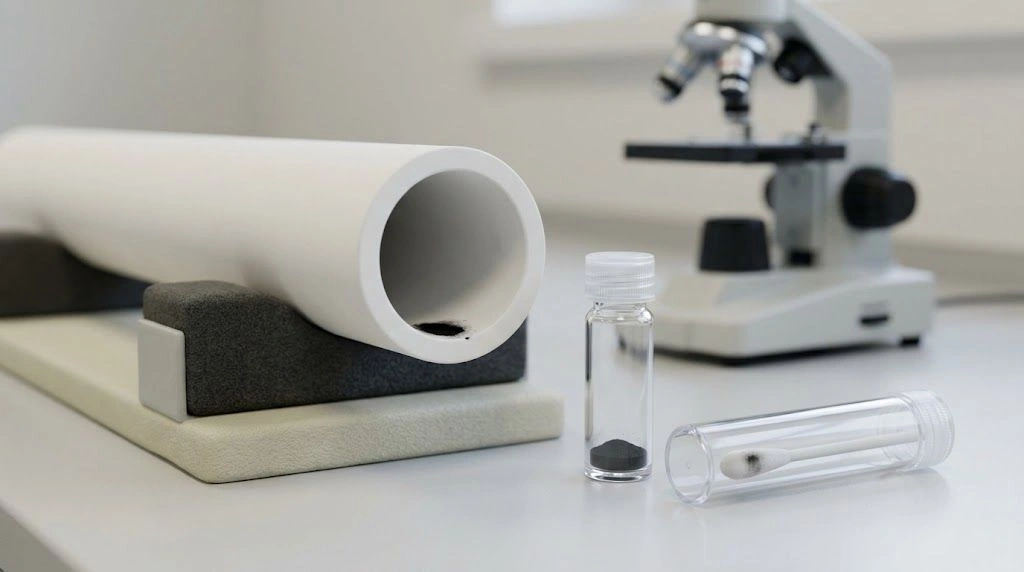
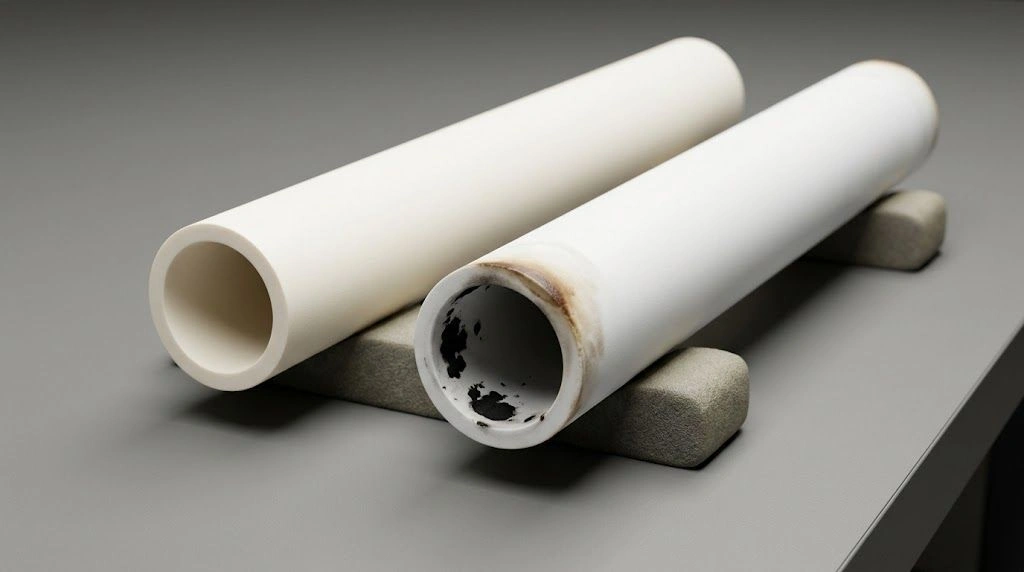
A white ceramic furnace tube usually turns black because carbon, condensed process vapor or another contaminant accumulates on its surface.
Thermocouple shunting is an electrical measurement error caused by unintended conductive paths through insulation. At high temperature, insulation resistivity can
Abrasive, adhesive and erosive wear all remove material, enlarge clearances and damage working surfaces, but their load paths differ. Abrasion
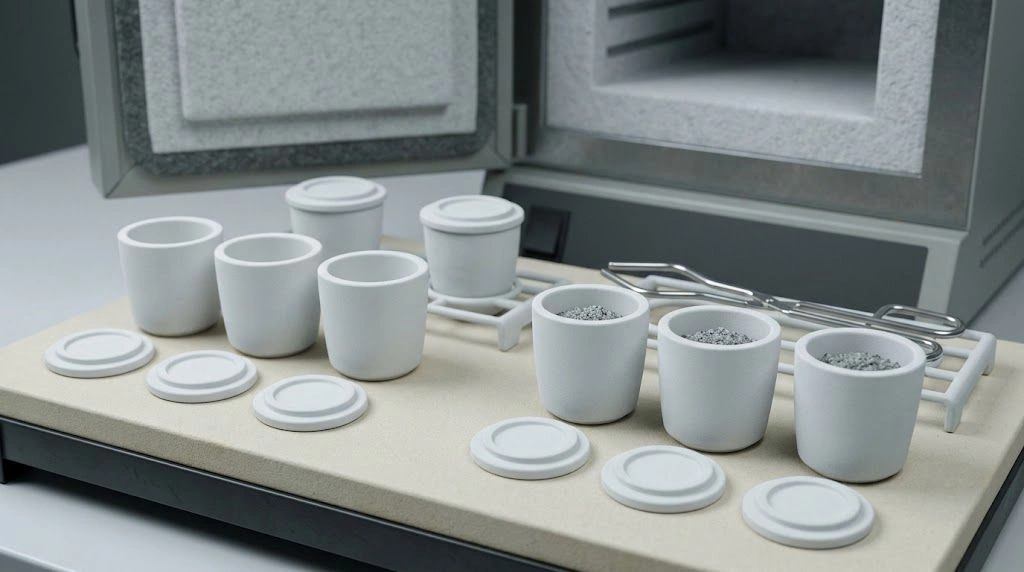
A crucible blank test checks whether sample preparation introduces measurable background. The actual sample is omitted, or replaced with an
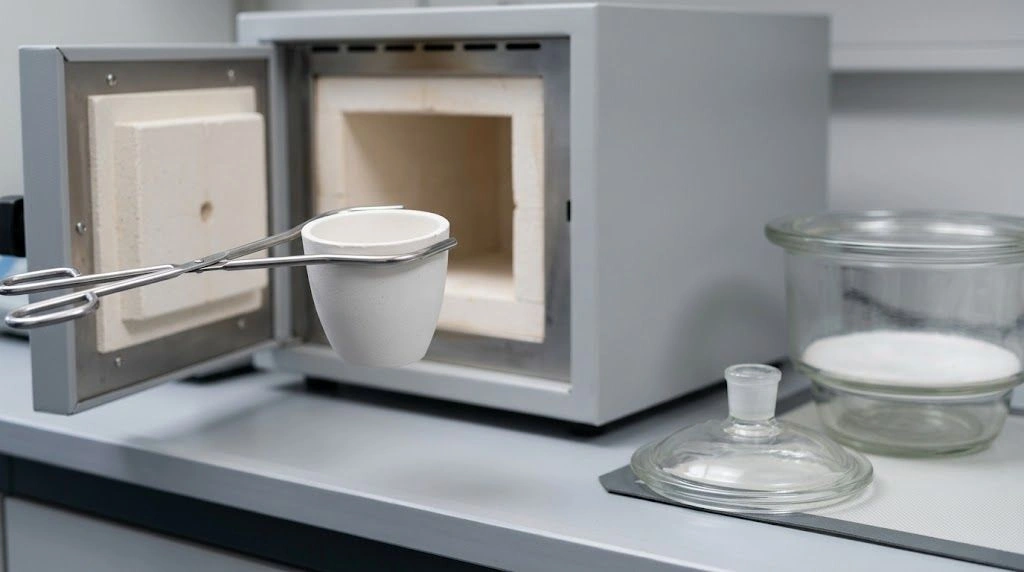
Crucibles are heated to constant weight to establish a stable container mass before a quantitative measurement. Without this conditioning step,
Define furnace atmospheres by their effect on the heated material, then specify the gas, impurities, temperature stages, and control evidence.
Define the component by construction, pressure responsibility, operating exposure, and mounting before selecting a temperature-sensor protection route. A thermowell and
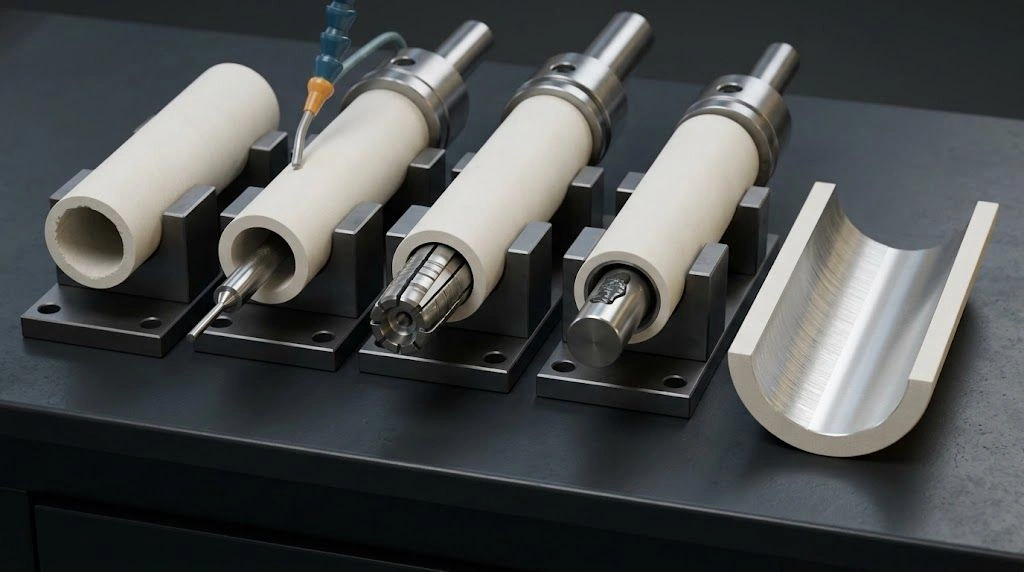
Separate material behavior, manufacturing stage, and feature acceptance before choosing a ceramic machining route. Why some ceramics are machinable depends
Define the measured volume and specimen condition before comparing ceramic density or setting an inspection requirement. Bulk, apparent and true
Separate leakage performance, breakdown characterization, and withstand acceptance when reviewing ceramic insulators and supplier test reports. Dielectric strength vs insulation
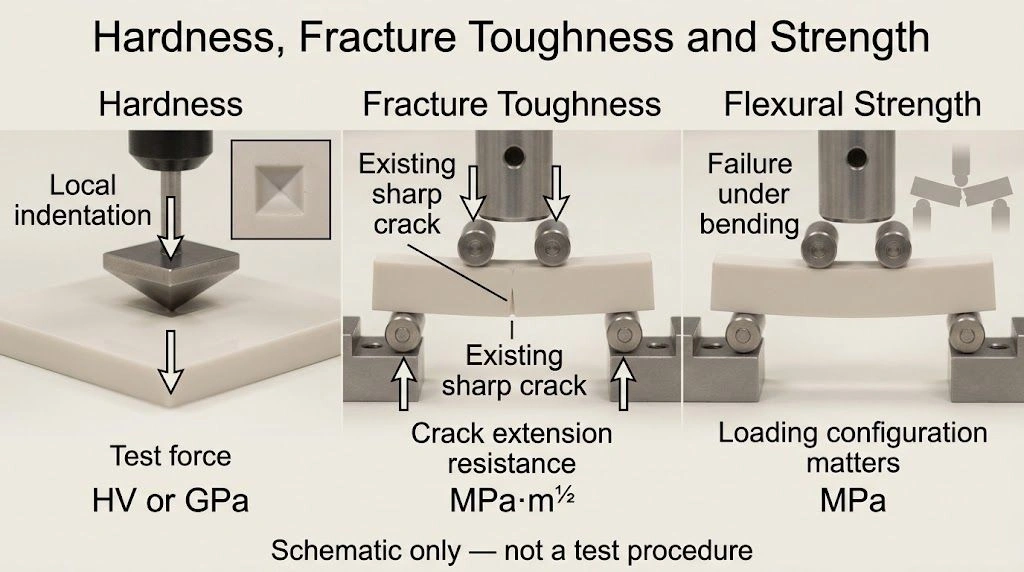
Match mechanical-property evidence to surface damage, crack growth, and component loading before changing ceramic grades. Hardness vs toughness vs strength
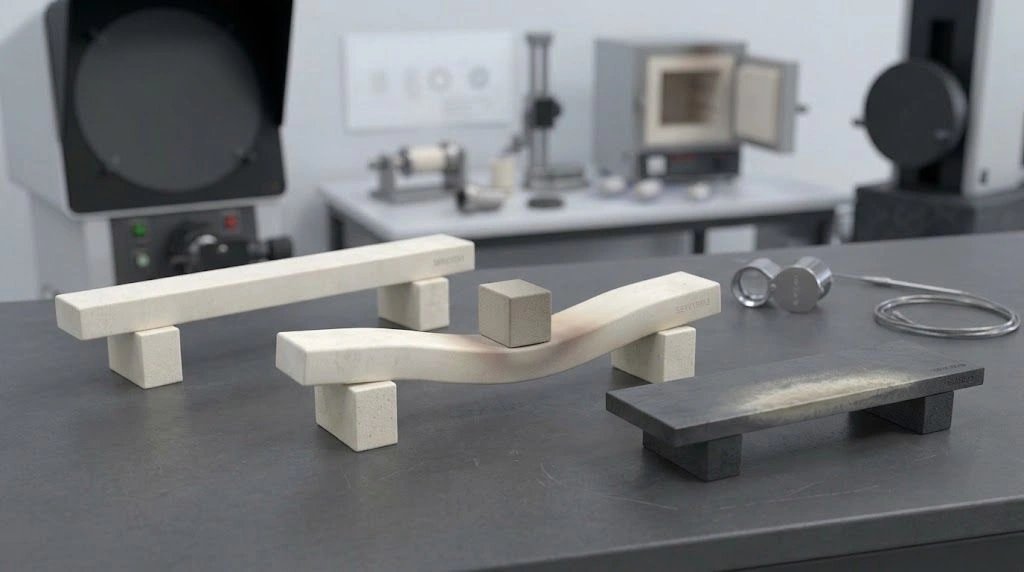
A ceramic’s melting point is not its maximum service temperature. Melting—or decomposition, dissociation, sublimation, or softening for some ceramics—is a
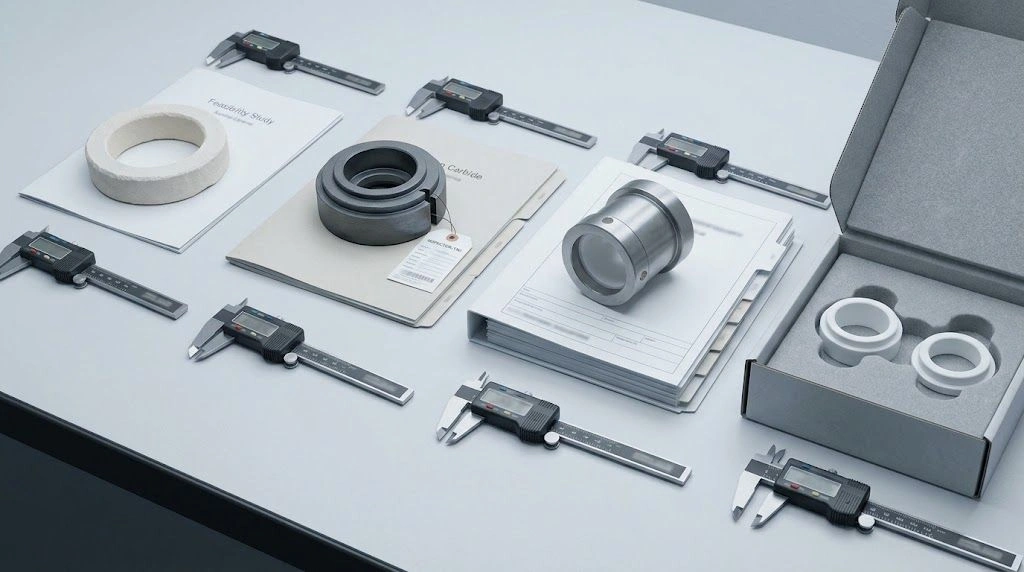
A ceramic part is feasible only when its critical features can be manufactured with process margin, measured by an agreed
A worn sample can start a replacement project, but it should not be copied as an undamaged master. Wear may
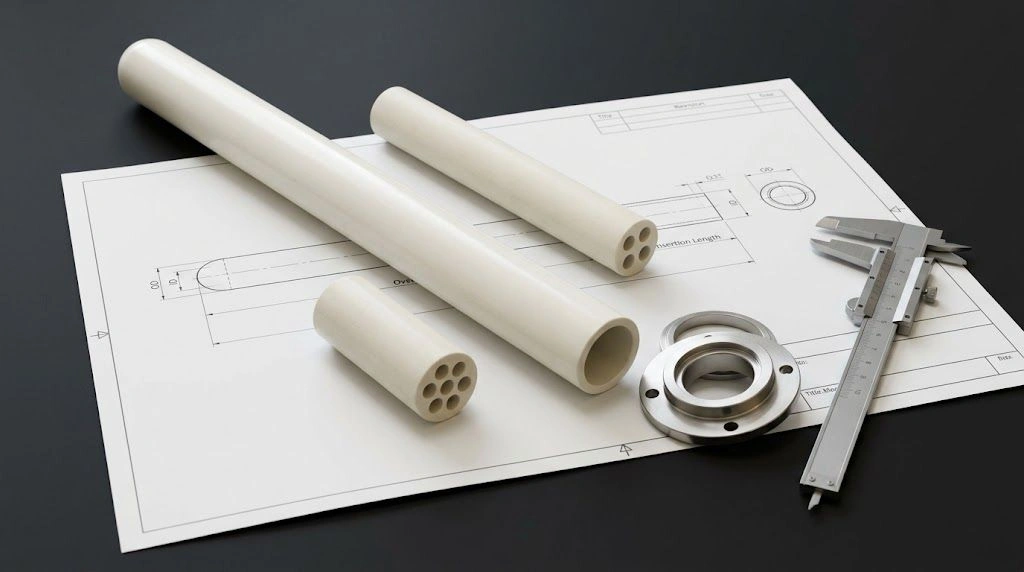
A quote-ready ceramic-part RFQ should include the current drawing and revision, available 3D model, part function, assembly position, ceramic grade
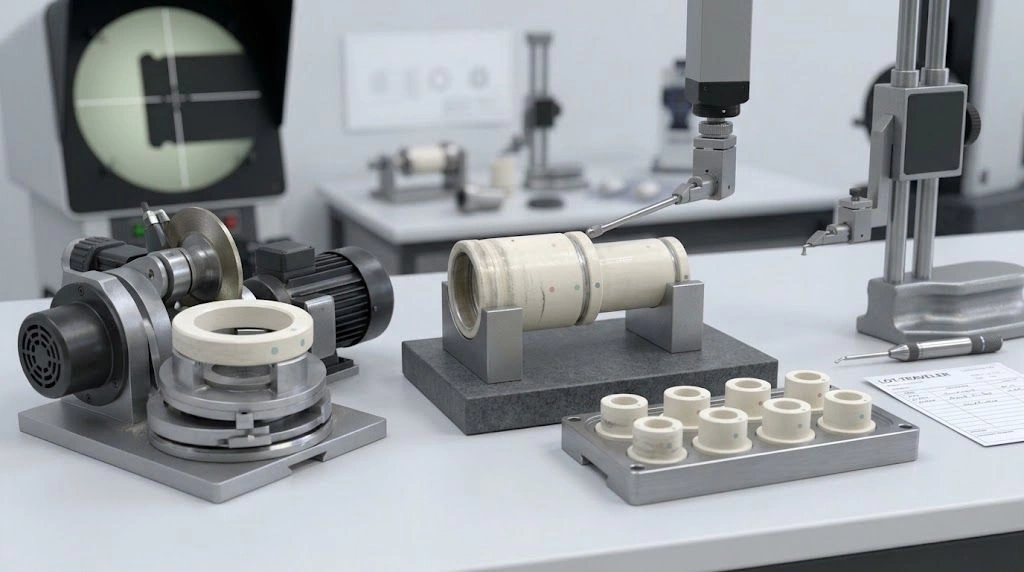
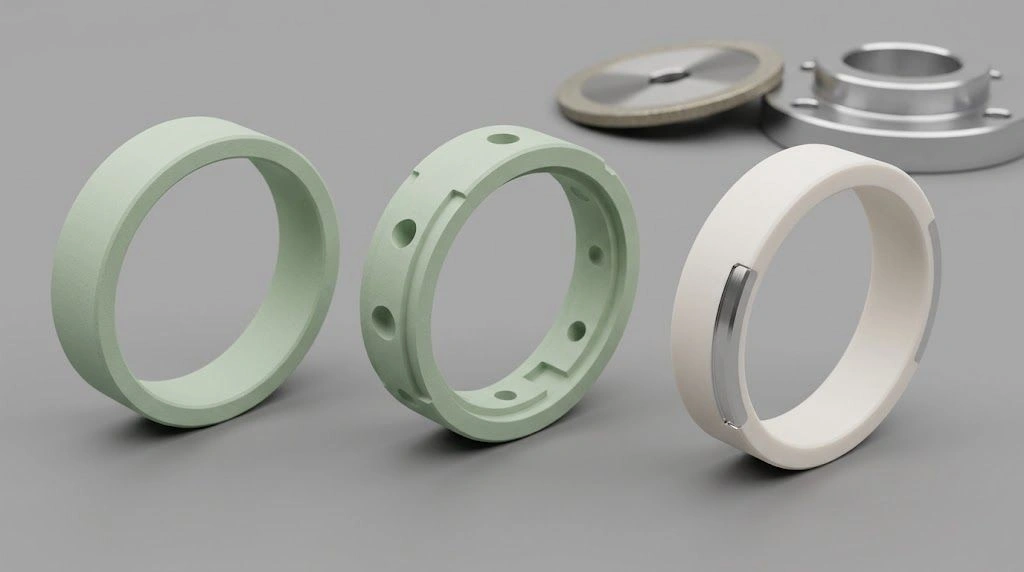
Tight ceramic tolerances increase cost when they move a feature from forming or green machining into post-sinter diamond grinding, lapping,
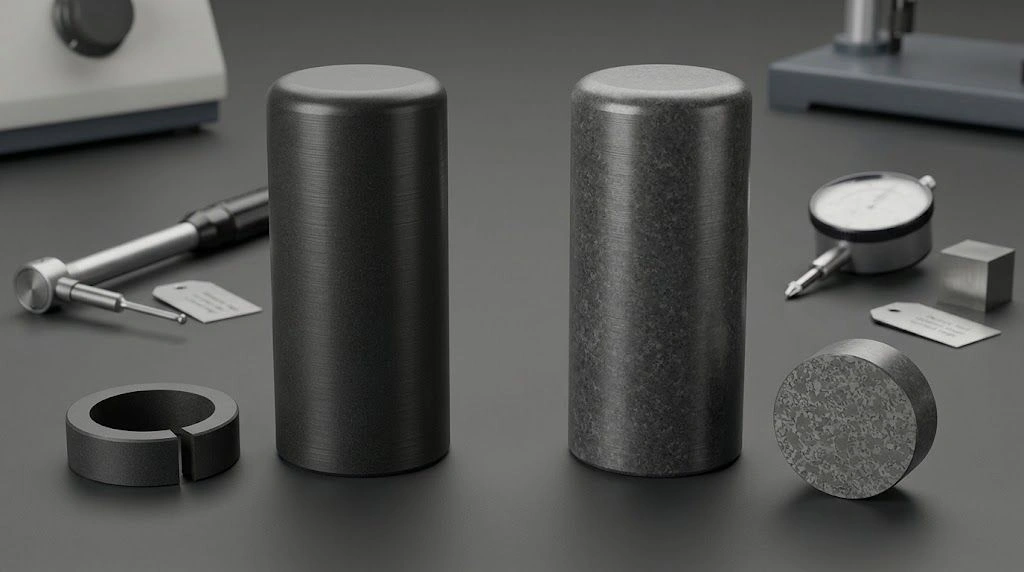
Choose SSiC when purity, absence of residual metallic silicon, or media that may attack free silicon controls the decision. Consider
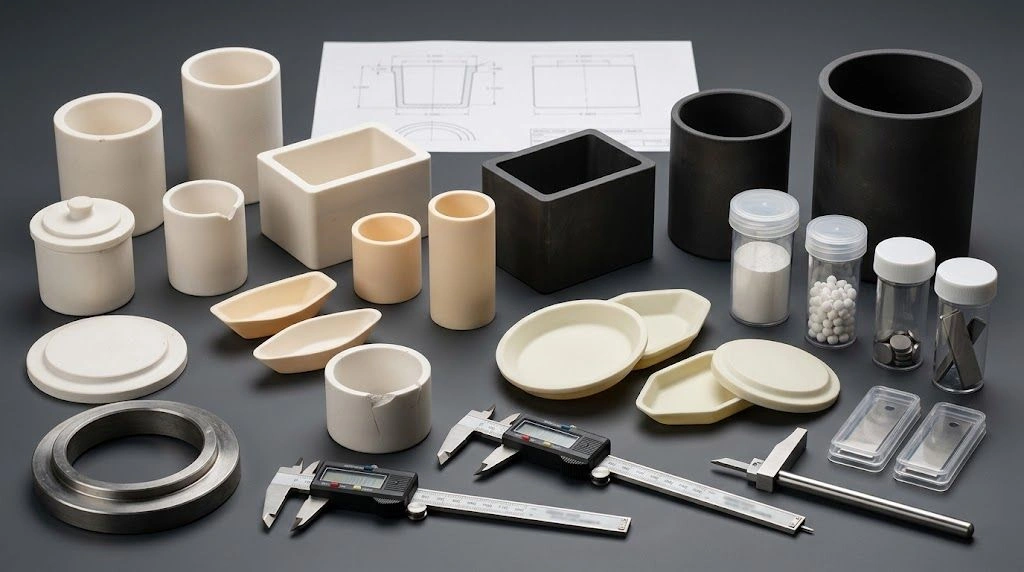
For an initial custom-crucible quote, provide the application, contained material, normal and peak temperatures, furnace atmosphere, preferred material or required
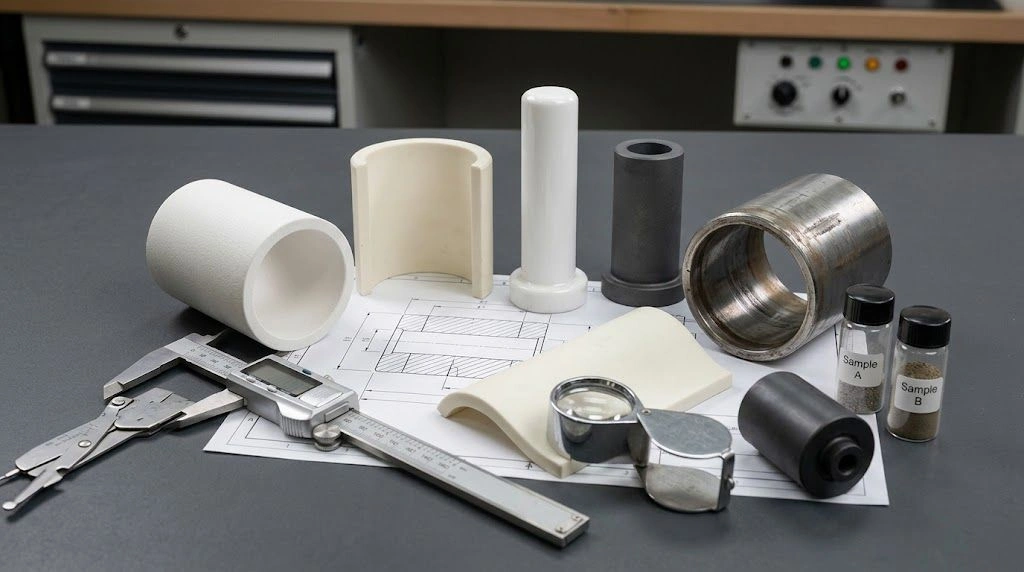
Choose alumina for a wear sleeve when abrasion resistance, dimensional stability, temperature capability, and cost control dominate—and the assembly avoids
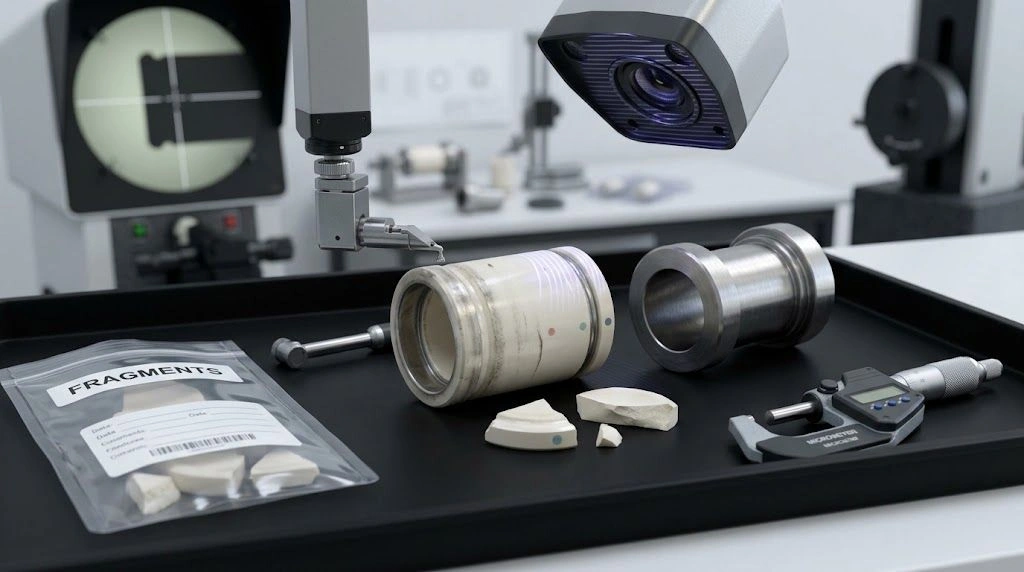
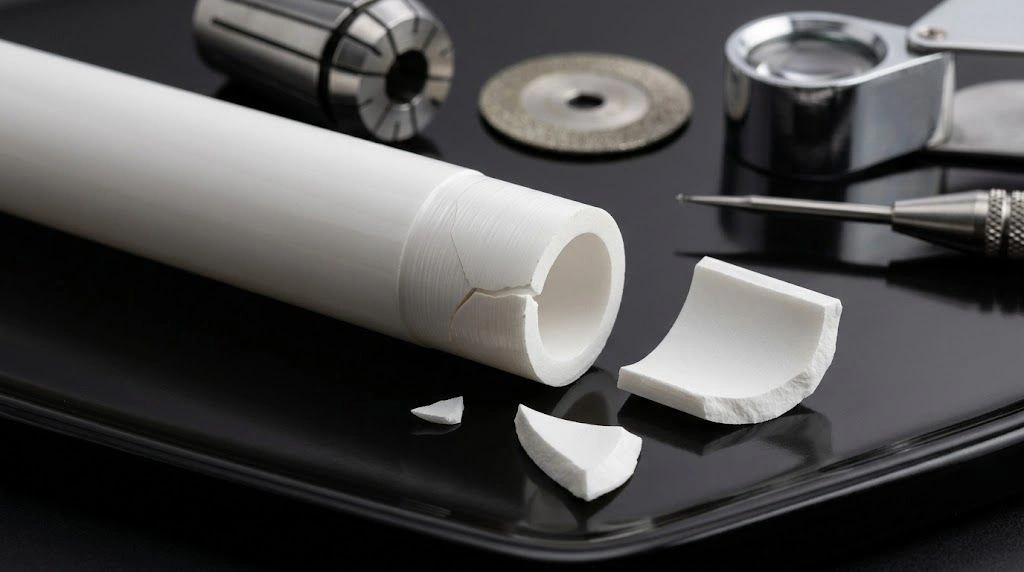
A zirconia tube cracks during grinding when tensile stress at an existing or grinding-created flaw exceeds the tube’s local resistance
Select a crucible from the complete process, not a maximum-temperature value. Record the sample, flux, binder, impurities and expected reaction
Send your drawing, material requirement, dimensions, quantity, and working conditions — our engineering team reviews manufacturability before quotation.

WhatsApp us
The more details you provide, the faster we can quote.
*All inquiries are confidential.