TOPIC ARCHIVE

Article: SiC Ceramic

Engineering articles on silicon carbide ceramic: oxidation behavior, thermal conductivity, grade comparison (SSiC, RBSC, NBSC), and severe-service applications. For engineers evaluating SiC for furnace, burner, heat exchanger, and corrosive environments.

ADCERAX Ceramics Catalog

Materials, product forms, and capabilities in one PDF.

Hexagonal boron nitride is a layered ceramic made of hexagonal sheets of boron and nitrogen atoms. That structure gives h-BN

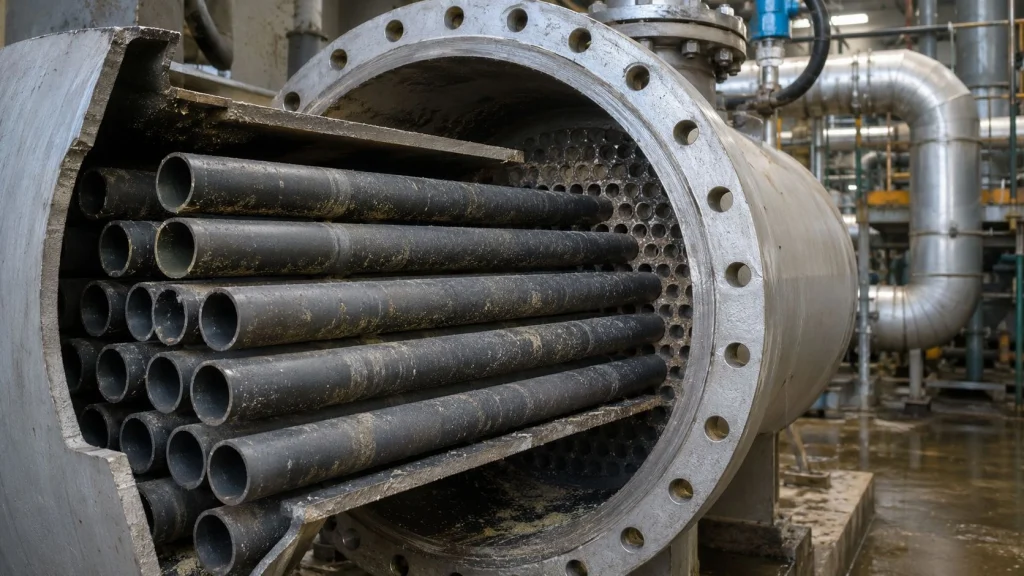
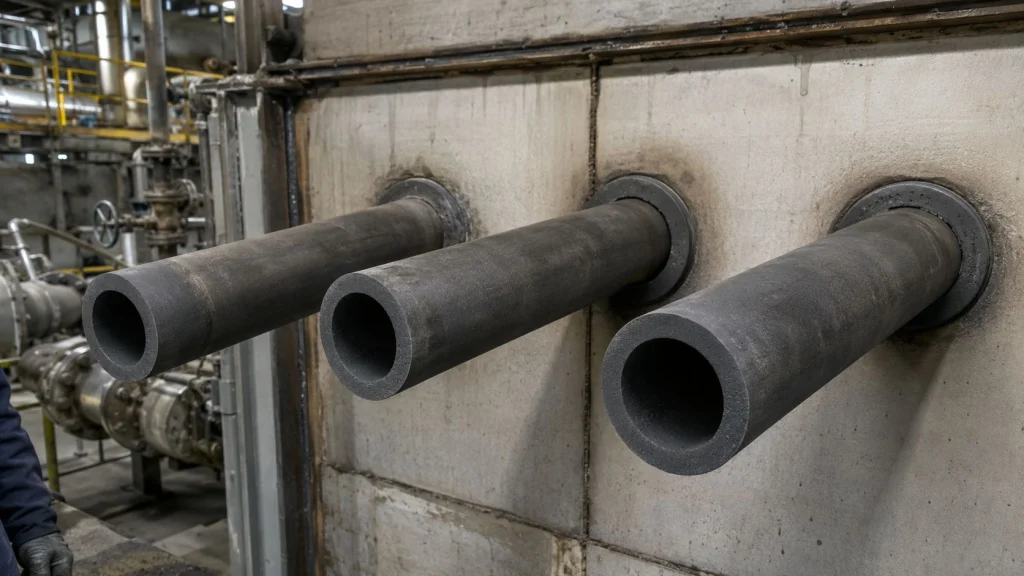
SiC tubes are a strong choice in FGD heat exchangers when the unit must transfer heat in a sulfuric-acid-dew-point-risk environment

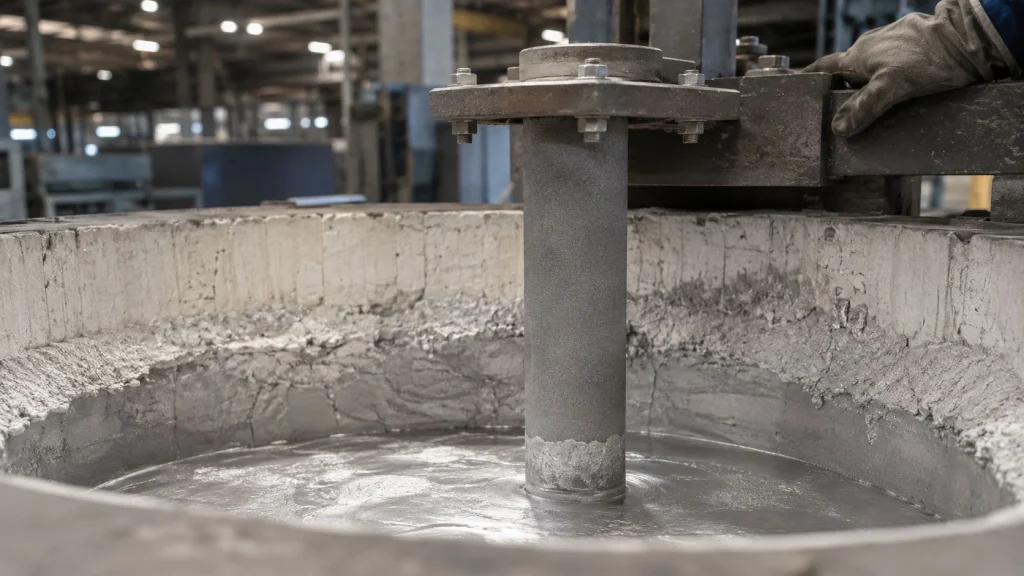
Component roles, SiC vs silicon nitride/sialon boundaries, and RFQ fields for aluminum degassing ceramic tubes. When a purchase request says

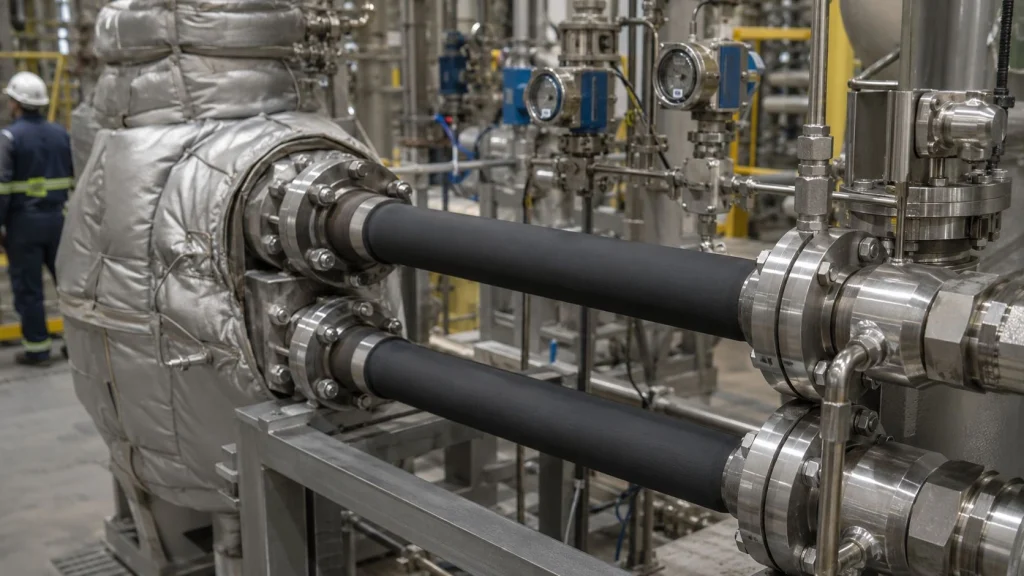
Specifying a SiC tube as a hydrogen barrier in high-temperature service requires answering a question that most SiC tube product

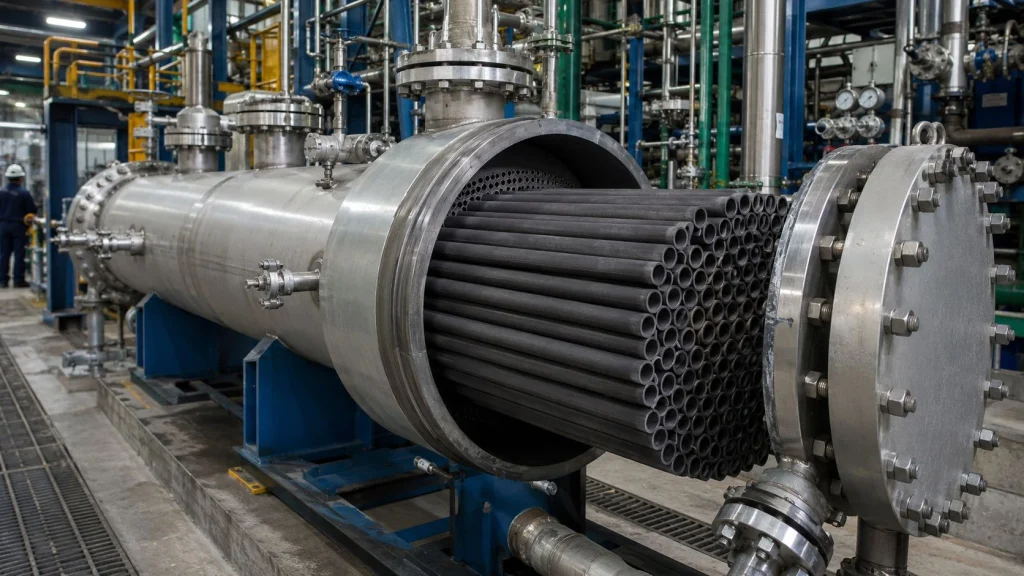
Choosing between SiC and alumina for ceramic heat exchanger tubes is a question that usually starts with a conductivity number

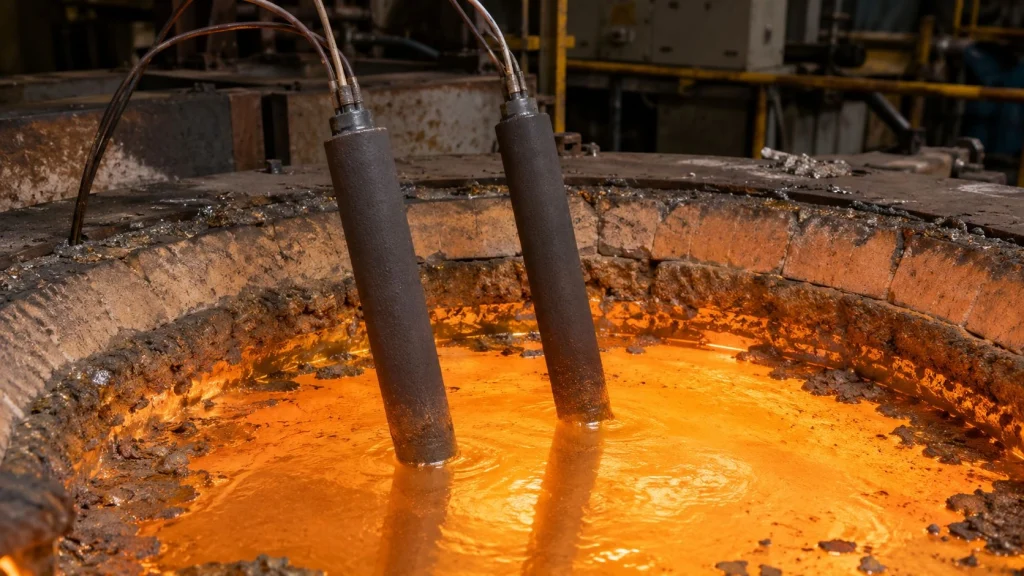
Choosing a protection tube for molten aluminum temperature measurement looks straightforward until the next tube fails before the expected replacement

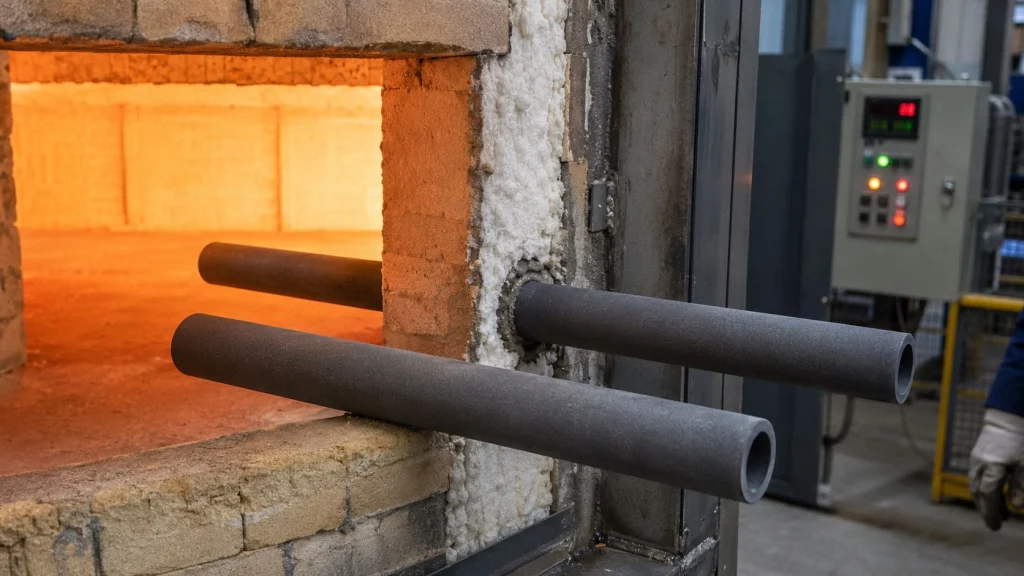
The question engineers ask when a SiC tube is specified for 1400°C furnace service is usually framed as a temperature

Specifying an RBSC tube for a chemically demanding service is not the same question as specifying a dense SiC tube.

The grade decision for a silicon carbide tube — pressureless sintered (SSiC), reaction-bonded (RBSC, also written RBSiC/SiSiC), or nitride-bonded (NBSC,

Tagged posts

33

Related Products

Need help selecting the right ceramic for your application?

Send your drawing, material requirement, dimensions, quantity, and working conditions — our engineering team reviews manufacturability before quotation.

Quick Quote

The more details you provide, the faster we can quote.

*All inquiries are confidential.

Download Catalog