
When Metallurgical Ceramics Replace Metals
Metallurgical ceramics are engineered for operating conditions that cause metal components to soften, oxidize, deform, wear or contaminate the process. Their high-temperature stability, hardness and chemical durability preserve component geometry and function through demanding production cycles.
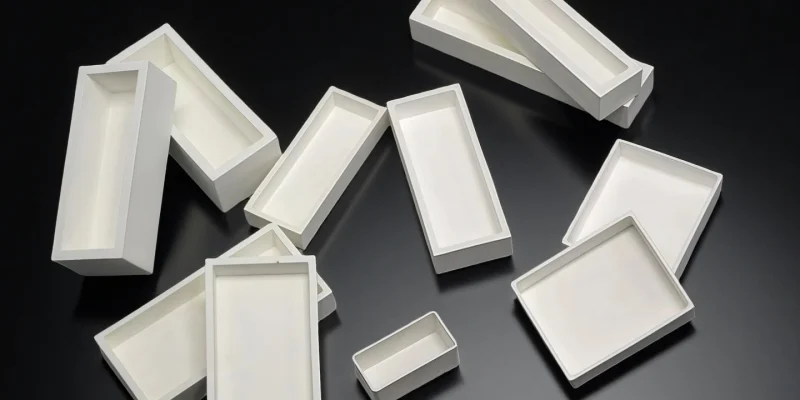
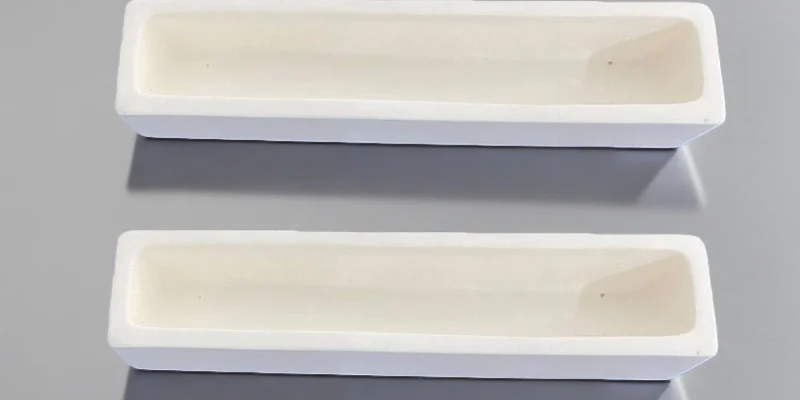
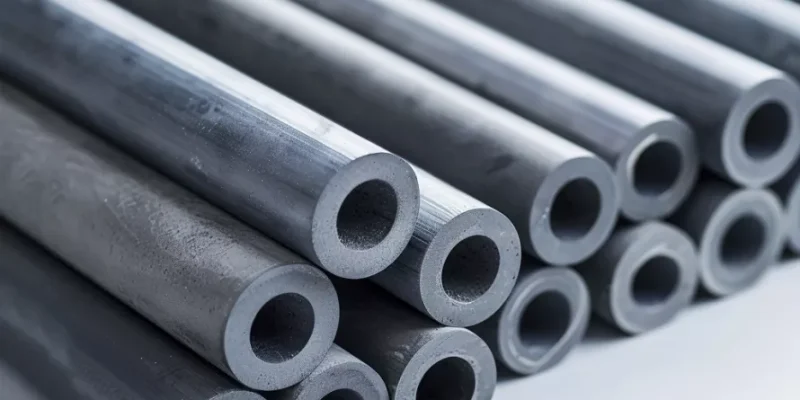
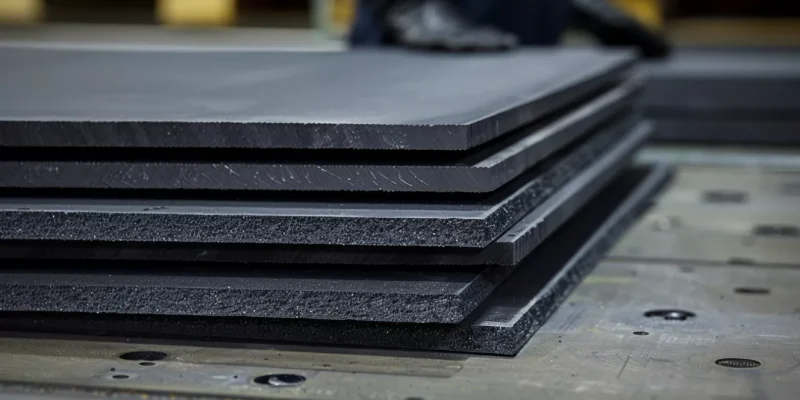
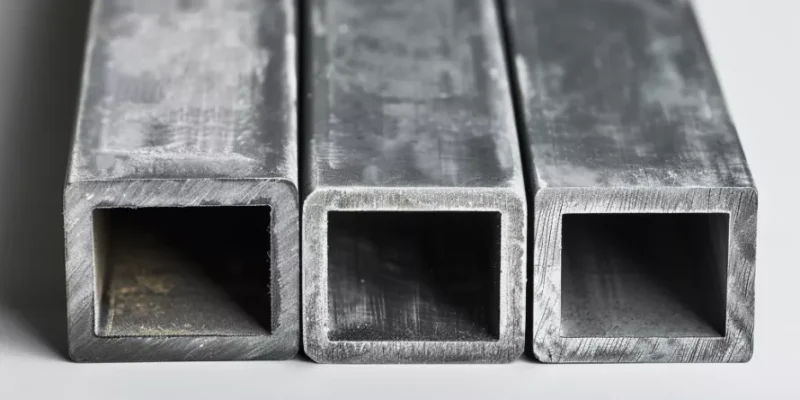
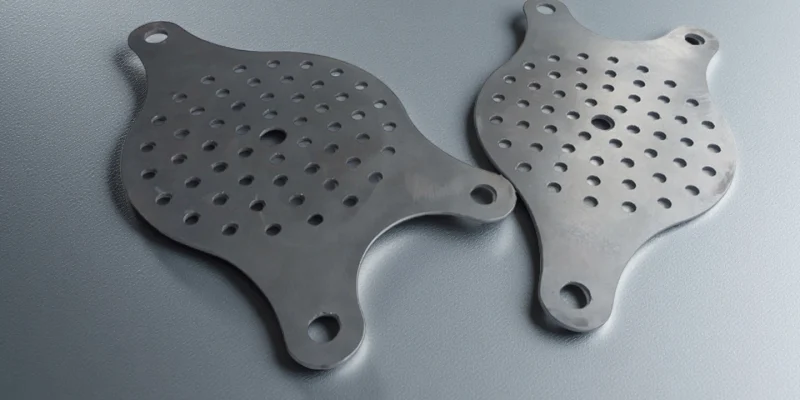
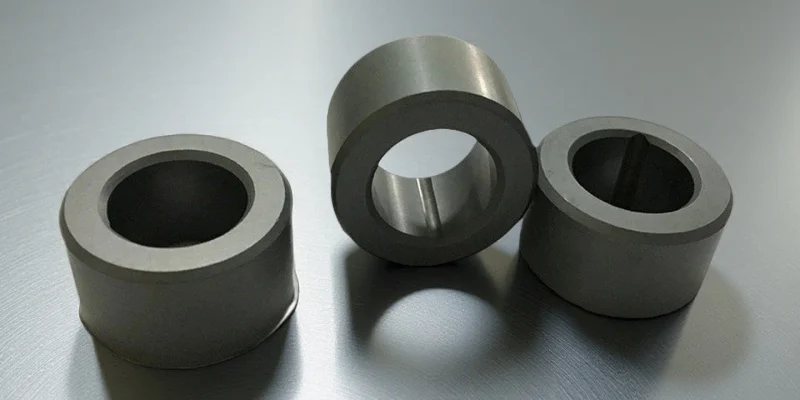
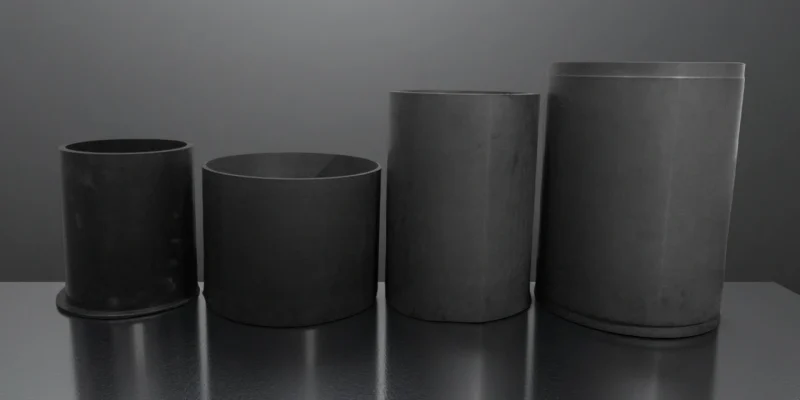
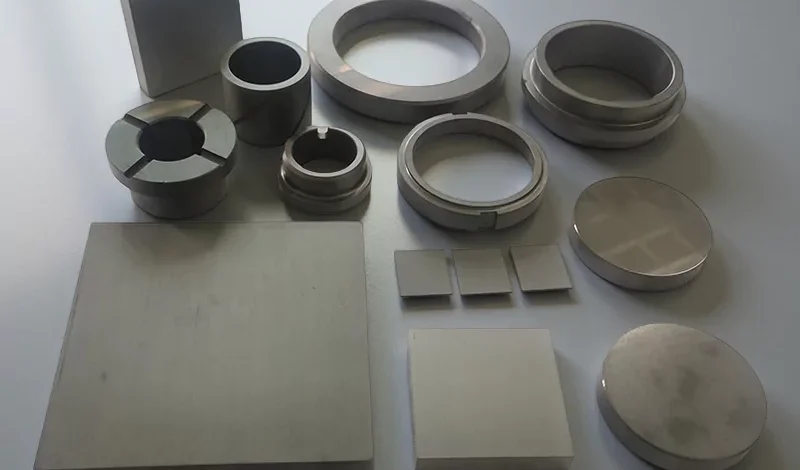
In steelmaking, aluminum handling, powder metallurgy and industrial furnaces, metallurgical ceramics are used as crucibles, protection tubes, flow-path components, kiln furniture, liners, sleeves, rings and wear parts.
ADCERAX manufactures custom metallurgical ceramic components in alumina, zirconia, silicon carbide, silicon nitride, boron nitride, magnesia and other advanced ceramic systems. Material, geometry and manufacturing route are engineered around the operating temperature, atmosphere, load, contact media and failure mode.
Holds shape through long hot cycles
Limits slag and melt contamination
Prevents arcing and stray currents
Resists erosion from particles

ADCERAX Metallurgical Ceramics Properties
In real metallurgical systems, heat, electrical exposure, chemical contact, and mechanical load interact continuously, shaping how metallurgical ceramics perform over time.
Thermal Characteristics of Metallurgical Ceramics
| Material System | Continuous Service Temp (°C) | Thermal Shock ΔT (°C) | CTE (×10⁻⁶/K, 25–1000 °C) | Thermal Conductivity (W/m·K @25 °C) | Test Conditions | Limiting Factors |
|---|---|---|---|---|---|---|
| Alumina (Al₂O₃) | 1600 | 250 | 7.8 | 25 | Air, slow heating | Thermal shock cracking |
| ZTA | 1550 | 350 | 7.5 | 20 | Air, cyclic heating | Phase mismatch stress |
| Zirconia (ZrO₂, YSZ) | 1400 | 400 | 10.5 | 2.5 | Air, rapid cycling | Low thermal conductivity |
| MSZ (Mg-PSZ) | 1700 | 300 | 10.2 | 3.0 | Long hold, oxidizing | Aging at mid-temperature |
| SiC (SSiC/RBSiC) | 1650 | 500 | 4.2 | 120 | Inert / reducing | Oxidation above 1400 °C |
| NBSiC | 1500 | 300 | 4.5 | 30 | Furnace atmosphere | Nitride oxidation |
| Boron Nitride (BN) | 1800 (inert) | >500 | 1.0 | 35 | Vacuum / inert gas | Oxidation in air |
| Silicon Nitride (Si₃N₄) | 1200 | 400 | 3.2 | 30 | Cyclic mechanical load | Oxidation over time |
| Aluminum Nitride (AlN) | 1400 | 300 | 4.5 | 170 | Dry, non-oxidizing | Hydrolysis sensitivity |
| Magnesia (MgO) | 2000 | 200 | 13.5 | 45 | Basic slag contact | Thermal cracking |
| Boron Carbide (B₄C) | 1500 | 250 | 5.6 | 30 | Abrasive heating | Brittleness |
Electrical Characteristics of Metallurgical Ceramics
| Material System | Volume Resistivity (Ω·cm @25 °C) | Dielectric Strength (kV/mm) | Dielectric Constant (1 MHz) | Test Conditions | Limiting Factors |
|---|---|---|---|---|---|
| Alumina | 10¹⁴ | 12 | 9.5 | Dry air | Resistivity drops with temperature |
| ZTA | 10¹³ | 10 | 10 | Dry air | Grain boundary conduction |
| Zirconia | 10⁸–10¹⁰ | 8 | 25 | Elevated temperature | Ionic conductivity |
| MSZ | 10⁹ | 7 | 22 | High temperature | Oxygen ion mobility |
| SiC | 10⁻²–10⁻¹ | — | — | Intrinsic semiconductive | Electrical conductivity |
| NBSiC | 10⁴ | — | — | Nitride bonded | Partial conductivity |
| Boron Nitride | 10¹⁵ | 9 | 4 | Inert environment | Oxidation limits |
| Silicon Nitride | 10¹⁴ | 10 | 8 | Dry condition | Surface oxidation |
| Aluminum Nitride | 10¹³ | 15 | 8.5 | Dry, low humidity | Moisture sensitivity |
| Magnesia | 10¹² | 9 | 9.8 | High temperature | Grain growth |
| Boron Carbide | 10⁻¹ | — | — | Semiconductive | Not insulating |
Chemical Characteristics of Metallurgical Ceramics
| Material System | Molten Metal Wettability (Contact Angle °) | Slag Resistance (pH Range) | Oxidation Resistance | Test Conditions | Limiting Factors |
|---|---|---|---|---|---|
| Alumina | 120–140 | 4–9 | Stable <1400 °C | Air, Al melt | Alkali attack |
| ZTA | 115–135 | 4–9 | Stable | Mixed slag | Phase corrosion |
| Zirconia | >140 | 3–10 | Stable | Steel melts | Reduction environments |
| MSZ | >145 | 3–11 | Stable | Long-term slag | Phase aging |
| SiC | >150 | 2–10 | Oxidizes >1400 °C | Reducing | Oxide scale |
| NBSiC | >140 | 3–9 | Limited | Furnace atmosphere | Nitride oxidation |
| Boron Nitride | >160 | 1–14 | Poor in air | Vacuum / inert | Oxidation |
| Silicon Nitride | >130 | 3–9 | Moderate | Gas furnaces | Oxidation |
| Aluminum Nitride | >140 | 3–9 | Moderate | Dry atmosphere | Hydrolysis |
| Magnesia | <90 | 9–14 | Stable | Basic slag | Acid dissolution |
| Boron Carbide | >150 | 3–10 | Stable | Abrasive melts | Brittleness |
Mechanical Characteristics of Metallurgical Ceramics
| Material System | Hardness (HV) | Flexural Strength (MPa) | Fracture Toughness (MPa·m¹ᐟ²) | Test Conditions | Limiting Factors |
|---|---|---|---|---|---|
| Alumina | 1500 | 350 | 3.5 | 3-point bend | Brittle fracture |
| ZTA | 1400 | 600 | 6.0 | Room temp | Thermal mismatch |
| Zirconia | 1200 | 900 | 8–10 | Transformation toughened | Low stiffness |
| MSZ | 1150 | 700 | 7.0 | Long-term load | Aging |
| SiC | 2500 | 450 | 4.0 | Abrasive load | Brittle |
| NBSiC | 2000 | 300 | 3.0 | Structural load | Porosity |
| Boron Nitride | 50 | 60 | 2.0 | Machinable grade | Low strength |
| Silicon Nitride | 1600 | 900 | 6.5 | Rolling contact | Cost |
| Aluminum Nitride | 1100 | 320 | 3.0 | Dry environment | Moisture |
| Magnesia | 900 | 150 | 2.0 | High temp load | Thermal cracking |
| Boron Carbide | 3000 | 350 | 2.8 | Abrasion | Extreme brittleness |
ADCERAX Metallurgical Ceramics Across Core Industrial Functions
Within metallurgical production lines, ceramics are selected according to the functional roles they serve across heat exposure, material flow and structural support.

Thermal Containment and High-Temperature Processing
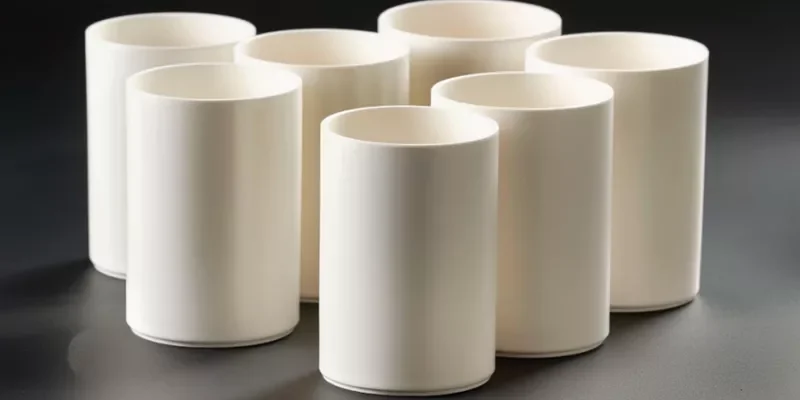
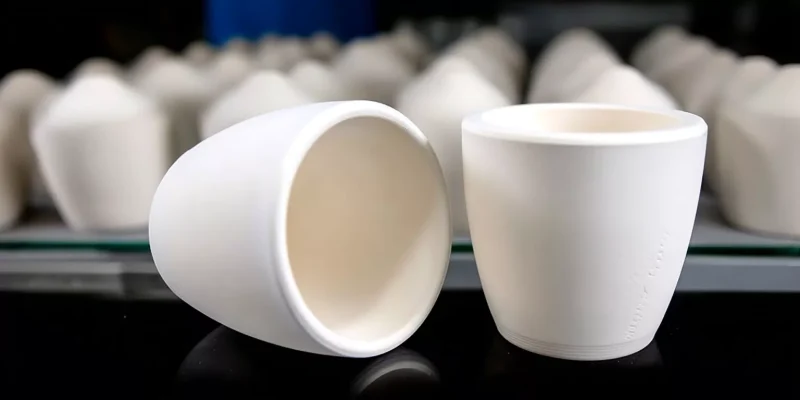
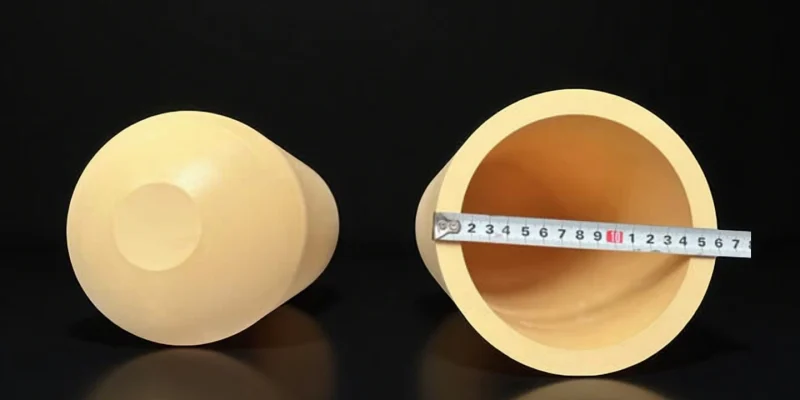
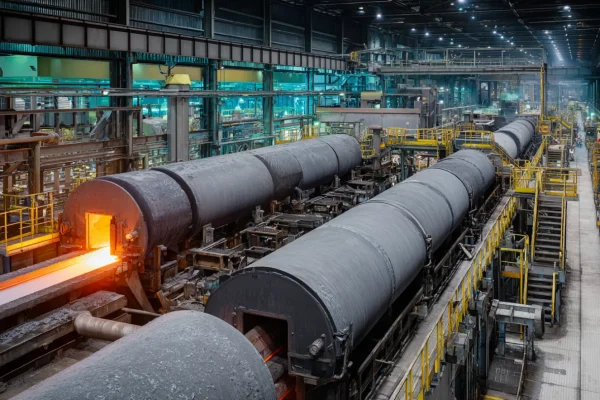
In metallurgical production, components exposed to molten metals and sustained furnace heat must maintain shape, chemistry, and thermal balance over long operating cycles.
- High temperature metallurgical ceramics maintain dimensional stability during repeated heating and cooling, which is essential for consistent melting, sintering, and heat treatment workflows.
- By remaining chemically inert at elevated temperatures, ceramics for metallurgy help prevent contamination that can alter alloy composition or test accuracy.
- Their insulating behavior supports safer thermal control where metal containers would soften, oxidize, or deform.



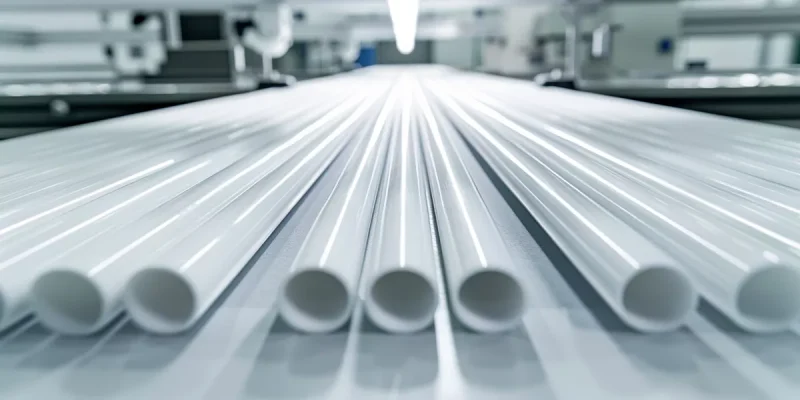
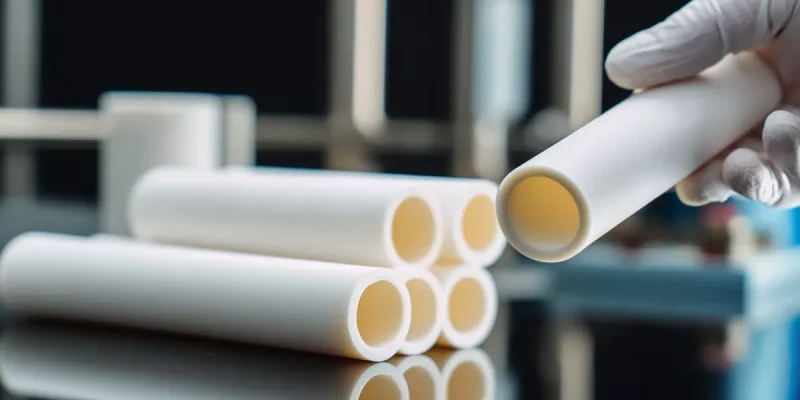
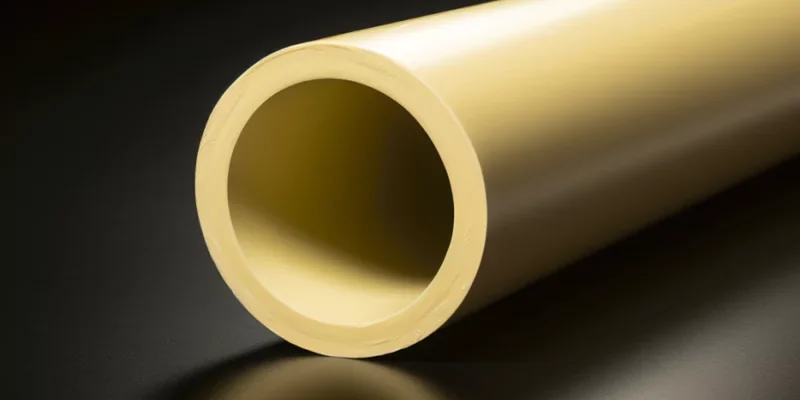
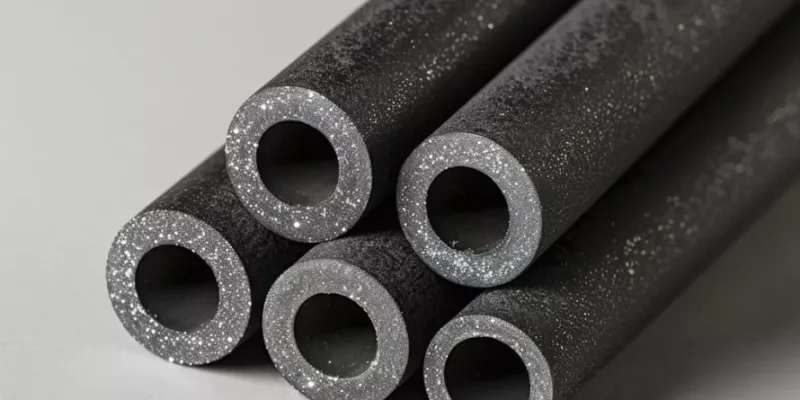
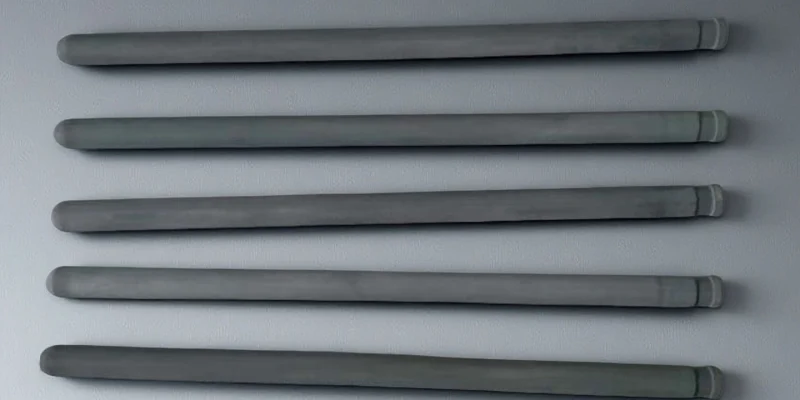
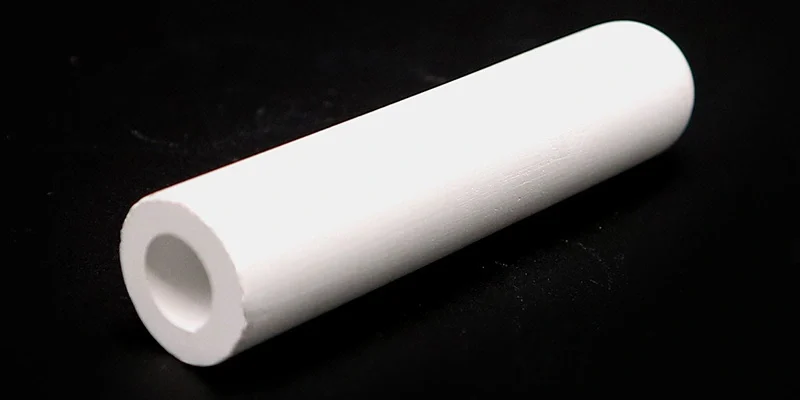
Flow Control, Tubes, and Protective Pathways
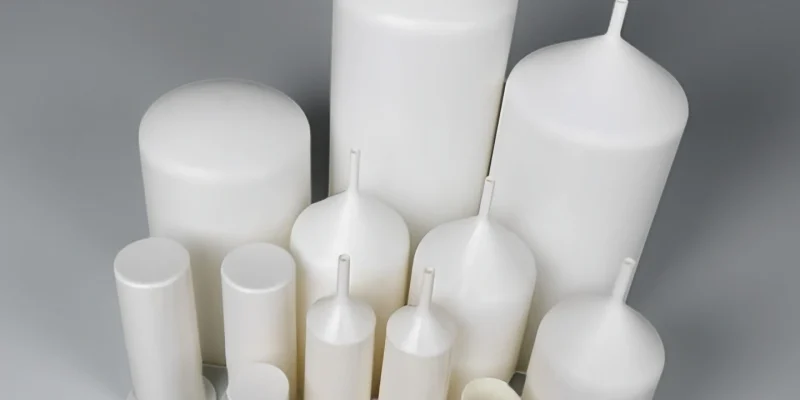
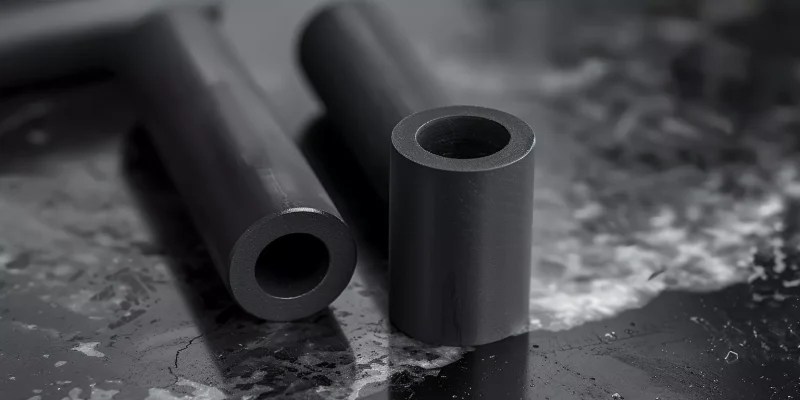
Metallurgical systems rely on controlled flow of gases, melts, and thermal signals, where internal surfaces must resist erosion and chemical attack.
- Industrial ceramics for metallurgy preserve internal geometry in tubes and channels, ensuring predictable flow and measurement accuracy.
- Low reactivity and smooth surfaces reduce buildup and blockage during long production runs.
- Electrical insulation enables safe operation near heaters, sensors, and thermocouples.


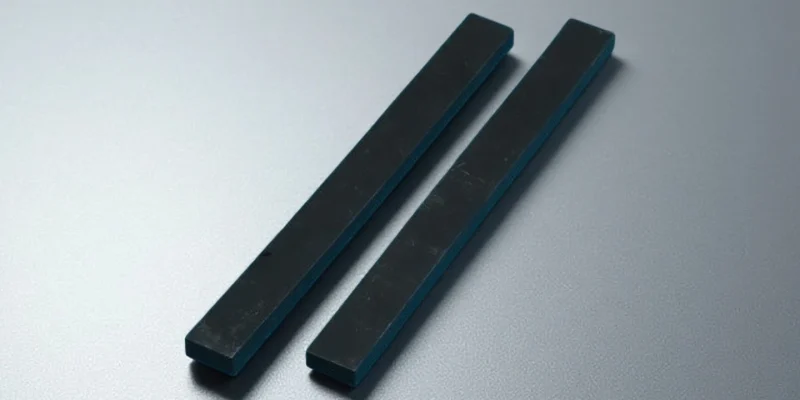
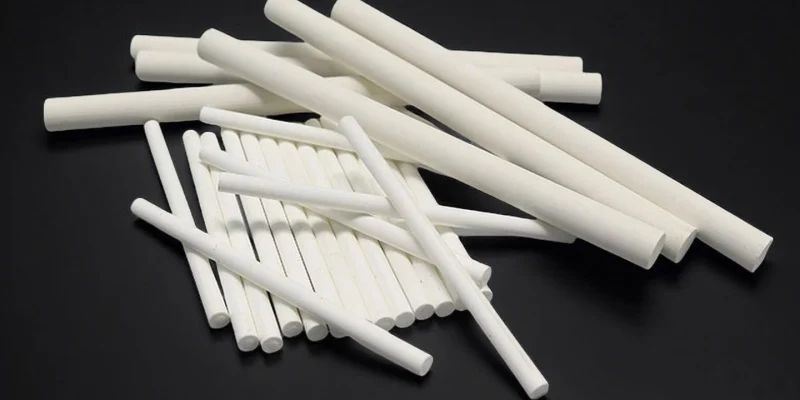
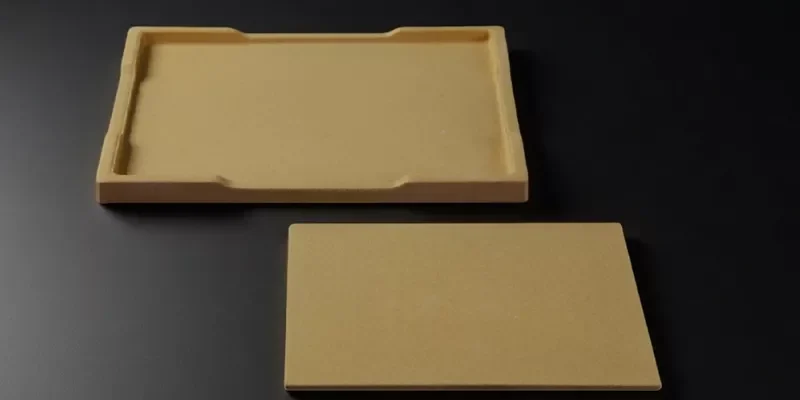
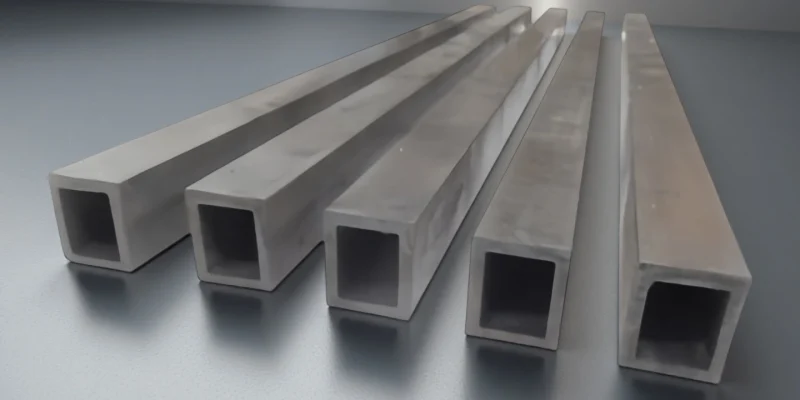
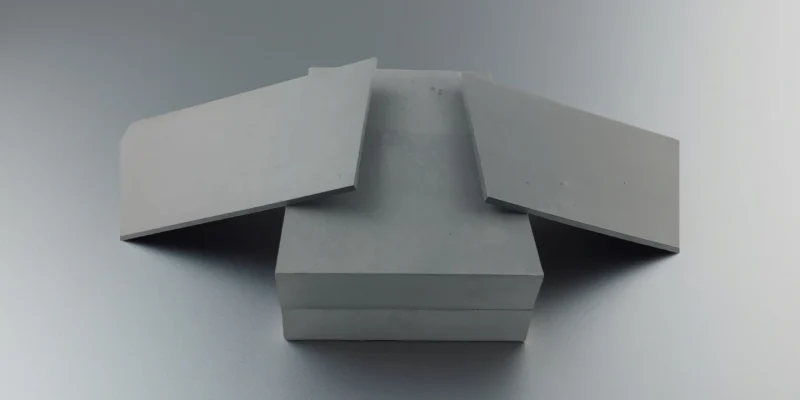
Structural Support and Furnace Furniture
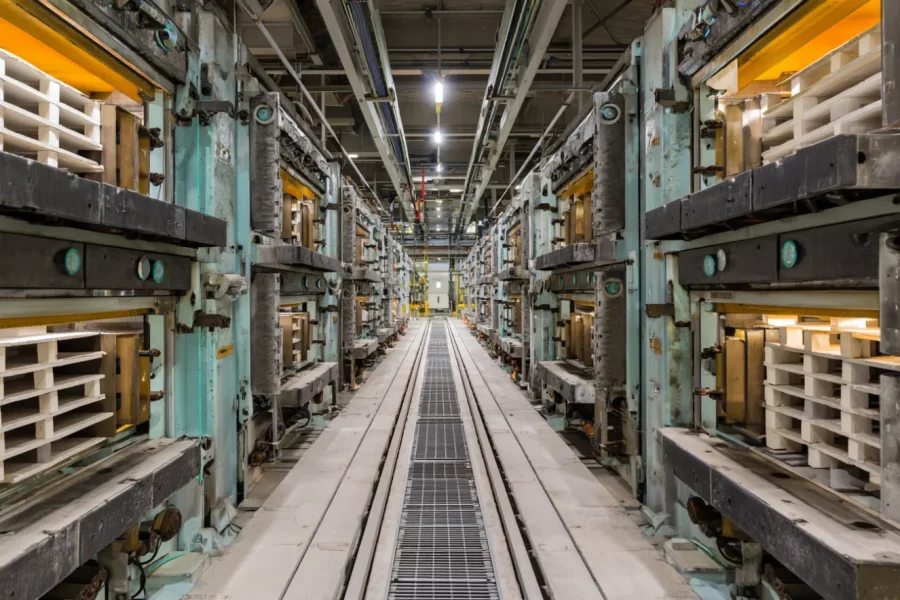
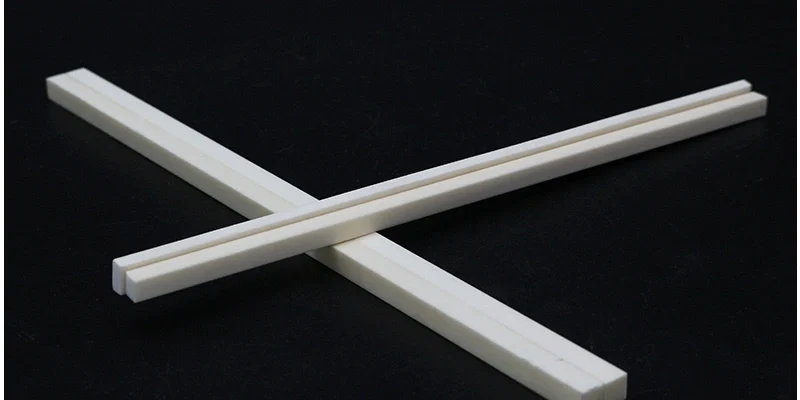
Load-bearing and support ceramics define how reliably furnaces and kilns operate under continuous weight and heat.
- Engineering ceramics for metallurgy carry mechanical loads without creep, supporting repeatable furnace geometry.
- Thermal compatibility across large structures reduces stress accumulation and cracking.
- Stable support components improve batch consistency and extend furnace service life.
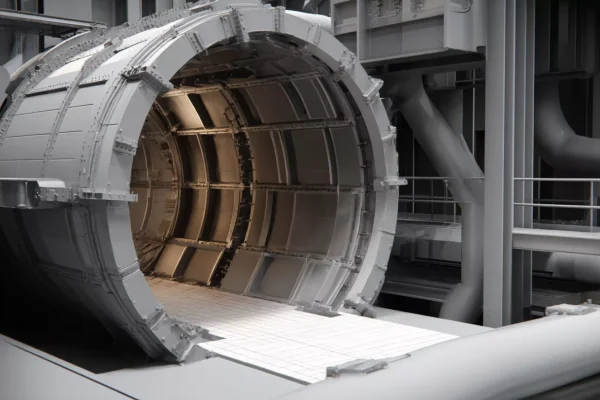
Wear Protection and Lining Systems
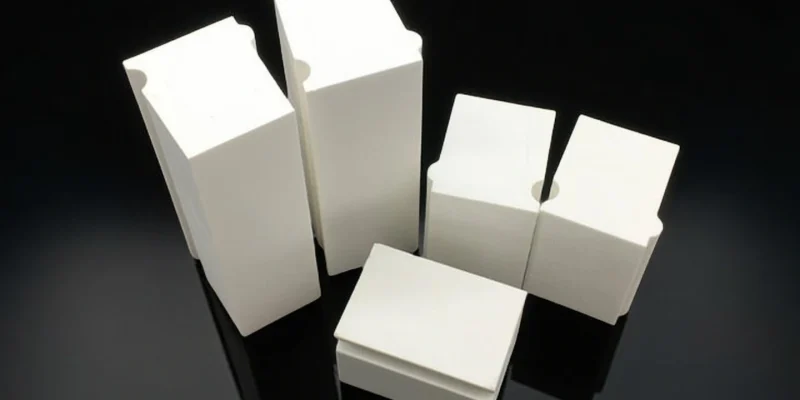
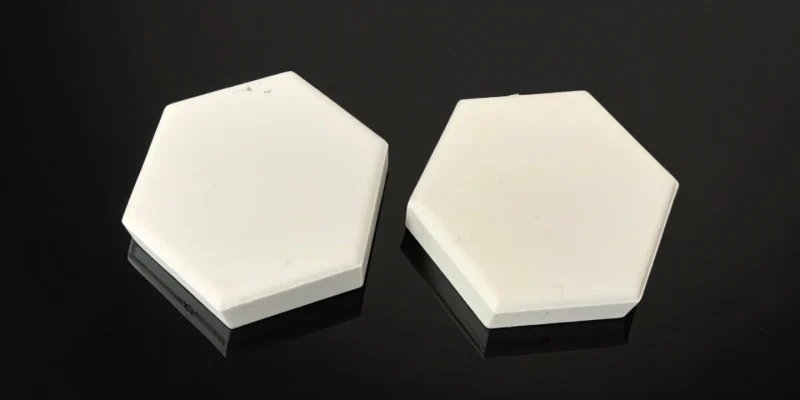
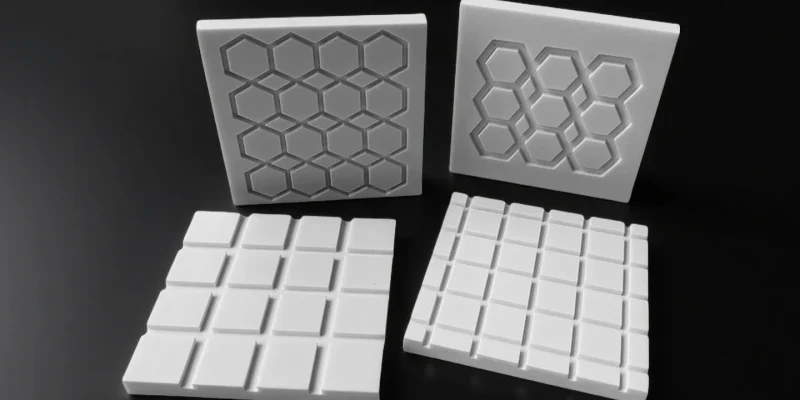
In abrasive and high-impact zones, ceramics act as sacrificial and protective layers that define maintenance cycles.
- Advanced ceramics for metallurgy reduce erosion in chutes, mills, and vessels exposed to continuous particle flow.
- High hardness and low wear rates help stabilize process efficiency over time.
- Modular ceramic linings simplify replacement and reduce downtime.



Precision Motion, Sealing, and Functional Components
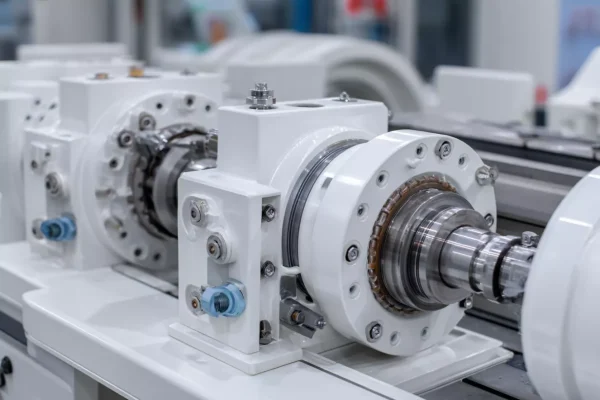
Beyond static structures, metallurgical systems depend on ceramic components that move, seal, or rotate reliably at temperature.
- Technical ceramics for metallurgy enable precision motion where lubrication and metals fail.
- Electrical insulation and chemical stability support safe operation in mixed environments.
- Dimensional consistency ensures predictable sealing and alignment.
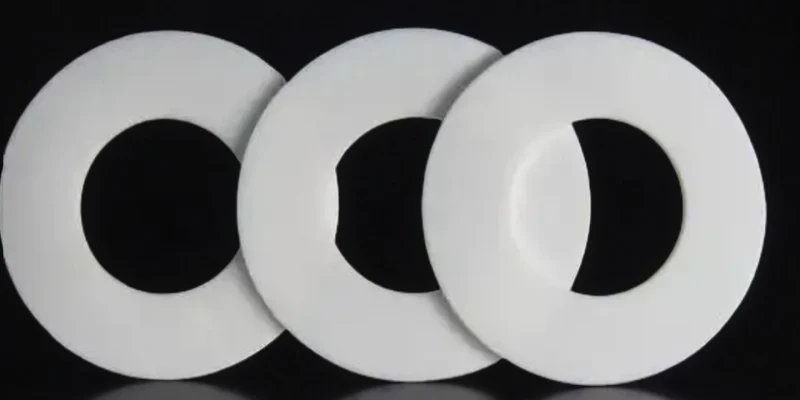
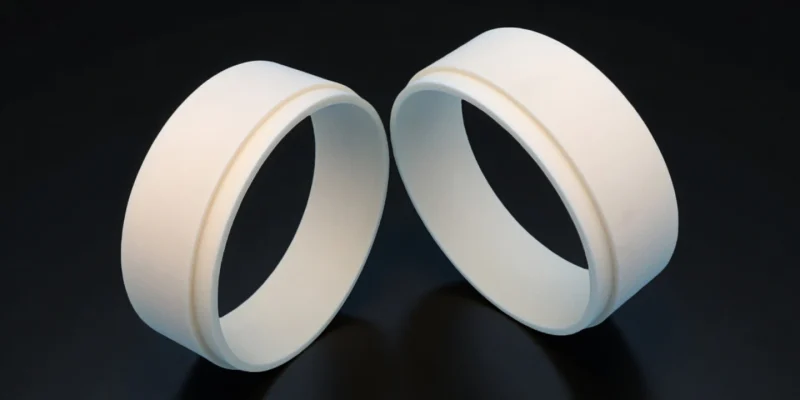

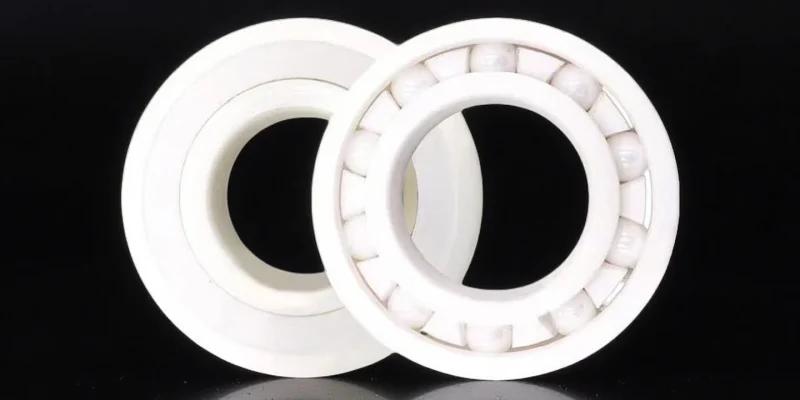
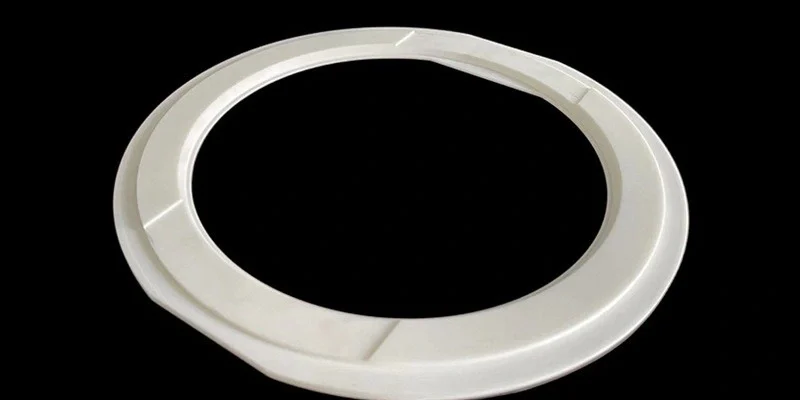
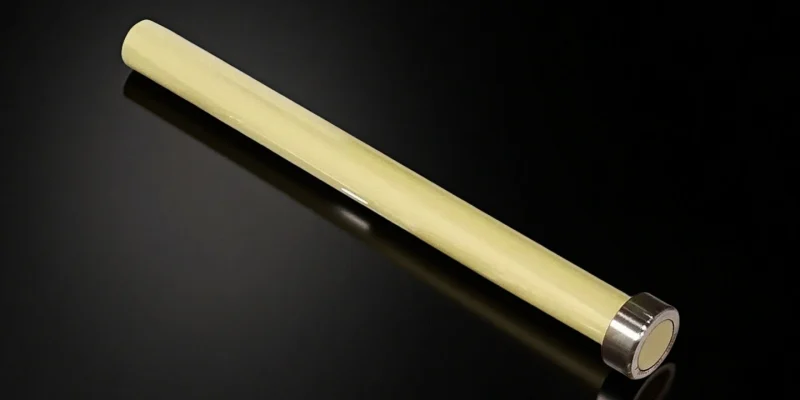
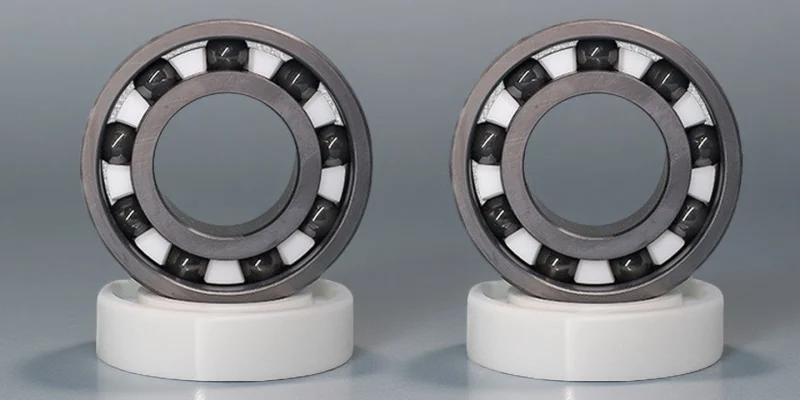
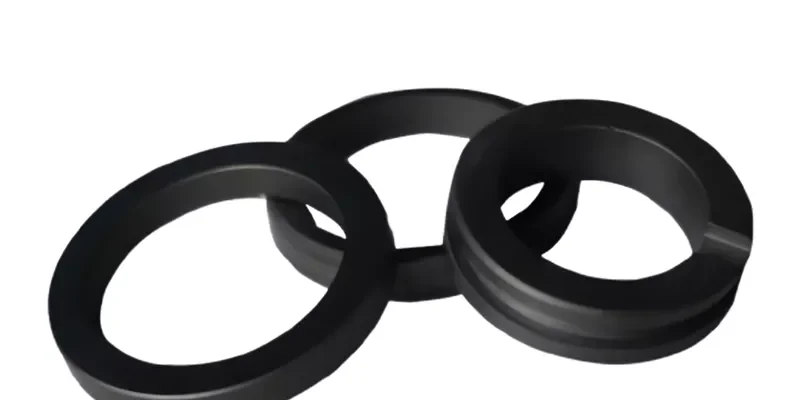

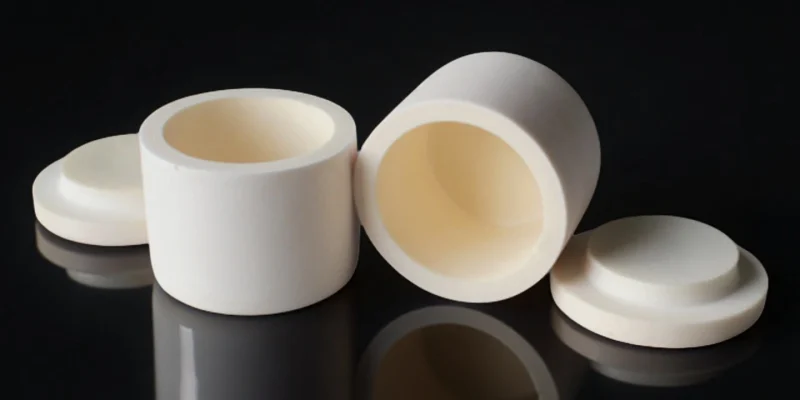

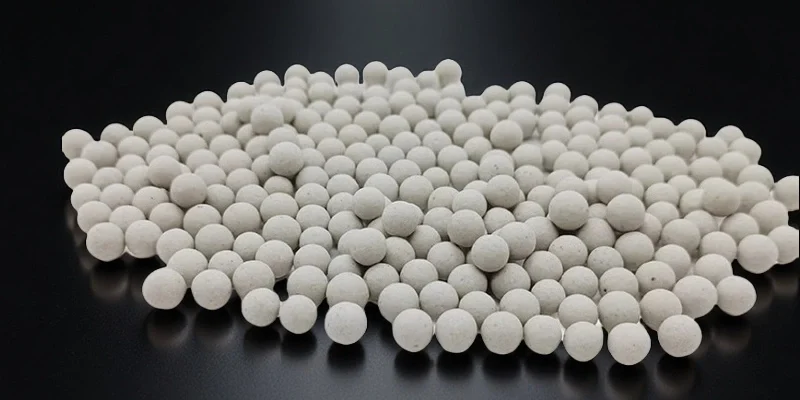
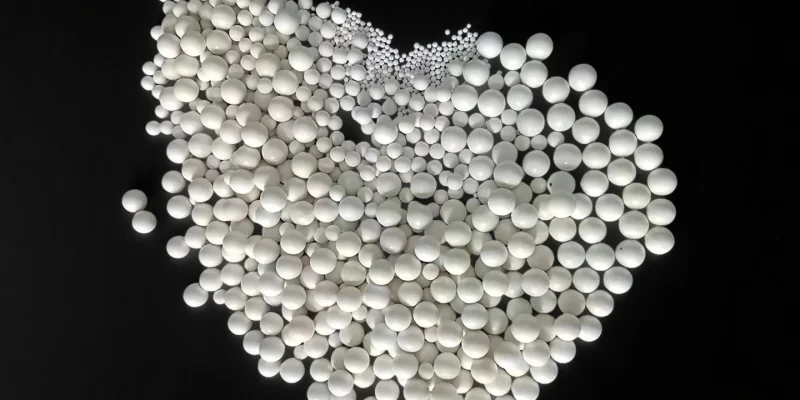
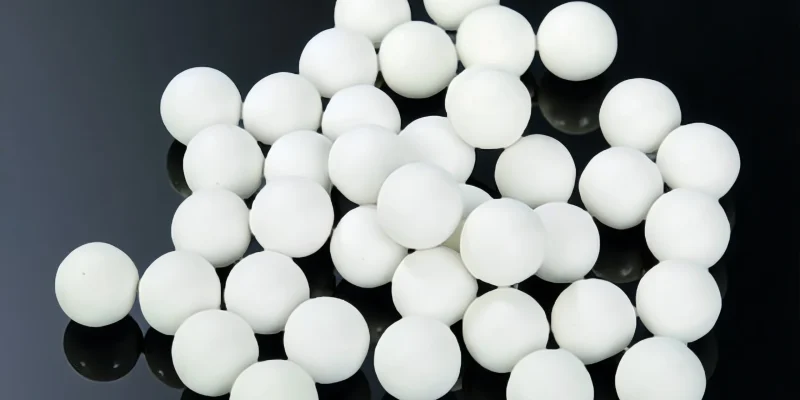

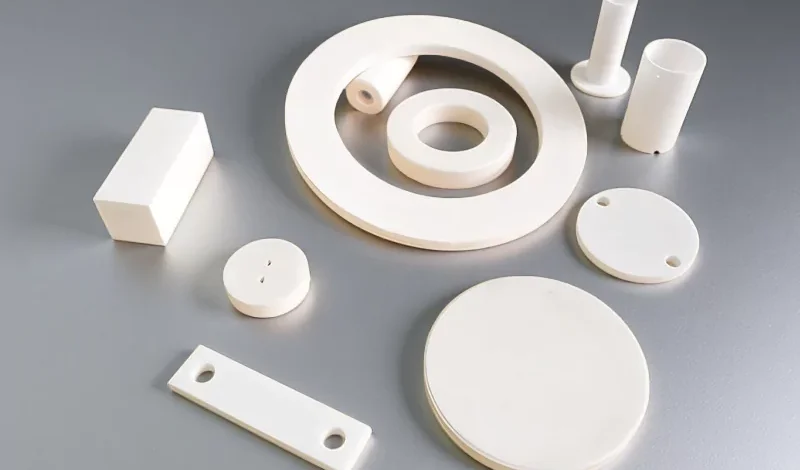
Can’t find the component you need? Explore our full product range or contact us for a custom ceramic solution.
Ceramics Chosen by Metallurgical Function
Effective metallurgical ceramics are defined by where and how they function within the process, not by generic material labels. ADCERAX works from application logic to deliver ceramics that match thermal load, wear mode, and service cycle.
Types of ADCERAX Metallurgical Ceramics
To support fast specification and accurate selection, ADCERAX organizes metallurgical ceramics by material systems that directly correspond to thermal load, wear mode, and chemical exposure.

Alumina Ceramic
Alumina ceramics form the backbone of industrial ceramics for metallurgy where thermal stability and cost control must remain balanced.

Zirconia Ceramic
Zirconia ceramics are selected in metallurgy where extreme temperature gradients and dimensional precision are critical.
ZTA Ceramics
Zirconia Toughened Alumina combines alumina stability with enhanced fracture resistance for mechanically stressed zones.
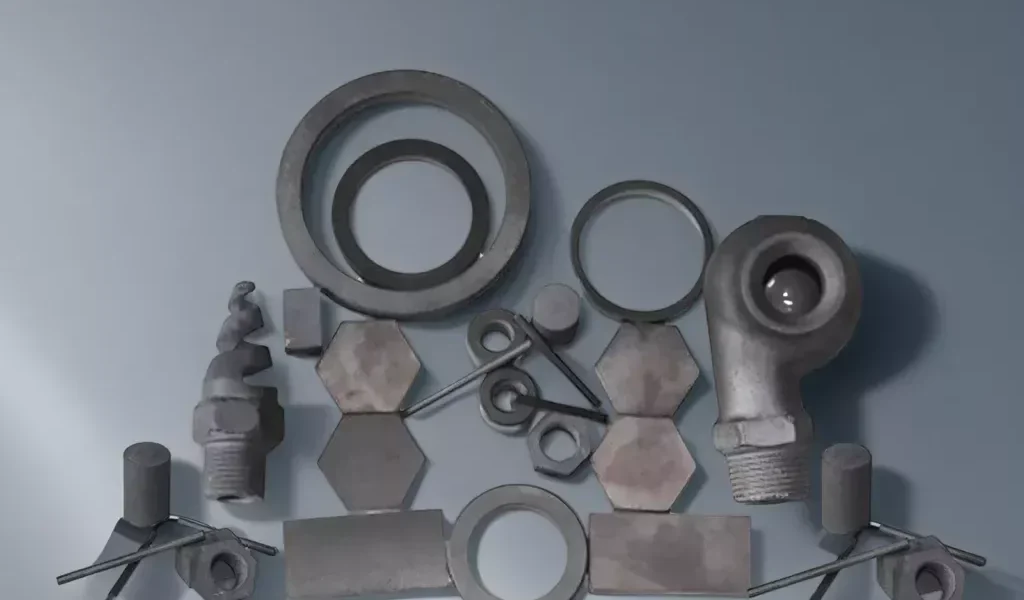
Silicon Carbide Ceramics
Silicon carbide ceramics dominate high temperature metallurgical ceramics where abrasion, corrosion, and thermal conductivity intersect.
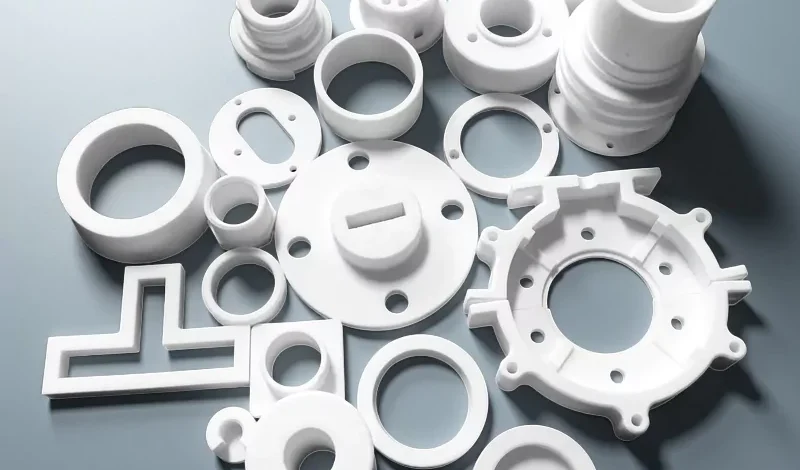
Boron Nitride Ceramics
Zirconia ceramics are selected in metallurgy where extreme temperature gradients and dimensional precision are critical.
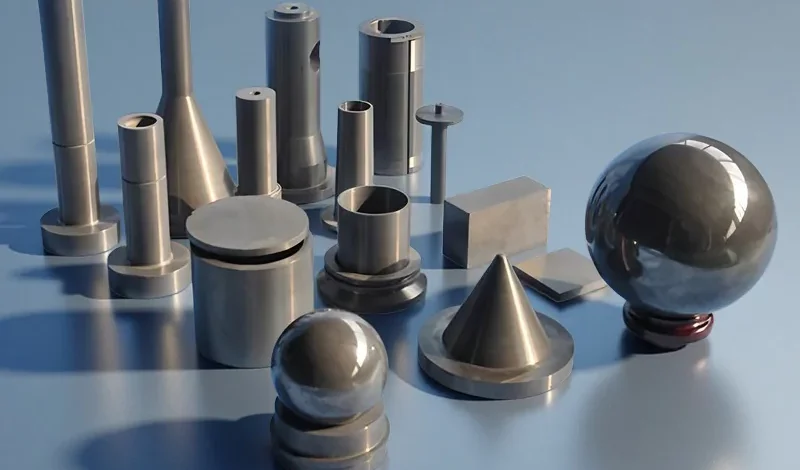
Silicon Nitride Ceramics
Silicon nitride ceramics are used where mechanical strength and wear resistance must coexist with thermal cycling.

Aluminum Nitride Ceramics
Aluminum nitride ceramics support metallurgical systems requiring efficient heat dissipation with electrical insulation.
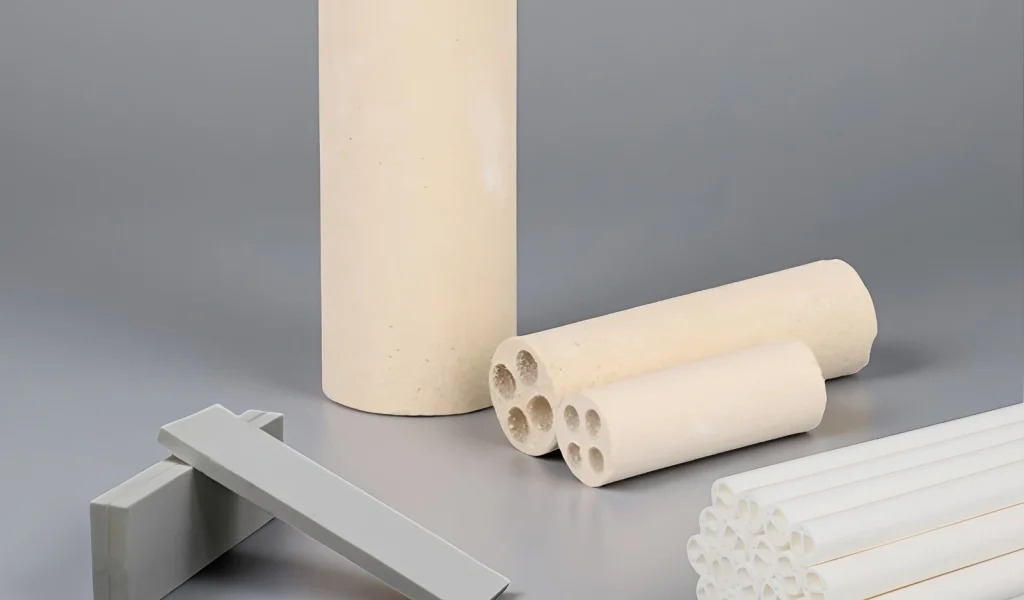
Magnesium Oxide Ceramics
Magnesia ceramics are applied in basic atmospheres and slag-rich metallurgical environments.
Boron Carbide Ceramics
Boron carbide ceramics serve extreme wear zones where hardness dominates material selection.
End-to-End Processing Support for Metallurgical Ceramics
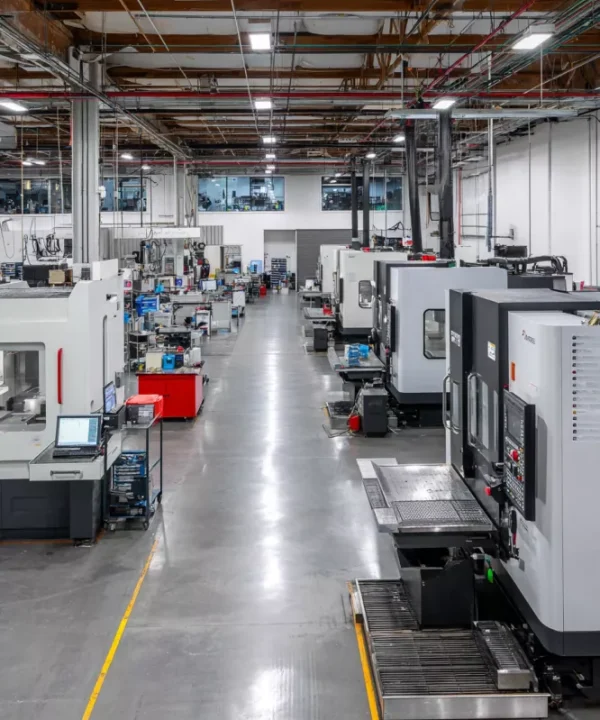
ADCERAX provides a single, integrated workflow for metallurgical ceramic components, covering every stage from material selection to final delivery.
This one-stop approach reduces coordination risk and ensures metallurgical ceramics remain consistent with real operating conditions rather than isolated specifications.
consistent composition across production batches
stable shapes before high temperature firing
predictable densification under controlled temperatures
tight tolerances for functional assemblies
interfaces optimized for contact performance
measured compliance with engineering drawings
ADCERAX Manufacturing Metallurgical Ceramics with Process-Level Control
High-Temperature Sintering
Controlled sintering defines the final density, grain structure, and service stability of metallurgical ceramic components.
Tunnel and box kilns up to 1800 °C
Density control within ±0.5% variation
Stable grain growth across long firing cycles
Precision Ceramic Machining
Post-sintering machining ensures metallurgical ceramics meet functional fit and assembly requirements in real equipment.
CNC grinding centers with diamond tooling
Dimensional tolerances down to ±0.02 mm
Consistent surface finish for mating interfaces
Complex Ceramic Forming
It determines whether metallurgical ceramics can be adapted to real furnace geometries, flow paths, and load-bearing structures.
Multi-axis extrusion and isostatic pressing
Thin-wall structures down to 2–3 mm
Large-format parts up to 1200 mm
Custom Metallurgical Ceramics for Process-Specific Demands
Every metallurgical system presents unique thermal profiles, chemical exposure, and mechanical loading conditions that standard ceramic parts cannot fully address.
ADCERAX works directly from drawings, samples, or operating parameters to deliver custom metallurgical ceramics that align with real furnace geometry, flow paths, and service cycles.
Contact ADCERAX to discuss your operating conditions and receive a ceramic solution matched to your metallurgical process.
ADCERAX Metallurgical Ceramics FAQs
Metals gradually creep, oxidize, or soften under sustained high temperatures, which leads to dimensional drift and premature failure. Metallurgical ceramics maintain stable crystal structures and elastic modulus even during continuous operation above 1000 °C. This stability allows furnace components to retain geometry and alignment throughout long production cycles.
Downtime often results from unpredictable component degradation rather than sudden failure. Metallurgical ceramics exhibit slow, predictable wear mechanisms instead of rapid deformation or oxidation. This allows maintenance teams to plan replacement intervals more accurately and avoid emergency shutdowns.
Thermal shock resistance depends on material selection rather than ceramics as a broad category. Properly engineered metallurgical ceramics, such as zirconia- or SiC-based systems, combine low thermal expansion with sufficient fracture toughness. This balance reduces crack initiation during repeated heating and cooling cycles.
Molten metals aggressively attack metallic alloys through dissolution and diffusion. Depending on the material route (for example alumina, zirconia, SiC or BN) and the specific metal, slag chemistry, temperature and atmosphere, a suitably selected metallurgical ceramic resists this attack far better than metal, helping limit melt contamination and extend component life. The right route and its compatibility must be confirmed for each metal and duty rather than assumed for the category as a whole.
Particle impact and abrasion rapidly erode metal liners and chutes. Wear-resistant metallurgical ceramics distribute contact stress across hard, stable surfaces. This significantly slows material loss and reduces liner replacement frequency.
Large components introduce risks of deformation and creep under load. Materials such as NBSiC and silicon carbide-based metallurgical ceramics retain mechanical strength at elevated temperatures. This makes them suitable for beams, shelves, and load-bearing furnace furniture.
Energy loss often occurs through uncontrolled heat transfer and structural distortion. Low thermal expansion and controlled conductivity allow metallurgical ceramics to maintain uniform heat zones. As a result, furnaces operate closer to target temperatures with reduced energy waste.
Small dimensional changes can disrupt alignment, flow paths, or sealing interfaces. Metallurgical ceramics resist creep and plastic deformation under thermal and mechanical load. This preserves functional geometry throughout the component’s service life.
Metallic components can introduce trace elements into melts or powders. High-purity ceramic routes can reduce ionic diffusion and surface reactions for a given process, which is why they are considered for specialty alloys, analytical melting and controlled-atmosphere work. The suitable purity level and material route are confirmed against the specific metal, temperature and atmosphere, since contamination behavior is route- and duty-dependent rather than uniform across all metallurgical ceramics.
In metallurgical environments, corrosion and wear often occur together. With the right material route selected for the specific chemistry, temperature and load, a metallurgical ceramic can resist chemical attack while keeping surface hardness, which helps avoid the accelerated failure seen when coatings wear through. Because both corrosion and wear behavior depend on the metal, slag, atmosphere and duty, the combined resistance is confirmed per application rather than claimed for the whole category.
Discuss Your Metallurgical Ceramic Component Requirements
Tell us your furnace application, ceramic component position and current performance challenges. A drawing, worn part photo or key dimensions are enough to begin an engineering review.
- Component and process position: crucible, protection tube, nozzle, flow-path part, furnace support, liner, sleeve or wear component
- Process contact: metal or alloy, slag, flux, powder, furnace atmosphere and contamination limits
- Mechanical duty and failure mode: load, abrasion, erosion, impact, cracking, oxidation, deformation or material adhesion
- Engineering information: drawing or photo, key dimensions, tolerances, quantity and required delivery date
ADCERAX uses these inputs to define the ceramic material, component geometry, manufacturing route and inspection focus. If no drawing is available, send clear photos, approximate dimensions and the current failure pattern.
*Our team will answer your inquiries within 24 hours.
*Your information will be kept strictly confidential.
info@adcerax.com
Tel:+86-0731-84428843
WhatsApp:+86 19311583352
Within 24 hours
