TOPIC ARCHIVE

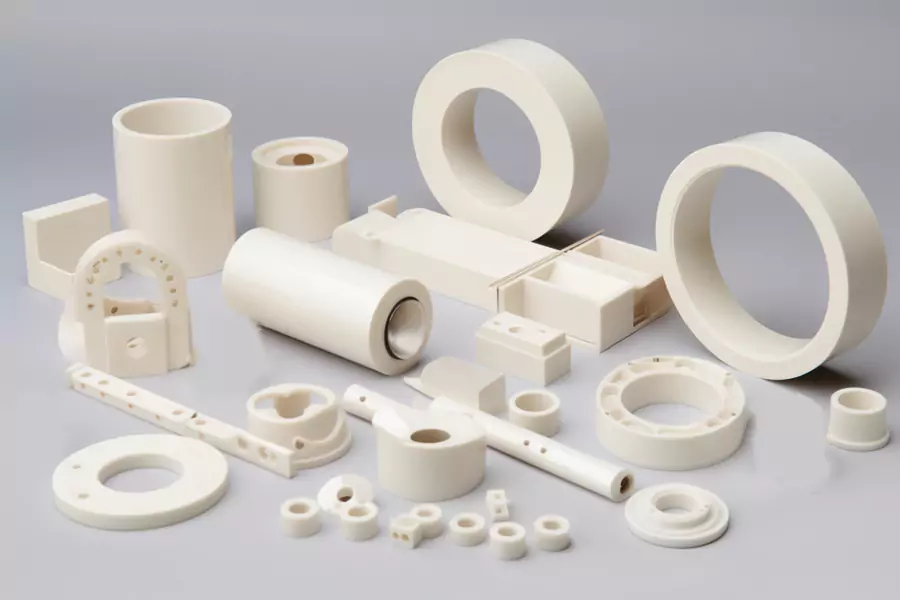
Article: Advanced Ceramics

Cross-material knowledge base articles on advanced ceramics: material families, key differences from traditional ceramics, and industrial application overviews. A starting point before choosing alumina, zirconia, silicon carbide, or boron nitride.

ADCERAX Ceramics Catalog

Materials, product forms, and capabilities in one PDF.

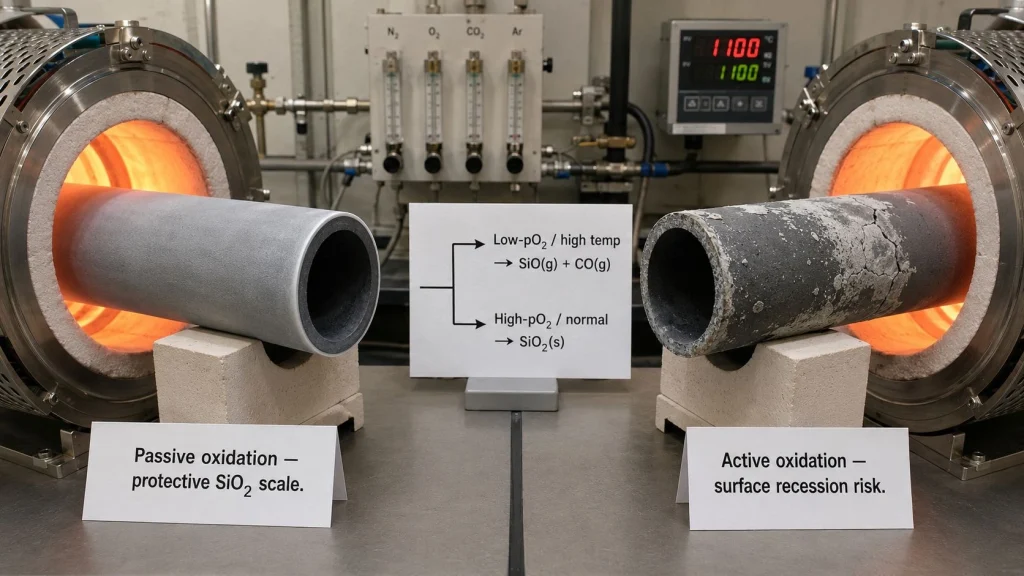
Silicon carbide oxidizes at high temperature by reacting with oxygen to form either a protective silica scale or volatile oxide

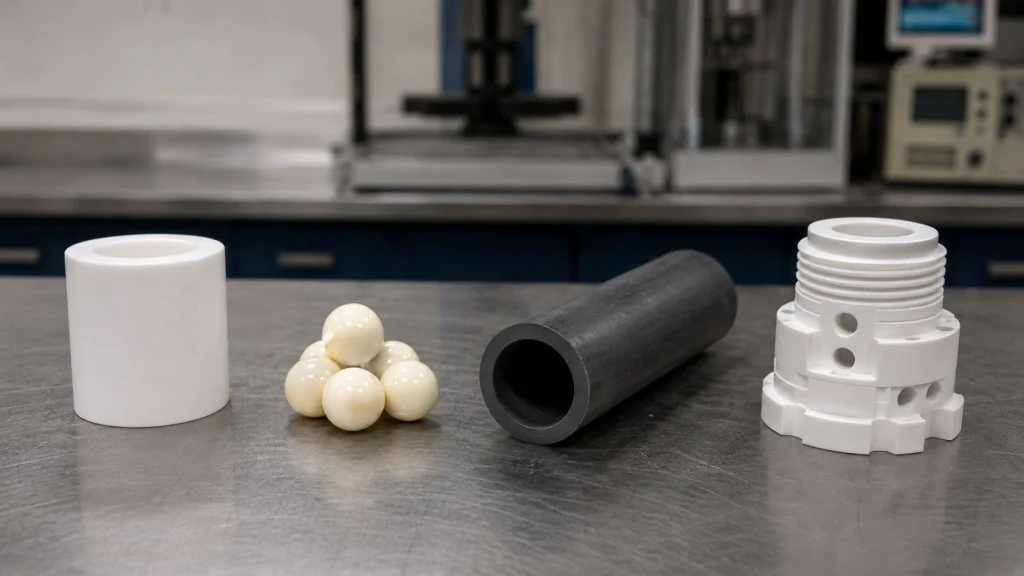
Advanced ceramic parts should be designed around the manufacturing route, not only the final drawing. Unlike metals, ceramics are formed

Advanced ceramics in 2026 are selected by the dominant failure mode — heat, wear, corrosion, insulation, thermal shock, fracture, contamination,

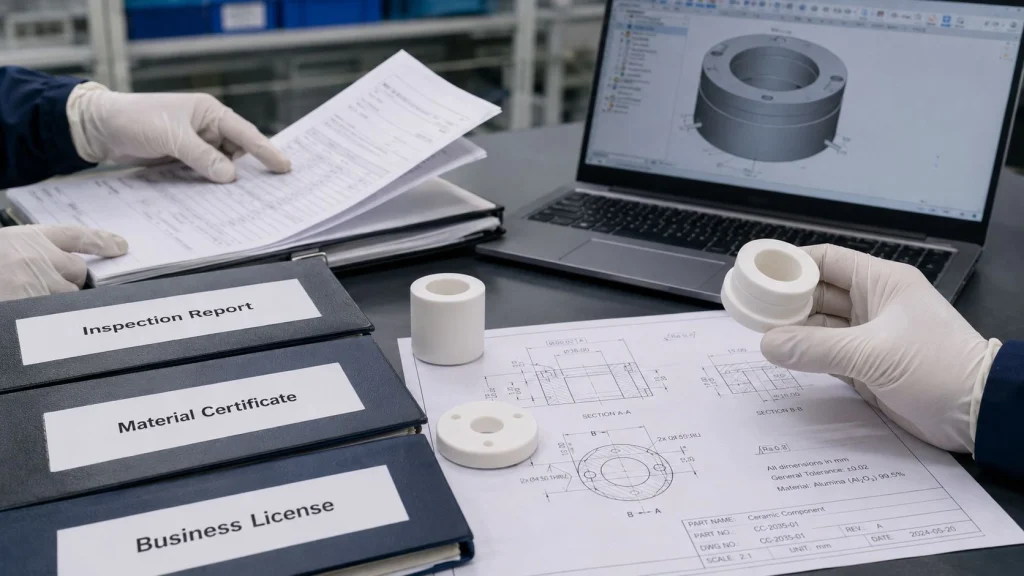
To qualify a new ceramic supplier, do not start with price. Start with material-grade capability, application understanding, drawing review, manufacturability

Engineers are moving some advanced ceramic sourcing to China when projects need custom geometry, low MOQ for prototype and pilot

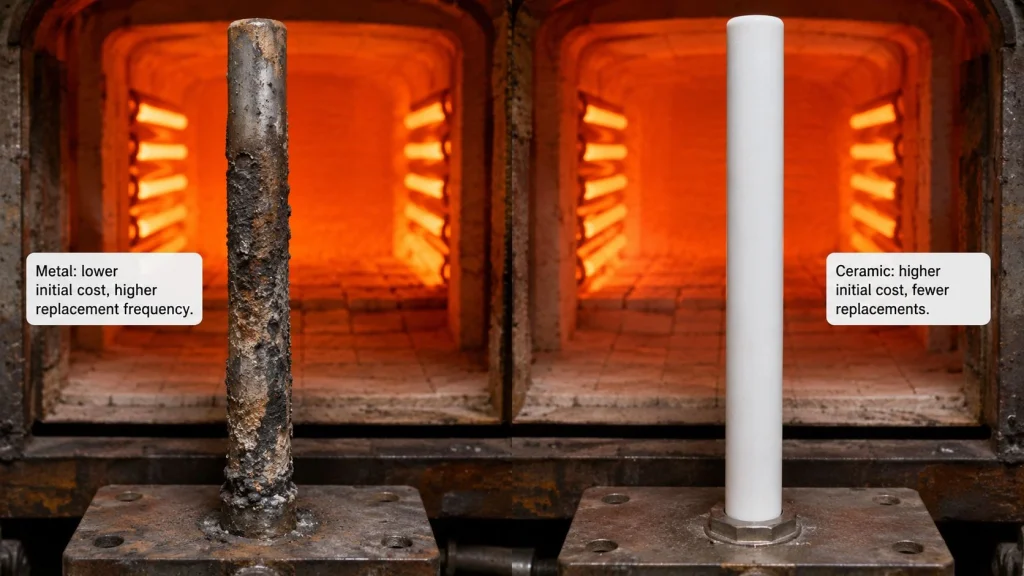
Ceramic furnace components usually justify their higher upfront cost when metal parts are failing from oxidation, creep, thermal fatigue, chemical

Choose furnace ceramics by function first, not by maximum temperature alone. Use alumina when electrical insulation, oxide stability, and general

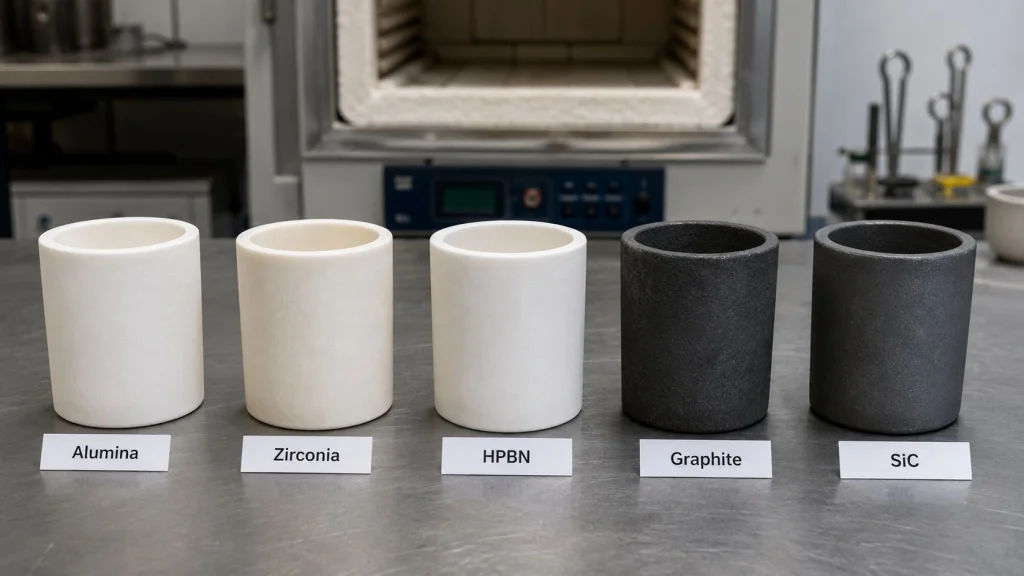
Crucible material should be selected first by metal chemistry, then by process type, atmosphere, purity requirement, and thermal cycle. Alumina

A Chinese advanced ceramic supplier should be qualified only after legal registration, manufacturing capability, ceramic process control, measurement capability, material

If you need one simple rule: start with Al₂O₃ for general-purpose ceramic parts, move to ZrO₂ when fracture toughness and

Advanced engineering ceramics in 2025 are typically grouped into oxide ceramics (alumina, zirconia), non-oxide ceramics (silicon carbide, silicon nitride), and

Selecting the right advanced ceramics manufacturer is a complex engineering challenge that directly affects project success. An advanced ceramics manufacturer

Technical ceramics (also called advanced / engineering ceramics) are high-purity, engineered ceramic materials—oxides such as alumina and zirconia, non-oxides such

Material failures, inconsistent quality, and limited performance often result from choosing the wrong ceramic type. Learn how to avoid costly

Tagged posts

38

Related Products

Need help selecting the right ceramic for your application?

Send your drawing, material requirement, dimensions, quantity, and working conditions — our engineering team reviews manufacturability before quotation.

Quick Quote

The more details you provide, the faster we can quote.

*All inquiries are confidential.

Download Catalog