Ceramic RFQ guide articles: what drawings, dimensions, tolerances, material grades, quantities, and operating conditions to include so quotations are accurate the first time. ADCERAX reviews manufacturability before quotation for every custom ceramic inquiry.
ADCERAX Ceramics Catalog
Materials, product forms, and capabilities in one PDF.
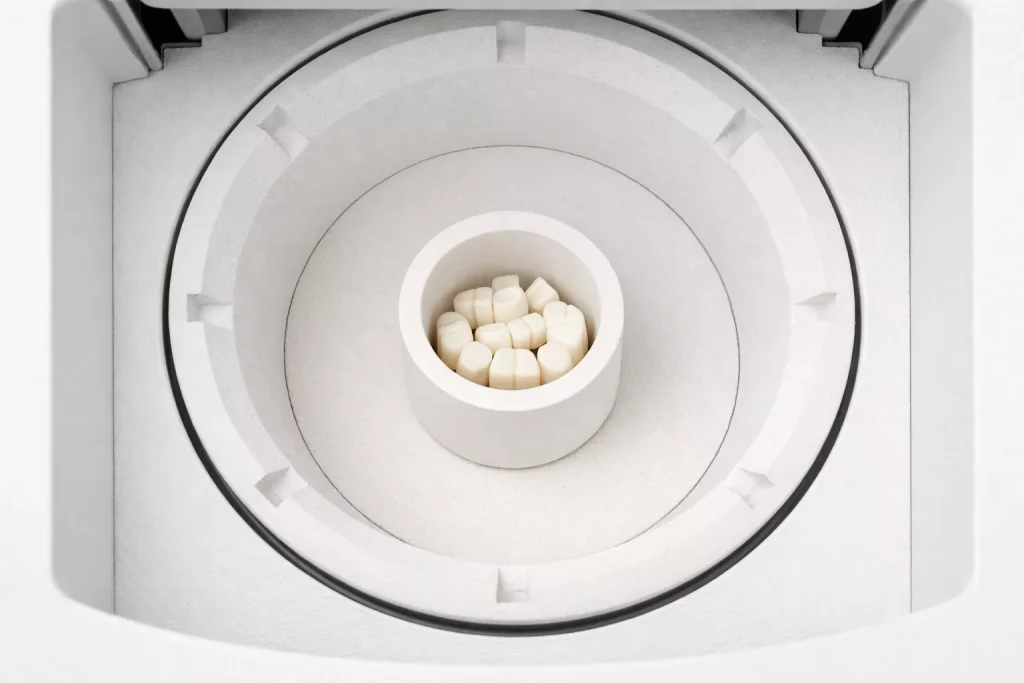
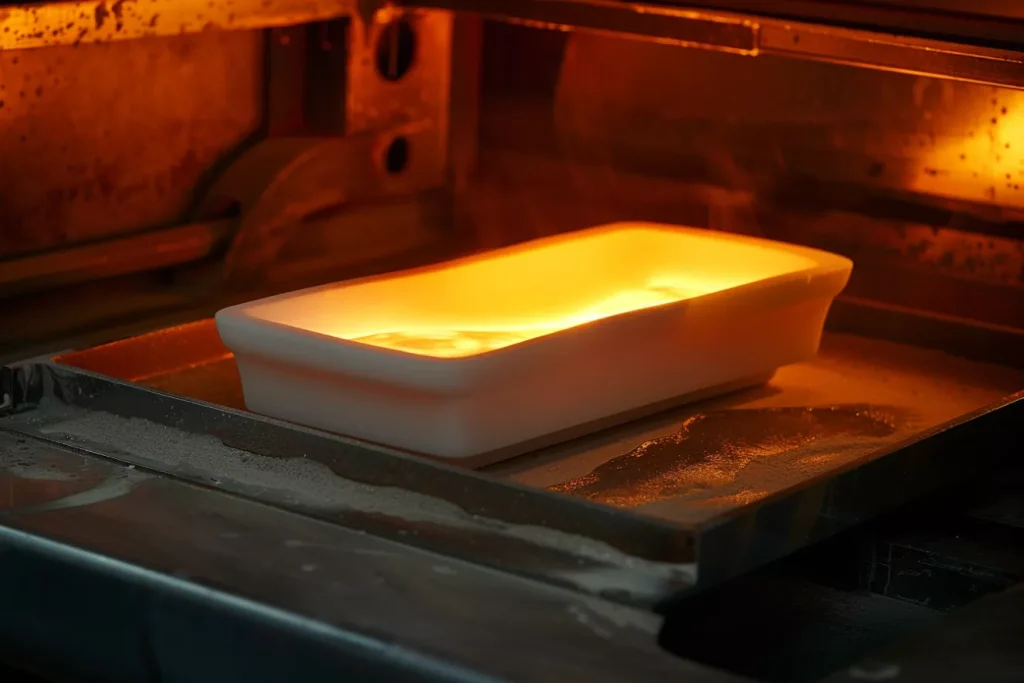
Poor sintering outcomes often originate before firing begins; consequently, unnoticed incompatibility between crucible and furnace quietly undermines dimensional accuracy, surface
Zirconia crucibles often fail not because of material limits, but because thermal and operational conditions exceed implicit assumptions. Consequently, failure
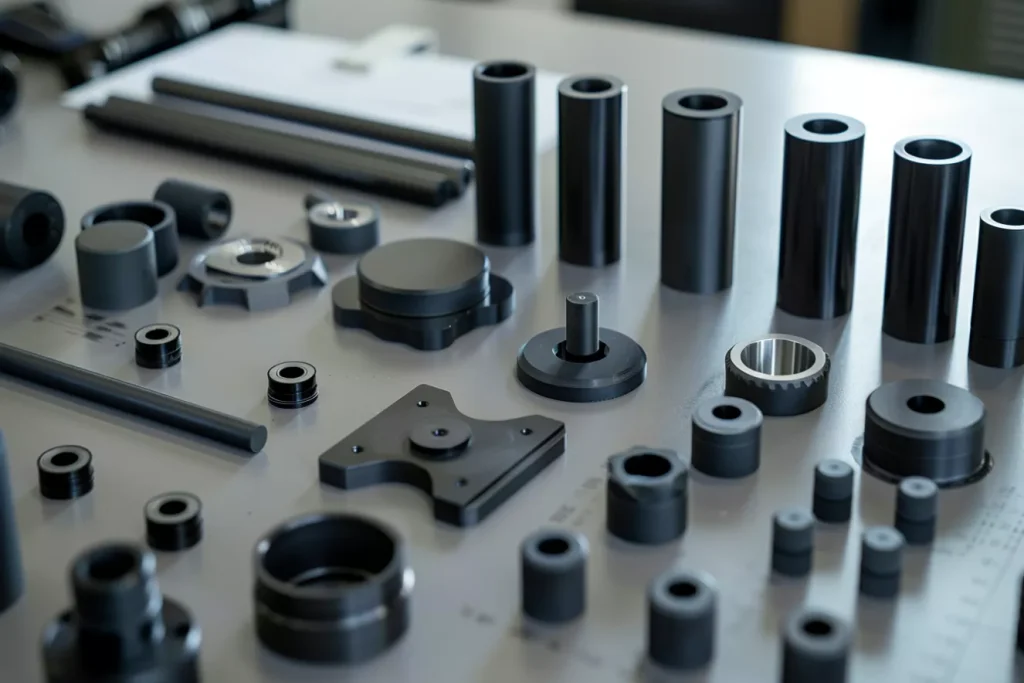
Industrial optical assemblies often fail electrically before they fail mechanically. Consequently, Black Alumina Ceramic becomes a decisive insulating material when
High-voltage vacuum systems frequently fail not because of circuit flaws, but because insulation structures degrade under coupled electrical, thermal, and
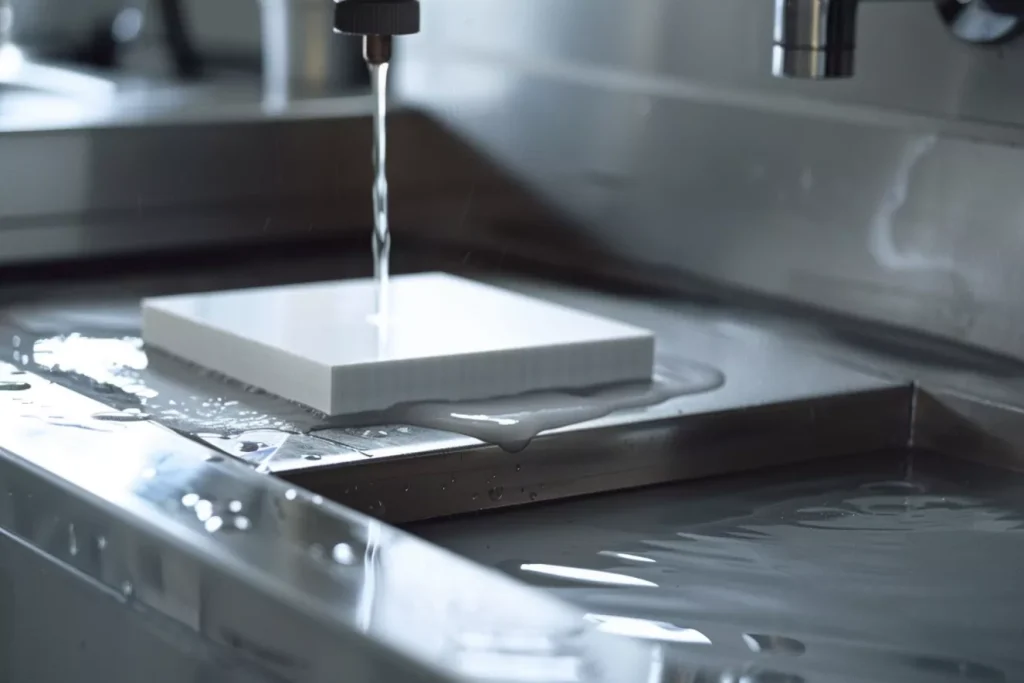
Alumina substrate etching is a surface-engineering step used when metallization adhesion, bonding anchorage, microstructuring, or rework cleanup needs a controlled
Alumina Ceramic is frequently selected when photovoltaic production faces instability caused by thermal distortion, mechanical fatigue, or inconsistent component lifetimes
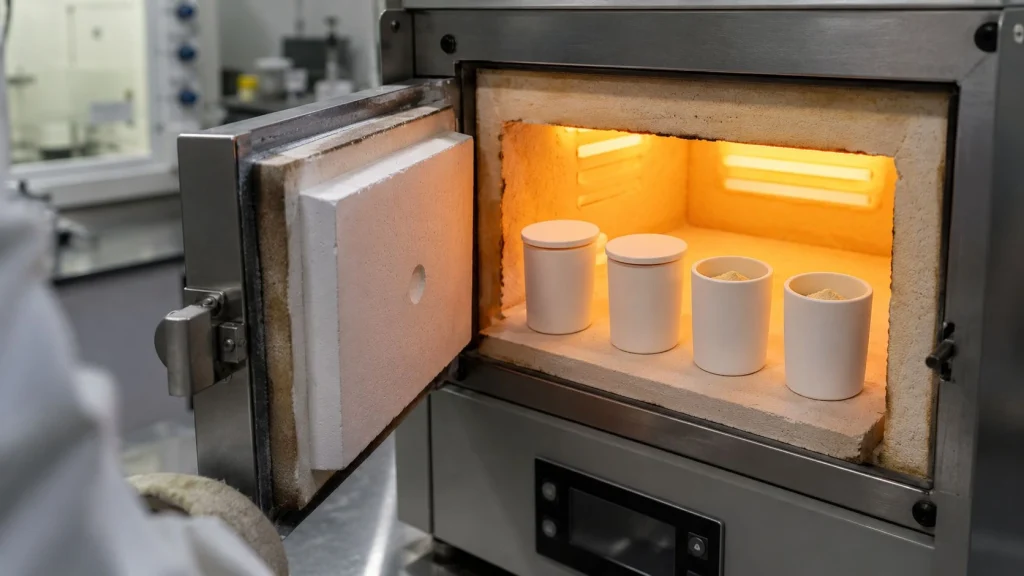
Alumina crucibles are essential tools in high-temperature laboratory and industrial environments. However, incorrect selection often results in sample loss, contamination,
Precision-ground alumina tubes face seal leakage, runout, and assembly drift when left as-sintered; grinding stabilizes size, geometry, and surface for
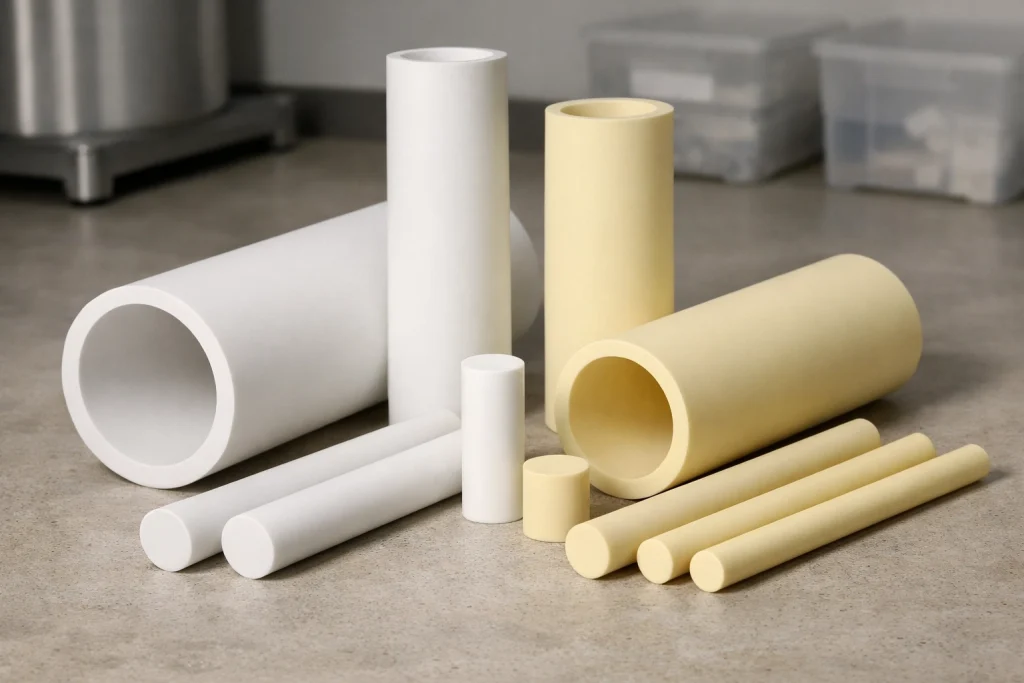
Precision alumina tubes set geometric limits for sealing, alignment, and rotation in vacuum, furnace, and analytical equipment. Controlled forming, sintering,
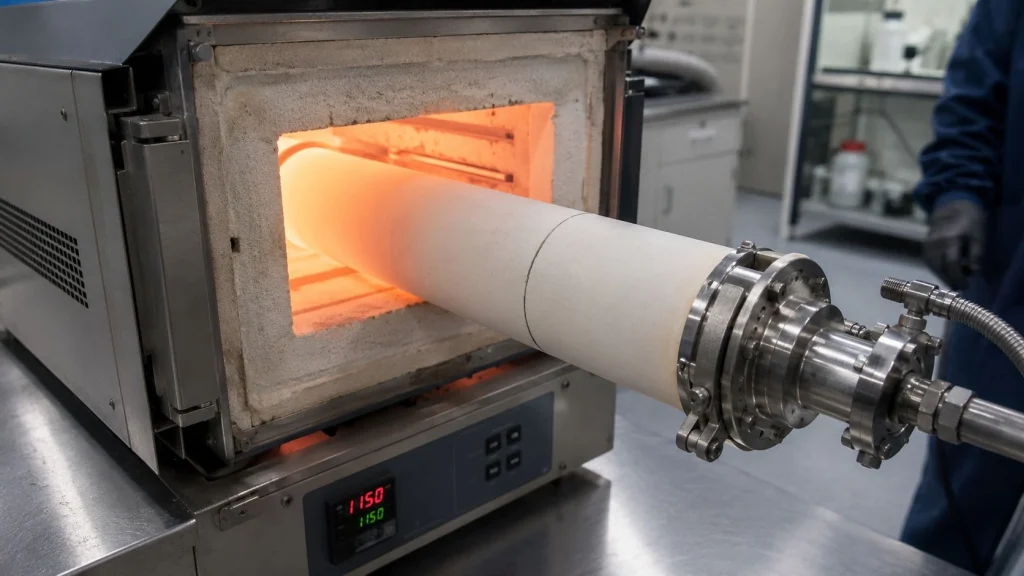
An alumina tube for industrial applications requires complete technical and commercial information before accurate quotations can be prepared. When specifications
A precision length alumina tube is a core component in high-temperature assemblies requiring dimensional accuracy, controlled flatness, and minimal warpage.
Need help selecting the right ceramic for your application?
Send your drawing, material requirement, dimensions, quantity, and working conditions — our engineering team reviews manufacturability before quotation.