Engineers investigating aluminum alloy casting inclusions usually encounter two kinds of advice that do not quite connect. Foundry literature emphasizes
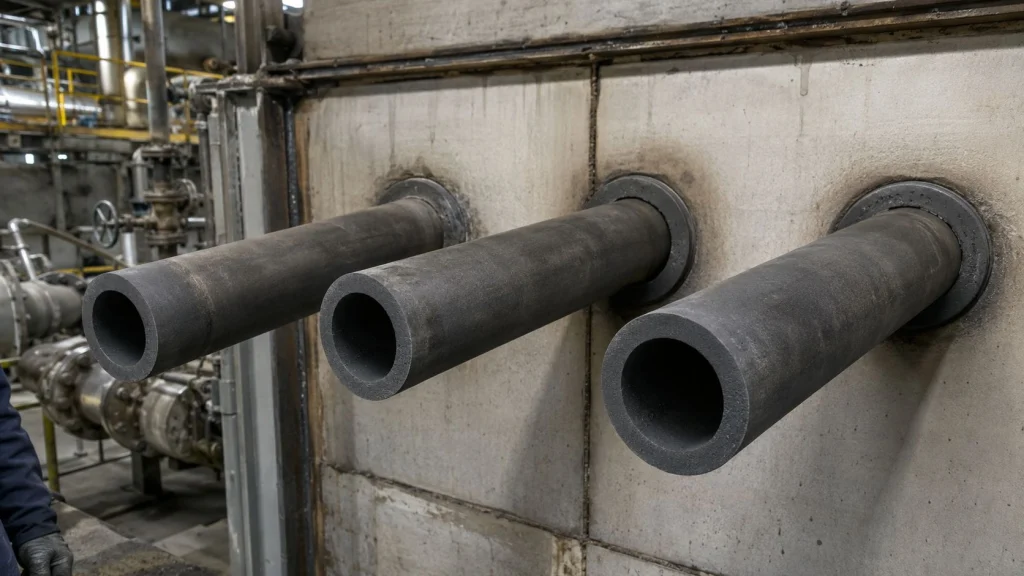
The grade decision for a silicon carbide tube — pressureless sintered (SSiC), reaction-bonded (RBSC, also written RBSiC/SiSiC), or nitride-bonded (NBSC,
High-temperature systems frequently fail when heat transfer assumptions deviate from real material behavior, particularly once ceramics are expected to perform
High-performance systems often fail prematurely when material chemistry is misjudged under aggressive media. Misalignment between environment and material stability remains
High-performance zirconia components often fail to meet expectations because density assumptions are oversimplified or incorrectly generalized across stabilized systems. Zirconia
Unexpected surface roughening and strength loss can arrive quietly; consequently, unrecognized degradation triggers microcracking, performance drift, and premature fracture in
High mechanical loads, brittle failure risks, and long-term reliability often limit material choices in demanding engineering systems. Consequently, zirconia ceramic
High-performance ceramics frequently fail when property assumptions oversimplify real conditions; consequently, zirconia ceramics demand a precise property-level understanding to avoid
High-performance engineering systems often fail at the material–component interface; therefore, advanced ceramics increasingly define reliability limits in real industrial equipment.
Ceramic components can fail abruptly under heat and stress; consequently, zirconia demanded decades of scientific corrections before dependable service became
High-duty industrial systems frequently fail when conventional materials reach mechanical, thermal, or chemical limits. Consequently, zirconia ceramic material emerges where
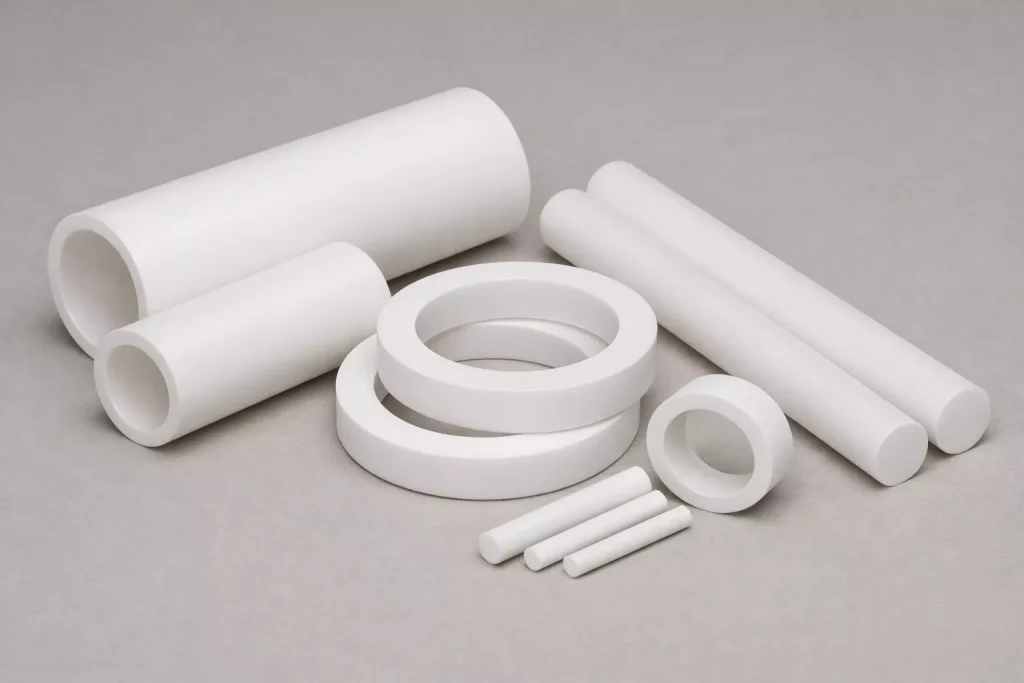
Zirconia ceramic is zirconium dioxide (ZrO₂)-based engineered ceramic—most often yttria-stabilized (Y-TZP or PSZ)—selected when fracture toughness, wear, or sealing durability
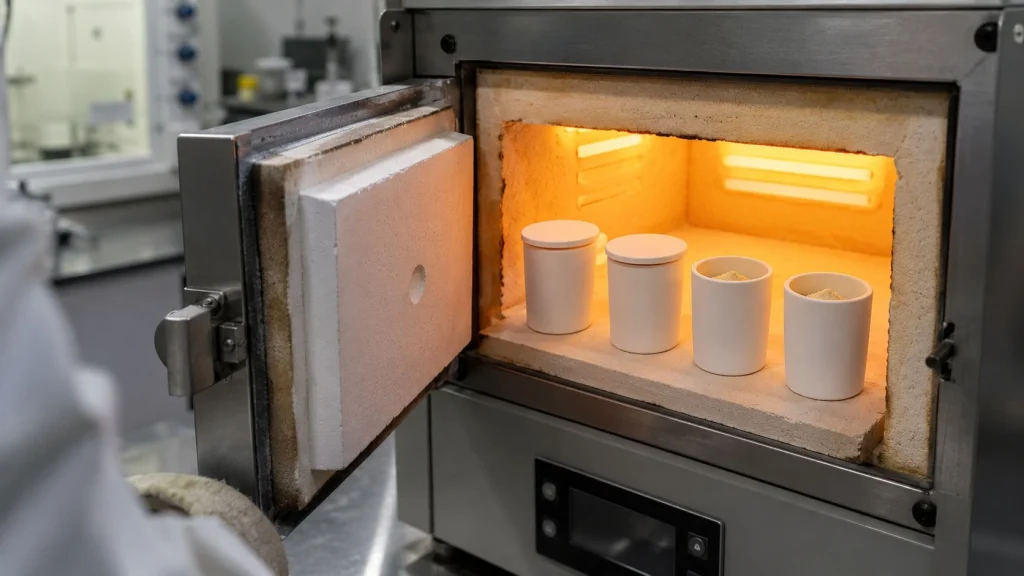
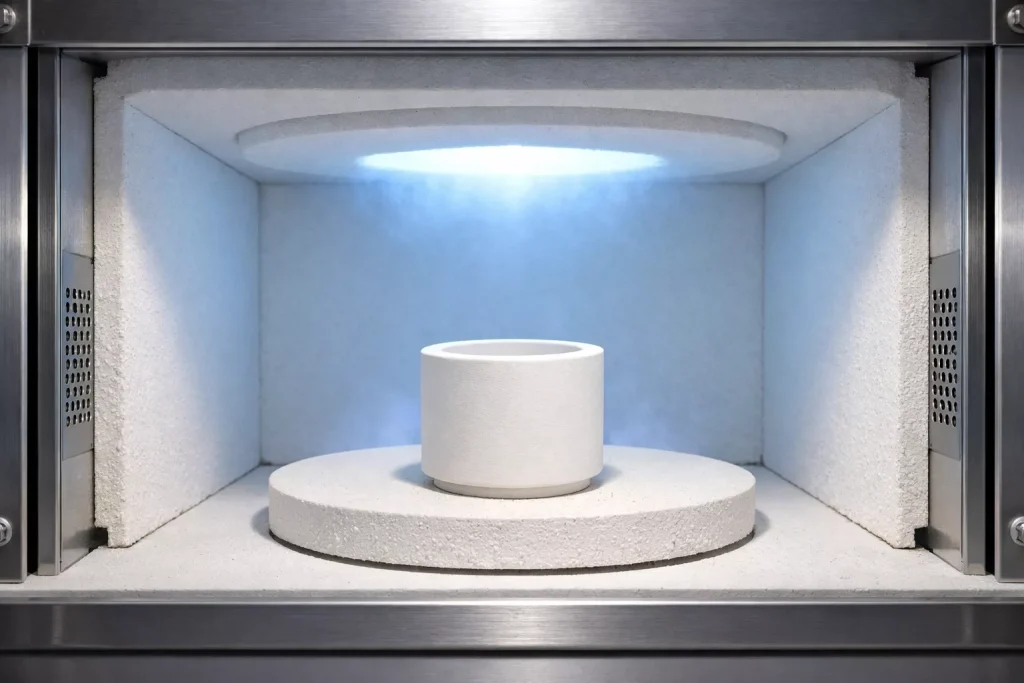
Material Safety Behavior of Zirconia Sintering Crucible High-temperature zirconia crucibles may appear inert; however, hidden material interactions can compromise furnace
High-temperature zirconia sintering crucibles often appear durable during early use; however, progressive degradation silently accumulates until sudden failure disrupts furnace
Need help selecting the right ceramic for your application?
Send your drawing, material requirement, dimensions, quantity, and working conditions — our engineering team reviews manufacturability before quotation.